Las Vegas industrial and municipal facilities face unique sewage treatment challenges: influent with TDS levels up to 1,200 mg/L (NDEP 2024 data), strict NDEP discharge limits (e.g., 30 mg/L BOD, 45 mg/L TSS), and water reuse mandates for cooling towers. Top suppliers like Aqua-Serv and Core & Main offer solutions tailored to desert conditions, but equipment selection hinges on three factors: 1) removal efficiency for high-mineral loads, 2) compliance with Nevada Administrative Code (NAC) 445A, and 3) cost-per-gallon treated. This guide compares 5 supplier categories with technical specs, cost benchmarks, and ROI calculators for 2025 projects.
Why Las Vegas Needs Specialized Sewage Treatment Equipment
Nevada’s average Total Dissolved Solids (TDS) levels range from 800 to 1,200 mg/L, significantly exceeding the national average of 300 to 500 mg/L according to USGS 2023 data. This high mineral content creates a hostile environment for standard biological treatment processes. High salt concentrations increase osmotic pressure on microbial populations, often reducing the efficiency of conventional activated sludge systems by as much as 25%. In the Las Vegas Valley, these conditions are compounded by extreme evaporation rates, which further concentrate pollutants in the influent stream.
Regulatory pressure in Southern Nevada is intensifying. Under Clark County Ordinance 4465, 2025 water reuse targets mandate that large-scale facilities must treat and recycle at least 30% of their effluent for non-potable uses, such as cooling tower make-up water or landscape irrigation. Achieving this requires tertiary treatment equipment capable of handling high-mineral loads without excessive fouling. For instance, a major Strip hotel faced a $250,000 fine in 2023 for exceeding NDEP’s 45 mg/L Total Suspended Solids (TSS) limit. A subsequent root cause analysis revealed that standard Dissolved Air Flotation (DAF) units were failing due to rapid calcium carbonate scaling, which compromised the micro-bubble generation required for effective solids separation.
Hard water minerals, specifically calcium (Ca²⁺) and magnesium (Mg²⁺), also accelerate membrane fouling in Membrane Bioreactor (MBR) systems. In Las Vegas, facilities using generic MBR configurations often report a 40% reduction in membrane lifespan compared to national averages unless specialized anti-scalant dosing and frequent chemically enhanced backwashes (CEB) are integrated into the system design. Selecting equipment designed for desert conditions is not a matter of preference; it is a technical necessity for maintaining operational uptime and regulatory compliance.
Nevada’s Sewage Treatment Compliance Landscape: 2025 Standards & Penalties
The Nevada Division of Environmental Protection (NDEP) enforces a maximum daily limit of 30 mg/L for Biochemical Oxygen Demand (BOD) and 45 mg/L for Total Suspended Solids (TSS) under Nevada Administrative Code (NAC) 445A.155. These standards are more stringent than federal EPA secondary treatment guidelines in specific sensitive basins within Clark County to protect the limited water resources of the Colorado River system. For facilities discharging more than 50,000 gallons per day (GPD), ‘Tier 2’ permit requirements now include mandatory nutrient removal, specifically targeting Total Nitrogen (TN) at ≤10 mg/L and Total Phosphorus (TP) at ≤1 mg/L.
Non-compliance carries heavy financial risks. Under NRS 445A.730, penalties range from $10,000 to $50,000 per violation, with additional fines of $500 per day for ongoing non-compliance. A 2024 manufacturing plant shutdown in North Las Vegas serves as a cautionary tale; the facility was forced to cease operations for 14 days after repeated ammonia limit exceedances, resulting in over $1.2 million in lost production and legal fees. To mitigate these risks, the state offers the Nevada ‘Water Smart’ rebate program, providing up to $250,000 for facilities that adopt advanced treatment technologies like UV disinfection or high-flux MBR systems that exceed baseline compliance.
| Parameter | NDEP Daily Max (NAC 445A) | Clark County Tier 2 (>50k GPD) | Typical Federal EPA Limit |
|---|---|---|---|
| BOD (Biochemical Oxygen Demand) | 30 mg/L | 25 mg/L | 30 mg/L |
| TSS (Total Suspended Solids) | 45 mg/L | 30 mg/L | 30-45 mg/L |
| Ammonia (as N) | 10 mg/L | 5 mg/L | Variable |
| Total Phosphorus (TP) | N/A | 1.0 mg/L | N/A |
| Total Nitrogen (TN) | N/A | 10 mg/L | N/A |
Las Vegas Sewage Treatment Equipment: Types, Performance & Use Cases
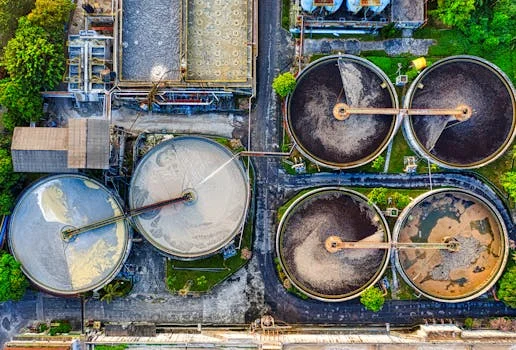
High-efficiency DAF system for high-FOG wastewater in desert climates achieves up to 99% removal of Fats, Oils, and Grease (FOG) and 95% of TSS in hospitality applications. In a 2024 pilot study at a Las Vegas casino buffet, DAF technology successfully reduced influent FOG from 450 mg/L to under 10 mg/L, preventing downstream clogging of the municipal sewer line and avoiding surcharges. For facilities aiming for high-quality reuse, an MBR system for reuse-quality effluent in Nevada’s water-scarce conditions is the gold standard. Utilizing PVDF membranes with a 0.1 μm pore size, these systems produce effluent with turbidity levels consistently below 0.2 NTU, making it suitable for cooling tower makeup with minimal additional treatment.
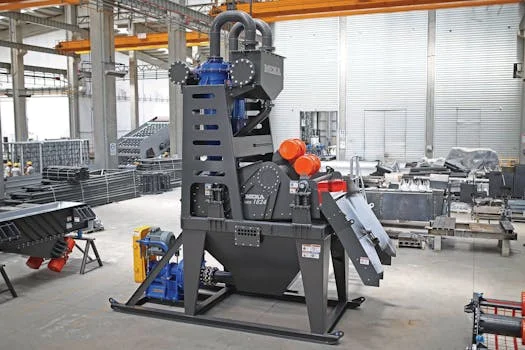
For remote sites such as RV parks or temporary construction camps in the Mojave, a compact underground sewage treatment plant for remote sites offers a footprint-efficient solution. These WSZ series package plants require only 10–20 m² for a 50 m³/h flow rate and feature high levels of automation, eliminating the need for a full-time on-site operator. Sludge management in Las Vegas also requires a specialized approach due to the high mineral content. While belt presses are common, plate-and-frame filter presses are increasingly preferred for high-TDS sludge as they achieve 30–40% dry solids content compared to the 20–25% typical of belt presses, significantly reducing hauling and disposal costs at local landfills.
| Equipment Type | Primary Target | Removal Efficiency | Energy Use (kWh/m³) | Best Use Case |
|---|---|---|---|---|
| DAF | FOG, TSS | 95–99% | 0.2–0.4 | Casinos, Food Processing |
| MBR Integrated | BOD, Nutrients | 98–99.9% | 0.6–1.2 | Water Reuse, Cooling Towers |
| Package Plant (WSZ) | Domestic Sewage | 90–95% | 0.4–0.7 | Remote Sites, RV Parks |
| Filter Press | Sludge Dewatering | 35% Dry Solids | 0.1–0.3 | Industrial Sludge Management |
Las Vegas Sewage Treatment Equipment Suppliers: 2025 Comparison Matrix
Procurement data from 2024 Clark County RFP responses indicates that the average CAPEX for a 50,000 GPD Membrane Bioreactor (MBR) system in Southern Nevada ranges from $12 to $18 per gallon of daily capacity. When evaluating suppliers, engineers must distinguish between manufacturers who provide raw equipment and system integrators who offer turnkey solutions. Local distributors often provide the fastest service response times—critical for the 24/7 operations of the Las Vegas Strip—but may have higher markups on specialized components like high-mineral-resistant membranes.
The following matrix compares supplier categories based on technical performance and local Nevada support capabilities. For detailed regional comparisons, see the compliance and equipment guide for neighboring states to understand how Nevada's requirements differ from regional norms.
| Supplier Category | Flow Range (GPD) | Automation Level | NV Parts Inventory | Avg. OPEX ($/1k gal) |
|---|---|---|---|---|
| National OEMs (e.g., Core & Main) | 10k – 5M+ | High (PLC/SCADA) | Extensive | $2.50 – $4.00 |
| Specialized Industrial (HydropureWater) | 5k – 500k | High (Remote Monitor) | Regional Hub | $1.80 – $3.20 |
| Local Service Groups | 1k – 50k | Medium/Manual | Local Shop | $3.50 – $5.00 |
| Retail/Commercial (Culligan) | < 25k | Low/Medium | Local Shop | $4.00 – $6.50 |
Cost Breakdown & ROI Calculator for Las Vegas Projects
Energy consumption accounts for approximately 40% of the total operational expenditure (OPEX) for wastewater treatment facilities in the Mojave Desert due to high aeration and cooling requirements. In a typical 100,000 GPD project in Henderson, CAPEX is generally distributed as follows: equipment (60%), installation (20%), permitting (10%), and contingency (10%). However, the high cost of municipal water in Las Vegas—averaging $5.00 per 1,000 gallons for commercial tiers—creates a strong financial incentive for onsite treatment and reuse.
A 2023 hotel project that implemented an MBR system for cooling tower reuse demonstrated a payback period of just 4.2 years. By treating 80,000 GPD of greywater, the facility saved approximately $120,000 annually in water procurement costs and an additional $35,000 in sewer discharge surcharges. For a detailed cost breakdown for Las Vegas projects, engineers should factor in Nevada’s Clean Water State Revolving Fund (CWSRF), which offers loans at approximately 1.5% interest with 20-year terms for qualifying municipal and industrial upgrades.
| Cost Component | Standard System (Discharge) | Advanced System (Reuse) | Impact of Desert Climate |
|---|---|---|---|
| Chemicals | $0.40 / 1k gal | $0.85 / 1k gal | +25% due to Anti-scalants |
| Energy | $0.60 / 1k gal | $1.10 / 1k gal | +15% due to Cooling needs |
| Maintenance | $0.30 / 1k gal | $0.55 / 1k gal | +20% Membrane cleaning freq. |
| Total OPEX | $1.30 / 1k gal | $2.50 / 1k gal | N/A |
How to Select a Sewage Treatment Equipment Supplier in Las Vegas
On-site pilot testing for high-TDS wastewater reduces full-scale implementation risk by identifying specific anti-scalant requirements before capital expenditure. When evaluating potential suppliers, follow this five-step framework to ensure long-term performance and compliance:
- Step 1: Define Project Scope: Document influent characteristics (TDS, FOG, pH) and effluent goals. If you are targeting reuse for cooling towers, specify the required Langelier Saturation Index (LSI) to prevent scaling.
- Step 2: Request Pilot Data: Ask for data from previous Las Vegas or desert-based installations. A supplier’s refusal to provide a pilot unit or field data for high-mineral applications is a significant red flag.
- Step 3: Verify Compliance Expertise: Ask the supplier for a list of NDEP permit applications they have supported. Target a 90%+ first-submission approval rate for NAC 445A permits.
- Step 4: Evaluate Local Support: Confirm the location of the nearest parts warehouse. For Strip hotels or critical industrial plants, 24/7 emergency response and a 4-hour on-site service guarantee are essential.
- Step 5: Negotiate Performance Guarantees: Ensure the contract includes penalties for missed removal rates. A standard Service Level Agreement (SLA) should guarantee 98%+ uptime for critical treatment components.
For more specific technical guidance on solids removal, refer to our DAF system guide tailored to Nevada’s hard water conditions, which details the chemical pre-treatment required to handle high-calcium influent.
Frequently Asked Questions
What are the NDEP discharge limits for industrial wastewater in Las Vegas in 2025?
Under NAC 445A.155, the standard limits are 30 mg/L for BOD and 45 mg/L for TSS. However, facilities in the Las Vegas Valley discharging to the municipal system must also comply with Clark County Water Reclamation District (CCWRD) limits, which often include strict FOG limits (< 100 mg/L) and pH ranges (5.5–11.0).
How much does a 50,000 GPD sewage treatment plant cost in Nevada?
For a standard package plant, CAPEX typically ranges from $450,000 to $700,000. For an advanced MBR system capable of producing reuse-quality water, costs increase to $750,000–$1.1 million, including installation and NDEP permitting fees.
What’s the best sewage treatment equipment for a Las Vegas hotel with high FOG levels?
A Dissolved Air Flotation (DAF) system combined with a secondary biological treatment unit is the most effective. The DAF removes 95%+ of grease before it can foul biological reactors or membranes, which is critical for the high-volume kitchens found in resort-hotels.
Can I reuse treated sewage for cooling towers in Clark County?
Yes, but it must meet Nevada Class A or A+ reclaimed water standards. This typically requires MBR treatment followed by UV or Chlorine Dioxide disinfection and a secondary RO stage if TDS reduction is needed to prevent cooling tower scaling.
What’s the payback period for an MBR system in a Las Vegas industrial facility?
The average payback period is 3 to 7 years. Facilities that utilize the treated effluent to offset high-cost municipal water for cooling or irrigation see the fastest ROI, often saving over $100,000 annually in water and sewer fees.
How do I get a Nevada wastewater discharge permit for a new treatment plant?
The process involves submitting a Form 1 and Form 2B to the NDEP Bureau of Water Pollution Control. The engineering design must be stamped by a Nevada-licensed Professional Engineer (PE). The approval process in Clark County currently averages 6 to 12 months.