Why Singapore’s Industries Rely on DAF Systems for Wastewater Treatment
In Singapore, Dissolved Air Flotation (DAF) systems are critical for industrial wastewater treatment, achieving 92–97% TSS removal and 90–95% FOG reduction, aligning with NEA 2024 benchmarks. Local regulations, such as the NEA Trade Effluent Discharge Standards, mandate treated effluent to meet stringent limits, including <50 ppm oil/grease and <100 mg/L COD for trade effluent discharge. Industries like petrochemical facilities, exemplified by the DAF systems in use at ExxonMobil’s Singapore plant, rely on this technology to meet these demanding requirements. These systems typically operate with hydraulic loading rates of 5–15 m/h and employ micro-bubble sizes of 30–50 μm. The investment in DAF technology, ranging from $80,000 for small-scale units (4–20 m³/h) to $450,000+ for high-capacity systems (200+ m³/h), often yields payback periods of 2–5 years, driven by reduced sludge disposal fees and the avoidance of significant compliance penalties. For instance, failure to meet NEA standards can result in fines up to $50,000 per violation and mandates for costly system upgrades, as seen in a 2023 case involving a local food processing plant that faced substantial penalties for high FOG levels. Compared to conventional sedimentation tanks, DAF systems demonstrate superior performance for wastewater with high oil and grease content, achieving 90–95% FOG removal compared to the 60–70% typically seen with sedimentation alone.
How DAF Systems Work: Process Flow and Key Engineering Parameters
Dissolved Air Flotation (DAF) systems operate through a series of carefully controlled stages to effectively separate suspended solids, oils, and grease from industrial wastewater. The process begins with coagulation, where chemical coagulants are added to destabilize the colloidal particles in the wastewater, causing them to aggregate. This is followed by flocculation, where gentle mixing promotes the formation of larger, more manageable flocs. Simultaneously, a portion of the treated water is saturated with air under pressure in a dissolved air unit. This pressurized, air-saturated water is then released into the main DAF tank, where it rapidly depressurizes, leading to the formation of microscopic air bubbles (typically 30–50 μm in diameter). These micro-bubbles attach to the suspended flocs, reducing their effective density and causing them to rise to the surface. A skimming mechanism then removes the accumulated floating sludge. Optimal performance is achieved with an air-to-solids ratio between 0.02 and 0.06. In Singapore’s industrial context, DAF systems are designed for hydraulic loading rates of 5–15 m/h for standard units, while high-rate DAF systems can handle up to 20–40 m/h, significantly higher than the 1–3 m/h capacity of sedimentation tanks. The resulting sludge typically contains 3–5% solids and represents a 50–70% volume reduction compared to the raw wastewater, leading to substantial savings in sludge disposal costs.
| Process Stage | Description | Key Parameters |
|---|---|---|
| Coagulation | Destabilizes colloidal particles. | Coagulant type and dosage (e.g., Alum, Ferric Chloride). |
| Flocculation | Aggregates destabilized particles into larger flocs. | Mixing intensity and duration. |
| Air Dissolution | Saturates recycled water with air under pressure. | Pressure (e.g., 4-6 bar), saturation time. |
| Micro-bubble Generation | Release of pressurized air-saturated water creating fine bubbles. | Bubble size: 30–50 μm. |
| Flotation | Micro-bubbles attach to flocs, causing them to rise. | Air-to-solids ratio: 0.02–0.06. |
| Skimming | Removal of accumulated sludge from the surface. | Skimmer speed and design. |
Technical Specifications for DAF Systems in Singapore: What to Look For
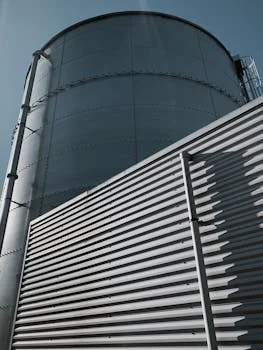
Selecting the appropriate DAF system for a Singaporean industrial facility requires careful consideration of several key technical specifications to ensure compliance and operational efficiency. Removal efficiencies are paramount, with high-quality DAF systems typically achieving 92–97% Total Suspended Solids (TSS) removal, 90–95% Fats, Oils, and Grease (FOG) removal, and significant reductions in Chemical Oxygen Demand (COD) (60–80%) and Biochemical Oxygen Demand (BOD) (50–70%), aligning with NEA 2024 benchmarks. Influent quality limits are also crucial; systems should be capable of handling wastewater with maximum TSS concentrations of 500–2,000 mg/L, FOG levels of 300–1,000 mg/L, and pH ranges of 6–9, with appropriate pre-treatment if necessary. The physical footprint of the DAF unit is another important factor, typically requiring 0.5–2 m² per m³/h of treatment capacity, which is considerably less than the 2–5 m² per m³/h needed for sedimentation tanks. Modern DAF systems often feature advanced automation, including PLC-controlled operations with remote monitoring capabilities, which is increasingly preferred by regulatory bodies like the NEA for automated reporting and process oversight. The choice of materials of construction is vital for longevity and corrosion resistance; stainless steel (304/316) is recommended for highly corrosive wastewater streams common in the electronics industry, while epoxy-coated carbon steel is suitable for general industrial applications. Ensuring the system is equipped with an automatic chemical dosing system is also critical for maintaining consistent coagulation and flocculation performance.
| Specification | Typical Range/Requirement | Relevance for Singapore Industry |
|---|---|---|
| TSS Removal Efficiency | 92–97% | Meets stringent NEA discharge limits. |
| FOG Removal Efficiency | 90–95% | Essential for food processing and petrochemical sectors. |
| COD Removal Efficiency | 60–80% | Contributes to overall effluent quality compliance. |
| BOD Removal Efficiency | 50–70% | Supports compliance with biological oxygen parameters. |
| Influent TSS Limit | Up to 2,000 mg/L | Handles challenging industrial wastewater streams. |
| Influent FOG Limit | Up to 1,000 mg/L | Crucial for high-oil content effluents. |
| Footprint | 0.5–2 m²/m³/h | Space-efficient design for urban industrial sites. |
| Automation Level | PLC control, remote monitoring | Facilitates NEA reporting and operational management. |
| Materials of Construction | Stainless Steel (304/316), Epoxy-coated Carbon Steel | Ensures durability in corrosive environments (e.g., electronics). |
Singapore’s Regulatory Landscape: NEA Compliance for DAF Systems
Adherence to the National Environment Agency's (NEA) stringent Trade Effluent Discharge Standards is non-negotiable for industrial facilities in Singapore. The 2024 standards set critical limits for treated wastewater, including a maximum of <50 ppm oil/grease, <100 mg/L COD, <30 mg/L BOD, and <10 mg/L TSS. DAF systems are a cornerstone technology for achieving these compliance levels. For effective monitoring and reporting, the NEA mandates continuous measurement of parameters such as pH, flow rate, and TSS, often requiring integrated sensor systems within the wastewater treatment plant. The registration of DAF systems under the NEA’s Trade Effluent Treatment Plant (TETP) scheme is a mandatory step for all facilities discharging treated effluent. Failure to comply can lead to severe consequences, including substantial fines and operational disruptions. For example, a food processing plant in Singapore successfully reduced its FOG discharge from an average of 800 ppm to below the 30 ppm NEA limit by implementing a DAF system. This not only ensured regulatory compliance but also resulted in significant cost savings by avoiding fines estimated at over $10,000 per month and reducing sludge disposal expenses.
| Parameter | NEA Trade Effluent Discharge Standard (2024) | Typical DAF Effluent Quality | Compliance Status |
|---|---|---|---|
| Oil/Grease | < 50 ppm | < 20 ppm | Compliant |
| COD | < 100 mg/L | < 70 mg/L | Compliant |
| BOD | < 30 mg/L | < 25 mg/L | Compliant |
| TSS | < 10 mg/L | < 8 mg/L | Compliant |
DAF System Costs in Singapore: CAPEX, OPEX, and ROI Breakdown
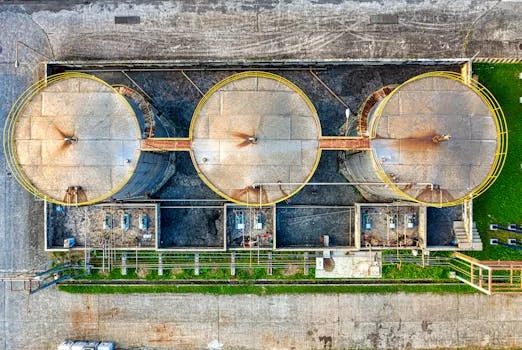
Procurement managers and engineers in Singapore must have a clear understanding of the financial implications of implementing a DAF system. Capital Expenditure (CAPEX) for DAF systems in Singapore typically ranges from $80,000 to $150,000 for smaller units with capacities between 4–20 m³/h. For larger industrial applications requiring capacities from 100–300 m³/h, the CAPEX can escalate to $200,000–$450,000. Operational Expenditure (OPEX) is generally in the range of $0.10–$0.30 per cubic meter of treated water. This OPEX is broken down into several key components: chemical costs ($0.05–$0.15/m³), power consumption ($0.03–$0.08/m³), and sludge disposal costs ($0.02–$0.07/m³). The return on investment (ROI) for DAF systems is typically realized within 2–5 years, primarily driven by the significant reduction in sludge disposal fees, which can cost between $50–$150 per ton, and the avoidance of substantial NEA fines, which can range from $10,000 to $50,000 per violation. It is crucial to also account for potential hidden costs, such as the installation of chemical storage tanks, necessary automation upgrades, and NEA permitting fees, which can add an estimated $5,000–$20,000 to the overall project cost.
| Cost Component | Typical Range (SGD) | Notes |
|---|---|---|
| CAPEX (4–20 m³/h) | $80,000 – $150,000 | Includes DAF unit, basic controls. |
| CAPEX (100–300 m³/h) | $200,000 – $450,000 | For larger industrial throughputs. |
| OPEX (per m³) | $0.10 – $0.30 | Variable based on wastewater characteristics. |
| Chemicals (per m³) | $0.05 – $0.15 | Coagulants, flocculants. |
| Power (per m³) | $0.03 – $0.08 | Pumps, blowers, skimmers. |
| Sludge Disposal (per m³) | $0.02 – $0.07 | Depends on sludge volume and disposal rates. |
| ROI Period | 2–5 years | Based on cost savings and avoided penalties. |
| Hidden Costs | $5,000 – $20,000 | Permitting, storage, automation upgrades. |
Top DAF System Suppliers in Singapore: Comparison and Selection Guide
Selecting the right DAF system supplier in Singapore is critical for ensuring reliable performance and compliance. Several reputable suppliers serve the Singaporean market, each with distinct strengths. For instance, Xylem offers flexible DAF rental and lease solutions, ideal for temporary needs or pilot testing. World Technologies focuses on custom engineering and comprehensive services, including installation and maintenance, with lead times typically ranging from 4–8 weeks. Weining provides DAF systems known for their operational flexibility, suitable for diverse wastewater streams. Ovivo is recognized for its high-performance systems, often deployed in large-scale industrial applications, as demonstrated by their involvement with ExxonMobil Singapore. HydropureWater offers cost-effective solutions with a strong emphasis on robust engineering and reliable performance, with their DAF systems being a prime example of efficient wastewater treatment. When evaluating suppliers, consider their track record with NEA compliance, the availability and responsiveness of their after-sales support teams, and their experience with similar industrial applications in Singapore. Red flags include suppliers without a proven history of delivering NEA-registered systems, a lack of local service engineers, or an inability to provide relevant case studies within Singapore. Understanding these factors will help in shortlisting vendors that best meet the technical, regulatory, and budgetary requirements of your facility, ensuring a successful DAF system implementation.
| Supplier | Capacity Range (m³/h) | Lead Time (Weeks) | After-Sales Support | NEA Compliance Track Record | Pricing Tier | Typical Application |
|---|---|---|---|---|---|---|
| Xylem | Variable (Rental/Lease) | 1-4 (Rental) | Extensive, global | Proven | Mid-High | Temporary/Pilot |
| World Technologies | 10–200+ | 4–8 | Local, comprehensive | Strong | Mid | Customized solutions, food & beverage |
| Weining | 5–150 | 6–10 | Local, responsive | Good | Mid | Operational flexibility |
| Ovivo | 50–500+ | 12–20 | Global network, strong | Excellent | High | Large-scale, high-performance |
| HydropureWater | 5–300+ | 8–12 | Local support, growing | Good | Cost-Effective | General industrial, cost-sensitive |
Frequently Asked Questions
What are the primary NEA discharge limits for industrial wastewater in Singapore?
The NEA Trade Effluent Discharge Standards (2024) for industrial wastewater in Singapore typically require effluent to meet limits of <50 ppm oil/grease, <100 mg/L COD, and <30 mg/L BOD, with a <10 mg/L TSS limit also commonly enforced.
How efficient are DAF systems in removing FOG from wastewater?
DAF systems are highly effective at removing Fats, Oils, and Grease (FOG) from industrial wastewater, typically achieving removal efficiencies of 90–95%, which is crucial for compliance in sectors like food processing.
What is the typical cost range for a DAF system in Singapore?
In Singapore, DAF system costs generally range from $80,000 for small-scale units (4–20 m³/h) to over $450,000 for high-capacity systems (200+ m³/h), with ROI often observed within 2–5 years.
What is the optimal micro-bubble size for DAF systems?
The optimal micro-bubble size for effective flotation in DAF systems is typically between 30 and 50 micrometers (μm), ensuring efficient attachment to suspended solids and oils.
What are the key considerations for DAF system suppliers in Singapore?
When selecting a DAF supplier in Singapore, consider their NEA compliance track record, local after-sales support, lead times, system capacity, and the overall cost-effectiveness of their solutions, as well as their experience with similar industrial applications.