Wastewater Treatment Plant Cost in Chhattisgarh 2025: Engineering Breakdown with Local Data & ROI Calculator
In Chhattisgarh, a 50 KLD wastewater treatment plant costs ₹12–18 lakh (ETP) or ₹15–22 lakh (STP) in 2025, including civil works, equipment, and automation—but excludes land and O&M. For industrial projects, compliance with Chhattisgarh Pollution Control Board (CGPCB) norms adds 15–25% to capital costs, while municipal plants in Raipur/Bilaspur face higher sludge disposal fees (₹3,000–5,000/ton). Use this engineering breakdown to compare capacity-based pricing, local supplier lead times, and ROI scenarios for your project.
Why Wastewater Treatment Plant Costs in Chhattisgarh Are Rising in 2025
Several factors are contributing to increased wastewater treatment plant costs in Chhattisgarh for 2025. The Chhattisgarh Pollution Control Board’s (CGPCB) 2024 mandate for tertiary treatment in major industrial zones like Raipur, Bilaspur, and Korba is a significant driver, expected to increase capital costs by 20–30% for industrial facilities (source: CGPCB Notification No. CGPCB/2024/12). This shift towards advanced treatment is also reflected in municipal projects, exemplified by NTPC’s ₹111 crore tertiary plant in Chhattisgarh, signaling a higher baseline cost for new facilities. Material costs are also on the rise; steel and cement prices in Chhattisgarh have seen a 12% year-on-year increase in 2024, directly impacting civil works expenses (data: Chhattisgarh Construction Materials Index, Q1 2025). labor shortages in key urban areas like Raipur and Bilaspur have led to a 15–20% increase in installation costs compared to 2023 (source: Chhattisgarh Labour Department, 2025). Land acquisition costs in industrial areas, ranging from ₹1,200–1,800 per square foot in Raipur to ₹800–1,200 per square foot in Bilaspur, also influence the overall project footprint and layout decisions (data: Chhattisgarh Industrial Development Corporation, 2025).
Wastewater Treatment Plant Cost Breakdown by Capacity (50 KLD to 5 MLD)
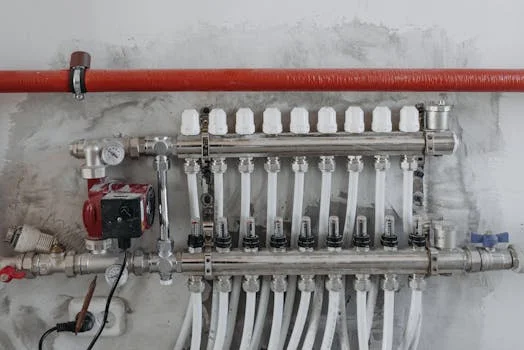
Estimating the capital expenditure for a wastewater treatment plant (WWTP) requires a granular understanding of costs across different capacities. The following table provides a detailed breakdown for Effluent Treatment Plants (ETP), Sewage Treatment Plants (STP), and plants incorporating tertiary treatment, adjusted for 2025 inflation rates of approximately 12% year-on-year, based on price ranges from leading suppliers. For instance, a 50 KLD ETP is estimated to cost between ₹12–15 lakh, while a 500 KLD STP can range from ₹1.2–1.5 crore.
| Capacity (KLD) | ETP Cost (INR Lakhs) | STP Cost (INR Lakhs) | Tertiary Treatment Cost Add-on (INR Lakhs) |
|---|---|---|---|
| 50 | 12–15 | 15–22 | 3–6 |
| 100 | 18–23 | 22–30 | 5–9 |
| 250 | 35–45 | 45–60 | 10–18 |
| 500 | 70–90 | 90–120 | 20–35 |
| 1 MLD | 1.2–1.6 Crore | 1.6–2.2 Crore | 40–70 |
| 5 MLD | 4.5–6 Crore | 6–8 Crore | 1.5–2.5 Crore |
Civil works, typically comprising 30–40% of the total capital cost, include excavation, construction of concrete tanks, and internal piping. Labor rates in Raipur are approximately ₹600–800 per day, compared to ₹450–600 per day in Bilaspur (source: Chhattisgarh Labour Department, 2025). Mechanical equipment, accounting for 40–50% of the cost, includes essential components like pumps, blowers, and specialized units such as Dissolved Air Flotation (DAF) systems. Local suppliers, like Saathi Aqua, may offer discounts of 10–15% for bulk orders. Electrical and automation systems, representing 15–20% of the cost, encompass Programmable Logic Controllers (PLCs), SCADA systems, and energy-efficient blowers. Fully automatic systems can add ₹2–4 lakh compared to semi-automatic configurations. Annual Operations & Maintenance (O&M) costs are estimated at 5–10% of the capital expenditure, covering energy consumption (₹8–12/kWh in Chhattisgarh), chemicals (e.g., ₹200–400/kg for coagulants), and sludge disposal, which can range from ₹3,000–5,000 per ton in Raipur.
Compliance Costs: How Chhattisgarh’s Regulations Impact Your Budget
Adhering to environmental regulations in Chhattisgarh can significantly influence the overall cost of a wastewater treatment plant. The CGPCB's 2024 norms for industrial effluents, which mandate stringent limits for parameters like Total Suspended Solids (TSS) below 100 mg/L and Chemical Oxygen Demand (COD) below 250 mg/L, often necessitate advanced treatment technologies such as DAF or Membrane Bioreactors (MBRs). These advanced systems can add ₹5–10 lakh to the capital cost of a 50 KLD plant (source: CGPCB Notification No. CGPCB/2024/12). CPCB’s reuse guidelines, updated in 2023, emphasize tertiary treatment for municipal plants to facilitate water recycling, potentially increasing project costs by 25–35% (data: CPCB Report on Water Reuse, 2024). For industries located in overexploited groundwater zones, such as parts of Raipur, the Central Ground Water Authority (CGWA) norms for 2025 may require Zero Liquid Discharge (ZLD) systems, adding an estimated ₹20–30 lakh to a 500 KLD plant (source: CGWA Notification, 2025). Environmental Impact Assessment (EIA) fees can also be a considerable expense, ranging from ₹50,000 to ₹2 lakh for projects exceeding 1 MLD capacity (data: Chhattisgarh Environment Department, 2025). The implementation of advanced oxidation processes (AOP) in facilities like NTPC’s ₹111 crore plant in Chhattisgarh, designed to meet stringent reuse standards, sets a precedent for future projects, driving up the baseline cost for advanced treatment capabilities.
For industrial effluent treatment, incorporating a DAF system for industrial effluent treatment in Chhattisgarh’s textile and coal washery sectors is often a key component to meet these new discharge standards.
Local Supplier Comparison: Raipur vs Bilaspur vs Korba

Choosing the right supplier for your wastewater treatment plant project in Chhattisgarh involves evaluating cost, lead times, and after-sales support across different regions. Suppliers in Raipur generally offer lead times of 8–12 weeks, whereas those in Bilaspur may have lead times of 12–16 weeks. Raipur benefits from lower labor costs (₹600–800/day) and proximity to major steel and cement suppliers, potentially expediting civil works. It also typically sees faster environmental clearance processes from the CGPCB, often taking 4–6 weeks compared to 8–10 weeks in Korba. Bilaspur offers an advantage with lower land costs (₹800–1,200/sq. ft) and can leverage the industrial wastewater expertise found in nearby Korba, particularly from sectors like coal washeries. Korba, however, can incur higher transportation costs for equipment sourced from outside the region, such as MBR membranes from Mumbai. After-sales support is another critical consideration; suppliers based in Raipur often provide warranties of 1–2 years, while those in Bilaspur and Korba typically offer 6–12 months (data: Top 2 supplier listings). The following table summarizes these regional differences:
| Supplier Location | Typical Lead Time (Weeks) | Average Labor Cost (INR/Day) | Typical Warranty Period | After-Sales Support Cost (Annual Estimate) |
|---|---|---|---|---|
| Raipur | 8–12 | 600–800 | 1–2 Years | ₹30,000–60,000 |
| Bilaspur | 12–16 | 450–600 | 6–12 Months | ₹20,000–40,000 |
| Korba | 12–16 | 500–700 | 6–12 Months | ₹25,000–45,000 |
For projects with limited space, an underground sewage treatment plant for Raipur’s space-constrained projects might be a viable option, though initial costs can be higher.
ROI Calculator: How to Justify Your Wastewater Treatment Plant Budget
A robust business case for a wastewater treatment plant hinges on a clear return on investment (ROI). This framework, incorporating local data specific to Chhattisgarh, helps procurement managers and decision-makers justify budget allocations. The process involves calculating avoided fines, quantifying water savings through reuse, factoring in government subsidies, and determining the payback period.
Step 1: Calculate Avoided Fines
Non-compliance with CGPCB norms can lead to substantial penalties. For instance, penalties can range from ₹1–5 lakh per violation (source: CGPCB Penalty Schedule, 2025). A properly functioning 500 KLD plant can therefore avoid annual fines of ₹10–20 lakh.
Step 2: Quantify Water Savings
The cost of municipal water in Raipur is approximately ₹25–40 per kiloliter (source: Raipur Municipal Corporation, 2025). If a 500 KLD plant can reuse 50% of its treated effluent, this translates to annual savings of ₹45–73 lakh. The implementation of a MBR system for high-quality effluent reuse in Chhattisgarh’s tertiary treatment projects can significantly boost reuse rates.
Step 3: Factor in Government Incentives
The Chhattisgarh Water Resources Department offers subsidies for Sewage Treatment Plants (STPs). For projects exceeding 250 KLD, a 30% subsidy on capital cost is available, capped at ₹50 lakh (source: Chhattisgarh Water Resources Department). Industrial projects may also qualify for incentives under CGPCB’s green certification programs.
Step 4: Determine Payback Period
The payback period is calculated as: (Capital Cost – Subsidy) / (Annual Savings + Avoided Fines). For a 500 KLD plant with a ₹1.5 crore capital cost, a ₹50 lakh subsidy, and ₹60 lakh in annual savings and avoided fines, the payback period would be approximately 2.5 years.
| Scenario | Capital Cost (INR Crore) | Subsidy (INR Lakhs) | Annual Savings + Avoided Fines (INR Lakhs) | Payback Period (Years) |
|---|---|---|---|---|
| 50 KLD (20% Reuse) | 0.15 | 0 | 2.5 | 0.6 |
| 250 KLD (50% Reuse) | 0.50 | 15 (30% of 50 Lakhs) | 15 | 2.5 |
| 500 KLD (50% Reuse) | 1.50 | 50 (30% of ~1.67 Crore) | 60 | 2.5 |
Understanding these financial metrics is crucial for securing project approval and optimizing investment decisions. For comparative analysis, consider how Tamil Nadu’s package plant costs compare to Chhattisgarh’s pricing, or explore why tertiary treatment adds 25–35% to Chhattisgarh plant costs.
Frequently Asked Questions
Q: How much does it cost to build a 50 KLD wastewater treatment plant in Chhattisgarh?
A: A 50 KLD plant costs ₹12–18 lakh for an ETP or ₹15–22 lakh for an STP, inclusive of civil works and automation, but exclusive of land and O&M costs (data: 2025 supplier quotes from Raipur/Bilaspur).
Q: What is the cost of a sewage treatment plant in Raipur?
A: For a 50 KLD plant, expect costs between ₹15–25 lakh; for 250 KLD, ₹50–70 lakh; and for 500 KLD, ₹1.2–1.8 crore. Tertiary treatment can add 25–35% to these figures (source: CGPCB reuse guidelines, 2024).
Q: How much does it cost to install a 100 KLD ETP in Chhattisgarh?
A: The estimated cost is ₹20–28 lakh, encompassing civil works (₹6–8 lakh), mechanical equipment (₹10–14 lakh), and electrical/automation components (₹4–6 lakh). Installation typically takes 8–12 weeks (data: Top 2 supplier listings).
Q: What is the cost of a small ETP in Chhattisgarh?
A: For capacities below 50 KLD, a 25 KLD ETP might cost ₹8–12 lakh, while a 50 KLD ETP is approximately ₹12–18 lakh. Semi-automatic systems are about 10–15% cheaper but require more manual oversight (source: 2025 supplier quotes).
Q: Are there subsidies for wastewater treatment plants in Chhattisgarh?
A: Yes, the Chhattisgarh Water Resources Department provides subsidies of 30% on capital costs (up to ₹50 lakh) for STPs with capacities exceeding 250 KLD. Industrial projects may also be eligible for CGPCB green certification incentives (source: CGPCB Notification, 2025). For a broader perspective, consider how Uttar Pradesh’s wastewater treatment costs compare to Chhattisgarh’s.
Related Equipment
- underground sewage treatment plant for Raipur’s space-constrained projects — view specifications, capacity range, and technical data
Need a customized solution? Request a free quote with your specific flow rate and pollutant parameters.