Define the wastewater streams and design flow
A hotel or resort in Havana should select equipment from verified stream-by-stream flows, not occupancy alone. Hotel wastewater commonly separates into domestic sewage, kitchen wastewater, laundry wastewater, swimming-pool or spa discharges, and other process streams; resort wastewater requires a treatment train designed around distinct contributions (HydropureWater, “Hotel and Resort Wastewater Treatment in the Dominican Republic”). The equipment decision follows the discharge or reuse destination: public sewer, an underground A/O package treatment plant, or an MBR system.
Request normal and peak flows, occupancy assumptions, operating hours, representative wastewater analyses, and the intended discharge or reuse destination before selecting a unit. HydropureWater’s resort guidance does not provide generic hotel-specific flow or pollutant figures; those inputs must be measured or otherwise verified. A kitchen stream carrying FOG, oil, grease, or light solids may justify DAF pretreatment, but the DAF must be sized from the contributing kitchen flow and its hydraulic peak—not total resort wastewater. Review the DAF machine for grease-bearing kitchen flows as a pretreatment option.
Laundry contributions can introduce fibers, plastics, suspended solids, and rags, so reliable removal is needed before pumps or biological treatment. Screen the domestic stream for solids that could damage pumps or interfere with downstream process equipment; a rotary mechanical bar screen may be relevant for screening, subject to the project’s wastewater characteristics.
| Stream | Design information to obtain | Selection implication |
|---|---|---|
| Domestic sewage | Normal and peak flow, occupancy pattern, operating hours, representative analysis | Sets the core hydraulic and biological duty |
| Kitchen wastewater | Contributing flow, FOG, oil, grease, light solids, discharge schedule | Determine whether DAF pretreatment is required |
| Laundry wastewater | Flow, fibers, plastics, suspended solids, rag characteristics | Define solids removal before pumping or biological treatment |
| Pool and spa discharges | Flow, chemistry, disinfection requirements, destination | Determine whether separate treatment or controlled blending is needed |
| Other process streams | Source, flow, analysis, operating schedule, reuse or discharge point | Assess compatibility with the selected treatment train |
Confirm the sewer and discharge route
A permitted public-sewer connection should be confirmed before committing to on-site treatment, because the receiving authority must accept the proposed flow, wastewater quality, pretreatment, and discharge point. HydropureWater’s hotel and resort analysis states that no automatic package plant satisfies every resort permit and requires compliance confirmation for the specific discharge point. Ask the authority whether a connection is available, whether the receiving system requires screening, grease control or other pretreatment, and whether the proposed discharge quality is acceptable.
Havana’s sewer history provides context, not a current engineering criterion. The University of Miami’s “Creative Insight on Cuba’s Wastewater System,” published in 2017, reported that Sistema Central was designed to service 600,000 people but was servicing 945,000. The underlying research covered 2000–2016 conditions and acknowledged limited information about Havana’s wastewater infrastructure; it does not establish present discharge capacity or a 2026 hotel connection criterion.
The supplied research does not establish a current Havana effluent limit, reuse rule or connection approval. These are project-specific verification items, not assumptions to carry into a specification. If sewer discharge is unavailable or unacceptable, document the reason before comparing an underground A/O package treatment plant with MBR. The broader decision can be framed using the public-sewer or package-plant comparison method.
Compare A/O package plant and MBR routes

Choose a buried A/O route when its treatment train matches the required discharge or reuse objective and the site can support excavation, access, utilities, and maintenance; choose MBR when the verified quality requirement depends on more demanding solids separation and the additional process complexity is justified.
HydropureWater supplier information describes the WSZ underground package treatment plant as an integrated process comprising anoxic and aerobic biological contact oxidation, sedimentation, and disinfection in one buried unit. It is listed at 1–80 m³/h, fully automated, and requiring no operator according to the supplier. These are equipment-offering characteristics, not project-sizing conclusions. The underground A/O package treatment plant can reduce visible plant equipment, but excavation, installation, access for maintenance, incoming wastewater variability, and power reliability remain design issues under the supplier’s resort analysis.
The MBR combines activated sludge with submerged PVDF membrane filtration. Supplier data state filtration below 1 μm, a footprint 60% smaller than conventional systems, and a listed capacity range of 10–2,000 m³/day. The MBR wastewater treatment system should advance only after the treated-water quality and reuse scope support the additional process complexity. The supplied resort research does not establish that reverse osmosis is required.
| Decision factor | Public sewer | Buried A/O package plant | MBR |
|---|---|---|---|
| Best fit | Connection and approval are feasible | Compact site solution with a compatible treatment objective | Verified quality or reuse needs support advanced solids separation |
| Process configuration | Off-site treatment; confirm required pretreatment | Anoxic/aerobic contact oxidation, sedimentation and disinfection in one buried unit | Activated sludge with submerged PVDF membrane filtration |
| Supplier-listed capacity | Not applicable | 1–80 m³/h | 10–2,000 m³/day |
| Key site issue | Connection route, discharge point and authority approval | Excavation, maintenance access and power reliability | Process complexity, footprint claim and membrane-related operating requirements |
| Decision condition | Proceed only after written route confirmation | Use when the treatment objective and site conditions match | Use only when quality and reuse requirements justify the added complexity |
These values are equipment-offering data reported by HydropureWater in its resort treatment article, not verified Havana flows, and they should not be used as a universal technology recommendation.
Assess site, climate and operating resilience
Havana flood-resilient plant siting requires a site-specific flood and drainage assessment rather than an assumption based on elevation alone. The 2016 Blau Arenal Hotel Project by Delft University of Technology and the Instituto Superior Politécnico José Antonio Echeverría used XBeach modeling to examine flooding around the Itabo River and hotel site and test possible solutions. That project demonstrates the need to assess flooding and its effects on the proposed plant; it does not establish a universal siting standard for Havana properties.
Site conditions require verifying power availability, backup arrangements, maintenance access, excavation conditions, drainage paths, and flood exposure during design development. A buried package plant reduces visible equipment but still requires reliable utilities, safe access for maintenance, and protection against relevant site conditions. An MBR likewise requires a defined operating strategy for membrane cleaning, replacement, control equipment, and process continuity.
Decide the required duty and standby arrangements from the resort’s operating-risk profile instead of assuming either package option provides automatic resilience. For an operating hotel, loss of treatment or reuse capacity can affect guest operations and permit compliance; the required response should therefore be written into the design and supplier scope.
Require local commissioning, service support, critical spare parts, and operator training. The A/O versus MBR hotel treatment comparison provides a related decision framework, but Havana flooding, approvals, utilities, and service logistics must be verified locally.
Build the procurement acceptance checklist
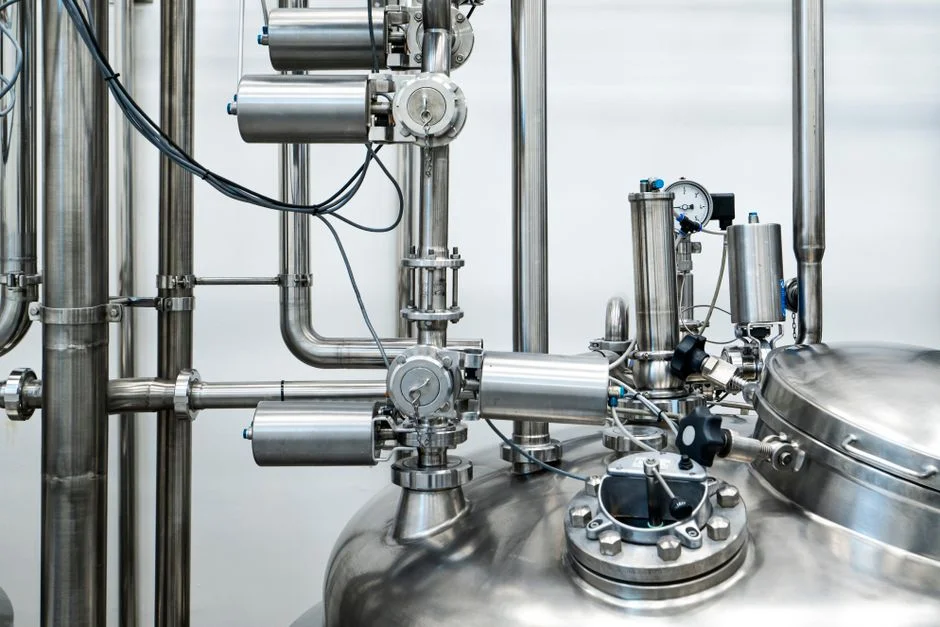
Comparable bids require one common design basis that records each wastewater stream, its hydraulic contribution, the treatment objective, the discharge or reuse destination, site constraints, and applicable permit requirements. HydropureWater’s supplier-screening guidance specifically calls for stream-by-stream flows, normal and peak operating periods, representative wastewater analyses, reuse or discharge destination, site constraints, and permit requirements.
Do not award on nominal capacity alone. Ask each bidder to demonstrate that its proposed route meets the verified hydraulic duty, treatment objective, and operating conditions. The hotel A/O, MBR and DAF selection guide provides a useful structure for separating treatment stages, but project-specific analysis remains necessary.
| Buyer input or requirement | Bid response to request | Acceptance evidence |
|---|---|---|
| Stream-by-stream flows and analyses | Identify equipment included, excluded, sized and not sized | Design calculations linked to the agreed design basis |
| Discharge point or reuse objective | State the treatment train and required final quality | Defined performance tests and acceptance criteria |
| Site and flood constraints | Confirm excavation, access, drainage, utilities and flood-protection assumptions | Drawings, method statements and supplier clarifications |
| Engineering and installation scope | Separate design, supply, civil works, installation, commissioning and training | Excluded-work list and priced responsibility matrix |
| Testing and commissioning | Define factory and site performance tests | Agreed protocols, witnesses and documented results |
| Service and handover | State local service capacity, commissioning support, spares, training, warranty and handover documents | Named personnel, schedule, spares list and training records |
| Relevant experience | Provide wastewater references and membrane or biological-process experience relevant to hotel wastewater | Reference list and project descriptions |
This checklist should travel with the request for quotation. It gives bidders enough information to propose comparable equipment and gives the reviewer defined evidence against which to assess the offer.
Frequently Asked Questions
What is the best wastewater treatment system for a Havana hotel in 2026?
There is no universal technology established by the supplied research. Select public sewer if connection and approval are feasible; consider a buried A/O package plant when the treatment objective and site conditions match; consider MBR when verified treated-water quality or reuse requirements justify the additional process complexity.
How much should a Havana hotel wastewater treatment system cost?
The supplied research provides no verified hotel-specific price, so a generic price would not support a sound budget. Request an itemized quotation covering equipment, civil works, installation, commissioning, controls, local service, critical spares, training, warranty, and site-specific constraints. Compare lifecycle and acceptance obligations, not unit price alone.
How do we size an A/O package plant or MBR for a Havana resort?
Size from verified normal and peak flows for each wastewater stream, together with representative analyses, the treatment objective, and operating conditions. Supplier-listed capacities of 1–80 m³/h for the buried A/O plant and 10–2,000 m³/day for MBR are equipment ranges reported by HydropureWater, not a project sizing conclusion. Use the A/O and MBR hotel selection worksheet to collect consistent inputs before asking vendors to size equipment.
What approvals and supplier checks are needed before ordering?
Confirm the current sewer route, pretreatment requirements, discharge point, reuse rules, and permits with the relevant Cuban authorities because the supplied research does not state them. Before award, require relevant wastewater references, defined engineering and installation scope, factory and site performance tests, commissioning criteria, local service capacity, critical spares, operator training, warranty terms, and handover documents. The packaged MBR sizing and acceptance guide can support that review, but local authority confirmation remains necessary.