Start with the symptom: isolate the failing drive subsystem
Bridge drive clarifier maintenance should start with the observed symptom and proceed through a focused inspection before anyone opens, drains, or replaces the mechanism. Condensate or rust points to water intrusion; abnormal noise or heat suggests bearing distress; lubricant leakage points to seals; excessive chain slack indicates tension or sprocket-alignment problems. A torque-control malfunction requires immediate repair because WesTech Engineering states that a malfunction can cause catastrophic damage to the drive and clarifier. The decision is then straightforward: correct the condition in place, rebuild the drive, or evaluate replacement, and schedule the next inspection in the CMMS.
Begin by recording the operating symptom, its first appearance, recent rainfall or high-flow events, the last lubrication service, and whether the mechanism can be stopped safely. Do not repeatedly reset a torque trip without identifying the load that caused it. Debris, a binding rake, a shifted scraper, or a strip-liner problem can increase resistance and turn a control-system fault into mechanical damage.
| Observed symptom | First subsystem to check | Fastest diagnostic | Initial decision |
|---|---|---|---|
| Condensate, rust, or corrosion | Drive housing and drainage | Inspect the drain and measure how quickly condensate accumulates | Drain and correct water ingress; escalate if corrosion affects structural or gear surfaces |
| Abnormal noise or notable heat | Main bearing, reducer bearing, or strip liner | Stop and inspect; compare bearing temperature, noise, and drive height | Service if the cause is localized; rebuild if bearing or liner damage is established |
| Oil or grease leakage | Seal, housing joint, or lubricant reservoir | Locate the leak and inspect the oil or grease condition | Replace the seal if the OEM permits continued operation; inspect for lubricant loss |
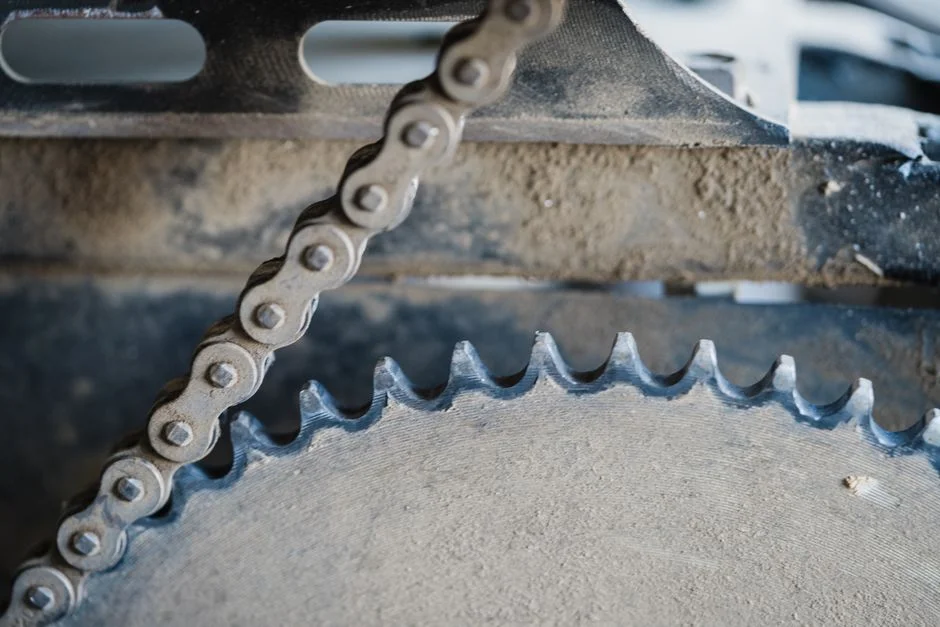
| Excessive chain slack or chain tracking | Drive chain and sprockets | Check sprocket alignment with a straightedge and measure midpoint slack | Lubricate, align, and tension if correctable; inspect worn chain and sprockets before service |
| Torque trip or failed alarm | Torque-control mechanism | Exercise the manual bypass through the visual indicator and verify alarm and motor cutout | Repair the torque-control mechanism immediately |
Before requesting a supplier assessment, assemble the clarifier diameter, drive type, torque rating, gearbox model, serial number, operating symptom, failure history, lubricant condition, maintenance history, and expected operating hours. Include photographs of the symptom and access arrangements. This creates the basis for a primary clarifier maintenance guide review without turning the drive into an unsupported replacement assumption.
Perform the weekly drive checks before escalation
Weekly checks should determine whether a fault remains a routine service item or has progressed into a rebuild decision. WesTech Engineering identifies condensate removal as the most critical drive-maintenance action because accumulated moisture can corrode the main gear and bearing. Drain condensate at least weekly and more often in high-rainfall or high-humidity conditions, while recording the accumulation rate to establish the site-specific interval.
- Drain condensate and inspect the housing for active rust, leakage, or blocked weep paths.
- Check every oil sight glass or dipstick, inspect lubricant cleanliness, and grease reducers and bearings according to the applicable manufacturer schedule.
- For chain drives, lubricate the chain weekly and inspect sprocket alignment with a straightedge.
- Measure chain slack at the midpoint. WesTech Engineering states that a properly tensioned chain should have no more than about 1 inch of slack.
- Record every observation before deciding whether the drive can remain in service.
The lubricant interval must come from the drive configuration and OEM schedule. WesTech Engineering recommends draining and replacing main-gear oil every 6 months for conventional oil-lubricated drives. HydropureWater’s primary clarifier maintenance guide gives a 12–18 month interval, or sooner when moisture appears. Treat the shorter applicable interval as the operating requirement until the OEM confirms otherwise. Grease-lubricated designs are different: WesTech Engineering notes that their continuously draining housings eliminate oil changes, but they still require the prescribed grease-service checks.
| Checkpoint | Frequency | Required record | Escalation trigger |
|---|---|---|---|
| Condensate drainage | At least weekly; more often where accumulation is rapid | Volume drained and housing condition | Corrosion, recurring water ingress, or moisture in conventional oil |
| Oil and grease checks | Weekly, with lubrication at OEM-specified intervals | Level, cleanliness, leakage, and replenishment | Low level, free water, contamination, or abnormal consumption |
| Drive-chain service | Weekly | Lubrication, sprocket alignment, and midpoint slack | Misalignment, excessive slack, damaged chain, or sprocket wear |
| Main-gear oil replacement | 6 months for conventional oil-lubricated drives per WesTech Engineering | Drain date, replacement oil, and contamination observed | Use the shorter OEM or site interval when applicable |
| Mechanism inspection | Annual, per WesTech Engineering | Gear, bearing, seal, chain, sprocket, liner, and torque-control findings | Any finding requiring teardown, repair, or a rebuild assessment |
A weekly check that resolves the symptom should still generate a dated work-order record. Record the corrective action, responsible person, lubricant used, measured values, and next due date. That closes the loop and prevents the same apparent “maintenance issue” from returning without a technical record.
Test the overload protection and inspect the drive train
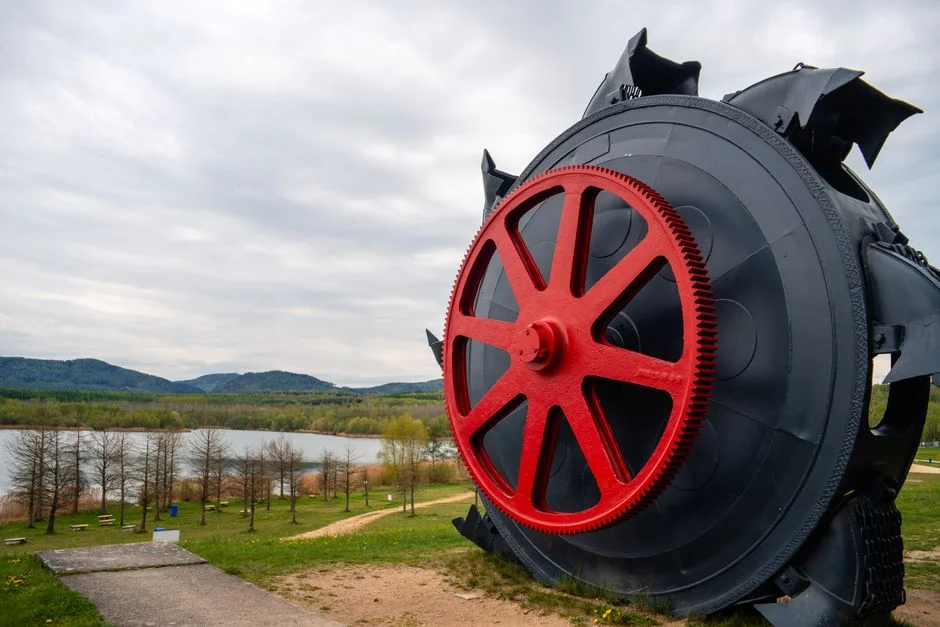
A functional torque-control test confirms that the bridge drive can distinguish normal operating torque from a mechanical overload. With the drive running, work the manual bypass through the range of the visual torque indicator. Confirm that the torque alarm and motor cutout operate at the designated torque levels. WesTech Engineering states that a failed torque-control mechanism should be repaired immediately because it can permit catastrophic damage to the drive and clarifier.
Record the test result, bypass range, alarm response, cutout response, and any deviation from the designated setting. Do not use repeated bypass operation to keep a jammed mechanism running. If the torque system does not perform as intended, isolate the drive under the plant’s safe operating procedure and raise a corrective work order.
Inspect the reducer, main gear, bearings, seals, sprockets, chain, and strip liners. Worn seals allow oil or grease to escape; worn bearings generate noise or heat. WesTech Engineering directs operators to replace worn seals and bearings according to the manufacturer’s instructions. Excessive noise, notable heat, or a lowering of the top of the drive may indicate strip-liner wear, and the lowered drive can allow scrapers to drag on the clarifier floor.
HydropureWater’s 2026 primary clarifier maintenance guide recommends annual torque-sensor calibration and notes that many drives require a professional rebuild after about 7–10 years of continuous service, with earlier intervention under heavy grit loading. Treat that interval as a planning input, not permission to defer a current failure. For industrial applications, the clarifier selection for mining and metals wastewater guidance should be linked to an assessment of abrasive grit loading rather than used as a general service interval.
The drive-train inspection should conclude with one of three outputs: continue routine service, perform a defined corrective repair, or initiate a drive rebuild assessment. If the inspection cannot explain the noise, heat, leakage, or height change, stop short of a component-level replacement decision and obtain an equipment-level assessment.
Decide between service, rebuild, and replacement
Choose in-place service when the fault is confined to condensate drainage, lubrication, chain tension, seals, or a correctable alignment issue, and the OEM permits continued operation. The work order should state the observed condition, the exact adjustment or part replacement, the acceptance check, and the next inspection date. Service is not appropriate simply because it is faster; it requires a defensible cause and a post-work test.
Choose rebuild when the inspection establishes substantial gear, bearing, drive, or structural work while the existing mechanism remains repairable. Sentry Equipment states that its Rebuild-It service provides complete retrofitting and repair services for existing clarifiers. A rebuild assessment should include the evidence behind that decision: oil contamination, bearing condition, gear inspection, strip-liner condition, alignment findings, and expected remaining service life.
Choose replacement when rebuilding is not a viable option or when the available drive cannot be restored reliably within the required operating window. Sentry Equipment reports that its drop-in replacement drives can return many clarifiers to operation in as little as 2 weeks. That is a reported supplier capability, not a guaranteed lead time; the buyer must confirm availability, compatibility, and outage duration for the specific mechanism.
| Decision | Choose it when | Required proof | Work-order output |
|---|---|---|---|
| Service in place | The failure is isolated, minor, and correctable without material machinery damage | Inspection identifies a drainage, lubrication, seal, tension, or alignment cause | Corrective task, acceptance test, and next inspection date |
| Rebuild | Substantial gear, bearing, drive, or liner work is required, but repair remains viable | Teardown findings, component condition, OEM requirements, and access constraints | Rebuild scope, parts list, outage plan, inspection hold points, and commissioning test |
| Replacement | Rebuild is not viable or cannot deliver the required return-to-service outcome | Compatibility review, condition assessment, access plan, and confirmed lead time | Specification, approved supplier, delivery date, installation plan, and acceptance criteria |
Access can materially alter the decision. Ovivo states that its Jackbolt drive can be assembled from the access platform without dewatering the clarifier, with complete assembly typically performed within an eight-hour shift using a small engine hoist or portable gantry crane. This design information should be compared with the access and outage constraints of the installed drive, not applied to every mechanism.
Request quotations with clarifier diameter, drive type, torque rating, gearbox model, serial number, failure history, access constraints, expected operating hours, and the required return-to-service date. If the mechanism is driven by a chain, include chain and sprocket condition. If grit or abrasive solids are present, state the observed loading because HydropureWater identifies grit load as a factor that can shorten rebuild intervals. Upstream screening may also need review; a rotary mechanical bar screen for upstream debris removal may be relevant where debris can reach the clarifier mechanism.
Build a work order that reduces repeat failures
A useful work order converts the diagnosis into scheduled tasks, named ownership, measurable acceptance criteria, and a date for the next inspection. Assign weekly condensate drainage, oil-level checks, chain lubrication, and alignment checks to operating personnel. Keep the annual mechanism inspection and torque-control verification as separate CMMS tasks so neither is lost inside a general preventive-maintenance entry.
For each work order, include the symptom, subsystem checked, readings or observations, corrective action, parts or lubricant used, post-maintenance test, and next due date. The recurring record should include torque-trip tests, lubricant condition, vibration observations, chain slack, bearing temperature, seal leakage, and any change in the top of the drive. If the plant uses a vibration threshold, identify the approved threshold and its source in the work order; otherwise record the observation and escalation rule without inventing an acceptance limit.
Link the drive work order to the broader mechanism inspection so that water, lubrication, alignment, and debris findings are evaluated together. Sentry Equipment states that an existing clarifier drive may be rebuilt, while HydropureWater identifies grit load as a factor that can shorten rebuild intervals. Use upstream screening and debris-control status as part of the repeat-failure review rather than treating the drive repair as the only corrective action.
A closed work order has five outputs: confirmed cause, completed correction, acceptance test, next scheduled inspection, and named owner. If the cause is not confirmed, the output is a rebuild or replacement assessment—not a parts order based on assumption.
Set escalation triggers before the next outage: repeated torque trips, continued lubricant loss, increasing heat or noise, corrosion spreading beyond the housing surface, or unexplained loss of drive height. These findings should move the bridge drive into the rebuild assessment queue and keep the return-to-service decision visible to operations and maintenance.
Frequently Asked Questions
When should a clarifier bridge drive repair be scheduled?
Schedule a corrective repair when inspection identifies a correctable fault such as seal leakage, chain tension, alignment, lubrication, or drainage, provided the OEM permits continued operation. Escalate to a rebuild assessment when inspection establishes substantial bearing, gear, liner, or drive damage, or when the symptom cannot be explained. A torque-control malfunction should be repaired immediately, according to WesTech Engineering, because it can lead to catastrophic damage.
How should an operator choose a supplier for a drive rebuild assessment?
Choose a supplier that can demonstrate relevant clarifier-drive experience and request a complete condition package: clarifier diameter, drive type, torque rating, gearbox model, serial number, failure history, maintenance history, oil condition, access constraints, and expected operating hours. Require the proposal to distinguish diagnostic work, rebuild scope, possible replacement, acceptance testing, and schedule. Do not compare quotations until their scopes and access assumptions are aligned.
When is replacement preferable to rebuilding a clarifier drive?
Prefer replacement when rebuilding is not technically viable, the condition cannot be restored reliably, or the available alternative cannot meet the required return-to-service date. Sentry Equipment reports that its drop-in replacement drives can return many clarifiers to operation in as little as 2 weeks, but the buyer must request a model-specific lead time rather than treat that figure as guaranteed. Compare that timing with the installation access and outage plan.
What operating risk should be escalated before the next bridge-drive inspection?
Escalate a torque trip or failed cutout, repeated lubricant loss, notable heat, excessive noise, spreading corrosion, excessive chain slack, or lowering of the top of the drive. Do not bypass the torque control to continue normal operation after a failed test. Use the plant’s operating procedure to isolate the mechanism safely, and attach the test result, observations, and corrective plan to the next scheduled inspection.