A practical set of primary clarifier maintenance expert steps covers seven recurring tasks. Inspect weirs and clean launders weekly, measure sludge blanket depth daily, and service sludge-removal hardware every 6 months. Overhaul the drive annually, replace suction seals every 2–3 years, control algae with opaque covers, and drain the tank for a full mechanical inspection every 12–18 months. These controls limit short-circuiting and support typical primary Total Suspended Solids (TSS) removal of 50–65% under design hydraulic loading.
Why Primary Clarifier Maintenance Prevents Costly Downtime
Primary clarifier downtime raises permit risk when unsettled solids overload secondary treatment within hours of a drive or rake failure. Well-run primary tanks typically remove 50–65% of TSS and 20–35% of BOD5 at design overflow rates. When TSS removal falls below about 40%, aeration demand rises and septic blankets can float solids over the weir.
Earlier guidance cited Clean Water Act civil penalties of up to $10,000 per day.Judicial civil penalties under 33 U.S.C. 1319(d) reach $68,445 per day under the same adjustment. Industry data indicates that drive failure accounts for 40% of unplanned clarifier outages (WesTech Engineering, 2016). Beyond immediate repair costs, which can exceed $50,000 for large drive assemblies, plants may bypass primary treatment or overload remaining units.
A well-maintained clarifier can operate for 30–40 years, whereas a neglected unit may need a full structural rebuild in less than 15 years from corrosion and mechanical strain. Operators who log blanket depth, weir condition, and drive torque shift from reactive outages to scheduled work during low-flow windows.
How Do You Select a Clarifier System?
Clarifier selection for industrial wastewater starts with solids character, oil and grease fraction, and available footprint. Also decide whether primary settling must precede biological treatment or stand alone. Conventional primary circular or rectangular tanks suit settleable mineral and organic solids when hydraulic peaks are controlled; industrial peaks require derating of surface area. Secondary clarifiers after activated sludge target interface settling and often capture ≥99% of mixed-liquor TSS under design conditions (EPA Operator Webinar, 2023).
When footprint is tight or solids are light and floatable, a compact lamella clarifier for high-rate solids separation or a Dissolved Air Flotation (DAF) System often outperforms plain gravity settling. Lamella packs raise effective settling area; DAF attaches microbubbles to fat, oil, and fine solids. Pair either option with upstream screening—such as a rotary mechanical bar screen—so rags and grit never jam the sludge mechanism.
What Design Criteria Matter Most?
Design criteria for primary versus secondary, lamella, and DAF units should be checked against measured influent TSS, settleability, temperature, and peak-to-average flow ratio before sizing. Key gates include surface overflow rate, weir loading, hydraulic detention time, sludge withdrawal concentration, and whether chemical coagulation is needed for fine colloids. Fresh wastewater settles better than septic wastewater; warm water aids settling more than cold water; irregular light particles drag more and need lower overflow rates (EPA Operator Webinar, 2023).
- Confirm settleable fraction with jar or Imhoff tests at plant temperature.
- Size surface area on peak hour flow, not average day alone.
- Set weir length so local velocities do not scour the blanket.
- Specify rake or suction capacity for the expected underflow solids mass.
- Decide gravity primary, lamella, or DAF from oil/grease and footprint limits.
- Protect drives with headworks screening and grit removal.
- Plan drain-down access for 12–18 month internal inspections.
Primary Clarifier Maintenance Expert Steps
The following primary clarifier maintenance expert steps form a closed loop from weekly effluent hygiene to multi-year drive rebuilds. Each interval below assumes continuous industrial or municipal service; shorten intervals when grit, fiber, or corrosive chemistry is high.
Step 1: Inspect and Maintain the Effluent System Weekly
Effluent weir levelness must stay within ±1/8 inch around the full tank circumference so flow does not prefer one arc and pull solids upward. Unlevel weirs create short-circuiting: high local velocity lifts solids from the blanket into the launder. Use a transit or laser level annually, and walk the weir weekly for debris, shifting brackets, or uneven notches.
Clean V-notched weirs and launders weekly with stiff brushes to remove biofilm and grit. Algae and slime change notch geometry and unbalance flow. A low-dose chlorine wash at 1–2 ppm during cleaning slows regrowth in open tanks. Opaque launder covers can cut algae formation by up to 90% (WesTech) and cut scrubbing labor. Inspect the scum baffle for gaps so oils, grease, and plastics cannot escape into the effluent, protecting downstream units described in the 7-step maintenance guide for advanced secondary treatment systems.
Step 2: Monitor and Control Sludge Blanket Depth Daily
Ideal sludge blanket depth in a circular primary clarifier is 2–4 feet, giving thickening time without carryover. Measure daily with a sludge judge, weighted tape, or ultrasonic blanket sensor. Above about 5 feet, fermentation gases can float clumps to the surface. Raise withdrawal promptly, but avoid rat-holing that pulls thin water through the blanket and floods dewatering.
Blankets shallower than about 1 foot dilute the underflow and inflate solids-handling volume. Uneven depth side-to-side often signals rake wear or influent-well imbalance. Short-circuiting also follows poor sludge removal or leaky internal seals (WesTech). Daily logs calibrate pump run times and stabilize feed to the plate and frame filter press.
Step 3: Service the Sludge Removal System Every 6 Months
Squeegee blades on rake arms need inspection every 6 months and adjustment to about a 1/8-inch floor gap so solids reach the hopper. Worn or bent blades leave a stale floor layer that turns septic and odorous. Check fasteners and rake members for corrosion or stress cracks at the same interval.
On suction-header clarifiers, replace rotating seals every 2–3 years so the header pulls floor sludge rather than clarified water. Flush riser pipes and orifices annually where fiber or plastic is present. HydropureWater field practice uses a 5–10 psi flush for about 30 minutes to clear blockages without damaging seals.
Step 4: Maintain the Clarifier Drive Assembly Annually
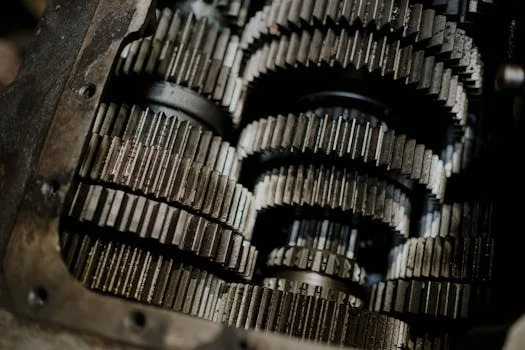
Clarifier drive assemblies fail into immediate full-unit downtime because low-RPM, high-torque gearboxes strip quickly when lubrication is contaminated. Check oil level and sample for water or metal monthly; change oil every 12–18 months or sooner if moisture appears. Grease bearings on the manufacturer schedule, and run vibration analysis about every 6 months against a threshold near 0.3 in/sec RMS.
Calibrate torque overload sensors annually so the motor trips at 100% design torque before arms bend. Inspect bull gear and pinion mesh and lubrication. Most drives need a professional rebuild every 7–10 years depending on runtime and grit load (Evoqua webinar guidance cited in plant practice). Upstream screening remains the cheapest insurance for the drive train.
| Component | Action | Frequency | Threshold/Target |
|---|---|---|---|
| Gearbox Oil | Check & Sample | Monthly | No water/metal flakes |
| Drive Lubrication | Grease Bearings | Quarterly | Per manufacturer spec |
| Oil Change | Full Replacement | 12–18 Months | Synthetic or ISO 220 grade |
| Vibration Analysis | Measurement | 6 Months | < 0.3 in/sec RMS |
| Torque Sensor | Calibration | Annually | Trip at 100% design torque |
| Drive Assembly | Major Rebuild | 7–10 Years | Factory tolerances |
Step 5: Conduct Comprehensive Mechanical Inspections Every 18 Months
Draining the clarifier every 12–18 months enables a structural audit that cannot be done while flooded. After pressure washing, inspect concrete or steel floors for erosion, hopper sediment, spalling, or exposed rebar at the waterline. On steel tanks, ultrasonic thickness readings flag wall loss before leaks appear.
Verify rotating clarifier mechanism alignment; misalignment greater than about 2° needs correction to protect the main bearing. Inspect the influent well and center column so turbulence does not destroy the settling zone. Budget repairs into planned outages rather than peak-flow emergencies—the same discipline used in a complete DAF system maintenance protocol for industrial applications.
Step 6: Prevent Algae and Corrosion with Coatings and Covers
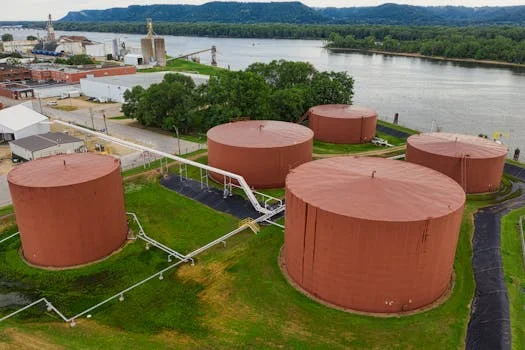
Corrosion, erosion, and chemical attack shorten clarifier life faster than most mechanical wear. Apply high-performance epoxy to launders, weirs, and carbon-steel parts to protect metal and reduce biofilm stickiness. Where chlorides are high or pH swings are wide, upgrade weirs, baffles, and squeegee holders to Type 304 or 316 stainless steel.
Opaque launder covers remain the most durable algae control because they remove sunlight. Labor savings often recover cover cost within 24–36 months. Touch up bridge and drive housings so rust scale does not flake into the tank. Material selection and coating integrity are the main barriers against early capital replacement.
Step 7: Optimize Performance with Automation and Sensors
Ultrasonic blanket sensors tied to a PLC can cut manual blanket checks substantially while holding underflow more steady. Typical setpoints start withdrawal near 4 feet of blanket and stop near 2 feet, reducing over-pumping and rat-holing. Remote torque and amperage trends flag binding weeks before a trip.
Load-responsive coagulation helps when upstream dumps spike TSS. An automated chemical dosing to stabilize influent load can raise coagulant dose with flow or turbidity and protect settling during upsets. Align dosing maintenance with the 12-step maintenance protocol for chemical dosing systems. Where floatable oils dominate settleable solids, evaluate adding a Dissolved Air Flotation (DAF) System upstream or in parallel rather than forcing gravity primary alone.
Troubleshooting Common Primary Clarifier Problems
Primary clarifier troubleshooting should separate hydraulic, biological, and mechanical causes before changing pump rates or chemicals. Use the symptom table below as a first-pass decision aid during an upset.
| Symptom | Potential Cause | Recommended Fix |
|---|---|---|
| Solids carryover in effluent | High sludge blanket or high influent flow | Increase sludge withdrawal rate; check for hydraulic surges. |
| Cloudy effluent (high turbidity) | Weir blockage or algae growth | Clean weirs/launders; check weir levelness; install covers. |
| Drive overload alarm | Misalignment, heavy sludge, or jammed rake | Check alignment; check for debris; decrease blanket depth. |
| Uneven sludge removal | Worn squeegees or leaking suction seals | Adjust squeegee height; replace seals in suction units. |
| Floating sludge clumps | Septic sludge (blanket too deep/old) | Increase pumping frequency; check for rake arm "dead spots." |
| Odors (Rotten egg/Sulfur) | Anaerobic conditions in the hopper | Flush sludge lines; increase withdrawal; clean scum pits. |
Who this is for: plant engineers and O&M leads running circular or rectangular primary clarifiers who need a fixed inspection calendar. Who should look elsewhere: sites that rely only on DAF or lamella without a gravity primary should start with OEM manuals. Next step: map the seven intervals onto your CMMS with owners and spare-seal lead times. Request a sizing review if carryover persists at design flow.
Frequently Asked Questions
How often should you clean a primary clarifier weir?
Clean primary clarifier weirs and launders every week with stiff brushes and, where permitted, a 1–2 ppm chlorine rinse. Weekly cleaning keeps notch geometry true so flow stays even around the tank. Skipping weeks lets algae and slime reshape V-notches and create localized high-velocity pull on the sludge blanket. Pair cleaning with a quick scum-baffle check so floatables cannot reach the effluent channel.What causes short-circuiting in a primary clarifier?
Short-circuiting usually comes from unlevel effluent weirs, leaky suction-header seals, or influent velocity that punches through the settling zone. Water then exits without the design detention time, carrying TSS into secondary treatment. Confirm weir elevation within ±1/8 inch, verify seal condition on suction units, and check the influent well for damage or loose baffles. Uneven blanket depth is an early field clue.How do you prevent algae in clarifier launders?
Opaque launder covers are the most effective long-term algae control because they block the sunlight algae need. Weekly mechanical cleaning plus low-dose chlorine during washdowns slows remaining growth on open weirs. Covers often pay back in 24–36 months through lower scrubbing labor and more stable effluent TSS. Epoxy-coated launder surfaces also reduce biofilm attachment between cleanings.When should you rebuild a clarifier drive?
Plan a major clarifier drive rebuild about every 7–10 years of continuous service, sooner if grit load is high. Schedule immediate teardown if vibration exceeds about 0.3 in/sec RMS or if oil samples show metal flakes or free water. Annual torque-sensor calibration and 12–18 month oil changes extend gearbox life between rebuilds. Keep a screened headworks so rags never jam the rake and spike torque.What is the ideal sludge blanket depth in a primary clarifier?
Keep the primary sludge blanket about 2–4 feet deep in typical circular tanks. Depths above roughly 5 feet raise the chance of gas flotation and solids carryover; depths under about 1 foot produce thin underflow that burdens thickening and dewatering. Measure daily with a sludge judge or ultrasonic sensor and trim pump run time to the logged band. Side-to-side unevenness warrants a rake and influent-well check.
Related Equipment
- compact lamella clarifier for high-rate solids separation — view specifications, capacity range, and technical data
Need a customized solution? Request a free quote with your specific flow rate and pollutant parameters.