Set the Groton Site Constraints Before Comparing Processes
Industrial membrane bioreactor (MBR) technology is suitable for mining and metals wastewater in Groton when compact solids separation, water reuse, and reduced dependence on gravity settling justify membrane lifecycle costs. Conventional activated sludge (CAS) may be more economical when the flow is dilute and usable aeration and clarification assets already exist. Neither process independently removes dissolved metals, so both require upstream precipitation, equalization, pH control, and appropriate screening. Use current permit terms and a 60–90 day trial with actual mine water before selecting equipment; commercial screening assumptions are not site-specific guarantees.
Lock the site constraints before comparing reactor types. Record average and peak flow, available footprint, reuse or zero-liquid-discharge requirements, the condition of existing aeration and clarification assets, the discharge route, and current permit terms. Test for abrasive pulp, salinity, dissolved-metal pulses, hydraulic surges, and reagent-derived oxygen demand because each variable can affect biology, settling, equipment wear, or membrane fouling.
The available evidence provides general process guidance and commercial screening assumptions, not verified Groton-specific permit conditions or mine-water characterization. Treat the following matrix as a site worksheet, then replace each blank with measured, permitted, or documented information.
| Site input | Record or verify | Why it can reverse the preliminary choice |
|---|---|---|
| Flow | Average, peak, and surge conditions | Determines hydraulic loading and whether compact separation is worth the added membrane controls. |
| Footprint | Available area and expansion constraints | A constrained site can favor MBR; usable legacy assets can favor CAS or a hybrid. |
| Reuse objective | Required quality, quantity, and destination | Reuse polishing and brine handling can change the whole-life case. |
| Influent | Metals, salinity, abrasives, toxicity, and oxygen demand | Indicates whether pretreatment must precede the biological process. |
| Existing assets | Aeration, basins, clarifiers, controls, and remaining service life | Reduces the capital and operational case for replacing CAS equipment. |
| Compliance | Current permit and discharge route | Controls the required treatment and reuse-polishing boundaries. |
Use the MBR cost-per-m3 guide for the initial screening structure, not as a substitute for site data.
Compare MBR and Conventional Activated Sludge
MBR separates biological solids on submerged membranes, meaning effluent separation does not depend on gravity settling, whereas CAS relies on aeration, floc formation, secondary clarification, and controlled sludge wasting. HydropureWater’s 2026 commercial comparison identifies MBR as the stronger initial screening choice below 2,000 m³/day and below 500 m² when reuse or zero-liquid discharge is required. This is a screening position, not a Groton approval criterion.
| Decision factor | Industrial membrane bioreactor | Conventional activated sludge |
|---|---|---|
| Biological solids separation | Retained on submerged membranes; no secondary clarifier required for solids separation. | Requires floc formation and gravity separation in a secondary clarifier. |
| MLSS context | 8,000–12,000 mg/L. | 2,000–4,000 mg/L. |
| SRT context | 30–60 days for mining MBR service. | 1–5 days for nitrifying CAS; 5–15 days for non-nitrifying CAS. |
| Main advantage | Compact separation and reuse readiness. | Lower screening cost where aeration and clarification assets are usable and flow is dilute. |
| Main risk | Membrane fouling, cleaning, replacement, and recovery performance. | Clarifier settling and loss of removal efficiency after shocks. |
The MLSS and SRT figures above come from HydropureWater’s 2026 commercial comparison; they are design contexts for screening, not guarantees for Groton mine water. The same source claims CAS can lose 30–60% of removal efficiency during the 24–72 hours after a metal pulse because contaminant-bearing floc does not settle consistently. Treat that as a commercial assertion requiring confirmation during site testing, not as a measured performance record.
Use a conditional decision to select the process. If the site has a constrained footprint, a defined reuse destination, and influent that can be controlled before the membrane, put MBR on the shortlist. If the flow is dilute, aeration and clarifiers remain usable, and separation requirements do not justify membrane lifecycle costs, compare CAS and a hybrid train. The MBR and activated-sludge comparison supports this screening logic, while actual mine-water pilot results must control the award.
Build the Complete Metals Treatment Train
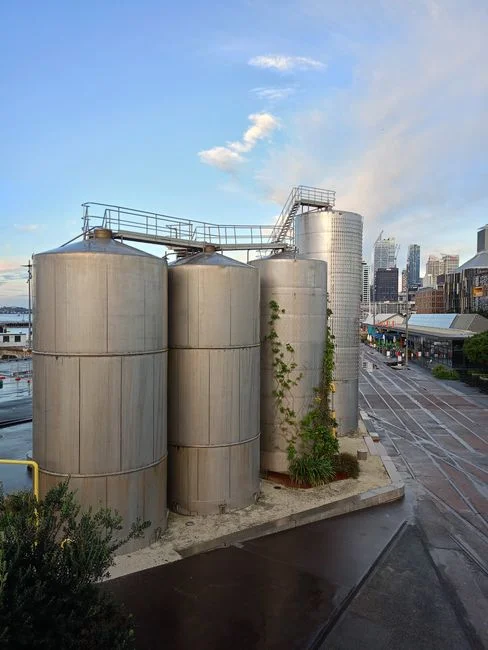
The bioreactor is one step in the treatment train, not a substitute for dissolved-metals removal. Map the train around equalization, precipitation, pH control, fine screening, biological treatment, solids separation, and any polishing required by the receiving application. The sequence must address both contaminant type and variability: dissolved metals may require precipitation and controlled pH, while suspended solids and abrasive pulp can foul equipment or impair settling.
Make the process boundary explicit. The verified HydropureWater product catalog describes an integrated submerged-PVDF MBR system with filtration below 1 μm; that specification is not a dissolved-metals removal guarantee. Sub-micron filtration separates fine solids, but it does not remove dissolved metal species that remain in the water phase.
Include MBR waste sludge in the complete mass balance and disposal plan. Sludge volume, solids content, metal content, chemical additions, and destination must be established using representative mine water. If the reuse application requires additional polishing, include that unit process in both the technical boundary and the cost comparison rather than treating it as an incidental downstream item.
For pretreatment selection, use the mining wastewater pretreatment comparison to evaluate clarification alternatives, and review whether a DAF pretreatment system is appropriate for the actual solids and metals load. Pilot chemistry and solids behavior should decide the unit operation; a generic pretreatment choice can shift fouling, sludge production, and compliance risk downstream.
Test the Whole-Life Cost Case
MBR’s separation and reuse benefits must offset its stated cost premium over the evaluation period. HydropureWater’s 2026 commercial estimates place MBR capital cost at roughly 20–40% above equivalent-flow CAS and operating cost at 15–30% higher per cubic metre. These are commercial screening assumptions for a comparison, not Groton quotations or guaranteed project costs.
| Cost or value input | Screening evidence | Procurement evidence to request |
|---|---|---|
| Capital cost | HydropureWater’s 2026 comparison estimates MBR capital cost at roughly 20–40% above equivalent-flow CAS. | Itemized installed quotation, site preparation, controls, pretreatment, piping, and omitted works. |
| Operating cost | The same comparison estimates MBR operating cost at 15–30% higher per cubic metre. | Energy, membrane cleaning, chemicals, labor, aeration, clarification, sludge handling, and disposal. |
| Recovered water | For the supplied 1,000 m³/day example, MBR becomes more attractive when purchased-water or brine-disposal value exceeds roughly $2/m³. | Actual water value, disposal cost, reuse yield, and the buyer’s valuation method. |
| Electricity | The comparison discusses $0.07/kWh and $0.09/kWh. | Site tariff, expected operating profile, peak demand, and blower or pumping assumptions. |
Build the cash-flow comparison on the same flow, water-quality definition, labor basis, sludge-disposal route, and evaluation period for both bids. Request membrane material, replacement intervals, cleaning chemicals, energy, aeration, clarification, sludge handling, disposal, and recovered-water value separately so that assumptions remain visible. If usable existing assets and lifecycle economics outweigh compact separation and reuse benefits, compare a hybrid or conventional alternative rather than defaulting to MBR.
The 2026 MBR cost-per-m3 guide supplies the screening assumptions; the award model should use current supplier quotations and Groton operating data.
Turn the Site Trial into an Award Checklist
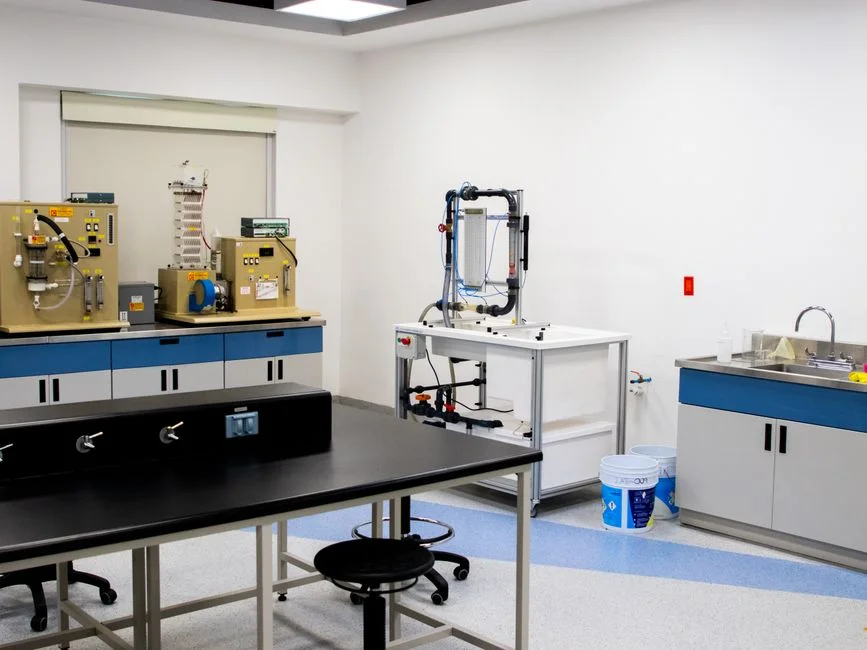
The 60–90 day mine-water pilot should test the assumptions that could change the process selection. Run it with representative actual mine water and evaluate biodegradability, salinity, toxicity, dissolved-metal behavior, membrane fouling, cleaning frequency, normalized flux, recovery, and sludge characteristics. Include normal variability and identified adverse events rather than relying on a single composite sample.
| Stage | Required disclosure or test | Acceptance evidence |
|---|---|---|
| Site characterization | Flow, metals, salinity, abrasives, toxicity, oxygen demand, and permit terms | Representative dataset and current permit review. |
| Mine-water pilot | 60–90 days with actual mine water | Signed pilot report covering biological response, fouling, normalized flux, cleaning, recovery, and sludge. |
| MBR bidder disclosure | Membrane area, material, flux basis, cleaning strategy, replacement assumptions, and recovery | Method statements, guarantees, test records, and priced exclusions. |
| CAS bidder disclosure | Aeration, basin volume, SRT, and secondary-clarifier basis | Design basis, hydraulic calculations, equipment guarantees, and remaining-life assumptions for existing assets. |
| Bid reconciliation | Pilot results compared with commercial assumptions | Documented reconciliation and revised design, pretreatment, or selected process where evidence conflicts. |
| Award condition | Compliance and whole-life cost | Conditional award subject to current permit review, pilot acceptance, and closure of technical and commercial exceptions. |
Make the award conditional rather than accepting a bid that has not reconciled pilot behavior with its guarantees. If pretreatment or the selected process must change, revise the design and price before award. The mining and metals pretreatment guide can support the clarification and solids-handling review, but it does not replace Groton pilot evidence or permit review.
Frequently Asked Questions
How much does MBR cost compared with conventional activated sludge?
HydropureWater’s 2026 commercial comparison estimates MBR capital cost at roughly 20–40% above equivalent-flow CAS and operating cost at 15–30% higher per cubic metre. Request itemized quotations covering membranes, replacements, cleaning, energy, aeration, clarification, sludge, disposal, and recovered-water value; no site-specific price can be inferred from the screening assumptions.
How should MBR and CAS be sized for a Groton mine-water application?
Size only after documenting average and peak flow, variability, reuse requirements, available footprint, influent chemistry, and permit terms. For MBR, require membrane area, material, flux basis, cleaning strategy, replacement assumptions, and recovery; for CAS, require aeration, basin volume, SRT, and secondary-clarifier basis.
What should a 60–90 day mine-water pilot prove?
It should establish biodegradability, salinity and toxicity effects, dissolved-metal behavior, membrane fouling, cleaning frequency, normalized flux, recovery, and sludge characteristics under representative conditions. Results that contradict the commercial assumptions require pretreatment or process revision before award.
When should a buyer select a hybrid treatment train?
Compare a hybrid when usable existing aeration and clarification assets remain valuable but additional solids separation, reuse polishing, or hydraulic control is needed. Make that decision only after the pilot establishes the required process boundary, after current permit review, and after comparing the hybrid’s complete lifecycle cost with MBR and CAS.