Match the Decanter to the Wastewater Treatment Duty
A decanter centrifuge can treat livestock manure slurry from dairy and cattle-feed operations, as well as swine, poultry, lagoon sludge and digester sludge, according to GN’s animal-waste application page. The configuration depends on whether the duty is manure separation or thickening before anaerobic digestion, or dewatering after digestion. GN identifies both positions as suitable for its decanter series. The supplied research supports continuous mechanical separation, but it does not establish a universal capacity or cake-moisture result for animal-feed wastewater.
The mechanical principle determines whether a decanter belongs in the duty. Dolphin, in its Wastewater Centrifuge: Sludge Dewatering Systems Explained, reviewed May 2026, explains that denser sludge moves toward the bowl periphery, where an internal auger transports it to the discharge ports while clarified liquid leaves through the liquid outlet. That arrangement suits a stream requiring bulk solids separation, manure thickening or digestate dewatering. This equipment should not be confused with disc-stack clarification, which Dolphin identifies as a different category for polishing lower-solids water and removing residual oil.
Define the intended output before discussing equipment. For upstream duty, the objective is to recover or thicken manure solids for digestion. For downstream duty, the objective is to dewater anaerobically digested material. When budgeting the selected machine, include the operating consumables and service items associated with sludge thickener spare-parts and consumables costs.
| Process position | Primary separation duty | Decision to establish before quotation |
|---|---|---|
| Before anaerobic digestion | Manure separation or thickening | Confirm whether the objective is solids recovery, feed-solids adjustment or both. |
| After anaerobic digestion | Digestate or digester-sludge dewatering | Confirm the required cake handling and downstream water-use or discharge criteria. |
Characterize the Feed Before Selecting a Centrifuge
A defensible centrifuge proposal starts with a feed-specific data package, not a flow-rate-only enquiry. GN identifies feed materials, feed solids concentrations and manure slurry feed rates as variables affecting centrifuge applicability. Those variables must be stated as operating and sizing inputs, together with the required separation result.
Request average and peak flow, total solids, feed solids percentage, particle-size distribution, debris content and viscosity from the wastewater owner. Also define the required centrate quality: whether the clarified liquid must meet a reuse criterion, enter another treatment process or comply with a site discharge requirement. For animal manure thickening or digestion-feed preparation, state whether the objective is maximum solids removal, a thickening target, reduced digester feed volume or a combination of these.
Dolphin describes livestock-farm manure as a high-sludge wastewater with solids content of up to 50%, reviewed May 2026; this is an application description, not a universal operating range for every manure stream. Use it only as a screening reference. The project feed must still be characterized under normal and peak operating conditions, including representative sampling of the material entering the centrifuge.
A rotary bar screen for manure pretreatment may be appropriate where solids must be rejected before the feed pump and centrifuge. Specify a solids-rejection route and protected feed arrangement rather than treating screen selection as an accessory detail. The rotary bar screen for manure pretreatment should be evaluated against the measured debris and solids characteristics.
| Input to obtain | Why it affects the decision | Owner or supplier responsible |
|---|---|---|
| Average and peak flow | Defines hydraulic loading and the required duty point. | Wastewater owner provides measured data; supplier confirms the selected duty point. |
| Total solids and feed solids percentage | Determines solids loading and the separation basis for sizing. | Wastewater owner characterizes the feed; supplier validates applicability. |
| Particle-size distribution and debris content | Identifies separation limits and pretreatment needs. | Wastewater owner provides characterization; pretreatment supplier sizes screening. |
| Viscosity and feed temperature | Provides operating information for the selected equipment. | Wastewater owner supplies process data; centrifuge supplier confirms effects. |
| Required centrate quality and separation objective | Defines the performance target that can be tested. | Wastewater owner sets the requirement; supplier demonstrates compliance. |
Choose Pretreatment and Flocculant Duties
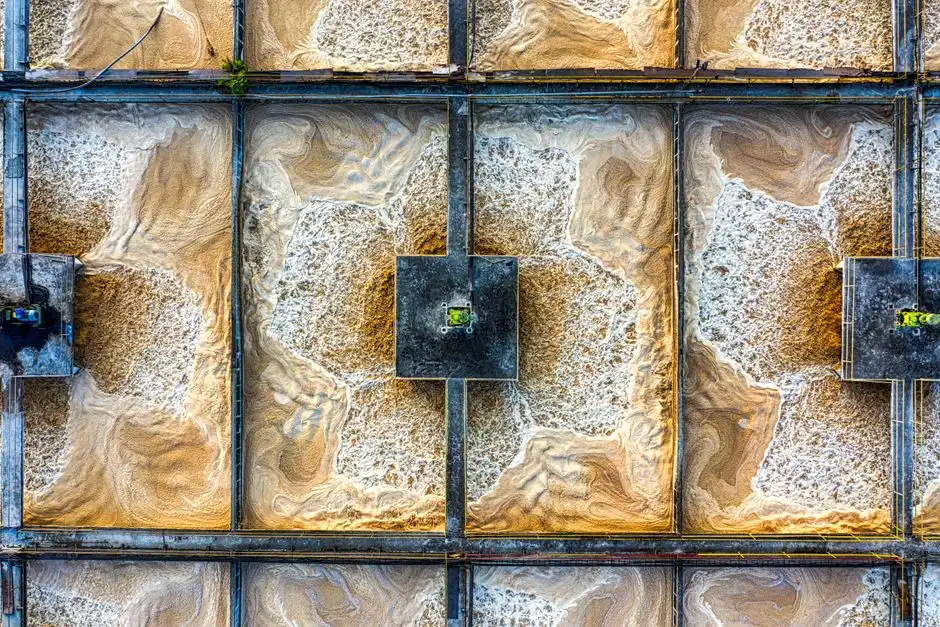
Debris protection is a pass-or-fail design condition for manure-feed centrifuges. GN recommends minor coarse prescreening or maceration for large or miscellaneous debris. The specification should therefore include a solids-rejection arrangement, a protected feed route and a defined interface between pretreatment and the centrifuge feed pump. Whether screening or maceration is preferable depends on the character and quantity of debris identified during feed characterization.
Chemical conditioning should not be presumed necessary. GN states that no polymers or other additives are required for the described manure applications, while polymers can be used when solids-removal levels in the high nineties are required. If the project requires that outcome or a higher centrate quality, evaluate automatic chemical dosing for centrifuge conditioning as a scoped duty, including the chemical, dose-control method, mixing point and operating envelope.
The municipal-sludge study by Archives of Environmental Protection, 2016, demonstrates why dosage must be tested rather than assumed: centrifugation time, centrifugation speed and Praestol 855BS dosage were independent variables in its laboratory comparison using an MPW-350 centrifuge. Those results do not establish the optimum dose for livestock manure slurry or cattle-feed wastewater. Use the study to structure a test matrix, then require confirmation with the actual manure stream.
- Establish an untreated baseline for solids separation and clarified-liquid quality.
- If the target is not met, test a controlled chemical dose with the actual feed.
- Vary the relevant operating conditions while recording the resulting separation performance.
- Define the accepted chemical range and the controls needed to maintain it.
Position the Decanter in the Digestion and Dewatering Train
A decanter can be placed before or after anaerobic digestion, but the two positions solve different process problems. GN supports using a decanter for manure separation or thickening before anaerobic digestion and for dewatering after anaerobic digestion. Choose the upstream position when the project objective is to recover or thicken manure solids before digestion. Choose the downstream position when the objective is to dewater digestate.
Dolphin distinguishes decanter centrifuges for sludge thickening and dewatering from disc-stack centrifuges used to polish lower-solids water or remove residual oil, reviewed May 2026. This equipment-category distinction matters when a project combines bulk manure separation with a later clarification duty: the decanter should not be specified as a substitute for a disc-stack polisher, and the disc stack should not be expected to perform the bulk manure-separation function.
If another dewatering stage is required, compare the resulting cake-handling requirements and installation area against the plate-and-frame filter press option. The evidence supplied does not establish that one technology is universally preferable. Make the decision from the required output, available floor area, downstream cake handling, operating intervention and the performance each supplier is required to demonstrate.
| Selection question | Upstream decanter position | Downstream decanter position |
|---|---|---|
| What is separated? | Manure solids before digestion. | Digested solids after digestion. |
| What is the main benefit? | Solids recovery, thickening or digestion-feed preparation. | Post-digestion dewatering. |
| What must the owner define? | Feed characteristics, digestor feed requirements and solids-recovery objective. | Digestate characteristics, cake-handling route and centrate requirement. |
Set Equipment and Supplier Acceptance Criteria
Supplier selection should be based on a verified duty point and acceptance test, not a maximum-throughput claim alone. Ask each supplier to confirm continuous solids discharge, clarified-liquid separation, auger transport, the feed arrangement and the proposed control system. Dolphin describes continuous operation and automatic PLC and touchscreen controls for its systems in its May 2026 equipment review. Require the supplier to map each proposed function to the customer’s manure-feed duty.
Dolphin’s NX-314 example measures 3 feet by 8 feet by 4 feet high and processes up to 40 GPM of wastewater at 5% sludge, according to the May 2026 source. Treat this as a comparable reference, not a guaranteed selection for another feed. The quoted condition must remain visible in the comparison because feed flow without feed solids does not define the same duty.
Request a quotation that identifies the customer’s feed flow and solids concentration, process position, pretreatment boundary, chemical-conditioning requirement, clarified-water objective and solids-discharge route. The supplier should identify any excluded items, installation dependencies and operating variables that could change performance. For auxiliary items and utility interfaces, use the water-treatment parts, valves and media specification checklist to check that the proposal is complete.
| Acceptance item | Supplier evidence required | Buyer’s decision |
|---|---|---|
| Duty point | Customer-specific flow and solids concentration, not an unqualified maximum. | Accept only if the stated basis matches the characterized feed. |
| Mechanical separation | Confirmation of continuous solids discharge, clarified-liquid separation and auger transport. | Reject if the operating principle or discharge route is not defined. |
| Controls | Proposed sensors, operating modes and control arrangement. | Check that normal and upset conditions are addressed. |
| Performance test | Test method, defined feed, process position and agreed sampling. | Reject if the result is not tied to the project feed and target. |
| Scope boundary | Included equipment, exclusions, utilities and installation requirements. | Compare complete scopes rather than headline prices. |
Frequently Asked Questions
How much does a decanter centrifuge for animal feed wastewater cost?
Request a project-specific quotation because the supplied research provides no universal animal-feed wastewater price. Give suppliers the feed flow, solids concentration, debris data, separation target and process position, then request itemized pricing for the centrifuge, pretreatment, controls, installation, commissioning and performance testing. Also request the expected chemical demand and sludge thickener spare-parts and consumables costs for the proposed operating regime.
How should a buyer select and size a decanter for manure slurry?
Require the supplier to state its duty point against the customer’s measured feed flow and solids concentration, then demonstrate the separation target with that feed. Treat Dolphin’s 40 GPM at 5% sludge NX-314 example from May 2026 only as a comparison reference. Verify pretreatment, chemical-conditioning assumptions and downstream solids handling as part of the proposal.
Is coarse prescreening or maceration required before the centrifuge?
Specify a debris-protection strategy based on the characterized feed. GN recommends minor coarse prescreening or maceration for large or miscellaneous debris, but the appropriate arrangement depends on the measured debris. The acceptance check should confirm that rejected solids cannot enter the feed route and that the selected equipment interfaces with the protected feed arrangement.
Do manure streams always require polymer dosing?
No. GN states that polymers or other additives are not required for its described manure applications, although polymers may be used when solids removal must reach the high nineties. If the target requires conditioning, run a side-by-side test using the actual feed. The 2016 municipal-sludge Praestol 855BS study supports testing time, speed and dosage as variables, but its results do not establish a manure-stream dose.