Confirm the discharge route and controlling authorization
Mining and metals plants near Talkeetna generally meet sewer-discharge limits through a pretreatment train sized to the controlling sewer authority’s permit: equalization, automatic pH adjustment, coagulation and flocculation, solids clarification, filtration, and any required heavy-metal polishing. Federal pretreatment requirements are incorporated into 40 CFR Part 403, while 40 CFR Part 436 addresses mineral-mining and processing effluent where applicable. EPA states Part 436 covers mine drainage, mineral processing and stormwater runoff and that its requirements are incorporated into NPDES permits. Because no Talkeetna sewer limits were supplied, the plant must obtain its current sewer-use permit and local limits before selecting or sizing equipment.
The first decision is the receiving route, not the treatment process. A direct discharge to surface water is evaluated under the NPDES pathway and any applicable effluent guideline. A sewer discharge is evaluated under the POTW pretreatment framework in 40 CFR Part 403, with categorical standards and local sewer-use conditions determining what reaches the municipal system. The US EPA’s Mineral Mining and Processing Effluent Guidelines states that Part 436 was promulgated in 1975 and amended through 1979; it covers mine drainage, mineral processing and stormwater runoff, with mineral-mining requirements incorporated into NPDES permits.
For a sewer connection, request the current sewer-use permit, local limits, monitoring conditions, enforcement authority and any slug-control provisions from the authority that owns or operates the receiving POTW. A commercial pretreatment summary published by hydropurewater.com describes Part 403 as the general pretreatment framework for industrial sewer discharges and explains that local POTW requirements are commonly the controlling numerical standard for sewer releases. The practical implication is simple: do not use an NPDES permit as the sewer-discharge authorization.
| Proposed route | Controlling framework | Documents to obtain before equipment selection | Design consequence |
|---|---|---|---|
| Direct surface-water discharge | NPDES authorization and applicable mineral-mining requirements | NPDES permit, applicable subpart or category, receiving-water and monitoring conditions | Size against the direct-discharge authorization; do not substitute local sewer limits. |
| Discharge to a POTW sewer | 40 CFR Part 403 pretreatment program, applicable categorical standards and local sewer-use requirements | Sewer-use permit, local limits, categorical classification, sampling and loading conditions, slug controls | Size the final polishing and acceptance criteria against the stricter verified sewer conditions. |
| Both routes at one site | Separate authorizations may apply | Map each outfall and flow stream to its own permit and destination | Keep hydraulic and compliance bases separate by destination. |
Use the mining and metals wastewater pretreatment guide to organize the permit request, but leave Talkeetna limits blank until the responsible authority supplies them.
Build the site-specific wastewater and permit data sheet
A defensible equipment order requires source-separated wastewater data and verified permit conditions. The commercial pretreatment summary by hydropurewater.com recommends a full analytical panel covering TSS, pH, total and dissolved metals, sulfate, TDS and cyanide where applicable, because underground, open-pit, solution and dredging operations can produce materially different wastewater flows and qualities. For Talkeetna, treat that panel as a procurement input—not as a substitute for the current sewer authority’s limits.
Sample mine drainage, process water, stormwater and legacy drainage as separate sources before deciding whether they will be combined. The same source identifies acid rock drainage as an important source of acidity and dissolved metals and notes that historical drainage may commingle with modern process streams. If commingling is planned, quantify each upstream contribution and whether a slug can reach the treatment plant untreated.
Record average flow, peak batch flows, anticipated slug loads, operating schedule, proposed connection point and the operating envelope of each source. These inputs determine equalization volume, pumping and treatment capacity. Then obtain the permit’s limits for every parameter, maximum daily and instantaneous loading rates, slug-control requirements, flow-equalization requirements and sampling frequency. A concentration limit alone does not establish treatment capacity if a short discharge can exceed a loading-based condition.
| Worksheet field | Required source or verification | Acceptance criterion before final sizing |
|---|---|---|
| Waste source | Mine drainage, process water, stormwater and legacy drainage sampled separately | Each source has representative pH, TSS, total and dissolved metals, sulfate, TDS and applicable cyanide results. |
| Hydraulics | Operating records and anticipated batch or slug discharges | Average, peak batch, peak slug, schedule and proposed sewer connection are documented. |
| Local limits | Current authorization from the controlling sewer authority | Every proposed permit parameter has a verified concentration and loading condition where applicable. |
| Operating controls | Current authorization and authority confirmation | Equalization, slug control, monitoring, recordkeeping and sampling conditions are listed. |
| Equipment basis | Verified limits and analytical results | Every unit has a stated design flow, contaminant loading and duty basis; unverified fields remain open. |
Before comparing equipment configurations, use the DAF versus lamella clarifier comparison as a structured selection exercise. The supplier must fill each open field with site data or mark it “confirmation required”; generic mining-water assumptions are not acceptance criteria.
Match each waste stream to the treatment train
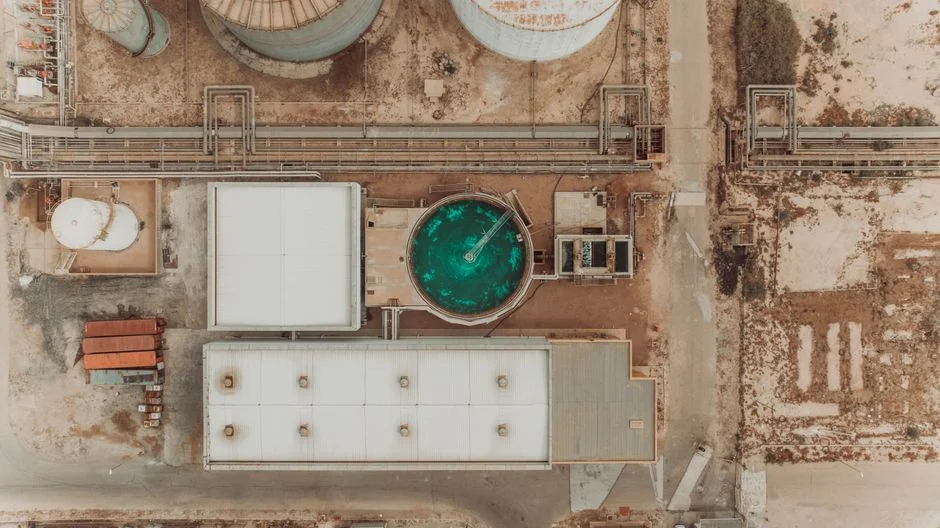
The defensible sequence for mining and metals wastewater is equalization, automatic pH adjustment, coagulation and flocculation, DAF or lamella clarification, multimedia filtration and heavy-metal polishing where the controlling authorization requires it. Each unit operation follows characterization of the stream to ensure the train matches specific site effluent.
Use DAF when the stream contains significant suspended solids, oil, grease or colloidal matter. HydropureWater’s supplied product data specifies 4–300 m³/h capacity across 13 models for a DAF system for mining solids and colloidal removal. The same data describes removal of suspended solids, FOG, oil and grease and colloidal matter. DAF is therefore the stronger candidate where floatable material or colloidal carryover is present.
Use lamella clarification where compact solids separation and high hydraulic loading control the decision. The supplied product data states 20–40 m/h surface loading and up to 30% lower chemical consumption than the comparison basis identified in the research. Those figures describe the supplied equipment data, not a universal performance guarantee. Lamella is a candidate for metal-hydroxide flocs where the plant needs a compact solids-separation unit and the waste does not carry the oil or fine colloidal load that favors DAF.
Heavy-metal polishing should not be selected from a generic equipment list. Precipitation, sulfide treatment, ion exchange and membranes have different chemistry, reagent, solids and operating consequences. Jar-test the actual water, establish the residual-metal limit from the current authorization, and define the required performance before choosing among them.
| Condition verified in the source water | Primary unit operation | Acceptance question |
|---|---|---|
| Suspended solids, oil, grease or significant colloidal matter | DAF after coagulation and flocculation | Do representative results demonstrate removal of the identified floatable and colloidal fractions without downstream carryover? |
| Primarily settleable metal-bearing flocs with a compact-footprint requirement | Lamella clarification | Can the selected surface-loading basis handle the verified flow and sludge blanket while meeting residual solids criteria? |
| Residual soluble metals remain above the verified sewer limit | Precipitation, sulfide treatment, ion exchange or membrane polishing | Have site-specific tests shown that the selected method reaches the required residual concentration? |
| Clarified water is intended for process reuse | Filtration and reuse controls, with discharge treatment retained where required | Has the reuse destination and its water-quality needs been separated from the sewer authorization? |
The mining wastewater clarifier selection guide provides a useful side-by-side framework, but the acceptance decision must remain tied to the site’s analytical panel and permit.
Control chemistry, sludge and reuse constraints
Automatic chemical control is an operating requirement. The supplied product information describes PLC-controlled automatic dosing for pH adjusters, coagulants and flocculants so chemical feed responds to flow and influent changes rather than relying on fixed manual dosing. The commercial pretreatment source also recommends automatic pH control with a probe and feedback loop because uncontrolled pH changes can compromise metal precipitation and downstream solids removal. The plant should therefore define control loops, interlocks, chemical storage and operator alarms before the dosing skid is accepted.
HydropureWater’s supplied multi-media filter data describes removal of residual suspended solids, turbidity and colloidal matter, with automated backwash. That makes filtration a logical polishing step after clarification and before final metal removal or discharge, where the verified water quality requires it. Filter sizing must account for the backwash cycle, not only average forward flow; otherwise a filter that performs in service may fail during a required backwash or under a hydraulic surge.
Metal-bearing sludge creates a parallel design and disposal obligation. HydropureWater’s supplied plate and frame filter press data spans filtration areas from 1 m² to 500 m² and supports manual, hydraulic or automatic PLC operation. The commercial pretreatment source also identifies dewatering as part of the metal-hydroxide treatment route. Confirm the waste classification, analytical profile, destination and acceptance requirements with the receiving authority or disposal facility before selecting a press or sizing sludge handling.
Design reuse around actual process needs. Clarified effluent may return to selected uses when its quality is suitable, but the residual discharge must still comply with the controlling pretreatment authorization. Keep reuse equipment, process-water chemistry and sewer-discharge compliance as separate acceptance items; a reusable treatment train does not replace the permit, monitoring or operating controls.
The DAF-or-clarifier implementation guide can support the chemical, sludge and reuse layout review, while site jar tests and current authorization remain the governing design inputs.
Verify performance before authorization and startup
Acceptance should be demonstrated against the verified sewer conditions, not against a generic federal number or supplier brochure. The commercial pretreatment source by hydropurewater.com recommends site-specific jar tests to establish chemical dose, pH operating window and expected metals-removal performance before final equipment selection. The testing plan should use representative samples from each source and examine the operating combinations that can occur during batch or slug discharges.
Commission the full train at representative flow, including batch or slug conditions identified in the authorization. Record inlet and final-effluent results for every controlling parameter: pH, TSS, applicable metals and other pollutants named in the permit. Compare results with the concentration limit and the applicable maximum daily and instantaneous loading conditions. Confirm that equalization, flow control, chemical feed, filtration, polishing and sludge handling function as an integrated train rather than as individually successful pieces of equipment.
Before startup, obtain written confirmation of monitoring, recordkeeping, flow-equalization and slug-control provisions in the current authorization. For unresolved parameters, record the responsible party, required test, acceptance condition and approval needed before discharge. Final equipment values must be checked against current permits and influent testing; this is particularly important for a Talkeetna project because no site-specific sewer limits were supplied in the research.
Use the mining and metals wastewater pretreatment guide as the final cross-check for the authorization, commissioning and acceptance workflow. The equipment train becomes usable only when its demonstrated performance satisfies the controlling sewer permit.
Frequently Asked Questions
What Talkeetna-specific sewer limits should a plant use when selecting equipment?
No Talkeetna-area sewer limits were supplied, so the plant cannot responsibly specify a final concentration or loading target. Request the current sewer-use permit, local limits, applicable categorical classification, monitoring conditions and loading or slug provisions from the controlling sewer authority. Keep every unidentified limit open in the permit-verification worksheet; do not fill it with values from another jurisdiction.
Should a Talkeetna plant choose DAF or a lamella clarifier?
Choose DAF when representative testing shows significant oil, grease, colloidal matter or suspended solids that must be floated, and verify that the DAF system for mining solids and colloidal removal can meet the identified flow and contaminant duty. Consider lamella where the solids are primarily settleable flocs, hydraulic loading is decisive and a compact installation
Frequently Asked Questions
What pretreatment limits apply to mining wastewater discharged to a sewer near Talkeetna?
Discharges to the Talkeetna sewer system must comply with Matanuska-Susitna Borough and local utility pretreatment standards, which typically mirror federal Categorical Pretreatment Standards for Ore Mining and Dressing (40 CFR Part 440). Operators must generally meet effluent limitations for Total Suspended Solids (TSS) below 30 mg/L, pH levels between 6.0 and 9.0, and strict concentration limits for heavy metals, specifically targeting Lead (0.3 mg/L daily max), Copper (0.3 mg/L daily max), and Zinc (1.0 mg/L daily max).
Should a mining wastewater plant near Talkeetna use DAF or a lamella clarifier?
The choice depends on the specific gravity and nature of the suspended solids in the mining effluent. A lamella clarifier is generally superior for high-density inorganic mineral fines, offering a smaller footprint and high settling efficiency through inclined plate packs. Conversely, Dissolved Air Flotation (DAF) is required if the wastewater contains high levels of oily residues, reagents, or low-density particles that do not settle readily by gravity, as DAF utilizes micro-bubbles to float these contaminants to the surface for mechanical skimming.
How much does a mining wastewater pretreatment system cost to install near Talkeetna?
Installation costs for a modular pretreatment system in the Talkeetna region typically range from $150,000 to $500,000 for small-to-medium scale operations. This cost variance is driven by the necessity for climate-controlled enclosures to prevent freezing, the complexity of the chemical dosing skids required for heavy metal precipitation, and the logistics of transporting heavy equipment to remote Mat-Su Borough sites.
What influent testing and permit documents should I request before sizing treatment equipment?
Before sizing equipment, you must obtain a complete analytical report of influent characteristics, specifically including a 24-hour composite sample analysis for Total Dissolved Solids (TDS), heavy metal speciation, and particle size distribution. Additionally, request the facility's existing Alaska Pollutant Discharge Elimination System (APDES) permit or the specific sewer use agreement from the local utility, which details flow rate restrictions, peak hydraulic load capacities, and prohibited discharge parameters.
Can treated mining wastewater be reused instead of discharged to the sewer?
Yes, treated mining wastewater can be recycled for process applications such as dust suppression, equipment wash-down, or mineral processing make-up water, significantly reducing the volume of discharge to the sewer system. Implementing a closed-loop system typically requires tertiary treatment stages, such as multimedia filtration or membrane bioreactors, to ensure water quality meets the specific requirements of the intended industrial reuse, thereby minimizing municipal utility fees and regulatory compliance burdens.