In Birmingham, wastewater treatment costs vary dramatically by scale and ownership. Municipal sewer fees for commercial users start at $4.53 per 100 cubic feet (CCF) plus a $27.16–$561.65 monthly base charge (Birmingham Water Works 2024 rates), while private treatment plants for industrial facilities range from $500K–$5M+ in CAPEX with $0.50–$2.00/gallon OPEX. Recent upgrades like the $34M Village Creek project highlight the city’s push for capacity, but industrial users face additional compliance costs (e.g., Alabama DEM permits at $1,200–$5,000/year) and potential surcharges for high-strength waste. This guide breaks down wastewater treatment plant cost in Birmingham by system type, scale, and local regulations to help Birmingham stakeholders budget accurately.
Why Birmingham’s Wastewater Costs Are Rising in 2025
Birmingham’s wastewater costs are escalating due to a confluence of aging infrastructure, tightening regulatory mandates, and robust industrial growth. The Village Creek Water Reclamation Facility, serving over 400,000 residents and more than 1,200 industrial users, is undergoing a significant $34 million upgrade project between 2023 and 2025, primarily to add 20 MGD capacity (Birmingham Business Journal, 2023). This investment, while crucial for long-term sustainability, translates into higher operational expenses and potential rate adjustments for users across Jefferson County.
Regulatory pressure from the Alabama Department of Environmental Management (ADEM) is another primary driver. Recent 2024 NPDES permit updates have tightened effluent limits for key parameters, specifically reducing Total Suspended Solids (TSS) from 30 mg/L to 20 mg/L and ammonia from 5 mg/L to 3 mg/L. These stricter limits necessitate more advanced and costly pretreatment processes for industrial dischargers to avoid fines and surcharges, directly impacting the industrial wastewater treatment Alabama landscape.
Birmingham’s burgeoning industrial sectors, particularly in auto manufacturing and food processing, are placing increasing demands on the municipal sewer system. This surge in high-volume, high-strength industrial wastewater is straining existing infrastructure, leading to higher tap fees for new connections and significant surcharges for facilities discharging high-BOD (Biochemical Oxygen Demand) waste. Jefferson County’s rate structure is designed to penalize large-volume users, featuring tiered pricing and escalating base service charges that disproportionately affect industrial and commercial operations with substantial wastewater output. This trend underscores the critical need for industrial facilities to accurately project their wastewater treatment plant cost in Birmingham for 2025 and beyond.
Municipal vs. Private Wastewater Treatment: Cost Comparison for Birmingham Facilities
Deciding between municipal sewer connection and establishing a private wastewater treatment plant in Birmingham requires a detailed cost-benefit analysis, considering both immediate capital expenditures (CAPEX) and long-term operational expenses (OPEX). Municipal sewer connection costs for new developments in Birmingham typically include a one-time tap fee ranging from $768 to $1,152, alongside a monthly base service charge that varies by meter size, from $27.16 for a 5/8-inch meter up to $561.65 for a 6-inch meter (Birmingham Water Works 2024 rates). Additionally, commercial users face volumetric fees of $4.53 per 100 cubic feet (CCF) (Birmingham Water Works 2024 rates).
Conversely, a private industrial wastewater treatment plant in Birmingham entails a substantial upfront CAPEX, typically ranging from $500,000 to $2 million for systems processing 50–500 GPM (gallons per minute), such as a compact activated sludge system for Birmingham industrial sites or advanced MBR systems. The OPEX for private plants, encompassing labor, chemicals, energy, and maintenance, generally falls between $0.50 and $2.00 per gallon. This includes costs for consumables like activated carbon or membrane cleaning chemicals, and routine inspections by qualified operators.
Hidden costs associated with municipal sewer connection can significantly inflate overall expenses. These include surcharges for high-strength waste (e.g., BOD greater than 300 mg/L, often incurring $0.25–$0.50 per pound of excess BOD), substantial fines for FOG (fats, oils, and grease) violations exceeding $1,000, and capacity fees levied on new commercial or industrial developments that increase strain on the municipal system. For facilities with significant wastewater discharge, a private plant can offer substantial long-term savings.
A typical ROI calculation framework suggests a 5-year payback threshold for private plants, especially at flow rates exceeding 100 GPM. This calculation assumes a comparison of average municipal fees of $1.50 per gallon (including surcharges) against a private plant OPEX of $0.75 per gallon. For example, a 200 GPM food processing plant in Birmingham, generating high-strength waste, could save an estimated $120,000 per year by implementing a private high-efficiency DAF system for Birmingham food processing plants combined with an activated sludge system, effectively offsetting its initial CAPEX within 4-5 years.
| Cost Category | Municipal Sewer Connection (Example for 100 GPM Industrial User) | Private Wastewater Treatment Plant (Example for 100 GPM System) |
|---|---|---|
| One-Time Tap Fee | $768 – $1,152 | N/A (Permitting fees apply, see Compliance section) |
| Monthly Base Charge | $27.16 – $561.65 (Birmingham Water Works 2024 rates) | N/A |
| Volumetric Fee (Commercial) | $4.53/CCF (Birmingham Water Works 2024 rates) | N/A |
| Estimated Annual Operating Cost (OPEX) | $150,000 – $250,000 (including surcharges) | $30,000 – $75,000 (labor, chemicals, energy, maintenance) |
| Capital Expenditure (CAPEX) | N/A (connection costs only) | $500,000 – $2,000,000 (for 50-500 GPM systems) |
| Hidden Costs | Surcharges for BOD/TSS exceedances, FOG fines, capacity fees | Sludge disposal, specialized maintenance, monitoring |
| Typical Payback Period (vs. Municipal) | N/A (ongoing expense) | 3-7 years (for 100+ GPM systems) |
Birmingham Wastewater Treatment Costs by System Type: DAF vs. MBR vs. Activated Sludge
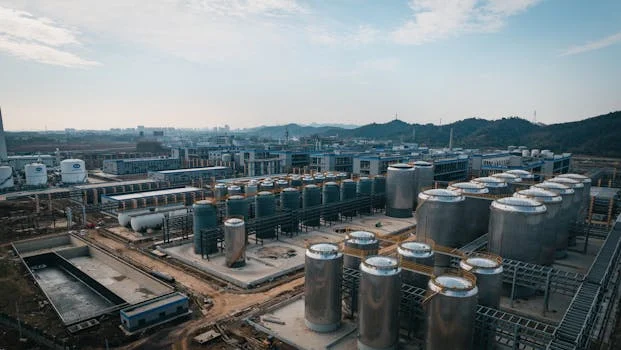
Selecting the optimal wastewater treatment technology in Birmingham hinges on influent characteristics, effluent quality requirements, available footprint, and of course, the overall wastewater treatment plant cost in Birmingham. Each system type—Dissolved Air Flotation (DAF), Membrane Bioreactor (MBR), and Activated Sludge—presents distinct CAPEX and OPEX profiles tailored to different industrial applications.
Dissolved Air Flotation (DAF) systems, such as HydropureWater’s, typically incur a CAPEX of $80,000–$300,000. These systems are highly effective for removing fats, oils, grease (FOG), and suspended solids, often achieving over 95% efficiency, making a high-efficiency DAF system for Birmingham food processing plants an ideal choice. However, their OPEX, ranging from $0.30–$0.80 per gallon, is heavily influenced by chemical dosing requirements, with polymer costs alone accounting for $0.05–$0.15 per gallon. While excellent for pretreatment, DAF systems usually require secondary biological treatment for full compliance with stringent discharge limits.
Membrane Bioreactor (MBR) systems, like HydropureWater's DF series, represent a more advanced solution with a CAPEX of $250,000–$1.2 million. MBRs are characterized by their compact footprint, often 60% smaller than conventional activated sludge systems, making an MBR system for Birmingham’s space-constrained industrial parks highly advantageous. Their ability to produce near-reuse-quality effluent (typically less than 1 mg/L TSS) makes them suitable for direct discharge into sensitive watersheds or for water recycling initiatives. OPEX for MBRs ranges from $0.60–$1.50 per gallon, primarily driven by membrane aeration, cleaning chemicals, and periodic membrane replacement.
Conventional Activated Sludge systems, including HydropureWater's WSZ series, offer a robust and cost-effective biological treatment option with CAPEX between $150,000–$800,000. These systems generally exhibit lower energy consumption, typically 0.3–0.6 kWh per cubic meter, resulting in an OPEX of $0.40–$1.00 per gallon. However, activated sludge systems require significant land area and more intensive sludge handling, often necessitating a sludge dewatering solution to cut Birmingham disposal costs, such as a filter press, which can add $50,000–$200,000 to the CAPEX. Birmingham-specific factors like local electricity rates, currently around $0.12/kWh, and labor costs for operators ($25–$35/hour) significantly influence the overall OPEX for any system. Alabama DEM has shown a preference for MBR technology in sensitive watersheds, such as the Black Warrior River basin, due to its superior effluent quality.
| System Type | CAPEX (50-500 GPM) | OPEX (per gallon) | Footprint | Effluent Quality (TSS) | Primary Application | Key Maintenance |
|---|---|---|---|---|---|---|
| DAF Systems | $80,000 – $300,000 | $0.30 – $0.80 | Medium | 10-50 mg/L (pretreatment) | FOG/Oil removal, Pretreatment | Chemical dosing, Sludge removal |
| MBR Systems (DF Series) | $250,000 – $1,200,000 | $0.60 – $1.50 | Compact (60% smaller) | <1 mg/L (near-reuse) | Space-constrained sites, Water reuse | Membrane cleaning, Replacement |
| Activated Sludge (WSZ Series) | $150,000 – $800,000 | $0.40 – $1.00 | Large | 5-30 mg/L (secondary) | General biological treatment | Sludge handling, Aeration |
Permits, Compliance, and Hidden Costs for Birmingham Wastewater Projects
Navigating the regulatory landscape is critical for any industrial wastewater project in Birmingham, as overlooked permits and compliance requirements can significantly inflate the overall wastewater treatment plant cost in Birmingham. Industrial dischargers operating a private facility must secure an Alabama Department of Environmental Management (ADEM) NPDES (National Pollutant Discharge Elimination System) permit, which typically costs $1,200–$5,000 annually. Beyond the permit fee, ongoing compliance mandates quarterly sampling, with laboratory testing for parameters like BOD, TSS, and heavy metals costing an additional $500–$1,500 per test, adding $2,000–$6,000 yearly in monitoring expenses.
For facilities discharging into the municipal system, the Jefferson County pretreatment program imposes its own set of fees, usually $200–$1,000 per year for monitoring and reporting. Crucially, this program also enforces strict limits on pollutant concentrations, with surcharges ranging from $0.25–$0.50 per pound for BOD or TSS exceeding established thresholds. The Birmingham Water Works Board also levies industrial surcharges, typically $0.10–$0.30 per CCF, for high-strength waste characterized by BOD greater than 300 mg/L or TSS exceeding 250 mg/L. These surcharges can quickly accumulate, particularly for food processing or manufacturing facilities.
Sludge disposal represents another substantial hidden cost for private treatment plants. Alabama landfills typically charge $50–$100 per ton in tipping fees, but the cost escalates significantly when factoring in dewatering and transportation. Total sludge disposal costs for a sludge dewatering solution to cut Birmingham disposal costs can range from $150–$300 per ton, depending on moisture content and distance to the landfill. The 2024 Alabama DEM enforcement trends highlight the increasing financial risk of non-compliance, with a reported 20% increase in fines for FOG violations and a 15% rise in NPDES permit denials for incomplete or non-compliant applications, underscoring the need for meticulous planning and adherence to regulations.
Birmingham Wastewater Treatment ROI Calculator: 5-Year Cost Projection Tool
Accurately projecting the return on investment (ROI) for a private industrial wastewater treatment plant in Birmingham is essential for justifying budget allocations and demonstrating long-term savings. Our Birmingham-specific ROI calculator provides a customizable framework, enabling stakeholders to compare the 5-year CAPEX and OPEX of a private system against projected municipal sewer fees and surcharges. Key input variables include the facility's average flow rate (GPM), influent BOD/TSS concentrations (mg/L), chosen system type (DAF, MBR, or activated sludge), local electricity costs ($0.12/kWh), local labor rates ($30/hour for operators), and current municipal sewer fees ($4.53/CCF).
The calculator outputs a comprehensive 5-year cost projection, including a clear payback period and the Net Present Value (NPV) at a 5% discount rate, providing a robust financial assessment. For instance, a 100 GPM MBR system in Birmingham treating influent with 1,000 mg/L BOD could demonstrate a 4.2-year payback period when compared to escalating municipal sewer fees and high-strength waste surcharges. This calculation considers the initial investment for an MBR system for Birmingham’s space-constrained industrial parks, along with ongoing operational costs for energy, chemicals, and maintenance, versus the continuous outflow for municipal services.
To facilitate precise budgeting, a downloadable spreadsheet template is available, pre-populated with current Birmingham-specific data, allowing users to plug in their unique operational numbers for a tailored analysis. This tool also supports sensitivity analysis, illustrating how fluctuations in key variables like electricity rates, labor costs, or more stringent effluent limits could impact the overall ROI, providing a dynamic understanding of the long-term wastewater treatment plant cost in Birmingham.
| Input Variable | Example Value (Birmingham) | Impact on ROI |
|---|---|---|
| Flow Rate (GPM) | 100 GPM | Higher flow = faster payback (more savings vs. municipal) |
| Influent BOD/TSS (mg/L) | 1,000 mg/L BOD | Higher strength = greater savings vs. municipal surcharges |
| System Type | MBR System | Influences CAPEX, OPEX, and effluent quality |
| Electricity Cost | $0.12/kWh | Directly impacts energy component of OPEX |
| Labor Cost | $30/hour | Directly impacts labor component of OPEX |
| Municipal Sewer Fees | $4.53/CCF + surcharges | Higher fees = faster private plant payback |
| Outputs (Example for 100 GPM MBR, 1000 mg/L BOD) | ||
| 5-Year CAPEX + OPEX (Private) | $1,200,000 | |
| 5-Year Municipal Fees (Estimated) | $2,100,000 (including surcharges) | |
| Payback Period | 4.2 years | |
| Net Present Value (NPV @ 5%) | $650,000 | |
Frequently Asked Questions
Industrial and commercial stakeholders in Birmingham often have specific questions regarding the complexities of wastewater treatment costs and compliance.
What are the current Birmingham Water Works sewer rates for industrial users?
Industrial and commercial users in Birmingham face a volumetric fee of $4.53 per 100 cubic feet (CCF) for wastewater discharge, in addition to a monthly base charge ranging from $27.16 to $561.65, depending on meter size (2024 rates, Birmingham Water Works). High-strength waste surcharges apply for Biochemical Oxygen Demand (BOD) exceeding 300 mg/L or Total Suspended Solids (TSS) above 250 mg/L.
How much does it cost to build a private wastewater treatment plant in Birmingham?
The capital expenditure (CAPEX) for a private wastewater treatment plant in Birmingham typically ranges from $500,000 to over $5 million for systems processing 50–500 GPM. Specific costs vary significantly by technology: a high-efficiency DAF system for Birmingham food processing plants might cost $80,000–$300,000, an MBR system for Birmingham’s space-constrained industrial parks between $250,000–$1.2 million, and a compact activated sludge system for Birmingham industrial sites from $150,000–$800,000.
What permits are required for a private wastewater treatment plant in Jefferson County?
Operating a private wastewater treatment plant in Jefferson County requires an Alabama Department of Environmental Management (ADEM) NPDES permit, which costs $1,200–$5,000 per year for industrial dischargers. Additionally, approval from the Jefferson County pretreatment program, typically involving an annual monitoring fee of $200–$1,000, is necessary to ensure compliance with local discharge limits.
How can I reduce my Birmingham wastewater treatment costs?
Strategies to reduce wastewater treatment plant cost in Birmingham include optimizing influent quality through equalization tanks and pH adjustment, which can minimize surcharges. Negotiating discharge limits or surcharge rates with the Birmingham Water Works Board (BWWB) is also an option. For facilities with flow rates exceeding 100 GPM, switching to a private wastewater treatment system can offer significant long-term savings by eliminating municipal volumetric fees and surcharges.
What’s the payback period for a private wastewater treatment plant in Birmingham?
The typical payback period for a private industrial wastewater treatment plant in Birmingham ranges from 3 to 7 years for systems processing 100 GPM or more. This duration is highly dependent on the current municipal sewer fees, the strength of the influent wastewater (which impacts surcharges), and the chosen treatment technology. Utilizing the ROI calculator provided in this guide allows for a customized estimate based on specific facility data, helping evaluate how national benchmarks for wastewater treatment costs per cubic meter compare to local Birmingham conditions, or how Dallas’s industrial wastewater treatment costs and compliance rules stack up.
Related Equipment
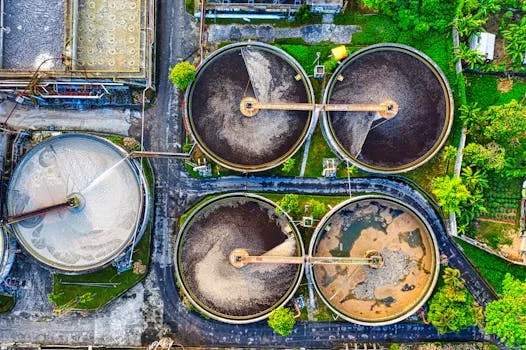
The following HydropureWater products are engineered for the wastewater challenges discussed above:
- sludge dewatering solution to cut Birmingham disposal costs — view specifications, capacity range, and technical data
Need a customized solution? Request a free quote with your specific flow rate and pollutant parameters.