
How a Belt Filter Press Handles Yeast Wastewater
A belt filter press can dewater yeast-processing sludge by passing conditioned solids between filter belts and progressively compressing them through a roller sequence. Flocculant pretreatment is commonly used to improve separation, while the process produces clarified filtrate and a non-liquid press cake. The correct model and operating setup depend on measured feed solids, sludge rheology, treatment chemistry, throughput, cake-handling requirements, and filtrate-discharge constraints. Because the supplied sources do not establish universal performance values for yeast sludge, final sizing requires representative testing rather than a generic throughput claim.
The US EPA defines the equipment by its output: belt filter presses remove water from liquid wastewater residuals and produce a non-liquid material called cake. The EPA’s fact sheet, published in September 2000, also identifies reduced residual volume and possible savings in subsequent storage, processing, transfer, end use, or disposal as potential benefits. Those benefits are site-specific; they do not establish a guaranteed operating cost for a yeast plant.
According to Alfa Laval, the feed may be sludge, effluent, or slurry and is often pretreated with flocculant to enhance separation. Conditioned feed enters between filter belts or cloths. The belt system carries the solids through a roller sequence, where compression increases along the machine. Water passes through the cloth and is collected as clarified filtrate; the retained solids leave as press cake. An automatic flocculant dosing system is therefore part of the operating strategy, not a cosmetic accessory.
The belt press does not replace upstream fermentation biomass separation, biological treatment, or solids capture. It receives the concentrated solids stream produced by those stages. A high-efficiency sedimentation tank may form part of that upstream train, but final press sizing must use the conditioned feed entering the belt machine.
Alfa Laval notes that cake may be repurposed, including use as agricultural fertilizer, subject to local regulations and actual sludge quality. Neither the US EPA nor Alfa Laval establishes universal reuse requirements for yeast-processing cake. Treat reuse as a permitted downstream route that must be demonstrated, not as a default benefit.
Characterize the Yeast Sludge Before Selecting Equipment
Yeast-sludge dewatering cannot be specified from solids concentration alone, because the upstream biological load, fluid behavior, fibrous content, and destination of each output stream affect press performance.
Request representative samples from the stream that will actually enter the press. Include both routine and campaign-condition samples, because fermentation cycles can change the waste profile. Test the combined mass and solids balance across the upstream process, not just a grab sample from the sludge tank. The sampling program should establish:
- Suspended solids and total solids, including solids capture across the upstream process;
- Sludge volume at average and peak generation rates;
- pH, temperature, and biological-loading indicators relevant to the plant’s treatment objectives;
- Presence of fibrous or fibrous-like material associated with the relevant yeast-production operations;
- Filtrate destination and discharge limits, including whether return to a process stream is technically and legally permissible;
- Final cake destination, storage constraints, handling method, and permitted disposal or reuse conditions.
Document rheology and dosing behavior as operating observations rather than isolated lab values. Record viscosity, settling response, shear sensitivity, behavior after mixing, and whether the conditioned floc structure remains stable through the feed system. These properties indicate whether flocculant can create a transportable structure that will not break apart before the cloth.
| Information to obtain | Why it affects selection or acceptance |
|---|---|
| Final-feed suspended and total solids | Establishes the solids load presented to the press and supports the mass balance. |
| Average and peak wet flow | Defines hydraulic loading and whether flow equalization or another duty basis is required. |
| Average and peak dry-solids rate | Links dewatering capacity to the quantity of solids requiring capture. |
| pH and temperature | Influences chemical selection and process behavior; exact limits must be established for the plant. |
| Viscosity, settling and shear response | Indicates mixing needs, conditioning requirements, and possible feed-pump constraints. |
| Fibrous-material assessment | Helps identify cloth-retention, blinding, tracking, or solids-handling risks. |
| Filtrate quality and destination | Defines whether clarification alone satisfies the receiving stream or additional treatment is required. |
| Cake moisture and handling requirement | Sets the performance target and downstream storage, transfer, and disposal conditions. |
Alfa Laval identifies flocculant pretreatment as common for sludge dewatering, but no supplied source provides a universal yeast-sludge solids range, viscosity limit, cake-moisture value, or belt-press throughput. Require representative-stream testing before final sizing, especially where the feed includes variable biological solids or process residues.
Precondition the Sludge for Reliable Filtration
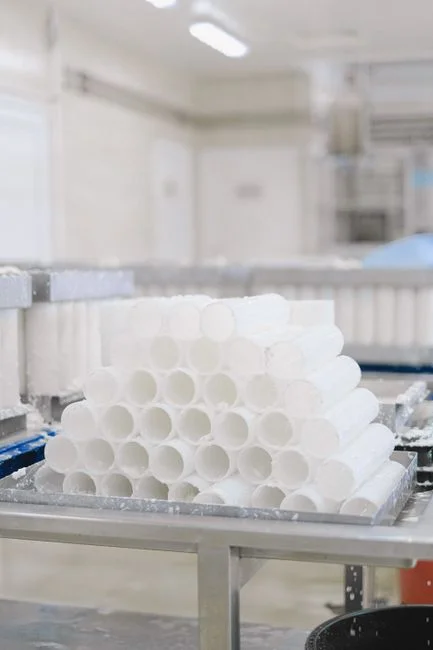
A belt press performs best when it receives a consistently conditioned feed with recoverable solids already concentrated and a floc structure that survives the hydraulic journey to the cloth.
- Capture solids upstream. Establish the correct upstream objective: recover yeast biomass and other solids before sending concentrated sludge to dewatering. Check whether the final feed still contains excessive suspended material because the capture stage is underperforming.
- Develop the conditioning program by testing. Use representative sludge in a controlled jar-test sequence rather than selecting a dose from a generic supplier chart. Alfa Laval states that feed is often pretreated with flocculant, but the type, dose, mixing method, and sequence must be demonstrated for the actual feed.
- Compare outcomes, not just clarity. Evaluate whether each condition improves solids capture, reduces filtrate solids, changes cake release from the belt, or lowers polymer consumption at the required operating condition.
- Confirm mechanical operability. Check that the conditioned sludge can be pumped and evenly distributed without shearing the flocs back into a dispersed suspension.
- Verify the complete train. Confirm feed rate, chemical dose, mixing, pressure stages, belt tension, and wash-water conditions during commissioning and trial runs. The supplied research does not establish universal numerical settings for yeast sludge.
An automatic flocculant dosing system provides the control layer for coagulants, flocculants, pH adjusters, and specialty chemicals. The referenced HydropureWater product is described as skid-mounted, pre-wired, and factory-tested. These construction features support integration, but the operating logic still needs the measured feed basis: dosing logic must respond to actual flow and the demonstrated relationship between chemical condition, separation, and cake release.
Where the upstream train requires sludge thickening before dewatering, use the sludge thickener design criteria as a separate engineering input. A gravity belt thickener may move the feed toward the desired condition, but the belt filter press should be selected from the final conditioned feed—not from the original wastewater stream.
Compare Belt Presses with Plate-and-Frame and Screw Presses
No dewatering technology is universally superior; the correct choice depends on the operating pattern, feed behavior, cake logistics, labor model, controls, and site constraints.
| Decision factor | Belt filter press | Plate-and-frame press | Screw press |
|---|---|---|---|
| Separation mode | Continuous movement through belts, cloths, and rollers. | Discrete filter chambers are loaded, filtered, and released. | Sludge advances through a narrowing dewatering section. |
| Operating pattern | Well suited to evaluation where continuous sludge flow and steady operation are priorities. | May suit batch treatment or contained plate and cake handling. | May suit a continuous stream where its feed acceptance and cake characteristics are demonstrated. |
| Main engineering focus | Belt tracking, cloth condition, tension, wash-down, feed distribution, and conditioning. | Filter-area demand, plate handling, cycle control, washing, and discharge method. | Feed acceptance, conveying behavior, wear, washing, and discharge consistency. |
| Labor and controls | Requires routine inspection of an operating continuous system. | Manual, hydraulic, or automatic PLC-controlled configurations are available. | Evaluate controls and attendance required by the selected configuration. |
| Cake route | Continuous discharge and subsequent handling must be designed together. | Discrete cake release may suit contained handling. | Assess the discharged cake against the actual disposal or transfer route. |
The HydropureWater product catalog documents a plate-and-frame filtration-area range of 1 m² to 500 m², with manual, hydraulic, and fully automatic PLC-controlled operation. Those are concrete configuration choices for comparison through a plate-and-frame sludge dewatering press. The range does not establish that a plate press is superior for yeast sludge.
A belt press may be the stronger candidate when the plant requires continuous dewatering and representative testing supports stable feed distribution, cloth performance, and cake discharge. A plate-and-frame system deserves evaluation where batch treatment, substantial filtration area, or contained plate and cake handling is important. Screw-press troubleshooting principles can help organize mechanical diagnosis, but they should not be transferred directly between equipment types; see Screw Press Dewatering Troubleshooting: 9 Proven Fixes for Industrial Sludge Systems.
Apply one decision rule: choose the technology that meets the required solids-capture, cake-handling, filtrate-quality, throughput, and site-utilization criteria at the lowest evaluated total cost. Total cost must include chemical use, labor, wash-water, power, maintenance, downtime, cake storage, and final disposal—not equipment purchase price alone.
Size and Specify the Press from Project Data
Final sizing requires a project-specific duty basis, not a generic throughput curve or a belt width copied from another industry.
| Bid-data item | Information the buyer must state |
|---|---|
| Flow and schedule | Average and peak sludge flow, hourly wet and dry-solids rates, operating hours, and expected campaign conditions. |
| Feed basis | Measured final-feed solids, pH, temperature, rheology, conditioning method, and upstream solids-capture performance. |
| Performance targets | Required solids capture, filtrate quality, cake condition, transportability, and any reuse or disposal requirement. |
| Site and utilities | Available footprint, access for maintenance, power, wash-water supply, drainage, climate, and control-system interface. |
| Outputs | Filtrate destination, cake outlet, downstream storage, conveyance, odor control, and permitted end-use route. |
| Commercial boundaries | Installation, commissioning, training, acceptance testing, spares, warranty exclusions, and performance responsibility. |
Ask bidders to define filter area, belt width, roller arrangement, drive type, control architecture, wash-water arrangement, materials of construction, and cake-discharge method. Each item should be justified against the measured duty. Require the bidder to state the feed and operating basis behind every capacity claim, define the test method and acceptance criteria, and identify which party owns commissioning, training, chemical optimization, and performance correction.
Alfa Laval provides useful historical evidence that belt presses have a long service record: its summary cites two refinery units built in 1987 and 1992, both with a stated width of 2.0 meters. The source does not establish that a 2.0-meter belt width suits a yeast plant. The only valid relevance is the demonstration of an established technology history, not transfer of refinery performance to fermentation biomass separation.
Reject an undated generic capacity curve. If representative testing is unavailable, state that limitation and require appropriately conservative performance qualification. For a plate-and-frame alternative, obtain the proposed filtration area from the documented 1 m² to 500 m² range and require the same feed-specific basis; the plate-and-frame sludge dewatering press specification should not remain an open-ended area allowance.
Where an upstream thickener is part of the project, reconcile its design with the press using the sludge thickener design criteria, then size the press against measured final-feed conditions.
Plan Operation, Maintenance, and Cake Disposal
Dewatering is a plant system, not an isolated machine: cloth condition, maintenance access, cake handling, and disposal logistics determine whether residual volume reduction produces a durable benefit.
- Provide maintenance access. Plan safe access for cloth inspection and replacement, belt tracking, spray wash, sludge removal, hydraulic or drive inspection, and control-system maintenance before equipment dimensions are frozen.
- Plan consumables and spares. Include filter cloths or belts, critical spares, preventive maintenance, and operator training in the commercial comparison.
- Define monitoring. Establish how operators will identify changing feed solids, conditioning drift, filtration pressure, belt tracking, wash performance, and cake condition.
- Secure the cake route. Assess storage, conveyance, odor control, transportability, and permitted disposal or reuse before accepting the dewatering solution.
For an existing press, Alfa Laval states that plants can extend equipment life through targeted rebuilds and upgrades that improve performance, reliability, and operating cost. That is not a blanket recommendation: a rebuild is appropriate only after inspection establishes the machine’s condition, identifies the limiting components, and confirms that a rebuild can meet the revised feed and discharge requirements.
The US EPA supports the narrower claim that dewatering can reduce residual volume and affect subsequent storage, processing, transfer, end use, or disposal. It does not guarantee site savings. Each plant must price its own storage hours, transfer requirements, disposal charges, odor-control requirements, and accepted cake condition. Available treatment components, including water-treatment parts, valves, filters, and media, should also be specified around actual utility and maintenance requirements.
Troubleshoot Common Dewatering Problems
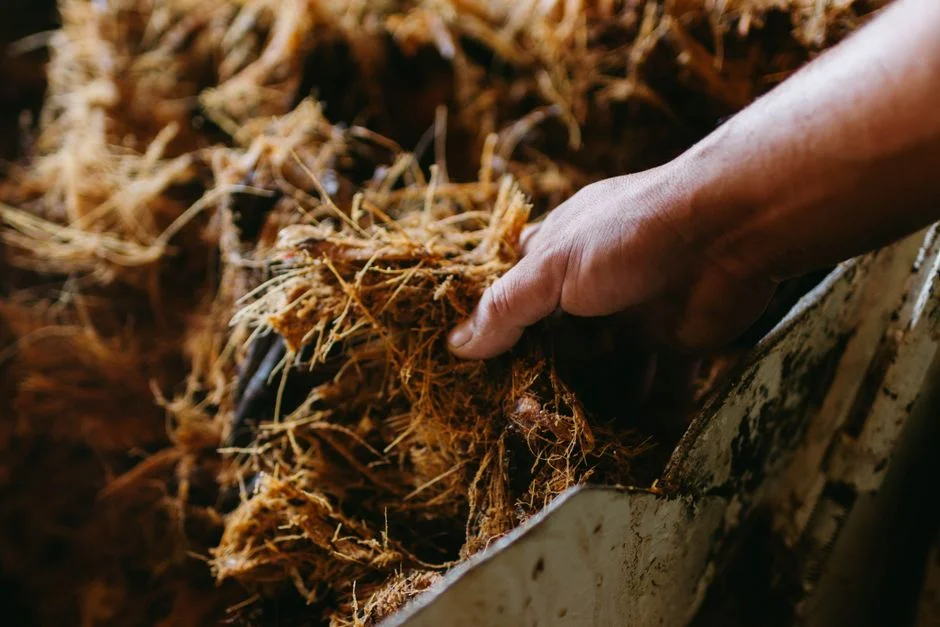
Poor belt-press performance should be diagnosed in sequence: first verify the feed and upstream process, then conditioning, then the machine, and only then consider equipment limits.
- Wet cake. Check whether feed solids and flow are consistent, whether conditioning is effective, whether all pressure stages are operating as intended, whether belt tension is appropriate, whether cloth condition has changed, and whether feed is bypassing the intended dewatering path.
- High filtrate solids. Review upstream solids capture first. Then examine flocculation quality, chemical dose, filter-cloth integrity, and flow distribution before attributing the issue to mechanical capacity.
- Poor belt tracking or reduced separation. Inspect alignment, tension, guide rollers, wash deposits, sludge distribution, and mechanical wear. Tracking problems can reflect a dirty or damaged system rather than a simple drive setting.
- Rising polymer consumption. Confirm that dose is being evaluated against current feed conditions rather than inherited as a fixed setting. Review mixing quality and feed-rate stability, then repeat controlled conditioning trials if the sludge character has changed.
- High downstream disposal cost. Verify that achieved cake condition and transportability match the actual disposal route. The objective is a manageable residual stream—not the lowest measured moisture value irrespective of handling consequences.
Record feed, dose, operating condition, filtrate quality, and cake condition during each trial. Without that record, a supplier cannot distinguish chemistry variability, changing solids, cloth deterioration, and mechanical faults. The broader sequence in Screw Press Dewatering Troubleshooting: 9 Proven Fixes for Industrial Sludge Systems is useful for disciplined diagnosis, although the corrective actions remain specific to the installed machine.
For recurring problems, inspect consumables and critical service parts through the available water-treatment parts, valves, filters, and media. Replacements should address the observed failure rather than serve as an automatic substitute for correcting feed or conditioning problems.
Frequently Asked Questions
How much does a belt filter press for yeast wastewater cost?
No supplied source supports a universal price for a belt filter press for yeast wastewater. Request a project-specific quotation based on wet and dry feed rates, solids composition, conditioning requirements, operating schedule, filtration area, controls, wash-water demand, footprint, installation scope, commissioning, acceptance testing, and downstream cake handling. Ask bidders to separate equipment, accessories, civil works, utilities, commissioning, training, and performance-risk items so omissions are visible during budget comparison.
How do I choose a supplier for yeast sludge dewatering?
Require a feed-specific trial or a defensible performance basis for the actual yeast stream, followed by one commercial check: make the proposed acceptance criteria part of the award and payment process. The supplier should define test methods, commissioning responsibilities, maintenance scope, warranty boundaries, and corrective actions if agreed performance is not achieved. Generic references to industrial sludge or a generic capacity curve are not sufficient evidence for yeast sludge.
What solids feed rate should the press handle?
Size the machine from measured final-feed solids and hourly wet or dry mass, not volumetric flow alone. The buyer must provide average and peak wet flow, corresponding suspended or total solids, the operating schedule, and expected variability. The supplied research provides no universal yeast-wastewater solids-feed rate, so a defensible value must come from representative testing and an agreed design basis.
Is flocculant always required for yeast wastewater?
Flocculant is commonly used in sludge dewatering, according to Alfa Laval, but it is not established as mandatory for every yeast-wastewater stream. Confirm the need and dose through representative testing. Evaluate solids capture, filtrate solids, cake release, and polymer consumption together, because a condition that improves one outcome may not provide the best operating result overall.
Should I choose a belt press or plate-and-frame filter press?
Choose based on operating continuity, footprint, labor, controls, filtration area, cake handling, filtrate quality, and total cost. A belt press warrants evaluation for continuous sludge streams; a plate-and-frame system may fit batch treatment or contained cake handling. HydropureWater documents plate-and-frame options from 1 m² to 500 m², while Alfa Laval documents belt presses as an established continuous dewatering route. Use a plate-and-frame sludge dewatering press as one option in the evaluation and include an automatic flocculant dosing system in the conditioning basis for either route.