Bangladesh's domestic sewage treatment challenge
Domestic sewage treatment in Bangladesh requires a site-specific system matched to measured flow and wastewater quality, available land, flood exposure, reuse objectives and local operating capacity. A 2023 study estimated annual domestic wastewater generation at 4874 million m³, while official case research found that centralized agencies struggled to keep pace with urban growth. A buried A/O package plant suits suitable decentralized sites; an MBR system merits evaluation where footprint, solids separation or advanced effluent reuse is important. Selection still depends on verified flow, BOD, COD and discharge or reuse criteria.
The scale estimate is substantial, but it must not be treated as a design flow for an individual hotel, hospital or housing development. Cleaner Energy Systems reported estimated annual domestic and industrial wastewater output of 4874 million m³ and 452 million m³, respectively, in its December 2023 Bangladesh study. The same study identified a critical evidence gap: Bangladesh lacks a reliable national inventory of wastewater generation, composition and attributes. Project design therefore depends on local sampling, flow records and a defined future operating scenario rather than national averages alone.
Official GOV.UK research on decentralized wastewater and faecal sludge management found that centralized agencies struggled to keep pace with urban development, leaving communities with wastewater-management and environmental-health problems. Distributed treatment can address locations where sewer extension is impractical, but only if someone owns the assets, funds operation and manages the resulting effluent or faecal sludge. The package treatment plant buying guide provides a useful procurement framework for separating equipment scope from civil, commissioning and operating responsibilities.
Domestic sewage must also be kept separate from industrial effluent. The GOV.UK Khulna case study identifies industrial contamination as a constraint, while the December 2023 Cleaner Energy Systems study assessed domestic and industrial streams separately. Uncharacterized industrial inputs can change oxygen demand, inhibit biological treatment or undermine reuse.
| Planning input | Evidence available | Decision required |
|---|---|---|
| National wastewater estimate | Domestic: 4874 million m³/year; industrial: 452 million m³/year—Cleaner Energy Systems, December 2023 | Use as context only; obtain measured site flow and quality |
| National inventory | Bangladesh lacks a reliable inventory of generation, composition and attributes—Cleaner Energy Systems, December 2023 | Commission site-specific sampling and flow monitoring |
| Infrastructure context | Centralized agencies struggled to keep pace with urban development—GOV.UK case study | Assess decentralized management and ownership arrangements |
| Wastewater origin | Industrial contamination was identified as a constraint in the GOV.UK Khulna case study | Exclude or separately characterize industrial discharges |
Choose the treatment route by site conditions
Decentralized sewage treatment is a locally owned and operated arrangement that treats wastewater near the community or development instead of relying entirely on a distant central network and plant. The GOV.UK Khulna case study shows why operating ownership belongs in the technology decision: community participation, local staffing and an institutional operating model were integral to project sustainability.
Monsoon exposure changes the design basis. The GOV.UK Khulna case study reported average rainfall of about 1800 mm, with more than 80% of total rainfall occurring during the south-westerly monsoon from June to October. The project was often flooded during that period, while excess dilute wastewater flows were not conducive to duckweed production. For conventional biological equipment, the corresponding questions are whether inflow dilution reduces treatment reliability, whether first-flush or high-strength flows overload the process, and whether access, controls and power remain serviceable.
Use the following route logic rather than choosing a technology from a brochure:
- If land, access and normal installation conditions are suitable: evaluate a buried package unit for simple integration below grade.
- If the site is land-constrained: evaluate MBR, but confirm civil works, membrane maintenance and sludge handling rather than relying on footprint claims alone.
- If monsoon flooding or inflow dilution is credible: determine whether the process remains compliant during the affected period and require an explicit operating response.
- If a reuse application exists: define the required effluent quality before selecting equipment; the receiving authority or client must approve the intended use.
Neither A/O nor MBR is universally compliant. Approval depends on the receiving environment, intended discharge or reuse, project classification and the applicable authority route. The decentralized sewage treatment options for Southeast Asia and the packaged sewage treatment plant guide for housing applications provide additional context, but local measurements and approvals remain decisive.
| Site condition | Initial route to evaluate | Evidence to obtain before selection |
|---|---|---|
| Available land and conventional excavation access | Buried A/O package plant | Soil, groundwater, flood level, excavation boundary and landscaping requirements |
| Restricted footprint | MBR wastewater treatment system | Certified process duty, membrane access, backup arrangements and performance at the actual flow |
| Monsoon flood exposure | Either route, subject to site-specific resilience | Inlet strategy, high-level controls, access arrangements and documented wet-weather response |
| Discharge or domestic sewage reuse | Route determined by effluent objectives | Applicable standards, receiving point, client acceptance and monitoring requirements |
How the main treatment processes work
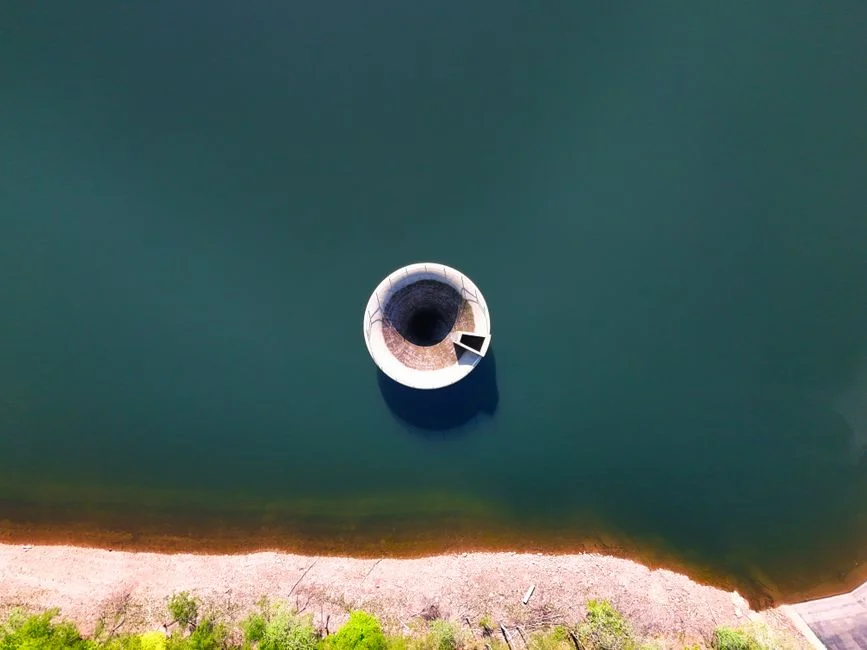
A treatment train normally moves through screening or primary separation, biological treatment, solids clarification, disinfection and final discharge or reuse. The equipment boundary depends on the package: some quotations include only the biological reactor, while others also cover inlet works, aeration, sludge handling, disinfection, controls and effluent integration. Buyers should define that boundary before comparing proposals.
The HydropureWater product specification describes the WSZ underground A/O sewage treatment plant as anoxic/aerobic biological contact oxidation followed by sedimentation and disinfection in one buried package. The anoxic section supports biological treatment under conditions without oxygen; the aerobic section supplies oxygen for organic-matter removal. Clarification separates biological solids, while disinfection addresses the final microbiological control stage before discharge or reuse.
An MBR wastewater treatment system combines activated sludge with submerged PVDF membrane filtration. The product specification states filtration below 1 μm, but this should not be treated as proof of unrestricted reuse suitability: dissolved contaminants, nutrients, pathogens, salinity and the client’s reuse application still require evaluation. Membrane modules also need cleaning, replacement planning and access that does not depend on continuous power.
- Inlet conditioning: remove screenings and settleable material where required to protect downstream equipment.
- Biological conversion: reduce soluble and suspended organic matter through aerobic or anaerobic biological activity.
- Solids separation: clarify settled sludge in an A/O package or separate biomass through membrane filtration in an MBR.
- Disinfection: reduce remaining pathogens before the designated discharge or reuse point.
- Residuals management: define sludge extraction, storage, transport and an approved destination.
Anaerobic treatment is a separate option where COD reduction and biogas recovery are objectives. The December 2023 Cleaner Energy Systems study found UASB to be the best of the three evaluated technologies for biogas generation and simultaneous COD reduction. That finding concerns the technologies compared in the study; it does not establish that UASB suits every site or that a particular package will produce bankable energy.
Energy recovery is not automatic. The study’s highest scenario estimated 1986 GWh/year from 50% of total wastewater, but this was a modeled national scenario rather than guaranteed output from one plant. Buyers should demand plant-specific mass balance, operating assumptions and a realistic O&M plan. For operator support, the outsourced wastewater plant operation services guide explains the functions that should be assigned clearly.
Compare A/O package plants and MBR systems
The verified A/O and MBR specifications describe different configurations, so capacity figures are meaningful only when matched to the same duty basis. The WSZ specification gives 1–80 m³/h, integrated A/O contact oxidation, sedimentation, disinfection, below-grade installation and optional trailer mounting. The MBR specification gives 10–2,000 m³/day, submerged PVDF filtration below 1 μm and a stated 60% smaller footprint than conventional systems. These are supplier specifications, not Bangladesh-specific comparative performance tests.
The A/O package is easiest to shortlist where the treatment objective can be met through a compact biological process and the project can accommodate its civil installation and routine maintenance. Its buried configuration may reduce the above-ground visual footprint, but it does not remove excavation, access, ventilation, odor, sludge-removal or power requirements. Confirm whether the quoted configuration includes commissioning equipment, aeration, controls, inlet protection and post-treatment disinfection.
An MBR is more relevant when the project gives priority to a constrained footprint, membrane-based solids separation or a demanding reuse application. That priority must be tested against the full operating burden. The stated footprint advantage excludes the surrounding civil works unless the supplier explicitly guarantees otherwise. Membrane cleaning, replacement, transmembrane pressure, aeration demand, standby arrangements and skilled support can determine whether the apparent space saving delivers a practical lifecycle outcome.
Before comparing bids, ask each supplier to address the same site conditions:
- design flow, peak and minimum flow, and the treatment duty used in the selection;
- domestic-sewage suitability and exclusion of industrial inputs;
- flood elevation, inlet conditions and wet-weather operating response;
- odor containment, access, automation, remote monitoring and power dependence;
- sludge quantity, removal frequency, storage and destination;
- receiving discharge point and the intended reuse application.
The supplied research contains no Bangladesh-specific cost or performance comparison between the WSZ and MBR systems. Obtain project-specific quotations and guarantees instead of transferring catalogue capacities directly into a complete-plant comparison. The package treatment plant buying guide and the compact treatment unit selection guide provide structured checks for this comparison.
| Item for comparison | WSZ A/O package specification | MBR specification | Buyer check |
|---|---|---|---|
| Verified capacity | 1–80 m³/h | 10–2,000 m³/day | Compare only against measured duty and confirmed operating basis |
| Treatment arrangement | A/O contact oxidation, sedimentation and disinfection in one buried unit | Activated sludge with submerged PVDF membrane filtration | Request process drawings and performance guarantees |
| Installation | Below grade or trailer mounting | Compact above- or below-grade arrangement subject to project design | Price civil works separately |
| Filtration statement | Not applicable | Below 1 μm | Do not equate pore-size filtration with reuse approval |
| Footprint | Buried configuration limits visible above-ground equipment | Supplier states 60% smaller footprint than conventional systems | Verify usable site area, access and ancillary facilities |
| Operational focus | Biological treatment, clarification and disinfection | Membrane separation and associated maintenance | Compare downtime exposure, parts and operator capability |
Build a sizing and supplier-selection checklist
Start with verified flow, not population alone. A useful design submission states the average flow, peak and minimum flows, contributing sources, expected seasonal variation and the duty used for every treatment component. Population can support forecasting, but it cannot establish flows already affected by infiltration, stormwater entry, groundwater, commercial activity or industrial discharges. A quoted unit must be checked against the complete treatment train rather than treated as an entire plant by default.
Request wastewater characterization covering BOD, COD, suspended solids and pH, together with relevant industrial inputs. The December 2023 Cleaner Energy Systems study identified COD and wastewater attributes as important inputs in assessing UASB and anaerobic digestion. Sampling should represent normal and adverse operating periods and define where industrial effluent is excluded or separately treated.
Next, define the effluent objective: discharge, irrigation, another domestic sewage reuse application, or a staged improvement. Identify the authority or client responsible for approval and require the supplier to state which parameter guarantees relate to that objective. Equipment selection should follow the duty and compliance route, not precede them.
- Establish flow: measured average, peak, minimum and seasonal duty.
- Characterize quality: BOD, COD, suspended solids, pH and industrial inputs.
- Define use: discharge or reuse destination, applicable criteria and approving body.
- Match equipment: WSZ 1–80 m³/h or MBR 10–2,000 m³/day against the verified duty and complete treatment train.
- Define interfaces: inlet works, effluent discharge, sludge removal, power and control connections.
- Secure guarantees: test protocol, acceptance criteria, remedy and responsible party.
Request installation drawings, civil-works exclusions, power requirements, automation details, O&M scope, spare parts, commissioning obligations, remote monitoring and performance guarantees. Require an explicit response to monsoon flooding, high-strength first-flush flows, odors, sludge removal and power interruptions. The seven-step packaged plant maintenance checklist can structure routine handover items, while the 2026 TSS sensor guide helps identify monitoring and instrumentation requirements.
| Procurement package | Minimum document or response required | Reason for buyer review |
|---|---|---|
| Design basis | Measured flows, wastewater characterization, duty calculation and treatment train | Confirms that the plant is neither undersized nor detached from site conditions |
| Technical compliance | Process description, drawings, applicable criteria and performance guarantees | Makes acceptance and non-performance remedies testable |
| Installation boundary | Civil scope, excavation, access, inlet, discharge, sludge and power interfaces | Prevents omitted works from becoming budget or schedule changes |
| Operations | O&M tasks, frequencies, consumables, spare parts, training and support | Connects procurement to the operating capability of the site |
| Resilience | Flood, power, odor and wet-weather procedures | Addresses the operating constraints identified in monsoon-exposed locations |
Model lifecycle priorities beyond purchase price
Operating arrangements can determine whether an installed system remains effective. The GOV.UK Khulna case study reported approximately 80% recovery of operational and maintenance costs, illustrating the need for a sustainable O&M funding model rather than an equipment-only financial plan.
Ask suppliers to separate equipment, civil construction, installation, commissioning, chemicals, electricity, sludge handling, operator training and replacement parts. Compare financing and support options against downtime risk, particularly where floods or power interruptions could interrupt biological treatment. Use the outsourced wastewater plant operation services guide to distinguish operator responsibilities, service levels and escalation routes.
The supplied research provides no reliable universal price for domestic sewage treatment systems in Bangladesh. A defensible budget therefore requires the measured duty, treatment objectives, site conditions, civil scope, installation requirements and a supplier quotation stating exclusions and recurring costs.
Frequently Asked Questions
How should a domestic sewage treatment plant in Bangladesh be sized?
Size the plant from verified average, peak and minimum flows, not population alone. Characterize BOD, COD, suspended solids and pH, then match the complete treatment train to the discharge or reuse objective. The cleaner Energy Systems study, December 2023, identified wastewater attributes as an important evidence gap, so national averages cannot replace site sampling.
What should a buyer request when comparing sewage treatment costs?
Request a project-specific quotation with equipment, civil works, installation, commissioning, power, chemicals, sludge handling, operator training, spare parts and O&M listed separately. The supplied research contains no reliable universal Bangladesh price, so a single advertised package rate is not a defensible budget. Ask the supplier to state exclusions, acceptance tests and recurring-cost assumptions.
How should an A/O package plant and an MBR be selected?
Evaluate an A/O package where a buried, integrated treatment arrangement suits the site and a simpler civil integration is required. Evaluate MBR where footprint, membrane solids separation or advanced reuse is important. Check each option against measured duty, flooding, access, sludge removal, power reliability and guaranteed effluent performance—not catalogue capacity alone.
What should be checked for a flood-exposed sewage treatment site?
Require the supplier to document the design flood level, inlet strategy, equipment elevation, access route, controls, standby arrangements and wet-weather operating response. The GOV.UK Khulna case study reports about 1800 mm average rainfall, with more than 80% during the June-to-October south-westerly monsoon, and documents flooding and dilute-flow problems.
Does membrane filtration alone authorize domestic sewage reuse?
No. The MBR specification states submerged PVDF filtration below 1 μm, but that statement does not establish approval for irrigation or another reuse application. Define the receiving environment or reuse use, identify the approving authority or client, and obtain written acceptance of the required effluent objectives before selecting equipment.
Related Equipment
- underground A/O sewage treatment plant — specifications, capacity range, and technical data
- MBR wastewater treatment system — specifications, capacity range, and technical data