Determine Which Limits Control the Sewer Discharge
Fabricated metals plants near Guntersville meet sewer pretreatment limits by first determining whether 40 CFR Part 433 metal-finishing standards or 40 CFR Part 467 aluminum-forming standards apply, then meeting the stricter local POTW limit at the sewer connection. A typical train segregates incompatible streams, equalizes batch dumps, removes oil and solids, reduces hexavalent chrome, oxidizes cyanide, precipitates dissolved metals, clarifies the sludge, adjusts pH, and verifies results through required monitoring. Equipment must be sized from representative influent data, not average flow or a generic product capacity.
Build the regulatory basis from what the plant actually does: fabrication, machining, cleaning, etching, plating, anodizing, rinse, paint stripping, cooling, and stormwater routed to the sanitary sewer. EPA applies the Metal Finishing regulation by process rather than industrial sector; 40 CFR Part 433 covers specified metal-finishing operations, while 40 CFR Part 467 addresses aluminum forming and integral operations (US EPA, current page accessed for 2026 guidance). SIC codes may support an initial screen, but they are not the final applicability test.
Separate PSES requirements for existing sources from PSNS requirements for new sources, and obtain the pretreatment authority’s written classification and regulatory determination. The current POTW permit then becomes the design basis after each parameter is compared with any applicable categorical standard. EPA explains that POTWs impose local limits at the industrial user’s point of connection to the collection system, and that these site-specific limits address the POTW’s treatment, sludge, receiving-water, and prohibited-discharge concerns (US EPA, “Pretreatment Standards and Requirements—Local Limits,” accessed 2026).
Do not assume that local limits are always numerically stricter than every categorical standard. Compare each parameter independently and apply the more stringent applicable requirement. Use the 2026 industrial pretreatment compliance guide as a document-control model, and have the receiving authority resolve ambiguities before equipment specification.
| Compliance-matrix field | Evidence the buyer should obtain | Design consequence |
|---|---|---|
| Categorical applicability | Process inventory and written determination for Part 433, Part 467, another category, or no categorical standard | Select the correct federal or incorporated limits before sizing |
| Existing or new source | Construction date, applicable PSES or PSNS basis, and authority confirmation | Prevent the wrong standards table from becoming the acceptance criterion |
| POTW limits | Current industrial-user permit, sewer limits, monitoring frequency, and violation-response procedure | Establish the final performance target at the point of connection |
| Monitoring evidence | Approved sampling method, location, frequency, record form, and resampling requirements | Define analyzers, composite sampling, chain of custody, and reporting duties |
| Change control | Permit conditions for process changes and notification | Create a design-review trigger for new alloys, chemicals, or production methods |
Characterize the Waste Streams Before Choosing Equipment
A one-week characterization program is needed because a four-hour composite may miss a Friday-afternoon batch release and undersize equalization, according to HydropureWater’s 2026 pretreatment guidance. The objective is not a single average concentration; it is a defensible record of flow, batch volume, operating hours, constituent peaks, and production variability.
Segregate streams before sampling. Clean rinse water, concentrated process baths, oily waste, cleaning chemicals, metal-bearing solutions, scrubber liquor, and episodic stormwater have different treatment duties. Combining them before characterization can conceal both hydraulic peaks and constituent loads. EPA’s 2026 Metal Finishing Effluent Guidelines guidance identifies cleaning and etching bath liquids, rinse water, scrubber liquor, spent lubricant, contact cooling water, and spent oil, emulsion, or soap solutions as wastes associated with aluminum-forming operations (US EPA, current page accessed for 2026 guidance).
HydropureWater’s 2026 field data provides an initial planning reference, not a substitute for site testing: oils were 50–500 mg/L, total dissolved metals were 5–200 mg/L, TSS was 100–1,000 mg/L, and pH ranged from 2 to 12 across batch dumps (HydropureWater, 2026). Measure flow, batch volumes, operating hours, pH, oil and grease, TSS, and regulated metals. Add cyanide or hexavalent chromium where the process inventory warrants it.
Document alloys, chemicals, machining methods, surface treatments, batch timing, and production-rate changes. They affect both treatment loading and the regulatory classification. The equipment-sizing discussion for wastewater equalization and solids separation illustrates why project-specific flow and load records must precede vendor selection.
| Stream | Minimum characterization | Primary design question |
|---|---|---|
| Concentrated process baths | Batch volume, pH, metals, process reagents, disposal frequency | Can the stream be segregated for dedicated treatment or controlled chemical dosing? |
| Rinsewater | First-rinse and later-rinse flow, concentration trend, reuse potential | Should dilution or reuse reduce treatment load? |
| Oily waste | Oil and grease, emulsification, suspended matter, flow | Which oil-removal mechanism is required? |
| Metal-bearing solutions | Total and dissolved metals, hexavalent chromium, cyanide where applicable | Which reduction, oxidation, and precipitation steps are necessary? |
| Scrubber liquor and sanitary stormwater routed to sewer | Flow variability, pH, metals, solids, routing and permit status | Should the stream be treated, segregated, or excluded from the sewer? |
Build the Pretreatment Treatment Train
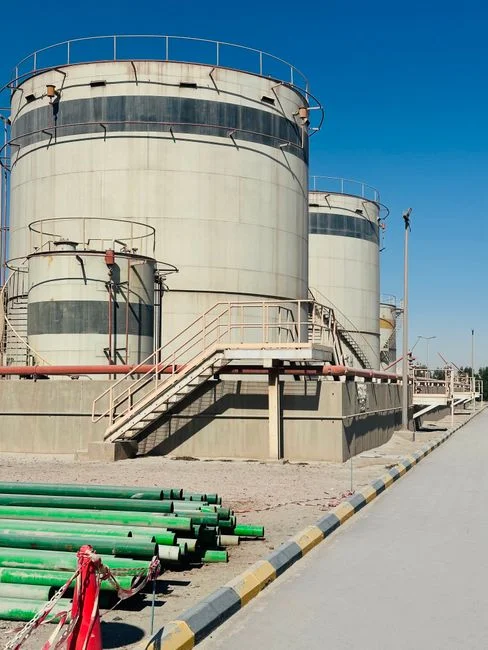
Equalization is the first hydraulic control because plating and finishing operations produce batch dumps rather than steady flow; size it from measured batch volumes and operating schedules, not average flow (HydropureWater, 2026). It stabilizes both flow and contaminant loading before downstream chemistry.
Remove recoverable oil, grease, colloids, and floatable solids before chemistry and clarification consume treatment capacity. A DAF system for fabricated metals wastewater is one candidate where those removal mechanisms are important.
Hexavalent chromium requires a dedicated reduction step before metals precipitation. Sodium metabisulfite or ferrous sulfate can reduce it to trivalent chromium at pH 2–3, with ORP controlled at roughly 250–300 mV, according to HydropureWater’s 2026 technical guidance. Oxidize cyanide before metals precipitation because cyanide can resolubilize downstream precipitates. Confirm the oxidation chemistry and endpoint through representative testing rather than assuming the sequence works for every bath chemistry.
Precipitate dissolved metals under controlled pH. HydropureWater identifies a trivalent-chromium precipitation range of pH 8.5–9.5 (HydropureWater, 2026), then separates the resulting hydroxide floc through DAF or lamella clarification. Any sulfide route must remain conditional on the actual metals, permitted chemistry, and receiving-authority requirements.
Protect the sludge train from rags, wipes, and tramp metal. HydropureWater identifies this debris as a common cause of premature filter-press cloth failure (HydropureWater, 2026). The rotary mechanical bar screen can therefore be placed ahead of equalization where those materials enter the collection system.
Use PLC-controlled dosing with flow-paced feed, pH or ORP feedback, pump calibration columns, stroke-count totalizers, and diversion to equalization during upsets. A PLC-controlled chemical dosing skid provides a single control architecture, but it does not replace required monitoring or permit reporting.
| Process step | Contaminant or failure addressed | Verification point |
|---|---|---|
| Bar screen | Rags, wipes, and tramp metal entering the sludge train | Screen condition and downstream capture |
| Equalization | Batch-flow peaks and variable pollutant loading | Level control and recorded operating range |
| Oil removal or DAF | Recoverable and emulsified oil, colloids, floatable solids | Oil and grease and TSS analysis |
| Hexavalent-chromium reduction | Hexavalent chromium remaining soluble | Hexavalent chromium and ORP endpoint |
| Cyanide oxidation | Cyanide interference with downstream precipitation | Representative cyanide endpoint testing |
| Chemical precipitation | Dissolved metals | pH, chemical dose, and applicable metal analysis |
| DAF or lamella clarification | Metal-hydroxide floc and residual solids | Solids removal and sludge withdrawal |
Match DAF, Clarification, and Polishing to the Effluent Objective
DAF is the stronger choice when recoverable oil, emulsified oil, colloids, or floatable solids are important removal targets; lamella clarification is appropriate when inclined-plate separation suits the wastewater chemistry and solids-loading duty. Neither device, by itself, establishes that dissolved metals meet the sewer limit.
HydropureWater lists 4–300 m³/h capacities across 13 standard DAF models. Its 2026 design guidance gives hydraulic surface loading of 4–20 m/h, an air-to-solids ratio of 0.005–0.060 with 0.02 typical, and recycle of 10–30% of forward flow (HydropureWater, 2026). These are starting points for engineering review, not substitutes for constituent testing and duty-cycle verification.
For compact clarification, supplied product data lists 20–40 m/h surface loading and states that chemical consumption can be up to 30% below its conventional-system basis, subject to project verification (HydropureWater, 2026 product data). Use the DAF versus lamella clarification for fabricated metals wastewater review to compare removal mechanisms and operating constraints.
Add filtration, reverse osmosis, or MBR only when the permit or reuse target justifies the added operation and monitoring. HydropureWater’s 2026 guidance associates RO with sub-ppm TDS or specific metal caps and MBR with BOD/COD tightening and reuse. A future anion-exchange or granular activated carbon polish skid can be reserved as a bolt-on when the plant’s selected PFAS strategy requires it; a pending rule does not establish a present numerical discharge limit.
| Option | Primary removal mechanism | Buy when | Required project evidence |
|---|---|---|---|
| DAF | Floatation of oil, colloids, and floc | Recoverable or emulsified oil and floatable solids are significant targets | Peak flow, oil load, solids characterization, recycle, and surface loading |
| Lamella clarification | Separation of settleable floc by inclined plates | Chemical precipitation produces suitable settleable solids | Hydraulic loading, settling behavior, sludge withdrawal, and chemical demand |
| Filtration or RO | Residual solids removal or membrane separation | A tighter permit, reuse target, or specified dissolved constituent requires it | Feed chemistry, fouling risk, monitoring, and reject route |
| MBR | Biologic treatment with membrane separation | BOD/COD tightening or reuse is part of the objective | Organic loading, membrane maintenance, and reuse criteria |
Verify Performance and Manage the Resulting Sludge

Compliance evidence must connect the treatment train to the permit. Monitor flow, pH, oil and grease, TSS, and applicable metals at locations defined by the permit and treatment strategy. Maintain records that link influent results, treatment settings, chemical use, effluent results, instrument calibration, bypass events, and corrective actions.
Configure automatic isolation or diversion for pH excursions, ORP outside its operating range, and high TSS. An upset should return to equalization rather than reach the sewer. Automated diversion is an operating safeguard, not evidence that sampling, reporting, or resampling obligations have been met.
Plan for floatable metal-hydroxide sludge. HydropureWater’s 2026 field data describes typical DAF output at 2–5% dry solids and 25–35% after plate-and-frame dewatering. The supplied plate-and-frame filter-press range is 1–500 m², but that range is only a procurement screen.
Verify filtration area from generated solids, batch frequency, cake handling, disposal acceptance, and operating cycle. Use the filter press sizing for metal hydroxide sludge review to define those inputs, and request a complete plate-and-frame filter press duty and cake-disposal proposal.
Prepare a Compliance-Ready Equipment Proposal
A defensible bid must connect each treatment step to a characterized pollutant, permit condition, sizing calculation, control action, and acceptance test. Require the bidder to provide a process flow, materials of construction, duty cycle, sizing calculations, control narrative, alarm and interlock list, testing plan, and permit-compliance responsibility matrix.
Also require stream-by-stream characterization, average and peak flow, batch-dump records, operating hours, future production assumptions, and proposed sampling locations. The chemical-wastewater equipment comparison provides a useful structure for comparing treatment alternatives against the same measured inputs.
Define startup testing, instrument calibration, operator training, chemical storage, maintenance, spare parts, and sludge-disposal responsibilities in the purchase order. Require confirmation that final performance targets come from the current permit and applicable standards under representative operating conditions. Changes to alloys, chemicals, production rate, machining methods, or surface treatments should trigger design review rather than informal operating adjustment.
| Bid package | Required content | Acceptance check |
|---|---|---|
| Design basis | Stream characterization, average and peak flow, batch records, operating hours, future changes | Every sizing calculation traces to project data |
| Process proposal | Flow diagram, unit duties, materials of construction, chemicals, sludge route | Each constituent maps to a control step |
| Controls | Control narrative, alarms, interlocks, calibration, diversion logic, records | Controls support the permit operating strategy |
| Verification | Startup tests, calibration, representative sampling, acceptance criteria | Performance is demonstrated under stated conditions |
| Lifecycle scope | Installation, training, maintenance, spares, chemical storage, solids disposal | Responsibilities and costs are assigned before award |
Frequently Asked Questions
How should treatment capacity be calculated for a fabricated metals plant?
Use characterized peak flow and constituent load, not a generic production rate. The proposal should show batch volumes, operating hours, episodic dumps, equalization retention, and calculations for each downstream unit.
When is DAF preferable to lamella clarification?
Prefer DAF when recoverable or emulsified oil, colloids, and floatable solids are important targets. Consider lamella clarification when chemical precipitation produces suitable settleable floc and the hydraulic and sludge-withdrawal duty fits. Neither alone proves dissolved-metals compliance.
What should a buyer request before approving an equipment proposal?
Request the wastewater characterization, flow and batch records, current permit, regulatory classification, sizing calculations, control narrative, alarm and interlock list, startup-testing plan, maintenance assumptions, and compliance responsibility matrix. Require every performance claim to be tied to a permit condition or characterized contaminant.
How should PFAS rulemaking affect equipment selection in 2026?
Design the pretreatment train so a suitable polish skid can be added later, but do not install and operate an assumed PFAS stage without a confirmed requirement or plant objective. Request the authority’s current position, the intended treatment objective, and a no-regret interface for future polishing.