Start with the manufacturing process, not the plant label
Fabricated metals plants near Batesville meet pretreatment limits by classifying their manufacturing operations, segregating incompatible waste streams, and treating them to the limits in their local sewer permit and any applicable categorical standard. EPA regulations are process-based: 40 CFR Part 433 covers specified metal-finishing operations, while 40 CFR Part 467 governs aluminum forming and certain integral operations. A practical system typically combines equalization, pH control, removal of oil and suspended solids, treatment for regulated metals where required, and documented monitoring before sewer discharge. The final equipment train must be confirmed against permitted limits, sampling results, flow variability, and the receiving sewer authority’s requirements.
EPA states that the Metal Finishing regulation is defined by manufacturing processes, not industrial sectors, although regulated facilities often fall within SIC Major Groups 34 through 39. If a plant performs any of six operations, discharges from the 46 operations listed in 40 CFR 433.10(a) are covered by Part 433 when the applicable condition is met (US EPA, current page accessed for 2026 guidance).
Build the classification record from what actually happens at the plant: fabrication, cleaning, etching, plating or finishing, rinse, machining, paint stripping, cooling, and stormwater that reaches the sewer. For aluminum, assess rolling, extrusion, forging, drawing, and integral ancillary activities against the six subcategories in 40 CFR Part 467. EPA says the category includes direct and indirect dischargers, and that casting, heat treatment, and surface treatment may be integral to aluminum forming (US EPA, current page accessed for 2026 guidance).
Do not use SIC codes as the final determination. Document the manufacturing inventory, identify the applicable category, and submit the reasoning to the local pretreatment authority. The 2026 industrial pretreatment compliance guide provides a useful document-control model for separating federal applicability from local permit conditions.
| Review item | Evidence to assemble | Regulatory question |
|---|---|---|
| Manufacturing operations | Process list, operating descriptions, alloys, chemicals and product changes | Do the operations match Part 433, Part 467, another category, or no categorical standard? |
| Wastewater sources | Discharge points, batch dumps, rinses, cooling water, scrubber liquor and stormwater routing | Which discharges enter the sanitary sewer? |
| Permit basis | Local pretreatment permit, sewer limits and incorporated standards | Which requirements apply to the final discharge? |
| Authority record | Process narrative, supporting data and written classification request | Has the pretreatment authority confirmed the regulatory basis? |
Map each waste stream to its regulated constituents
EPA identifies cleaning or etching bath liquids, rinse water, scrubber liquor, spent lubricant, contact cooling water, and spent neat oil, emulsion, or soap solution as waste streams associated with aluminum-forming operations (US EPA, current page accessed for 2026 guidance). A Batesville plant should list these separately rather than characterize the entire shop as one homogeneous discharge.
Keep clean rinse water, concentrated process baths, oily waste, cleaning chemicals, and metal-bearing solutions as distinct design streams. The pollution profile of a batch dump may differ substantially from recurring rinse discharge, so combining them before sampling can conceal both peak flow and constituent loading.
For an aluminum-forming site, treat surface treatment as integral during category review when it is performed at the same site as aluminum forming. EPA states that such surface treatment is not then considered for regulation under the Electroplating or Metal Finishing categories (US EPA, current page accessed for 2026 guidance). That classification conclusion does not remove the need to characterize the resulting wastewater.
Request a sampling program covering metals, oil and grease, suspended solids, pH, and every constituent regulated by the local permit. Identify episodic discharges, batch dumps, and first-flush streams, and sample representative production periods. The reverse-osmosis treatment review for etching wastewater illustrates why treatment selection must follow source characterization rather than precede it.
| Waste stream | Potential concern for investigation | Design or sampling implication |
|---|---|---|
| Cleaning, etching, plating or finishing baths | Metals, pH, cleaning chemicals and process reagents | Sample by bath and process; document batch volume and disposal frequency |
| Rinse water | Constituents transferred from the preceding operation | Distinguish first-rinse and later-rinse flows where reuse or segregation is possible |
| Scrubber liquor | Captured process constituents and variable pH | Check whether generation is continuous or episodic |
| Spent lubricant and neat oil | Oil and grease, with possible entrained solids | Segregate for oil-removal evaluation |
| Contact cooling water | Heat-transfer chemicals, oil and variable concentration | Determine whether discharge, reuse, recirculation or disposal is permitted |
| Emulsion or soap solution | Oil, surfactants and suspended matter | Test for treatment incompatibilities and emulsion behavior |
| Stormwater reaching the sewer | Solids, oil and facility contaminants | Confirm routing, permitted status and sampling obligations |
Before selecting equipment, obtain the local pretreatment permit, applicable federal category decision, sewer limits, monitoring frequency, sampling method, and resampling or violation-response requirements. These documents establish the performance target and the evidence needed to demonstrate compliance.
Build a pretreatment train around the sewer-discharge objective
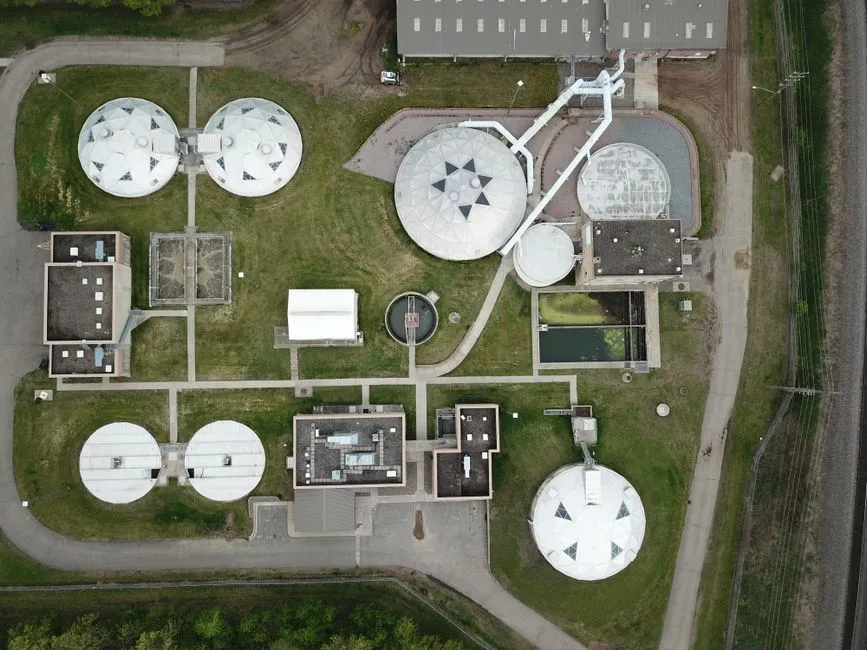
Segregate incompatible streams before treatment because concentration, oil content, chemical compatibility and batch timing affect the performance of every downstream unit. Concentrated baths should not be diluted merely to reduce the measured concentration, and clean water should not be used to mask an unresolved batch-discharge problem.
Equalization stabilizes flow and contaminant loading before pH adjustment or solids removal. Final capacity cannot be selected from an average flow alone; the design basis must include production schedules, batch-generation records, operating hours, episodic dumps and anticipated production changes.
Treat pH control as a process step, but also verify the final pH condition in the receiving sewer authority’s permit. The equipment should maintain the required condition without creating a discharge that violates another constituent limit.
For recoverable oil, grease, colloids or suspended solids, evaluate dissolved air flotation. A dissolved air flotation system for metalworking wastewater is available in a 4–300 m³/h range across 13 standard models, according to the supplied product data. Verify the selected duty against the characterized flow, pollutant load, operating schedule and required performance rather than relying on nominal throughput alone.
Where regulated metals are present, evaluate chemical precipitation followed by solids separation. The supplied research identifies sulfide precipitation as a treatment route for copper, lead and cadmium, but allowable chemistry and final targets must be checked against the plant’s actual permit and receiving authority. The sulfide precipitation for heavy metals reference provides a technical starting point, not a permit determination.
For compact clarification, evaluate a lamella clarifier where the wastewater characteristics support it. Supplied product data lists surface loading rates of 20–40 m/h and states that chemical consumption can be up to 30% lower than the stated conventional-system basis; both claims require confirmation against the proposed design.
Residual solids require a defined handling route. A plate and frame filter press is offered from 1 m² to 500 m² of filtration area, according to the supplied product data, and may be appropriate where batch or industrial solids volumes justify it. Confirm expected solids generation, cake handling, disposal route and operating cycle during design.
| Process need | Potential unit operation | Design verification |
|---|---|---|
| Variable flow or batch loading | Equalization | Production records, batch volumes, operating hours and required retention |
| pH outside permitted conditions | pH adjustment and chemical dosing | Influent range, mixing response, chemical demand and final permit condition |
| Oil, grease, colloids or suspended solids | Dissolved air flotation | Characterized load, selected range, operating cycle and solids removal |
| Regulated dissolved metals | Chemical precipitation plus clarification | Permitted chemistry, target concentration, residual solids and verification sampling |
| High-rate solids separation | Lamella clarification | Hydraulic loading, settling behavior, sludge withdrawal and chemical use |
| Residual sludge dewatering | Plate and frame filtration or another dewatering method | Solids quantity, cake handling, filtration area and disposal acceptance |
Protect the system with monitoring and control
Automated treatment does not establish compliance unless its controls, monitoring points and records satisfy the applicable permit and sewer authority’s requirements. A PLC-controlled chemical dosing system can support consistent dosing of coagulants, flocculants and pH adjusters, but chemical dose must be set from wastewater characterization and adjusted as operations change.
Monitor flow, pH, oil and grease, suspended solids, and applicable metals at points defined by the permit and treatment strategy. Establish operating ranges from representative wastewater testing; a result from one production condition does not establish constant performance across every alloy, chemical, bath and production rate.
Maintain a record set that connects operating conditions to compliance evidence. It should include influent results, treatment settings, effluent results, calibration records, chemical use, bypass events and corrective actions. Define how an upset triggers isolation, investigation, resampling or reporting under the applicable permit.
Use automatic controls as part of a management system, not as a substitute for required sampling, reporting or local sewer-authority oversight. The 2026 monitoring and analytics guide provides a broader framework for connecting operating data with process performance and verification.
Compare treatment equipment against real project constraints
Compare each device by removal mechanism and discharge objective. DAF addresses recoverable oil and floatable or dispersed solids; clarification addresses settleable material; chemical treatment addresses selected dissolved metals; filtration or membranes should be selected only when the required discharge result justifies their added operating and monitoring demands.
Require suppliers to size equipment from wastewater characterization, flow records, operating hours, batch dumps, retention-time objectives and future production changes. Nominal capacity is not a complete design basis. For the DAF option, compare the supplied 4–300 m³/h range and 13 standard models with the verified design flow and removal duty. For sludge dewatering, compare the supplied 1–500 m² filter-press range with expected solids generation, cake handling and disposal requirements.
Include installation, controls, chemical storage, space, maintenance, operator training and monitoring obligations in the procurement scope. A low equipment price can be outweighed by incompatible materials, unplanned service, incomplete controls or permit-documentation gaps.
Before award, require a proposed treatment train, materials of construction, duty cycle, control narrative, testing plan and permit-compliance responsibility matrix. Clarify who supplies process engineering, who performs startup testing, who calibrates instruments, and who prepares authority submissions. The high-efficiency sedimentation tank option should therefore be evaluated as part of a system, not purchased as a stand-alone assurance of compliance.
| Procurement criterion | Supplier information required | Buyer acceptance check |
|---|---|---|
| Pollutant duty | Treatment train mapped to characterized constituents and permit conditions | Each listed constituent has an identified control step |
| Hydraulic basis | Average flow, peak flow, batch dumps, operating hours and future changes | Sizing calculations use project-specific records |
| Equipment | Capacity range, materials, duty cycle and performance basis | Selected unit is suitable for the verified duty |
| Controls | PLC or control narrative, alarms, interlocks and chemical-dosing logic | Controls support the required operating strategy |
| Verification | Testing, calibration and permit-sampling plan | Responsibilities and acceptance criteria are documented |
| Operations | Maintenance, spare parts, training and solids disposal requirements | Lifecycle resources are included in the award |
Prepare the sewer-authority submittal and compliance record
The submittal should connect the manufacturing process to the final discharge obligation. Include the process description, wastewater characterization, proposed treatment train, flow and batch information, equipment data, control narrative, monitoring plan, solids-disposal route and startup testing requirements.
Identify the source of every requirement: the local pretreatment permit, an incorporated federal categorical standard, or another applicable control mechanism. Do not claim that a generic product guarantees compliance; the installed system must meet final permit conditions under representative operating conditions.
Maintain change control for new alloys, chemicals, production rates, machining methods, surface treatments and wastewater characteristics. A material operating change can alter both the applicable category analysis and the performance needed from the treatment train.
Frequently Asked Questions
Which pretreatment requirements apply to a fabricated metals plant near Batesville?
The answer depends on the facility’s actual manufacturing operations, wastewater characterization and local sewer permit. EPA applies the Metal Finishing regulation by process rather than industrial sector, while 40 CFR Part 433 addresses specified metal-finishing operations; 40 CFR Part 467 addresses aluminum forming and integral operations. Document the process inventory and obtain the pretreatment authority’s written determination rather than relying on SIC codes alone.
What information is needed to size a pretreatment system?
Request average and peak flow, batch-discharge volumes, operating hours, constituent concentrations, required treatment performance, production records and anticipated changes. Equalization and treatment capacity should be based on variability and load, not average flow alone. The final design must also reflect the permit, sampling results and treatment objectives.
How should an engineer select a wastewater-treatment supplier?
Require a proposed treatment train, sizing basis, materials of construction, duty cycle, control narrative, testing plan, maintenance assumptions, monitoring support and permit-submittal documentation. A supplier should explain how each unit addresses the characterized pollutant and should identify responsibility for startup, calibration, authority review and compliance verification.
What is the main compliance risk of buying treatment before category review?
The main risk is specifying equipment against the wrong regulatory and pollutant basis. Final performance targets must come from the applicable permit or incorporated standard, and the treatment train must be tested against actual manufacturing wastewater. The sulfide precipitation for heavy metals route remains conditional on the actual metals, chemistry and permit conditions.
Are DAF and chemical treatment sufficient for every fabrication-shop discharge?
No. DAF addresses recoverable oil and suitable solids, while chemical treatment can address selected dissolved metals under a defined chemical program. Metals, pH, oil, solids, local limits and stream characteristics determine whether additional or alternative unit operations are required.