Sulfide precipitation heavy metal treatment forms metal sulfides with solubility products far below common hydroxides, so copper (Cu), lead (Pb), and cadmium (Cd) often reach effluent below 0.01 mg/L. Industrial systems typically dose sodium sulfide (Na₂S) at 1.1–1.3× molar excess over metal ions and hold pH at 7.5–9.0. Under those conditions, plants commonly report up to 99.9% metal removal and can meet EPA-style discharge targets such as Pb at 0.015 mg/L while producing denser sludge for recovery.
Sulfide precipitation heavy metal removal specs
Sulfide precipitation removes copper, lead, and cadmium to below 0.01 mg/L by forming ultra-low-solubility metal sulfides. Plants typically dose sodium sulfide at 1.1–1.3× metal molar excess and hold pH at 7.5–9.0. About 90% of precipitation occurs in under 15 minutes, and 99.9% removal is reached in under 30 minutes when mixing is adequate.
Most plants we size for electroplating or battery recycling run Na₂S closer to 1.1–1.2× when influent metals are stable. They reserve the upper 1.3× end for variable feeds where incomplete precipitation is costly. Excess sulfide past that band mainly raises H₂S risk and reagent cost rather than effluent quality.
Field jar tests still matter even when the molar math looks clean. Operators spike the plant sample with the same Na₂S grade used on the skid, then read residual metal after 10–30 minutes at the planned pH. If residual metal stays high while sulfide residual climbs, look for complexing agents or wrong speciation before simply adding more reagent.
Why Sulfide Precipitation Outperforms Hydroxide for Heavy Metal Removal
Sulfide precipitation outperforms hydroxide precipitation for ultra-low heavy metal limits because metal sulfide solubility constants are orders of magnitude lower than the matching hydroxides. Copper sulfide (CuS) has a Ksp of 6.3×10⁻³⁶, while copper hydroxide (Cu(OH)₂) sits at 2.2×10⁻²⁰, so CuS is about 10¹⁶ times less soluble. That gap is why sulfide trains often hold Pb and Cd below 0.01 mg/L, whereas hydroxide trains more often land in the 0.5–1.0 mg/L band.
Mercury (Hg) and silver (Ag) usually need sulfide chemistry because hydroxide precipitation alone rarely meets discharge limits. Zinc (Zn) and nickel (Ni) can still use hydroxide, but sulfide becomes the preferred path when limits tighten or when metal recovery from wastewater sludge pays the OPEX. Optimal operation stays near pH 7–9, which avoids the pH 9–11 zone common in hydroxide circuits and reduces resolubilization of amphoteric metals such as Zn, Pb, and Cr.
Selective precipitation also shrinks sludge volume because non-target ions co-precipitate less. For chromium-bearing streams that cite a "ksp ≈ 10⁻³⁶" metal sulfide comparison, reduce Cr⁶⁺ to Cr³⁺ first; sulfide does not replace that reduction step.
Hydroxide circuits remain useful as a first cut when permits sit near 0.5–1.0 mg/L and sludge disposal is cheap. Once the outfall limit drops toward 0.01 mg/L for Pb or Cd, the solubility gap in the table above usually forces a sulfide polish or a full sulfide primary stage.
| Metal | Metal Sulfide (Ksp) | Metal Hydroxide (Ksp) | Typical Effluent (Sulfide) | Typical Effluent (Hydroxide) |
|---|---|---|---|---|
| Cu | 6.3×10⁻³⁶ | 2.2×10⁻²⁰ | <0.005 mg/L | 0.1–0.5 mg/L |
| Pb | 8.0×10⁻²⁸ | 1.4×10⁻²⁰ | <0.01 mg/L | 0.5–1.0 mg/L |
| Cd | 1.0×10⁻²⁸ | 7.2×10⁻¹⁵ | <0.005 mg/L | 0.1–0.5 mg/L |
| Hg | 1.6×10⁻⁵² | 3.0×10⁻²⁶ (Hg(OH)₂) | <0.001 mg/L | 0.05–0.1 mg/L |
| Ni | 3.0×10⁻¹⁹ | 6.0×10⁻¹⁶ | <0.05 mg/L | 0.5–1.0 mg/L |
| Zn | 3.0×10⁻²³ | 3.0×10⁻¹⁷ | <0.02 mg/L | 0.2–0.8 mg/L |
Engineering Specs for Sulfide Precipitation: Molar Ratios, pH, and Reaction Kinetics
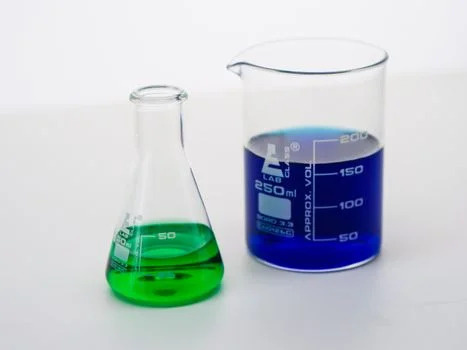
Precise sulfide-to-metal molar control decides whether a sulfide precipitation heavy metal train hits compliance without wasting reagent. Industrial applications typically employ a sulfide-to-metal molar ratio of 1.1–1.3× to finish target ions while covering side reactions and influent swings. Dosing below 1.1× leaves dissolved metal; dosing above 1.3× leaves residual sulfide that can strip as H₂S if pH slips.
Metal-specific pH windows tighten selectivity. Copper (Cu) prefers pH 7.5–8.5, lead (Pb) pH 8.0–9.0, zinc (Zn) pH 8.5–9.5, and cadmium (Cd) pH 7.0–8.0. Hold those bands to limit soluble complexes and H₂S release. Reaction kinetics stay fast: 90% precipitation in less than 15 minutes and 99.9% removal in under 30 minutes when mixing disperses reagent evenly. That speed supports compact continuous reactors.
Common sodium sulfide dosing for wastewater uses Na₂S flake or liquid, H₂S gas, or biologically produced HS⁻. Na₂S is the practical default for controlled metering. H₂S gas is precise but needs sealed handling. Biogenic HS⁻ can cut reagent cost on large, dilute streams, yet concentration control is harder. Redox also matters for selective precipitation of heavy metals; Cu²⁺ can reduce toward Cu⁺ and change precipitate stoichiometry. A PLC-controlled sodium sulfide dosing system for heavy metal precipitation keeps molar ratio and pH on the same control loop.
Storage and make-down deserve the same discipline as the reactor. Keep Na₂S solutions covered, track assay drift between 90% and 98% product, and interlock dosing pumps with pH and H₂S alarms. Plants that skip those interlocks often chase false high doses after a low-pH excursion rather than fixing mixing or probe calibration.
| Heavy Metal | Optimal pH Range | Sulfide-to-Metal Molar Ratio (Na₂S) | Reaction Kinetics (90% Removal) | Ksp of Metal Sulfide |
|---|---|---|---|---|
| Copper (Cu) | 7.5–8.5 | 1.1–1.2× | <10 minutes | 6.3×10⁻³⁶ |
| Lead (Pb) | 8.0–9.0 | 1.2–1.3× | <15 minutes | 8.0×10⁻²⁸ |
| Cadmium (Cd) | 7.0–8.0 | 1.1–1.2× | <10 minutes | 1.0×10⁻²⁸ |
| Zinc (Zn) | 8.5–9.5 | 1.2–1.3× | <20 minutes | 3.0×10⁻²³ |
| Nickel (Ni) | 7.5–8.5 | 1.1–1.2× | <15 minutes | 3.0×10⁻¹⁹ |
| Mercury (Hg) | 6.0–7.5 | 1.1–1.2× | <5 minutes | 1.6×10⁻⁵² |
What is the pH for nickel sulfide precipitation?
Nickel sulfide precipitation works best at pH 7.5–8.5 with a Na₂S-to-nickel molar ratio of 1.1–1.2×. Under those conditions, about 90% removal typically occurs in under 15 minutes when mixing is uniform. Drift above that window rarely helps nickel and can push neighboring amphoteric metals back into solution. For nickel-focused cost models, see nickel removal via sulfide precipitation: 2026 specs and cost models.
Step-by-Step Process Design: From Influent to Effluent Compliance
Process design for heavy metal wastewater treatment by sulfide precipitation starts with influent characterization and pretreatment. Acidic feeds such as acid mine drainage need pH lift into the sulfide window before Na₂S addition. Hexavalent chromium (Cr⁶⁺) must be reduced to trivalent chromium (Cr³⁺), often with sodium bisulfite, before any sulfide step, because Cr⁶⁺ does not precipitate well as a sulfide. Detailed engineering specs for chromium removal via sulfide precipitation belong on that dedicated page.
Flows above 50 m³/h usually favor inline mixing with static mixers or rapid agitators. Smaller or highly variable flows fit batch reactors better. After precipitation, solids separation drives the final dissolved-metal number. Sedimentation tanks, especially a lamella clarifier for rapid metal sulfide settling, are commonly designed for surface loading rates of 0.5–1.0 m/h and sludge retention times of 2–4 hours.
Dewatering with a high-efficiency filter press for metal sulfide sludge dewatering can achieve up to 95% solids capture and cut haul volume. High-metal cakes may go to recovery rather than landfill. Finish with pH trim to the typical discharge band of pH 6–9, then polish with ion exchange or activated carbon only when residual metals still miss EPA discharge limits for heavy metals.
Keep sulfide sludge anoxic until the press if the cake is destined for recovery. Air exposure can oxidize sulfide solids, lower metal grade, and push a fraction of metal back to the filtrate. Most recovery-focused plants we support press in short campaigns and cover hoppers between runs.
How does arsenic remediation with sulfide precipitation work?
Arsenic remediation with sulfide precipitation is used when As co-travels with heavy metal Cu Pb Se type streams and hydroxide alone leaves too much residual metalloid. Arsenic chemistry is more speciation-dependent than Cu or Pb, so plants usually confirm As(III)/As(V) split and competing iron before locking reagent dose. Selenium (Se) in the same heavy metal Cu Pb Se matrix often needs the same sealed sulfide reactor discipline because residual sulfide and redox drift control both metals and metalloids.
Treat arsenic as its own control loop inside the sulfide train. Separate ORP and residual-sulfide setpoints from the Cu/Pb loop when As dominates toxicity limits, then verify filtrate As after clarification rather than relying on reactor spot samples alone. Selenium follow-through uses the same sampling habit: dissolved Se after solids capture, not only total Se on the mixed liquor.
Do not stretch sulfide precipitation into every co-contaminant. Chemical precipitation phosphorus removal wastewater duty still belongs to iron or aluminum salt precipitation, not Na₂S. Keep sulfide skids for metals and metalloids that form sparingly soluble sulfides; send orthophosphate to a dedicated chemical precipitation stage. Mixing both duties in one tank usually wastes sulfide and still misses phosphorus targets.
Sulfide vs. Hydroxide Precipitation: Head-to-Head Comparison for 6 Key Metals
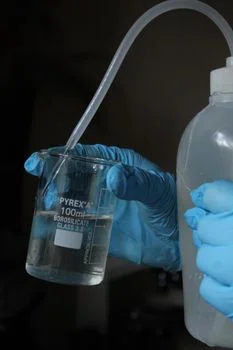
Choosing sulfide versus hydroxide for heavy metal wastewater treatment by sulfide precipitation changes effluent quality, sludge mass, and recovery value. Sulfide trains often hold Pb and Cd below 0.01 mg/L, while hydroxide trains more often report 0.5–1.0 mg/L. That gap matters whenever EPA discharge limits for heavy metals sit near the low end of the table. Sulfide precipitation also produces 30–50% less sludge volume compared to hydroxide methods because metal sulfide solids are denser and less hydrated.
Reagent unit cost still favors NaOH at about $0.40/kg over Na₂S at about $1.20/kg, yet sulfide often needs less reagent mass—around 50% less by mass in the comparison model—so OPEX can converge. Metal recovery from wastewater sludge is stronger on the sulfide path: cakes are typically 2–3× more concentrated in target metals, for example about 30% Cu in sulfide sludge versus about 10% Cu in hydroxide sludge. Copper-specific recovery notes are covered in copper recovery from wastewater using sulfide precipitation.
Operations trade gas risk for pH simplicity. Sulfide systems need H₂S gas monitoring in wastewater treatment, sealed reactors, and ventilation. Hydroxide systems avoid that gas load but often run above pH 10, raising chemical use and amphoteric resolubilization risk.
| Parameter | Sulfide Precipitation | Hydroxide Precipitation |
|---|---|---|
| Typical Effluent (Pb/Cd) | <0.01 mg/L | 0.5–1.0 mg/L |
| Sludge Volume | 30–50% less | Higher |
| Reagent Cost (per kg) | Na₂S: $1.20/kg | NaOH: $0.40/kg |
| Reagent Mass Required | Lower (50% less by mass) | Higher |
| Metal Recovery Potential | High (2–3× more concentrated sludge) | Lower (less concentrated sludge) |
| Operational Complexity | H₂S gas monitoring, precise pH control (7-9) | pH control (>10), risk of amphoteric resolubilization |
Cost Breakdown and ROI: CAPEX, OPEX, and Payback Period for Industrial Systems
CAPEX for industrial heavy metal wastewater treatment by sulfide precipitation typically ranges from $50,000 to $500,000 for 10–500 m³/h trains. That envelope covers dosing skids, mixers, clarifiers, and H₂S monitoring plus ventilation. Automation level and site layout move cost inside the band. A PLC-controlled sodium sulfide dosing system for heavy metal precipitation raises CAPEX but usually cuts reagent waste over the first operating year.
OPEX commonly falls between $0.80–$2.50/m³ of treated wastewater. About 60% of that OPEX is Na₂S reagent when metal load is high, so influent concentration and molar-ratio discipline dominate the bill. Power for pumps and mixers, labor, and sludge disposal fill the rest. Reagent purity choices such as 90% versus 98% Na₂S change both unit price and effective dose.
Payback can land in 12–24 months on high-metal streams from smelters, electroplating shops, and battery recycling plants when metal recovery from wastewater sludge is real. Sulfide routes with metal sulfide solubility constants below 10⁻²⁵ for metals such as Cu, Pb, and Hg usually show the clearest recovery advantage over hydroxide.
When recovered metal credit is weak, the ROI case shifts to sludge hauling and permit risk. A 30–50% sludge volume cut still lowers disposal fees, and avoiding chronic 0.5–1.0 mg/L hydroxide residuals can eliminate polishing chemicals that quietly erase the NaOH unit-cost advantage.
| Cost Category | Typical Range/Driver | Notes |
|---|---|---|
| CAPEX (10–500 m³/h) | $50,000 – $500,000 | Includes dosing, mixing, sedimentation, H₂S monitoring |
| OPEX (per m³) | $0.80 – $2.50 | 60% often from Na₂S reagent |
| ROI (Payback Period) | 12 – 24 months | For high-metal waste streams, driven by metal recovery |
| Reagent Purity | 90% vs. 98% Na₂S | Higher purity can improve efficiency, reduce consumption |
| Sludge Disposal Fees | Variable by region/metal | Reduced by lower sludge volume, metal recovery |
Troubleshooting Common Issues: H₂S Gas, Incomplete Precipitation, and Sludge Handling

Most operating upsets in heavy metal wastewater treatment by sulfide precipitation trace to pH, dose, or solids capture—not to exotic chemistry. H₂S gas monitoring in wastewater treatment matters because dissolved sulfide converts to H₂S when pH drops below 7 or when poor mixing creates acidic pockets. Keep reactor pH in the 7.5–9.0 working band, seal the tank, ventilate, and mix hard enough to erase local low-pH zones.
Incomplete precipitation usually means the sulfide-to-metal ratio fell below 1.1–1.3× against the real-time influent load. Competing chloride or sulfate peaks can also demand a small dose or pH trim. Poor settling often needs polymer flocculation, a tighter lamella clarifier for rapid metal sulfide settling, or a Dissolved Air Flotation (DAF) System when fines refuse to settle.
Resolubilization appears when pH drifts after precipitation or when sulfide solids oxidize. Continuous pH and redox checks, a slight sulfide excess, and anoxic sludge holding until dewatering prevent that bounce-back. Foul odors that are not classic H₂S can signal broader anaerobic sulfur products; controlled aeration or hydrogen peroxide (H₂O₂) dosing stabilizes those cakes.
Write troubleshooting as a short decision tree on the control room board: check pH first, then molar ratio against the latest metals panel, then clarifier loading at 0.5–1.0 m/h, then polymer dose. Jumping straight to more Na₂S is the most common way plants create H₂S complaints without fixing the real bottleneck.
Selection checklist, fit, and next step
Who this is for: plating, mining, battery recycling, and smelter wastewater teams that must hold Cu, Pb, Cd, Ni, Zn, or Hg below roughly 0.01–0.05 mg/L and want denser recoverable sludge. Who should look elsewhere: plants whose main duty is chemical precipitation phosphorus removal wastewater control, or Cr⁶⁺ reduction without a metals sulfide stage—those unit processes stay upstream or on separate skids.
Selection checklist before you freeze P&ID:
- Confirm target metals and any As/Se co-load with speciation, not totals alone.
- Lock Na₂S molar excess inside 1.1–1.3× against measured metal equivalents.
- Set metal-specific pH windows and sealed H₂S monitoring.
- Size clarification at 0.5–1.0 m/h surface loading with 2–4 h sludge retention.
- Decide landfill versus recovery based on cake grade, not wet sludge volume.
- Budget OPEX with Na₂S as about 60% of $/m³ when metal load is high.
- Keep a polishing option (IX or carbon) only for the residual metals that miss the permit.
If you already have flow, metals panel, and permit limits, share the influent data for a sulfide dosing and clarifier layout check before buying tank volume you will not use.
Frequently Asked Questions
What is the optimal pH for sulfide precipitation of copper?
The optimal pH range for sulfide precipitation of copper (Cu) is 7.5–8.5. That window maximizes CuS formation while limiting H₂S release from residual sulfide. Pair it with a 1.1–1.2× Na₂S-to-copper molar ratio and strong mixing so 90% removal can occur in under 10 minutes.
How much sodium sulfide is needed to remove 1 kg of lead?
About 340 g of Na₂S at 98% purity removes 1 kg of lead when you apply a 1.2× molar excess. The stoichiometry uses Pb at 207.2 g/mol and Na₂S at 78.04 g/mol. Real plants still trim dose against on-line metal load because side reactions consume part of the sulfide.
Can sulfide precipitation remove chromium from wastewater?
Sulfide precipitation is not effective for direct chromium removal when chromium remains as Cr⁶⁺. Reduce hexavalent chromium to Cr³⁺ first, then precipitate; Cr³⁺ is commonly taken out by hydroxide precipitation at pH 8–9. A dedicated chromium page covers the reduction-plus-precipitation sequence in more detail.
What are the EPA discharge limits for heavy metals after sulfide precipitation?
After effective sulfide precipitation, industrial effluents can meet stringent EPA discharge limits such as Pb 0.015 mg/L, Cd 0.01 mg/L, and Hg 0.002 mg/L. Copper and nickel targets in the same comparison set sit near 0.05 mg/L and 0.2 mg/L. Always confirm the permit that applies to your outfall category.
| Heavy Metal | EPA Discharge Limit (Typical) |
|---|---|
| Lead (Pb) | 0.015 mg/L |
| Cadmium (Cd) | 0.01 mg/L |
| Mercury (Hg) | 0.002 mg/L |
| Copper (Cu) | 0.05 mg/L |
| Nickel (Ni) | 0.2 mg/L |
Is sulfide precipitation safe for drinking water treatment?
Sulfide precipitation is generally not recommended for drinking water treatment because H₂S gas and residual sulfide create taste, odor, and safety issues. The process is built for industrial effluents where sealed reactors, ventilation, and sulfide residual control are already required. Use drinking-water-approved processes for potable trains instead.