What sets the enforceable limit for a Chester-area plant?
Food and beverage plants near Chester meet pretreatment limits through a permit-specific treatment train—not a universal equipment package. Under 40 CFR Part 403, the receiving POTW or other control authority applies applicable requirements, including numeric limits, narrative prohibitions, and best management practices. Food-process categorical standards in 40 CFR Parts 405–409 may apply, but the current industrial-user permit establishes the enforceable site conditions and may be stricter. A defensible train screens and equalizes the wastewater, removes FOG and solids with DAF, reduces soluble organics biologically, adds chemical phosphorus control if required, and verifies compliance through sampling, flow, and pH records.
Start the project by identifying the exact public sewer receiving point and the authority administering the local pretreatment program. The US EPA states that the control authority is the POTW for a POTW with an approved pretreatment program; otherwise it is the Approval Authority (US EPA, “Pretreatment Standards and Requirements—Applicability”). The authority applies the most stringent applicable requirement when several provisions apply. That makes the permit, its appendices, local limits, and applicable prohibitions the controlling design inputs—not an industry treatment benchmark.
Map the plant’s principal production category to the categorical standards. Part 405 covers dairy products, Part 406 grain mills, Part 407 canned and preserved fruits and vegetables, Part 408 canned and preserved seafood, and Part 409 meat products (HydropureWater, 2026). A plant can also have separable streams, such as dairy, brewing, rendering, or cleaning operations, so characterize each stream before combining it with washwater.
Federal categorical requirements establish a process-specific floor. The site permit may be stricter because the POTW must account for its operation, sludge handling, interference or pass-through, and receiving waters (HydropureWater, 2026). Requirements can take the form of numeric limits, narrative prohibitions, or best management practices (US EPA, “Pretreatment Standards and Requirements—Applicability”).
There is an important location limitation here: the supplied research does not identify the receiving Chester-area POTW or a Chester-specific numeric limit. Before final design, obtain the current industrial-user pretreatment permit, local limits, discharge-point restrictions, monitoring schedule, and applicable categorical category from the control authority. The food and beverage wastewater sewer-limit guide provides a useful hierarchy, but it cannot replace the governing permit.
Build a permit-to-equipment compliance matrix
Every enforceable discharge condition should have an assigned treatment function, measurement point, record owner, and escalation path before equipment is specified.
The preliminary parameter list is BOD/COD, TSS, FOG, total phosphorus, pH, and temperature, with the final list taken from the plant permit. HydropureWater reports raw BOD of 1,000–10,000 mg/L for dairy and meat processing, FOG reaching several thousand mg/L in fryer, rendering, and stickwater streams, and total phosphorus commonly at 10–100 mg/L as P in cereal, dairy, and meat wastewater (HydropureWater, 2026). These characterize potential influent severity; they are not discharge limits or universal design flows.
| Permit condition or process risk | Primary treatment function | Monitoring and evidence |
|---|---|---|
| BOD/COD | Equalization, biological treatment, and final polishing as required | Representative influent testing; permit sample point; laboratory result and flow-weighted record |
| TSS | Screening, DAF or clarification, and biological solids separation | Turbidity or solids-related instrumentation where justified; composite sample where required |
| FOG | DAF with conditioning and scum removal | Influent FOG characterization; DAF operating record; permit FOG sample |
| Total phosphorus | Chemical precipitation followed by reliable solids removal, where required | Chemical dose, mixing and flocculation records; total phosphorus result |
| pH | Equalization and controlled chemical trim | Continuous pH trend, calibration status, alarm, operator action, and excursion record |
| Temperature | Equalization and biological load protection | Continuous temperature trend with batch and CIP chronology |
For each condition, specify the sensor or sample point, sampling frequency, responsible role, alarm or escalation rule, and reporting destination. Distinguish permit averages from instantaneous operating limits. A passing composite sample does not erase a pH excursion or a CIP release that overloads the treatment train.
Use digital wastewater monitoring for compliance evidence to connect alarms, operator actions, laboratory results, and submissions. The control narrative should define what triggers containment, release suspension, resampling, corrective work, and notification to the control authority.
Protect biological treatment from variable food-process loads

Representative sampling must cover the production cycle because one compliance sample cannot define the design envelope.
Sample normal production, cleaning, and peak discharge separately, then track product changes, batch volumes, discharge points, chemical use, and clean-in-place schedules. ALAR identifies food-process variability in flow and contaminant composition, including the effects of CIP chemicals on pH and biological treatment (ALAR Corp, “Food & Beverage Wastewater Treatment”). HydropureWater’s 2026 source likewise identifies batch changes, CIP cycles, and seasonal peaks as factors that can alter flow, organic load, pH, and temperature within hours.
The four primary sizing inputs are forward flow, peak-to-average ratio, raw BOD, and raw FOG. Representative TSS and production-stream testing support the biological and solids-removal calculations. Request these values by stream and operating period rather than averaging dissimilar production and CIP flows into one misleading dataset.
| Treatment option | Preliminary HydropureWater screening reference | Decision use |
|---|---|---|
| DAF | 4–25 m/h surface loading; 20–40% recycle | Compare proposals against measured FOG, TSS, actual peak flow, conditioning, and scum handling |
| Conventional activated sludge | 8–24 hours HRT; 3,000–5,000 mg/L MLSS | Preliminary biological comparison; final loading basis requires plant data |
| MBR | 4–10 hours HRT; 8,000–12,000 mg/L MLSS | Compare where solids separation, footprint, or an approved reuse objective justifies membrane operation |
These are preliminary comparison ranges from HydropureWater (2026), not guarantees. Equalization should buffer hydraulic peaks, batch dumps, temperature excursions, pH changes, and chemical load. Its controlled release rate must also be checked against downstream biological capacity; simply storing a CIP dump does not prevent an overload when it is released.
Screening comes before equalization and protected treatment units. A rotary mechanical bar screen should be assessed against actual debris, screen opening, approach velocity, extracted-solids handling, and installation constraints. Biological selection should follow the permit target and operating variability. An MBR wastewater treatment system for biological treatment and solids separation deserves comparison where low solids, constrained space, or approved reuse supports its added maintenance and operating burden.
Remove FOG before it reaches the municipal system
DAF is justified when the wastewater contains recoverable fats, oils, grease, oil, suspended solids, or colloidal material that would interfere with downstream treatment.
ALAR states that meat and poultry processing can generate wastewater rich in fats, oils, and grease; these constituents can clog pipes and interfere with biological treatment unless removed first (ALAR Corp, “Food & Beverage Wastewater Treatment”). For food-processing applications, DAF combines gas flotation, coagulation and flocculation, and physical scum removal. An industrial DAF system for FOG and solids removal should therefore be evaluated as a process system, not as a vessel selected only by flow.
HydropureWater gives 4–25 m/h surface loading and 20–40% recycle as preliminary DAF screening references (HydropureWater, 2026). These are not universal guarantees. Ask bidders to show how their proposed loading and recycle correspond to measured FOG, TSS, peak flow, feed characteristics, and expected scum volume. Confirm how saturation, recycle solids, and floating material are handled.
For FOG pass-through, diagnose the DAF before adding biological capacity. Inspect coagulant conditioning, recycle performance, scum removal, hydraulic loading, and whether high-FOG production streams are bypassing or overwhelming the unit. A downstream biological process is not a substitute for stable FOG removal because grease can coat biomass, clog equipment, and carry through the treatment train.
Pilot testing can be appropriate where wastewater characteristics vary substantially. ALAR notes that facilities can use pilot testing to validate performance before full-scale installation (ALAR Corp, “Food & Beverage Wastewater Treatment”). Set the pilot objective around the actual permit condition, including the relevant production stream and operating envelope, rather than a generic FOG-removal claim.
Use biological wastewater design for high-organic food-process streams to evaluate downstream loading and operational interaction. That comparison remains secondary to FOG removal: protect the biological stage before asking it to absorb a preventable solids or grease burden.
Control phosphorus and polish the final effluent
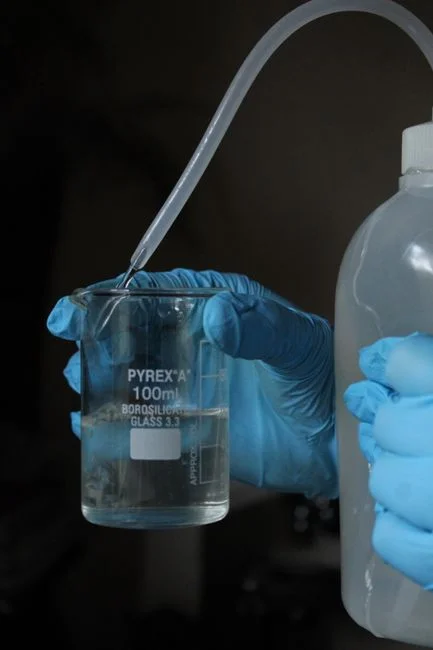
Chemical phosphorus control should be added only when the permit or verified plant data establishes the need.
The supplied research does not establish a blanket Philadelphia-area or Chester-area phosphorus limit. A plant must not infer one from the 10–100 mg/L as P influent range reported by HydropureWater (2026). First establish the enforceable effluent condition and characterize phosphorus through the relevant production streams.
HydropureWater provides preliminary chemical-dose references of 50–250 mg/L alum or 30–150 mg/L ferric chloride for comparative discussions (HydropureWater, 2026). These are screening values, not guaranteed doses or permit limits. A PLC-controlled chemical dosing system should be tied to measured flow and load, with visible alarms, dose records, calibration controls, and a defined response when chemical feed or mixing fails.
| Decision | Applicable option | Evidence needed before selection |
|---|---|---|
| Phosphorus removal is required | Chemical precipitation followed by solids separation | Permit condition, phosphorus form, alkalinity, dose testing, mixing, flocculation, and solids-removal performance |
| Additional solids polishing is justified | Lamella or high-efficiency clarification | Actual solids loading, settling behavior, required footprint, sludge removal, and effluent target |
| Low solids, limited space, or approved reuse is required | MBR with biological treatment and membrane separation | Permit target, biological loading, membrane area, cleaning, redundancy, energy, maintenance, and reuse permission |
HydropureWater cites 20–40 m/h surface loading for high-efficiency sedimentation as a preliminary reference (HydropureWater, 2026). A high-efficiency sedimentation tank still requires verification against actual solids loading, settling behavior, and footprint. If phosphorus solids break through, examine mixing, flocculation, chemical-dose control, and solids removal before increasing downstream capacity. Adding biological capacity does not correct poor phosphorus precipitation.
Disinfection should be included only when the permit or an approved reuse objective requires it. MBR should not be selected merely because a reference article shows a low TSS outcome; compare required effluent quality, footprint, sludge handling, reuse needs, membrane maintenance, and operating resources.
Manage sludge and preserve the compliance record
DAF skimmings and biological waste activated sludge are separate engineered waste streams, not residuals that can disappear into the treatment narrative.
Define dewatering, temporary storage, transport, and disposal for each stream. The receiving POTW’s solids-acceptance criteria, permitted disposal route, cake-handling constraints, and production schedule must be confirmed before selecting equipment. HydropureWater cites a plate-and-frame filter-press range of 1–500 m² filtration area producing cake at 22–28% dry matter (HydropureWater, 2026). Those values frame supplier comparison only; actual sludge generation, polymer demand, cake handling, and acceptance criteria govern selection.
Evaluate a plate-and-frame filter press against feed-solids variability, conditioning requirements, plate capacity, cycle time, wash-water demand, operator access, and the final disposal route. A numerical equipment range cannot substitute for a measured residual-solids balance.
HydropureWater reports that food and beverage permits commonly require 24-hour composite sampling for BOD, TSS, FOG, and total phosphorus at monthly-to-quarterly frequencies, with continuous pH and flow monitoring for significant industrial users (HydropureWater, 2026). Treat this as reported permit practice, not a universal schedule. Verify every parameter, averaging period, frequency, and monitoring qualification in the current Chester-area permit.
Retain alarm timestamps, operator actions, instrument status, flow-weighted sample records, laboratory results, corrective actions, and submission confirmations. Digital wastewater monitoring for compliance evidence should preserve the chronology between the affected batch, operating condition, response, and notification decision.
A passing laboratory sample does not erase an unreported excursion. If pH, flow, temperature, or another controlled condition exceeds the permit, the event record should show what was affected, who responded, whether release continued, whether resampling was performed, and whether notification was required.
Turn the treatment brief into a defensible procurement
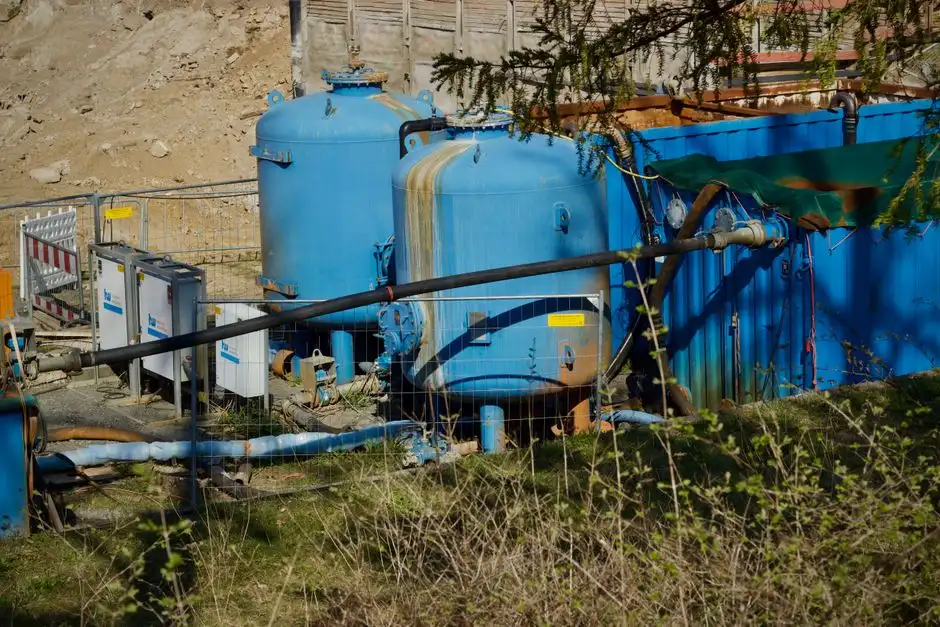
A defensible quotation must be tied to the plant’s permit, wastewater, production schedule, and site conditions.
Require each bidder to show how forward flow, peak-to-average ratio, raw BOD, raw FOG, representative TSS, permit conditions, and production and CIP schedules drive the proposed equipment. If a value is assumed, identify the assumption and the test or record needed to replace it.
| Bidder deliverable | Required content | Buyer check |
|---|---|---|
| Written sizing basis | Design flow, load, operating envelope, source data, and preliminary screening references | Can every value be traced to plant data or a stated permit condition? |
| Permit-to-process map | DAF, biological treatment, chemical dosing, final polishing, and sludge handling mapped to permit parameters | Does each condition have a treatment function and monitoring point? |
| Controls and monitoring plan | Sensor list, alarms, sampling, reporting interfaces, event retention, and escalation | Are failures, excursions, and notification decisions defined? |
| Operations and maintenance | Utilities, training, maintenance, redundancy, spare parts, consumables, and sludge route | Can plant staff operate and verify the system as proposed? |
| Commissioning evidence | Tests, acceptance criteria, training records, pilot work, and permit-related verification | Are acceptance criteria objective and traceable? |
Do not request a generic equipment price without a process basis. The supplied research supports a project-specific quotation based on actual flow, pollutant, permit, and site data, but it does not support a generic price. A comparable quotation should identify the unit scope, civil work, utilities, controls, installation, commissioning, training, pilot work, sludge handling, and permit-related verification.
Include schedule questions covering delivery, installation, commissioning, training, pilot work, and permit-related verification, without assuming a standard lead time. Ask each bidder to identify long-lead items, site constraints, approval dependencies, and the evidence required to close out commissioning.
Use the food and beverage wastewater sewer-limit guide as the commercial brief’s regulatory reference, then require each proposal to respond to the same permit matrix and sizing inputs. A generic equipment quotation is not a treatment proposal.
Frequently Asked Questions
How much will a food and beverage wastewater pretreatment system cost near Chester?
The supplied research does not support a generic equipment price. Request a quotation based on forward flow, peak-to-average ratio, raw BOD, raw FOG, representative TSS, the current permit, production and CIP schedules, site utilities, required controls, sludge handling, and commissioning scope. Compare bids using the same written scope so that differences in pretreatment, polishing, civil work, installation, and verification are visible.
What information is needed to size DAF and biological treatment equipment?
Provide forward flow, peak-to-average ratio, raw BOD, and raw FOG as the four core inputs, supplemented by representative TSS and production-stream testing. The permit target determines the required performance. HydropureWater’s DAF references of 4–25 m/h surface loading and 20–40% recycle, and its biological HRT and MLSS ranges, are preliminary comparison values—not guarantees (HydropureWater, 2026).
How should a buyer select a wastewater treatment supplier?
Require a written permit-to-process mapping, sizing basis, control and monitoring plan, sludge route, and commissioning evidence. Check that each permit condition has a responsible unit, measurement point, alarm or sampling method, record owner, and escalation rule. Also review utility demands, redundancy, operator training, maintenance, spare parts, and reporting-interface details.
What compliance risks arise if categorical standards and the site permit differ?
Categorical standards establish a process-category floor, while the current industrial-user permit establishes site-specific enforceable conditions and may be stricter. Confirm both with the control authority. Chester-specific numeric limits cannot be assumed from industry values; obtain the receiving POTW’s current permit, local limits, appendices, and applicable prohibitions before ordering equipment.
Should disinfection be added when the plant is near Chester?
No—not by assumption. Add disinfection only if the permit or an approved reuse objective requires it. First confirm the reuse application, receiving requirements, and any added treatment and verification obligations with the appropriate authority. The food and beverage wastewater sewer-limit guide provides the broader regulatory workflow, but it does not establish a local reuse or disinfection condition.
Related Equipment
- industrial DAF system for FOG and solids removal — specifications, capacity range, and technical data