Confirm Which Discharge Rules Apply in Goliad
Mining and metals plants near Goliad meet sewer pretreatment requirements by treating wastewater to the applicable POTW sewer-use ordinance, categorical standards, and written industrial-user permit before discharge to the sewer. Sewer discharges are governed through Clean Water Act §307(b) and 40 CFR Part 403; 40 CFR Part 437 applies to ore mining and dressing, while 40 CFR Part 433 applies to applicable metal-finishing operations. A defensible design starts by separating indirect sewer discharges from direct surface-water discharges, characterizing each outlet, and obtaining the controlling Goliad-area requirements before equipment is sized. The available research does not establish a current Goliad sewer ordinance, so no local numerical limit should be assumed.
The US EPA states that point-source discharges from mining operations, including discharges from associated impoundments, require NPDES authorization (US EPA, Industrial Wastewater). That requirement does not replace pretreatment authorization for a sewer connection. The same facility may need both: an NPDES permit for surface-water discharges and a POTW industrial-user permit for the sewer outlet.
Map each outlet independently—sanitary sewer connection, stormwater outfall, surface-water discharge, and hauled waste—then identify its destination, owner, flow path, and permit status. EPA defines local limits as site-specific requirements applied at the industrial user’s point of connection to the POTW collection system (US EPA, Pretreatment Standards and Requirements—Local Limits). Obtain the current sewer-use ordinance, categorical applicability determination, industrial-user permit, monitoring requirements, and written approval from the receiving control authority.
| Discharge route | Controlling framework | Buyer action |
|---|---|---|
| Indirect discharge to POTW sewer | CWA §307(b), 40 CFR Part 403, applicable categorical standards, POTW sewer-use requirements | Confirm categorical applicability, local limits, permit conditions, monitoring, and connection-point compliance |
| Direct surface-water discharge | NPDES authorization under CWA §402 | Map the outfall and obtain the applicable NPDES permit |
| Stormwater discharge | Applicable stormwater authorization | Keep it separate from the sanitary-sewer design basis until the authority confirms otherwise |
| Hauled waste | Waste classification, transporter, and receiving-facility requirements | Obtain written approval before producing or hauling the waste |
Characterize the Wastewater Before Equipment Selection
A screening profile cannot select a treatment train because mining wastewater can shift between acidic runoff, metal-bearing process solutions, washdown, and episodic dumps. The S1 mining profile identifies raw acid mine drainage and spent process solutions at pH 2–4, with total suspended solids from hundreds to several thousand mg/L, dissolved Pb, Cu, Zn, Cd, Ni, and As, and elevated sulfate and TDS (HydropureWater, How Mining & Metals Plants Meet Pretreatment Limits Before Sewer Discharge). Treat those values as a screening basis, not as a Goliad discharge limit.
Build a representative sampling program around clean production water, storm and leach-pad runoff, washdown, spent solutions, floor drainage, and the combined flow reaching the POTW connection. Measure flow by stream and record the two-hour peak flow, average daily flow, batch-dump duration, clean-out frequency, temperature, and pH variability. The analytical suite should cover metals, TSS, oil and grease, sulfate, and TDS. Ask the control authority whether PFAS analysis has been adopted and obtain the required analytical methods and reporting limits.
Jar testing is required to establish the precipitation pH for each metal rather than adopting a vendor operating point. The answer depends on the target species, competing ions, alkalinity, and the final POTW limit. Also request the sewer-use restrictions on pH excursions, suspended solids, metals, FOG, chlorine, chlorine dioxide, and sulfide. The 2026 mining pretreatment permit and equipment planning guide provides a useful structure for organizing this information, but local acceptance criteria remain controlling.
| Design input | Evidence to request | Decision supported |
|---|---|---|
| Flow regime | Average daily flow, two-hour peak, batch dumps, clean-outs, combined flow | Equalization and peak hydraulic capacity |
| Acidity control | pH range, alkalinity, acid-generation tendency | Reagent selection and staged dosing |
| Metals | Dissolved and total Pb, Cu, Zn, Cd, Ni, As, with detection limits | Hydroxide precipitation and possible sulfide polishing |
| Solids and organics | TSS, oil and grease, colloid behavior, settleability | DAF or lamella selection and filtration |
| Other constituents | Sulfate, TDS, sulfide, chlorine species, PFAS where required | Compatibility, pretreatment, and monitoring |
Build a Pretreatment Train That Can Pass the POTW Limits
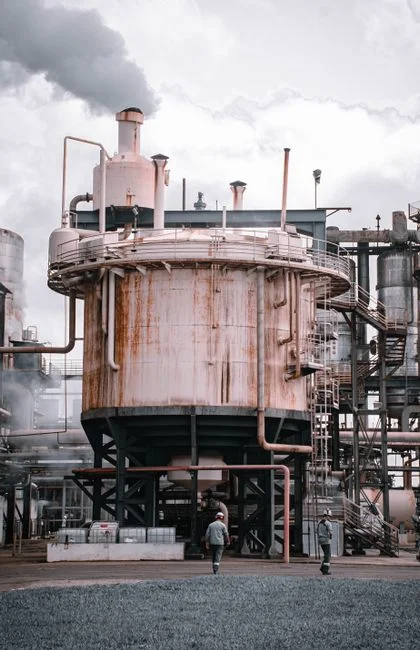
The treatment train should start with flow stabilization because clarification cannot reliably absorb an uncontrolled batch dump. S1 recommends an equalization basin sized for 8–24 hours of average daily flow to damp shift changes, dump-leach cycles, and mill clean-outs; it contrasts that basis with a four-hour basin, which can pass upstream spikes directly into clarification equipment (HydropureWater, S1). These are representative planning values, not requirements established by a Goliad permit.
Follow with PLC-controlled pH adjustment using lime or sodium hydroxide. S1 identifies 6.5–9.0 as a practical target and recommends staged dosing when influent pH varies by more than two pH units. A PLC-controlled pH and coagulant dosing system should be evaluated against the measured influent, final sewer limits, reagent hazards, and required control accuracy rather than selected from a generic flow table.
Hydroxide precipitation is the default because the chemistry is established and S1 reports 85–95% total-metals removal in properly controlled systems (Fluence, 2024-11, as cited by S1). Add sulfide polishing when the written limit requires a lower residual than hydroxide can reliably achieve. S1 reports residual Cu, Zn, Cd, and Ni of 0.01–0.05 mg/L with sulfide precipitation, compared with 0.5–2.0 mg/L with hydroxide treatment, while sulfide reagent cost is 2–4 times higher and requires sealed reactors with hydrogen sulfide scrubbing (HydropureWater, S1). Use that comparison only if jar tests and a pilot confirm the target metals and residuals.
Then select polymer coagulant aid, a solids-removal device, and filtration according to the actual oil, grease, colloid, and TSS profile. Multimedia filtration can provide a final TSS barrier; disinfection should be included only if required by the sewer-use ordinance or industrial-user permit. Route clarifier and DAF sludge to dewatering and a documented disposal pathway.
| Stage | Function | Acceptance basis |
|---|---|---|
| Equalization | Damp batch and variable flows | Average flow, batch duration, peak flow, and selected detention basis |
| pH control | Create conditions for precipitation | Measured pH range, jar-tested setpoints, staged-reactor response |
| Precipitation | Remove dissolved metals | Parameter-specific residual at the POTW connection |
| Solids removal | Separate metal sludge and floating material | Measured oil, colloid, TSS, and sludge characteristics |
| Filtration and disinfection | Provide final required barriers | Written POTW and categorical requirements |
Compliance must be demonstrated at the connection to the POTW collection system, not only at an intermediate treatment outlet. The process narrative, monitoring plan, and equipment guarantees should therefore use the same site-specific limit.
Choose DAF or Lamella Clarification for the Solids Load
DAF is the better starting candidate when the stream carries oil, grease, or fine colloidal metals; lamella is the stronger candidate when the flow is high, the footprint is constrained, and the primary solids are dense metal-hydroxide flocs. S1 lists DAF hydraulic loading of 5–25 m/h, TSS removal of 90–98%, and oil-and-grease removal of 85–95% in mining and metal-finishing service. For lamella, S1 lists surface loading of 20–40 m/h and lower chemical consumption because the sludge blanket is denser (HydropureWater, S1).
Lamella does not remove free oil or colloidal fines as effectively as DAF, according to S1. If either constituent is significant, add upstream oil and colloid controls rather than expecting the lamella to compensate for the wrong process selection. The DAF versus clarifier selection guide for industrial wastewater can support the comparison, but measured wastewater properties must drive the decision.
For DAF procurement, S1 describes a product range of 4–300 m³/h across 13 standard models, packaged skid arrangements below 10 m³/h, and parallel DAF trains or lamella as alternatives above 100 m³/h. Those are supplier-range planning values from S1, not proof that one configuration suits a particular mine. A DAF system for metal-bearing mining wastewater should be compared against a lamella bid using the same wastewater basis.
Size clarification for the measured peak flow, not merely the average. S1 recommends designing for the peak two-hour flow with 20–30% turndown capacity. Require the supplier to state the design flow, hydraulic loading, peak chemical demand, sludge withdrawal rate, minimum stable flow, and how short-duration batches pass through without carryover.
| Selection criterion | DAF | Lamella |
|---|---|---|
| Primary stream feature | Oil, grease, or fine colloidal metals | Metal-hydroxide sludge at high flow |
| S1 hydraulic basis | 5–25 m/h | 20–40 m/h surface loading |
| S1 solids performance | 90–98% TSS removal; 85–95% oil-and-grease removal | Effective for metal-hydroxide flocs |
| Chemical use | Requires coagulant and recycle-system assessment | S1 reports lower consumption because of a denser sludge blanket |
| Layout | Larger footprint relative to lamella | Compact arrangement for space-constrained sites |
| Required proof | Guaranteed performance on accepted wastewater | Guaranteed performance on accepted wastewater |
Manage Filter Backwash, Residuals, and Monitoring

Multimedia filtration should function as the final TSS barrier, not as the primary metals-removal unit. S1 specifies a 1–2 m/h filtration rate, differential-pressure-triggered backwash, and residual TSS below 10 mg/L under its stated design conditions (HydropureWater, S1). The filter must also satisfy any stricter written POTW limit. Size it for the backwash cycle rather than average production flow, as S1 directs, and route filtrate to the appropriate upstream process unit.
Clarifier and DAF sludge remains a waste stream requiring characterization and a defensible disposal plan. S1 describes plate-and-frame filter-press dewatering to 25–35% dry solids, producing stackable cake for permitted disposal or potential metal recovery. Confirm the waste code and destination with the waste contractor and receiving facility; filtration performance alone does not authorize disposal.
The monitoring plan should define sample locations, instruments, calibration, preservation, laboratory methods, chain of custody, flow-paced or time-paced compositing where required, record retention, and written responses to excursions. Include equalization and chemical-control trends so operators can identify the cause of an exceedance rather than only record it. S1 notes that Clean Water Act §309 civil penalties can reach $25,000 per day per violation, which makes documented controls material to compliance risk (HydropureWater, S1).
| Control point | Monitoring record | Operational response |
|---|---|---|
| Equalization | Flow, level, pH, batch-dump events | Investigate upstream surge and adjust diversion |
| Chemical dosing | Reagent use, pH, dose rate, tank level | Staged dose, confirm calibration, protect downstream equipment |
| Clarifier or DAF | Sludge depth, float or carryover, TSS, pH | Adjust polymer, withdrawal, or hydraulic loading |
| Filter | Differential pressure, flow, filtrate TSS | Initiate controlled backwash and route filtrate |
| POTW connection | Required metals, pH, TSS, FOG, and other regulated parameters | Escalate excursion and execute written response plan |
For residual handling, a plate-and-frame sludge dewatering system should be specified around measured cake characteristics and filtrate return. Chlorine dioxide or another disinfection step should be added only if the control authority requires it or the accepted wastewater assessment supports it.
Plan for POTW Approval and 2026 Compliance Risk
The permit application and equipment selection should proceed together, with the process narrative submitted before final sizing. Provide the wastewater characterization, flow diagram, proposed unit operations, chemical and sludge handling plan, control philosophy, monitoring locations, and preliminary equipment list to the POTW or industrial-user permitting contact. Ask for written confirmation of categorical applicability, local limits, sampling requirements, prohibited discharges, and connection-point compliance.
Separate confirmed permit values from representative planning values. S1 gives 2026 zinc and copper monthly-average ranges of 0.3–1.0 mg/L and 0.3–0.5 mg/L, respectively, as representative local sewer values. They are not documented Goliad limits and should not be used as design guarantees until confirmed by the receiving authority. The same distinction applies to treatment performance: a treatment-system guarantee is useful only when tied to the accepted wastewater characterization and the written discharge limit.
Evaluate regulatory developments identified in S1 as permit-cycle risks: local-limit reevaluation associated with the Lead and Copper Rule Revisions, PFAS monitoring expectations, and 2025 ore-mining BAT revisions (EPA 2024 Multi-Sector General Permit, finalized 2024-09; EPA 2025 ore-mining BAT revisions, 2025-03, as cited by S1). Confirm their current status with the control authority and applicable regulator rather than treating them as automatic Goliad requirements.
Put written acceptance criteria into each equipment bid: guaranteed flow basis, peak-flow turndown, pH-control accuracy, metals and TSS performance, backwash and sludge handling, PLC inputs and outputs, monitoring equipment, O&M documentation, commissioning tests, training, and spare parts. A generic statement that the equipment is “compliant” is not acceptable. Require the guarantee to reference the accepted influent envelope, test method, sample point, averaging period, and discharge limit.
| Approval package | Required content | Buyer acceptance check |
|---|---|---|
| Wastewater basis | Flow, pH, metals, TSS, FOG, sulfate, TDS, batch data | Representative data cover normal, peak, and worst credible conditions |
| Process narrative | Equalization through final treatment, controls, bypasses, sludge route | Equipment matches each documented contaminant source |
| Regulatory basis | Ordinance, categorical determination, permit, local limits, monitoring rules | Every limit is written and traceable to the control authority |
| Equipment guarantee | Flow, turndown, performance, controls, testing, documentation | Test protocol and remedy for nonperformance are explicit |
| Commissioning | Pre-start checks, calibration, performance tests, operator training | Acceptance uses the accepted wastewater and connection-point criteria |
Frequently Asked Questions
What will mining and metals pretreatment cost near Goliad?
There is no defensible site price without the wastewater profile, flow basis, selected limit, and scope. Evaluate capital and operating costs together: S1 reports sulfide precipitation reagent cost at 2–4 times hydroxide precipitation, while lime generates 3–5 times more sludge than sodium hydroxide (HydropureWater, S1). Ask each bidder for reagent consumption, sludge generation, sludge-disposal cost, energy use, operator labor, and replacement assumptions based on the accepted wastewater. Do not compare bids until the same flow, performance guarantee, and sludge-disposal scope are used.
How should a supplier be selected for DAF or lamella equipment?
Require a site-specific guarantee tied to the accepted wastewater characterization and written POTW limit—not a generic compliance statement. The bid should identify the design flow, two-hour peak basis, minimum stable flow, hydraulic loading, solids-removal performance, reagent demand, sludge withdrawal, controls, monitoring, commissioning tests, and remedy for demonstrated nonperformance. A mining and metals sewer pretreatment compliance guide can structure the comparison, but the final selection must reflect measured oil, colloid, TSS, flow, and available footprint.
What flow data are needed to size equalization and clarification?
Provide average daily flow, peak two-hour flow, batch-dump volumes and durations, clean-out frequency, and a diagram showing where streams combine. These inputs determine whether the equalization basin can absorb a discharge and whether clarification must handle the peak rather than the average. S1 recommends 8–24 hours of average daily flow as a representative equalization planning basis and sizing clarification for the peak two-hour flow with 20–30% turndown capacity (HydropureWater, S1); the final detention selection requires actual flow and permit criteria.
Does a sewer connection require an NPDES permit?
Not as a substitute for pretreatment approval. NPDES covers point-source discharges to surface water, while an indirect discharge to a POTW sewer is handled through CWA §307(b), 40 CFR Part 403, applicable categorical standards, and the POTW’s requirements. Mining operations can require NPDES authorization for point-source surface-water discharges, including associated impoundments (US EPA, Industrial Wastewater). Map each outlet separately and obtain both the sewer authorization and any direct-discharge permit that applies.
Related Equipment
- DAF system for metal-bearing mining wastewater — specifications, capacity range, and technical data