Which treatment should a Stoney Fork mining factory choose?
For mining and metals wastewater in Stoney Fork, factories should choose DAF when rapid separation of suspended solids, metal-bearing particles, oil, or conditioned floc is the priority. DAF uses compressed air to form microbubbles that attach to floc, which is skimmed from the surface. Choose a clarifier when the solids are predominantly settleable and gravity-based, bottom-sludge removal offers a simpler operating profile, and the wastewater does not require the flotation characteristics of DAF. The defensible 2026 decision depends on measured flow, solids loading, particle behavior, metals chemistry, pretreatment needs, footprint, sludge route, utilities, and receiving requirements—not the equipment name alone.
Use this conditional rule:
- Select DAF when the primary objective is surface flotation of suspended solids, mineral or metal-bearing particles, oil-bearing material, or chemically conditioned floc. This is a industrial dissolved air flotation system application when rapid clarification and skimmable float are central to the treatment train.
- Select clarification when the dominant material is readily settleable and bottom withdrawal, established sedimentation practice, and a gravity-based operating profile outweigh the benefits of surface flotation.
- Do not treat them as interchangeable. Wastewater Digest distinguishes DAF, which removes flocculated particles and suspended solids from the surface, from sedimentation, which removes settled solids from the bottom.
The decision record should include average and peak flow, suspended-solids characteristics, particle settleability, total and dissolved metals, oil content, chemical demand, available footprint, sludge-handling route, electrical and compressed-air capacity, receiving requirements, and maintenance capability. For a Stoney Fork site, identify the applicable receiving authority and obtain its pretreatment or discharge requirements before treating either option as compliant. The supplied research does not provide a Stoney Fork limit schedule, so local compliance must be established from the facility’s permit and the receiving authority rather than inferred from equipment performance.
How DAF and gravity clarification separate mining solids
DAF separates solids by making them buoyant, whereas gravity clarification separates them by allowing settleable material to sink. In DAF, compressed air enters a pressurization or saturation stream and is released as microbubbles. Coagulant or flocculant creates particles with suitable attachment properties; the bubbles adhere to the floc, which rises to the surface and is removed by a skimmer. Wastewater Digest identifies suspended solids, minerals, and metals from mining among the pollutant groups addressed by DAF.
In gravity clarification, settleable solids fall to the bottom and are withdrawn as sludge. Inclined lamella plates shorten the effective settling path and can increase clarification capacity within a compact footprint. This mechanism favors dense, readily settleable material that is not specifically selected for flotation. The supplied research provides no mining-specific settleability ranges, so particle behavior must be established by sampling and bench or pilot testing. A lamella clarifier for mine wastewater should therefore be screened against measured settling performance rather than surface-loading rate alone.
DAF can also produce bottom sludge. Chemicals and pollutants that do not float may settle and still require removal, as noted by Wastewater Digest. Both process streams therefore belong in the initial equipment-scope review.
| Feature | Dissolved air flotation | Lamella gravity clarification |
|---|---|---|
| Separation mechanism | Microbubbles attach to floc; the float rises and is skimmed. | Settleable solids descend through the plate zone and are withdrawn as bottom sludge. |
| Best initial fit | Floatable or conditioned material where rapid surface separation is valuable. | Readily settleable solids where gravity separation and bottom withdrawal are preferred. |
| Primary collection route | Skimmer, with possible bottom sludge also requiring removal. | Bottom sludge collection and withdrawal. |
| Key operating dependencies | Air compression, saturation, recycle, floc attachment, and skimming. | Settling area, plate-zone access, structural support, and reliable sludge withdrawal. |
| Critical design inputs | Flow, solids loading, floc properties, air-to-solids relationship, and float handling. | Flow, solids loading, settleability, loading-rate basis, and sludge capacity. |
Compare the equipment on the criteria that affect factory decisions
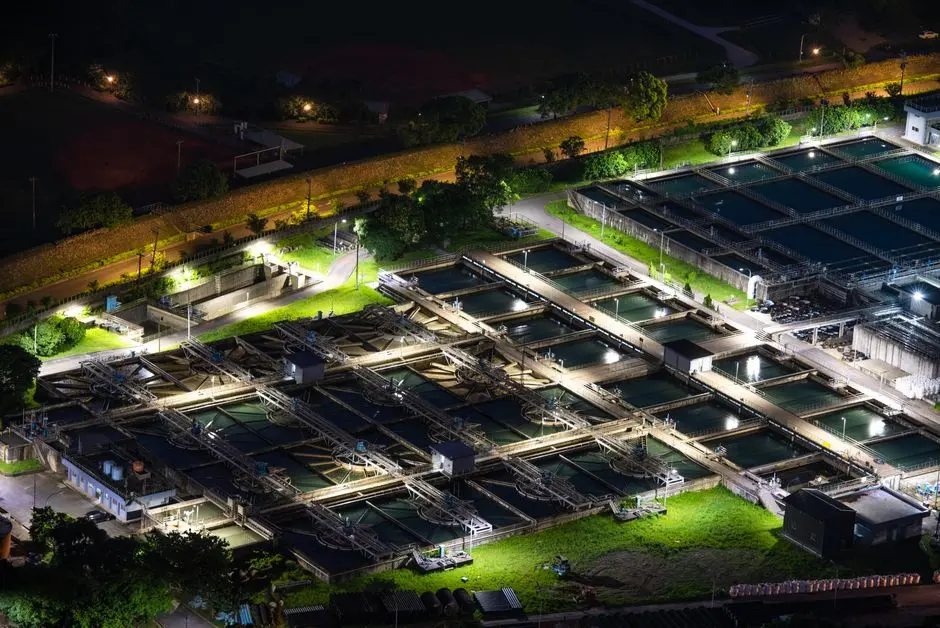
DAF and clarification differ most clearly in utilities, chemical pretreatment, physical layout, and how concentrated solids leave the equipment. Wastewater Digest states that DAF uses more energy than sedimentation because compressed air must be generated. A lifecycle comparison must therefore include connected power, recycle-pump operation, compressor load, air-system maintenance, and operator attention rather than purchase price alone.
For DAF screening, Reynolds & Bauhm reports bubble-floc matrix rise rates of 4–12 gpm/ft² and states that standard designs use 15%–30% of forward flow for air saturation, with high-strength wastewater potentially requiring more. These are reported design references, not guarantees for a Stoney Fork stream. HydropureWater’s current catalog lists DAF equipment from 4–300 m³/h across 13 models. For lamella clarification, the same catalog reports surface loading rates of 20–40 m/h and chemical consumption up to 30% below conventional clarification under the stated product conditions. Buyers should require the supplier to connect those figures to the proposed wastewater, design basis, and treatment train.
| Decision factor | DAF | Clarifier | Evidence or check required |
|---|---|---|---|
| Separation outcome | Surface float is skimmed; bottom sludge may also form. | Settled solids are withdrawn from the bottom. | Compare representative solids-capture results and sludge streams. |
| Hydraulic screening | Reported bubble-floc matrix rise: 4–12 gpm/ft²; saturation flow: 15%–30% of forward flow, per Reynolds & Bauhm. | Catalog surface loading: 20–40 m/h, per HydropureWater. | Verify flow and solids loading separately; catalog values are not performance guarantees. |
| Energy | Requires compressor and recycle-pump operation; Wastewater Digest identifies greater energy use than sedimentation. | Gravity separation avoids DAF’s compression and recycle requirements. | Request connected load, running hours, maintenance, and utility rates. |
| Chemicals | Coagulant or flocculant is generally required to create floc with suitable bubble attachment. | May use coagulant or flocculant depending on the solids. | Compare chemical demand through jar and pilot tests; the lamella catalog’s claimed reduction is conditional on its product conditions. |
| Footprint and retrofit | Compact separation area, but requires saturation, compression, recycle, and skimming equipment. | Needs adequate depth, structural support, plate access, and sludge collection. | Use the actual plant envelope and utility locations. |
| Sludge handling | Evaluate float and any bottom sludge, including retained chemicals. | Evaluate withdrawal frequency, solids concentration, and sludge accumulation. | Compare dewatering demand and disposal route using pilot results. |
DAF introduces compression, recycle, saturation, and automatic skimming duties. A lamella unit introduces sludge-withdrawal consistency, plate-zone access, and adequate depth. Both need controls, freeze protection where relevant, odor control, and reliable local service. When sludge dewatering is required, evaluate an industrial sludge dewatering filter press against both outlet types rather than assuming that the lower-volume sludge is the easiest to dewater.
Use wastewater data to choose, not equipment labels
A defensible selection begins with representative wastewater characterization and ends with a pilot verified against the full operating envelope. DAF sizing must account for both flow rate and solids loading, according to Reynolds & Bauhm; hydraulic flow alone cannot establish the required separation area.
- Define the operating envelope. Collect composite and grab samples during normal production, peak production, startup, shutdown, rainfall, and upset conditions.
- Characterize each process stream. Record pH, suspended solids, total metals, dissolved metals, oil and grease, turbidity, temperature, and the source of each stream.
- Run chemical screening. Test coagulant and flocculant type, dose, pH sensitivity, settling rate, floc strength, and flotation response. Reynolds & Bauhm identifies wastewater characteristics and optimized chemical pretreatment as conditions for successful DAF implementation.
- Check both hydraulic and solids capacity. Use the reported DAF rise-rate and saturation references for initial screening, then size around measured flow, solids loading, and required capture.
- Validate clarification. Verify the manufacturer’s surface-loading and solids-capacity basis, then test particle settleability and sludge withdrawal.
- Decide on resilience. Assess redundancy only after evaluating upstream equalization, peak-flow strategy, downtime consequences, and storage options. The supplied research supports no generic redundancy percentage.
- Pilot uncertain duties. Use representative flow and chemistry to compare removal, solids capture, sludge characteristics, chemical use, and utility consumption before finalizing the equipment.
| Engineering input | DAF screening | Clarifier screening | Decision output |
|---|---|---|---|
| Measured flow | Forward flow plus saturation/recycle basis. | Surface-area and hydraulic loading calculation. | Both options compared on the same flow profile. |
| Suspended-solids loading | Required along with flow, per Reynolds & Bauhm. | Required along with settleability and sludge capacity. | No selection based on flow alone. |
| Chemical response | Floc strength and bubble attachment. | Settling rate and sludge compacting. | Laboratory-confirmed operating window. |
| Reported screening values | 4–12 gpm/ft² bubble-floc rise; 15%–30% forward-flow saturation, per Reynolds & Bauhm. | 20–40 m/h catalog surface loading, per HydropureWater. | Manufacturer design basis reconciled with site data. |
| Pilot outcome | Capture, float quality, sludge split, chemicals, power. | Capture, settled-solids recovery, sludge concentration, withdrawal performance, utilities. | Technology selection based on measured duty. |
The site also needs a treatment-path check. An integrated water purification system may affect pretreatment or polishing requirements, but it does not replace site-specific characterization or establish discharge compliance.
Plan pretreatment, sludge handling, and downstream treatment
The selected separator must be treated as one unit in a treatment train, not as a stand-alone compliance device. Fine solids, oil, debris, or metal-bearing particulate matter may require screening, equalization, oil removal, pH adjustment, and coagulation or flocculation before DAF or clarification. The supplied research does not specify pH targets, coagulant dosages, metal limits, or Stoney Fork permit limits. Those values must come from the facility’s permit and the applicable sewer or discharge authority.
For DAF, evaluate both the skimmed float and any bottom sludge. The float may contain the targeted solids and much of the added chemical; non-floating material can settle and create a second sludge stream. Chemical content, solids concentration, and dewatering behavior therefore matter even when the primary objective is recovery of metal-bearing particulate solids through surface flotation.
For a lamella clarifier, define how frequently sludge will be withdrawn and how completely the collection system can be emptied. Accumulated sludge can reduce available separation capacity and increase labor or equipment wear. Compare the resulting sludge against an industrial sludge dewatering filter press using solids concentration, compressibility, chemical use, filtrate quality, and cycle time.
Neither DAF nor clarification should be presumed to remove dissolved metals. If the receiving requirement includes dissolved metals, define precipitation, filtration, biological, membrane, or other polishing operations separately and verify that the selected pretreatment supports them. Chemical delivery should be considered with an automatic coagulant and flocculant dosing system, including containment, calibration, operator interfaces, and the site’s chemical-handling constraints.
The final mass balance should include wastewater flow, captured solids, float and bottom-sludge destinations, chemical additions, dewatering filtrate, utilities, and the selected polishing step. A short chain of custody prevents a nominally compliant separator from creating a downstream sludge or filtrate problem.
Build a 2026 procurement and implementation plan
A comparable bid starts with the same wastewater data, operating envelope, receiving requirements, and pilot criteria for every supplier. Issue the characterized flow and solids profile, representative analyses, chemical-assumptions schedule, required capture criteria, footprint constraints, utility availability, sludge route, and treatment-train interface. Do not let each vendor optimize only its own equipment boundary.
Require each supplier to state:
- Design flow, average and peak operating basis, solids-loading basis, and the source of each design value.
- Chemical assumptions, utility consumption, connected and running loads, and expected operating attendance.
- Equipment footprint, materials of construction, controls, skid or civil-work boundaries, access requirements, and sludge-removal method.
- Float and bottom-sludge characteristics, downstream handling assumptions, and treatment of chemical-containing washwater.
- Acceptance-test methods, sampling points, influent conditions, duty points, performance criteria, and remedies for failed tests.
Request mining, metals, mineral-processing, or comparable industrial references with wastewater chemistry similar to the proposed Stoney Fork stream. Evidence should connect to the relevant application rather than rely on generic equipment descriptions. For DAF bids, confirm the proposed industrial dissolved air flotation system includes the required saturation, recycle, compression, and skimming arrangement. For gravity clarification, confirm that the proposed lamella clarifier for mine wastewater has a documented loading basis, structural arrangement, and workable sludge-withdrawal system.
Price the full lifecycle: equipment, installation, start-up chemicals, electricity, maintenance, operator time, replacement parts, sludge handling, and any downtime or redundancy provisions. Do not order before the receiving authority confirms pretreatment requirements; treatment performance is not regulatory approval. Contract language should connect acceptance to agreed methods and influent conditions without inventing guaranteed removal percentages.
Frequently Asked Questions
What does DAF or a clarifier cost to operate for mining wastewater?
No defensible purchase-price or operating-cost estimate can be issued without the facility’s measured flow, solids loading, wastewater chemistry, footprint, utility rates, chemical requirements, and sludge route. DAF should be priced with compressor and recycle-pump electricity, air-system maintenance, chemical pretreatment, and float handling. Clarification should be priced with pumping where required, sludge withdrawal, structural or civil work, and downstream solids handling. Ask each supplier for connected load, expected operating hours, chemical consumption, maintenance scope, and excluded costs. Do not compare a DAF equipment quotation with a clarifier turnkey quotation unless the installation, sludge, utilities, and pilot boundaries are the same.
How should a mining wastewater equipment supplier be selected?
Require wastewater-specific pilot or reference evidence, a transparent sizing basis, and a complete scope of supply. The pilot should use representative Stoney Fork chemistry and report removal or capture, sludge characteristics, chemical use, and utility demand. References should involve mining, metals, mineral processing, or an industrial duty with comparable solids and water chemistry. The commercial proposal should identify what is included for equipment, controls, civil work, installation, commissioning, training, spares, and sludge removal. Treat a product-page performance claim as a screening statement until the supplier demonstrates it under the proposed duty.
How should DAF capacity be sized for mining wastewater?
Check both hydraulic flow and solids loading; flow alone cannot establish the required DAF area. Reynolds & Bauhm reports bubble-floc matrix rise rates of 4–12 gpm/ft² and states that standard designs use 15%–30% of forward flow for air saturation, with high-strength wastewater potentially requiring more. These are screening references from that source, not guaranteed site performance. The final basis must incorporate measured flow and solids loading, tested floc properties, required capture, chemical pretreatment, and the resulting float and bottom-sludge rates.
Will DAF or clarification satisfy the Stoney Fork receiving requirements?
Neither technology can be declared compliant from general operating data alone. Confirm the applicable Stoney Fork receiving authority, facility permit, local sewer or discharge limits, sampling requirements, and any metals-specific pretreatment conditions. Then demonstrate compliance through the proposed treatment train and agreed acceptance testing. For the current research, the appropriate action is to request the governing limits and permit conditions in writing; no Stoney Fork-specific limit schedule was supplied, and the available sources do not establish local approval for either option.