Which Treatment Is the Better Fit for a Carthage Food Factory?
For a food and beverage factory in Carthage, DAF is usually the stronger choice when wastewater contains significant free oil, FOG, food particles, or buoyant solids that must be removed before biological treatment. A conventional or lamella clarifier is generally more appropriate when the primary objective is settling heavier settleable solids with less chemical conditioning and simpler operation. Neither device should be selected from flow alone: characterize peak flow, TSS, FOG, settleable solids, colloids, COD, pH, temperature, and discharge or reuse targets first. DAF depends on effective coagulation and flocculation, while clarifiers depend on adequate settling area and sludge withdrawal. A pilot test should confirm the selected duty before purchase.
Both technologies are front-end physical separators. Neither provides biological treatment, nutrient removal, disinfection, or proof that the discharge will comply with a Carthage sewer requirement. Clearwater Industries explains that DAF uses microbubbles to lift solids to the surface for skimming, while heavier solids settle into a bottom collection zone. That distinction—surface capture versus gravity settling—should drive the initial selection, but the final decision also depends on the entire treatment train.
Use the following rule as a screening decision, not as a basis for ordering equipment. For a broader explanation of how pretreatment limits affect a plant, see food and beverage wastewater sewer-limit guidance.
| Project condition | Initial direction | Condition to verify |
|---|---|---|
| Free oil, FOG, buoyant food material, or separated float | Prioritize DAF | Representative FOG and solids analysis; recoverable float quality |
| Dominantly heavier, settleable solids with limited floating material | Evaluate conventional or lamella clarification | Settling characteristics, solids loading, and withdrawal performance |
| Colloidal material requiring reliable floc capture | Evaluate DAF with coagulation and flocculation | Jar tests and pilot effluent quality |
| Highly variable production and CIP discharge | Equalize before either process | Coincident peak-flow and load data |
| Unclear discharge destination or limits | Do not select yet | Carthage sewer authority or receiving permit requirements |
Start With the Wastewater, Not the Equipment
Peak flow alone does not define the separator duty; the relevant load may occur during a production changeover, product-loss event, or CIP discharge. Start with a process-by-process wastewater inventory that separates production, cleaning, CIP, floor-wash, and sanitary streams. Document how those streams combine, where they enter the collection system, and whether equalization can prevent a short high-strength or high-solids event from overloading the selected unit.
For each relevant stream, characterize peak and minimum flow, TSS, FOG or free oil, settleable solids, particle-size distribution, colloids, COD, BOD, pH, temperature, and variability across production and washdown cycles. Sampling design matters: grab samples can miss a discharge slug, while a composite sample can dilute the peak condition the separator must handle. The buyer should specify sampling frequency and require both flow-weighted and peak-event data where practical.
Also define the destination before selecting equipment. Sewer pretreatment, downstream biological treatment, water reuse, and direct discharge impose different acceptance criteria. A physical separator may reduce solids loading before an integrated biological treatment system, but residual soluble COD, nutrients, pH, and treatment chemicals still need evaluation.
The EPA’s State-of-the-Art Review of Pulp and Paper Waste Treatment (April 1973) is historical and industry-specific, not current food-processing guidance. Even so, its recommendation to segregate sanitary wastewater from process sewers is a useful separation principle. Whether sanitary flow should remain combined at a Carthage plant must be decided from the current collection-system design and applicable local rules.
Producer and cleaning chemicals also affect the decision. Coagulants and flocculants selected for one stream may change pH, residual COD, metal content, or biological compatibility. A PLC-controlled chemical dosing system should therefore be evaluated as part of the separator scope, not added later as an accessory.
| Information to obtain | Why it changes the selection | Required before purchase |
|---|---|---|
| Process-by-process flow and load inventory | Exposes peak production and washdown loads hidden by daily averages | Representative monitoring plan and peak-flow record |
| TSS, FOG, settleable solids, and particle distribution | Indicates whether flotation, gravity settling, or both are needed | Laboratory data for each significant stream |
| COD, BOD, pH, and temperature | Defines downstream biological and conditioning requirements | Range across operating and washdown cycles |
| Producer and cleaning chemicals | Determines materials, chemical compatibility, and downstream effects | Complete chemical inventory and SDS review |
| Final discharge or reuse objective | Sets the required separator performance and acceptance test | Written limits from the applicable authority or permit |
DAF and Clarifier: How the Separation Mechanisms Differ
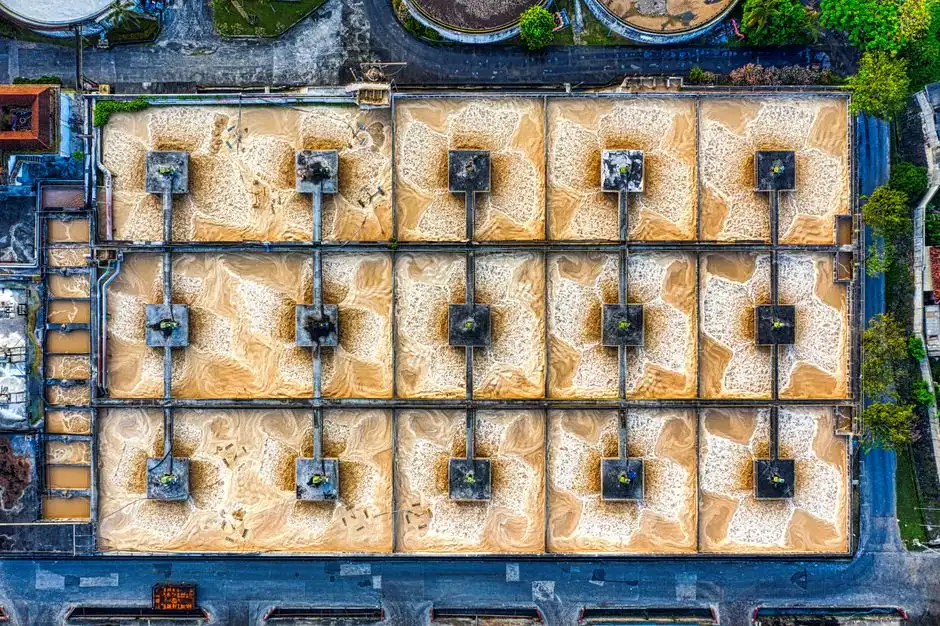
DAF is a flotation clarifier: pressurized air creates microbubbles, conditioned solids attach to those bubbles, and a skimmer removes the floating sludge. Clearwater Industries states that its DAF systems use 30–50-micron microbubbles and pair flotation with coagulation and flocculation to increase particle size and bubble contact. Its description also notes that heavier solids can settle into a bottom collection zone.
A conventional clarifier uses gravity settling. A lamella clarifier adds inclined settling surfaces to occupy less floor area than a conventional settling zone; the tube-settler and lamella clarifier selection guide explains the arrangement in detail. Lamella media does not make poorly settleable or buoyant contaminants settle more readily; inlet distribution, solids loading, sludge withdrawal, and the nature of the solids remain decisive.
The EPA’s April 1973 pulp-and-paper review found that clarification can remove bulk suspended solids while some finely dispersed material remains. That historical finding is not a performance guarantee for food-processing wastewater, but it reinforces the need to test the complete stream rather than infer separation from a generic solids-removal percentage. A review of 2026 DAF-versus-clarifier factory comparison also shows why industry-specific project data matters.
For DAF, the equipment scope must include equalization where needed, pH adjustment, chemical mixing, flocculation, the flotation tank, recycle and saturation equipment, compressed-air supply, skimming, controls, and sludge withdrawal. An industrial DAF system without those components is not a complete food factory wastewater pretreatment train.
Compare Performance, Footprint, and Operating Demands
DAF Corp publishes a complete product line covering 48–11,000 GPM. Its FC Maximizer is published at 10–11,000 GPM with 92%–98% TSS removal, while the RC UniMax is published at 10–1,000 GPM with 85%–90% TSS removal. These are vendor-published figures, not Carthage project guarantees. A bid should identify the analytical method, feed TSS, FOG range, hydraulic loading, solids loading, test duration, and whether the result applies to the proposed unit or a test unit.
DAF Corp’s FC-150 is described as an equipment example designed for 500 GPM, clarification to 50 PPM, and 2,000 PPM suspended-solids loading. Do not convert that example into a universal design point. The FC-150 and the published removal ranges come from the supplier’s website as accessed for this 2026 evaluation; they establish what to ask bidders to substantiate, not what the plant will achieve.
DAF’s operating dependencies include conditioning chemicals, compressed air, recycle flow, saturation control, skimming, float management, and attention to sludge quality. Clarification depends on adequate settling area, inlet distribution, solids contact time, sludge collection, and reliable withdrawal. These dependencies affect labor, utilities, maintenance, and installed cost even when the separator footprints are similar.
Footprint should be compared on the complete system. DAF can consolidate a treatment train, while lamella equipment is also marketed as a compact sedimentation option. Actual space requirements depend on flow, solids capture, equalization, chemical equipment, access clearances, and where sludge is stored or dewatered. The selection should not leave sludge handling as an unpriced afterthought.
EPA’s historical observation that finely dispersed material may remain even after coagulation reinforces whole-stream testing and reject-quality testing. Ask each supplier to demonstrate performance across the expected feed range, including startup, shutdown, cleaning, and off-spec production events.
| Published figure or comparison | Published scope | Procurement interpretation |
|---|---|---|
| DAF Corp complete line: 48–11,000 GPM | Supplier product-line range | Screen for scale only; require application-specific duty |
| FC Maximizer: 10–11,000 GPM; 92%–98% TSS removal | Vendor-published model range | Require test conditions and project-specific guarantee |
| RC UniMax: 10–1,000 GPM; 85%–90% TSS removal | Vendor-published model range | Do not infer FOG or whole-stream performance |
| FC-150 example: 500 GPM, 50 PPM clarification, 2,000 PPM suspended solids | One published equipment example | Use as a bid-review reference, not a sizing assumption |
| Clarifier versus DAF footprint | No common numeric comparison in the research | Compare complete installed skid dimensions and utilities |
Build the Right Pretreatment and Downstream Train
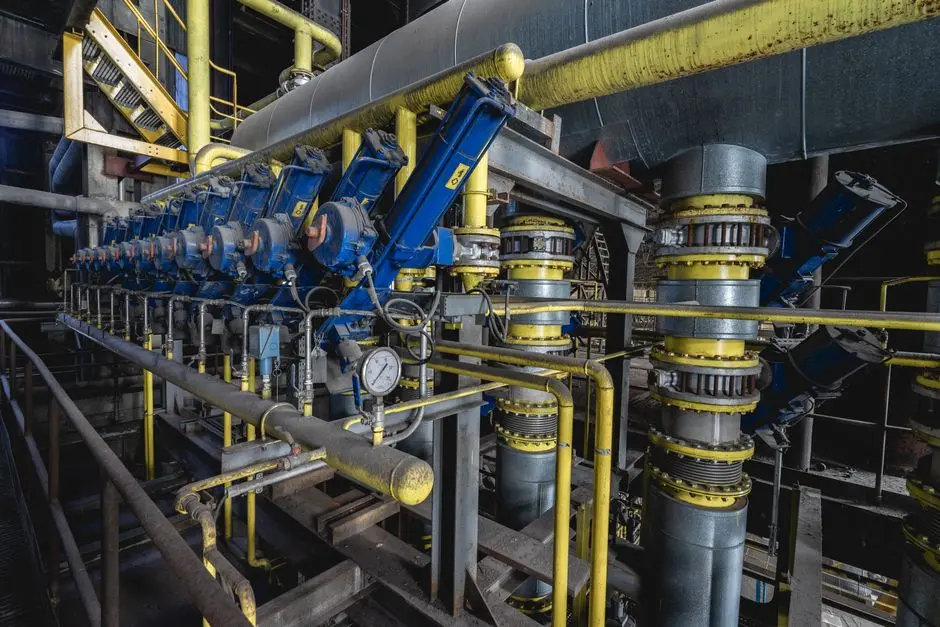
Screening belongs before flotation or clarification when packaging fragments, produce pieces, fibers, or fibrous cleaning materials could foul the equipment or disrupt sludge withdrawal. A mechanical bar screen is one equipment option to evaluate, but the required opening, extracted-material handling, and waste stream must match the actual debris.
For DAF, specify equalization, pH adjustment, coagulation, flocculation, flotation, controls, and controlled sludge withdrawal as an integrated system. Confirm that float and settled solids have separate or clearly defined removal paths. Verify chemical storage, dosing range, mixer access, recycle controls, compressor duty, and how start-up or power-loss conditions affect the process.
For clarification, specify inlet conditioning and distribution, a solids-contact zone, either a conventional settling zone or lamella plates, sludge collection, and a removal method matched to expected sludge volume. A high-efficiency lamella clarifier still requires sound hydraulics and dependable sludge withdrawal.
If biological treatment follows, evaluate residual soluble COD, coagulant metals, pH, and nutrients. Neither DAF nor clarification converts the physical separator into a biological treatment system. The downstream process must still meet its feed and discharge requirements.
Connect generated sludge volume to available disposal or dewatering before finalizing the scope. A plate-frame filter press may be appropriate for a particular sludge, but press selection depends on solids characteristics and the required cake condition; no blanket suitability should be assumed.
| Train element | DAF scope | Clarification scope | Acceptance focus |
|---|---|---|---|
| Pre-screening | Required when debris could foul the unit | Required when debris could disturb settling or sludge systems | Extracted-material handling |
| Conditioning | pH adjustment, coagulation, and flocculation | Conditioning only as the wastewater requires | Chemical compatibility and residual effects |
| Separator | Flotation tank, recycle, saturation, air supply, and skimmer | Distribution, settling zone, and lamella media where used | Duty at peak flow and solids loading |
| Sludge handling | Float removal plus bottom-solids withdrawal | Settled-solids collection and withdrawal | Measured volume and dewatering demand |
| Downstream treatment | Compatibility with biological or reuse requirements | Compatibility with biological or reuse requirements | Final permitted or reuse criteria |
Size, Pilot, and Specify Before Purchasing
Size against peak flow and the selected load basis, not average daily flow. Include simultaneous production and washdown events, batch discharges, and the turndown needed when flow falls below the separator’s stable operating range. If equalization is excluded, show how the system handles the largest credible event; if it is included, include its usable working volume and mixing behavior.
Request a mass balance covering flow, TSS, FOG, captured solids, sludge production, and treated effluent. The calculation should identify the load basis, analytical methods, chemical assumptions, and any conservative factors. DAF Corp itself states that considerable study and supporting information must be analyzed before choosing a wastewater solution and that a comprehensive wastewater study is often warranted. For the plant, that means representative jar testing and, where practical, an on-site pilot test.
Ask each bidder to state the design flow, solids loading, hydraulic loading, detention basis, recycle and air requirements, materials of construction, controls, duty/standby arrangement, utilities, foundations, installation boundary, startup support, and exclusions. For DAF, require chemical consumption assumptions and float withdrawal details. For a clarifier, require the settling basis and calculated sludge-removal capacity.
Make guaranteed performance conditional on defined feed characteristics and acceptance testing. A published TSS-removal range should not become a project guarantee. Define sampling points, analytical methods, test duration, operating conditions, and remedy obligations for failure to meet acceptance criteria.
Before comparing bids, request the owner’s manual, PLC controls scope, electrical and pneumatic drawings, chemical consumption estimate, preventive-maintenance schedule, spare-parts list, warranty, startup support, and training plan. Compare commercial offers on installed scope—not tank purchase price alone.
| Stage | Buyer action | Minimum deliverable before award |
|---|---|---|
| 1. Define application | Inventory streams, loads, chemicals, and destination | Representative wastewater characterization and current requirements |
| 2. Screen mechanisms | Compare DAF and clarification against actual constituents | Written selection basis with rejected alternatives |
| 3. Test | Run jar tests and pilot if practical | Feed characterization, dosage response, and effluent/float data |
| 4. Size | Use peak flow and selected loading basis | Design basis, mass balance, utilities, and turndown |
| 5. Specify | Define guarantees and complete scope | Performance criteria, acceptance test, manuals, and support |
| 6. Commission | Verify installation and operating readiness | Startup record, training, spares, and operating records |
Frequently Asked Questions
How should a Carthage food factory size DAF or clarification equipment?
Size against the largest credible peak-flow and solids-loading event, including simultaneous production and washdown contributions—not daily average flow. Define the load basis, usable equalization, turndown, and acceptance-test feed conditions in the bid. The published model ranges and the FC-150 example from DAF Corp are preliminary screening references, not sizing inputs for the plant.
Which supplier is most reliable for a food factory wastewater skid?
Select on demonstrated duty with the actual wastewater, not on a catalog removal range. Require representative test results, defined analytical methods, a complete mass balance, reference conditions, and a project-specific guarantee. Also verify controls, utilities, chemical-system scope, sludge removal, owner documentation, startup support, training, and spare parts.
How should buyers compare DAF and clarifier cost and budget?
Request installed-cost proposals that separately identify the separator, chemical dosing, equalization, recycle and air equipment, controls, foundations, utilities, sludge handling, installation, and commissioning. No supported Carthage price is available in the supplied research, so a defensible budget requires flow and wastewater characterization plus written vendor scopes. DAF may add conditioning and utility costs; clarification may transfer more risk to sludge withdrawal and downstream capacity.
Does high published TSS removal prove compliance with Carthage sewer limits?
No. Compliance must be checked against the applicable Carthage sewer authority or receiving permit, including the required analytes, sampling method, averaging basis, and any FOG, pH, or soluble-organic limits. Require the selected system to demonstrate the written project criteria on representative feed during acceptance testing rather than treating a supplier’s general TSS figure as a permit determination.