Start with the wastewater source, not the treatment system
Pharmaceutical wastewater treatment in Panama should be designed around the manufacturing stream, not a standard package alone. Veolia reports typical pharmaceutical production-site flows of 30–600 m³/d, COD from 400–62,000 mg/L, and COD/BOD5 ratios from 1–15. A practical train commonly begins with source segregation and equalization, followed by pH control, physical separation, biological treatment, membrane or tertiary polishing, and activated carbon where residual API compounds must be removed. The correct equipment combination depends on measured flow, COD, toxicity, salinity, solvents, API residues and the applicable discharge or reuse requirements.
The first engineering decision is whether streams can be kept separate without creating an operational safety problem. Veolia’s 2020 pharmaceutical guide identifies chemical-reactor effluent, fermentation and purification, solvent extraction, mixing and granulation, equipment cleaning, laboratory waste, scrubber blowdown, utility blowdown and sanitary wastewater as distinct sources. Chemical reactors can contribute acids, bases, metals, halides, nitrates, cyanides, sulfates, reaction residues and API traces. Fermentation and purification can contribute nutrients, salts, surfactants, enzymes and other biologically active substances.
Solvent extraction deserves particular attention because incomplete solvent recovery can place ethanol, methanol, acetone, isopropanol or acetic acid in the effluent, increasing COD and potentially inhibiting biomass. Cleaning detergents can cause foaming, while CIP and utility blowdown can add dissolved salts and suspended solids. Veolia found wastewater characteristics can vary even between facilities manufacturing the same product; therefore, source-specific sampling is more defensible than designing around an averaged plant description.
Where permitted by the facility’s collection system, segregate streams that will later require different treatment decisions. Do not combine a high-solvent extraction stream, a saline utility blowdown and sanitary wastewater merely because they discharge through the same outfall if segregation is feasible. A rotary mechanical bar screen may form part of a physical screening solution, but it does not replace source control or characterization.
| Stream to identify | Likely contaminants described by Veolia, 2020 | Design consequence |
|---|---|---|
| Chemical reactors | Acids, bases, metals, halides, nitrates, cyanides, sulfates, reaction residues and API traces | Assess pH, toxicity, metals and API-specific treatment requirements |
| Fermentation and purification | Nutrients, salts, surfactants, enzymes and biologically active substances | Evaluate biodegradability, salinity, foaming and biological inhibition |
| Extraction | Residual solvents, including alcohols, acetone and acetic acid | Measure solvent content and protect downstream biological treatment |
| Cleaning and mixing | Detergents, starches, sugars, excipients and API traces | Separate if practical; account for foaming and soluble organic load |
| Scrubber and utility blowdown | Absorbed chemicals, CIP chemicals, alkalinity and dissolved salts | Regulate pH and determine dilution or salinity effects |
Build a wastewater characterization plan before choosing capacity
Representative wastewater data, rather than a single sample, must determine equipment capacity and treatment objectives. Pharmaceutical production is batch-driven, so sampling should cover normal batches, campaign changes, cleaning cycles, rejected or off-spec material where applicable, and peak discharge periods. Flow records should be reconciled with production and CIP schedules so the supplier can distinguish average flow, instantaneous peak flow, batch duration and the maximum load entering each unit.
Request a qualified laboratory to analyze pH, COD, BOD5, TSS, salinity, temperature, toxicity, solvent content and relevant active pharmaceutical ingredient residues. Where confidentiality prevents disclosure of the complete formula, provide representative effluent and controlled disclosure of the contaminant groups relevant to treatment. Veolia’s 2020 guide reports common pharmaceutical production-site flows of 30–600 m³/d and COD values of 400–62,000 mg/L from research covering 50 plants; these are international comparison benchmarks, not Panamanian design limits.
The COD/BOD5 ratio provides an initial biodegradability screen. Veolia’s 2020 interpretation is that a ratio below 2 indicates easily biodegradable effluent, 2–3 indicates biodegradable effluent, and above 3 means the effluent may not be biodegradable. Pharmaceutical ratios in that research ranged from 1–15. The ratio does not quantify refractory COD, so suppliers also need information on persistent compounds and biological inhibitors such as heavy metals and active biocides.
Ask each bidder to state its design flow, influent envelope, operating mode, safety factors, concentration limits and excluded wastewater conditions. This prevents comparison of incompatible proposals: a unit may be offered for average flow while the biological process is sized around a short campaign peak, or a carbon bed may be quoted without a defined API load or replacement basis. An automatic chemical dosing system should be specified against the measured pH, flow and chemical demand rather than selected before those data are available.
| Information to request | Why it affects selection | Acceptable evidence |
|---|---|---|
| Flow and production chronology | Defines hydraulic and organic loading | Continuous-flow records plus batch, campaign and CIP schedule |
| COD, BOD5 and refractory COD | Indicates biological load and persistence | Representative laboratory results and sampling method |
| pH, temperature, salinity and toxicity | Identifies inhibition and control requirements | Influent envelope with operating range |
| Suspended solids, oil and grease, surfactants | Identifies pretreatment needs | Stream-specific analysis |
| Solvent and API-residue profile | Links biological risk and polishing to specific contaminants | Confidential test results and analytical detection limits |
| Supplier design basis | Exposes assumptions and exclusions | Written sizing calculation, guarantee boundaries and operating envelope |
Follow a source-controlled pharmaceutical treatment train
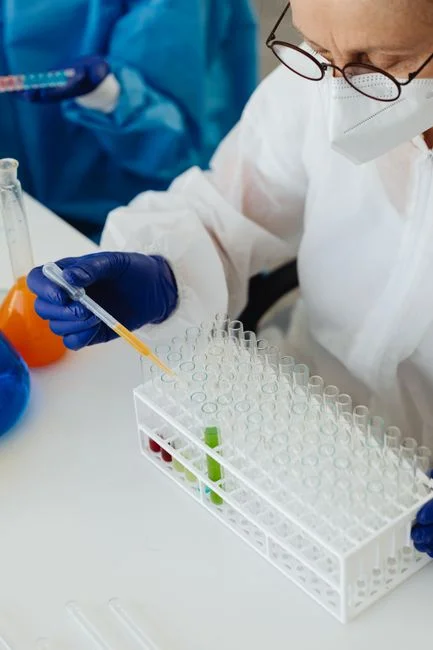
Equalization is the first buffer between variable pharmaceutical production and downstream biological or membrane treatment. It should smooth batch-driven flow and load changes before the treatment train. Neutralization is then used where pH must be regulated, while primary separation removes suspended solids, oil and grease and floatable material that could interfere with biological activity, membranes or adsorption media.
For floatable and colloidal contaminants, DAF pretreatment for pharmaceutical wastewater can precede biological or membrane treatment. Its purpose is physical separation, not removal of all dissolved APIs. The supplier’s catalog states a DAF range of 4–300 m³/h across 13 standard models; the quoted capacity must be checked against the plant’s actual batch hydrograph rather than accepted as an application guarantee.
An integrated MBR wastewater treatment system combines biological treatment with membrane solids separation. It is relevant where a compact footprint, solids retention and low-turbidity reuse-quality effluent are priorities. The supplier specifies submerged PVDF membranes below 1 μm and capacity from 10–2,000 m³/day. Those are catalog specifications, not proof that an MBR will meet the site’s pharmaceutical effluent or reuse requirements. Temperature, salinity, toxicity, loading and membrane-fouling potential still require verification.
RO should be selected where dissolved salts and residual organics must be separated for pharmaceutical water reuse or concentration. The supplier specifies recovery rates up to 95%, but actual recovery depends on feed chemistry, membrane configuration, pretreatment and operating controls. RO does not replace bulk biological treatment; it requires a suitably conditioned feed. The engineering basis for RO treatment design for high-salinity wastewater should therefore identify the upstream treatment objective and concentrate destination.
Granular activated carbon is suited to continuous fixed beds, while powdered carbon can handle contaminant peaks or use an existing biological tank as a contact vessel. Carbon addresses residual dissolved organics and API traces after biological load reduction. Carbon electrodes remain an advanced, research-supported treatment route described in the CRC Press chapter Carbon Electrodes for Pharmaceutical Wastewater Treatment; the research does not establish a universal performance rate, so suitability requires site-specific testing.
Match activated carbon and electrochemical treatment to the contaminant
Activated carbon removes dissolved pollutants by adsorption onto its surface; it does not chemically transform them. SorbiTech’s wastewater guidance explains that low-molecular-weight organics preferentially enter micropores below 2 nm, while larger pharmaceutical molecules require mesopores of 2–50 nm. Therefore, a carbon grade should be selected from the representative effluent profile rather than ordered as a generic carbon product.
The evaluation should cover pore distribution, contaminant chemistry, particle hardness, backwash and abrasion durability, hydraulic conditions, contact time and the plant operating cycle. SorbiTech identifies iodine number and methylene blue value as indicators relevant to small and large molecules, and recommends bench-scale testing with real effluent before committing to carbon usage and bed-life estimates.
Reactivation is an operating strategy rather than a universal lifetime guarantee. SorbiTech reports thermal reactivation at 900 °C with restoration of 90–95% of original adsorption capacity. The buyer should request evidence tied to the selected grade, expected loading and service cycle, along with the spent-carbon handling route and replacement trigger.
Carbon electrodes may be relevant for a site-specific advanced treatment trial, but the buyer should request the contaminant set, reactor configuration, energy demand, electrode consumption, by-products and scale-up evidence. Generic literature cannot establish suitability for a particular API wastewater. The same discipline applies to carbon: adsorbent selection is a contaminant-matching problem, not a polishing checkbox.
| Decision input | Carbon-selection implication | Evidence to request |
|---|---|---|
| API and intermediate molecular characteristics | Determine whether micropores, mesopores or another pore distribution is needed | Analytical identification and representative effluent testing |
| Residual dissolved COD | Defines whether activated carbon is a polishing role | Bench adsorption data before and after proposed pretreatment |
| Batch and campaign pattern | Supports selection between fixed-bed GAC and powdered carbon | Operating-cycle and peak-loading analysis |
| Media durability | Controls backwash, attrition and reactivation performance | Particle-hardness and abrasion-durability documentation |
| Spent-media route | Determines lifecycle and handling requirements | Regeneration plan, take-back route and disposal assumptions |
Carbon and related media, controls and replacement materials can be scoped through water-treatment parts, valves and media, but the final specification should follow the contaminant and durability review rather than precede it.
Use the equipment comparison to select a treatment objective
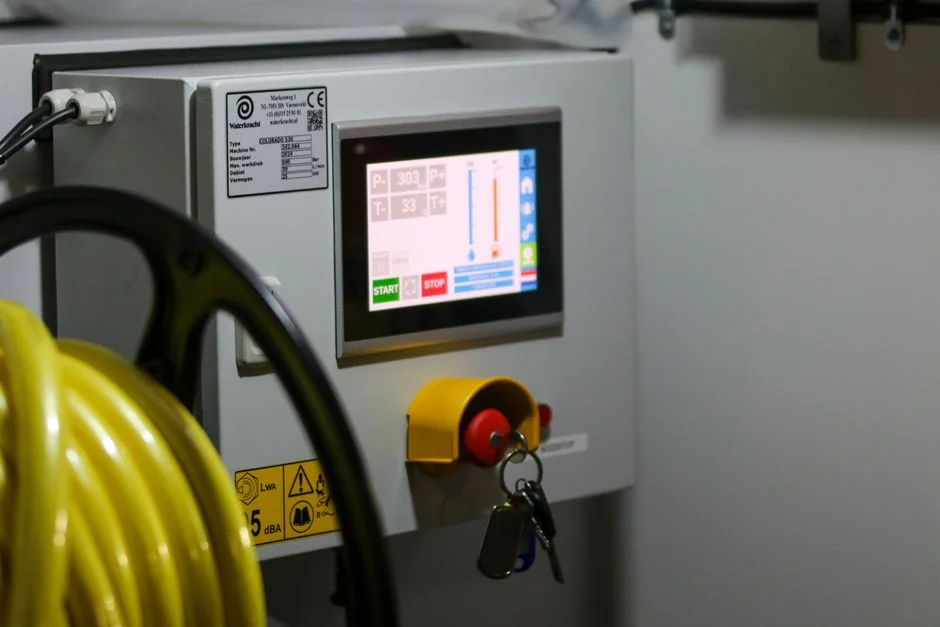
DAF, MBR, activated carbon and RO solve different problems and should be compared by contaminant role and required effluent objective. DAF is a physical pretreatment for floatable or colloidal material; MBR combines biological treatment and fine solids separation; activated carbon provides tertiary adsorption; RO separates dissolved species through a membrane. A complete train can combine all four, but only if each stage has a defined job.
Veolia’s 2020 guide gives treatment-line examples including equalization, MBBR, DAF, MBR, activated carbon, sand filtration, evapoconcentration and hydrostatic filtration. These are internationally documented configurations, not a standard Panamanian prescription. The buyer should start from the receiving route and reuse objective, then work backward to determine whether biological treatment, solids separation, adsorption and membrane separation are required.
For Panama, the comparison must also reflect site constraints: available footprint, treatment-train configuration, operator capability, utilities, sludge and spent-media handling, climate exposure and the final destination of treated water. Clarify whether the project also requires physical separation, solids dewatering or primary settling. Depending on the waste characteristics, a high-efficiency sedimentation tank or plate-frame filter press may form part of solids management, but neither should displace upstream source segregation.
| Equipment | Primary role | Contaminant group | Information required before quotation |
|---|---|---|---|
| DAF | Physical separation before biological or membrane treatment | Suspended solids, oil and grease, floatable and colloidal material | Flow hydrograph, solids and FOG data, flotation performance requirements |
| MBR | Biological treatment with solids retention and fine separation | Biodegradable organics plus suspended solids | COD/BOD5, toxicity, salinity, temperature, loading and reuse target |
| Activated carbon | Tertiary adsorption | Residual dissolved organics and API traces | Contaminant profile, pore matching, contact time and bed-life method |
| RO | Membrane separation for reuse or concentration | Dissolved salts and residual dissolved organics | Feed-water analysis, pretreatment, recovery, concentrate disposal and product-water target |
Evaluate supplier proposals against MBR versus conventional activated sludge for chemical wastewater, but treat that comparison as engineering support rather than a site guarantee. A reference installation becomes relevant only when its wastewater, operating objective and guarantees resemble the Panamanian project.
Plan compliance and supplier selection around verified obligations
The final receiving route must be identified before performance targets are fixed: direct discharge, sanitary sewer discharge, treatment by an authorized third party or reuse. The buyer should obtain the current Panamanian requirement applicable to that route from the responsible authority. The supplied research does not establish local numerical limits, so international benchmarks cannot be represented as Panamanian law.
US EPA pharmaceutical-manufacturing effluent guidelines, European standards and Veolia’s international guide are engineering references, not substitutes for verified Panamanian obligations. Veolia’s guide itself recommends questionnaires, laboratory tests, bench tests, pilot tests and audits before treatment-line selection. For variable, toxic, high-refractory-COD or unfamiliar API wastewater, treat pilot work as a procurement requirement rather than an optional refinement.
Each proposal should identify design flow, influent envelope, treatment objective, guarantee boundaries, chemical consumption, utilities, controls, residuals and excluded conditions. Ask how carbon usage, bed life and spent-carbon handling will be calculated from the actual effluent and operating cycle. For any RO option, include concentrate management in the commercial comparison.
Commercial evaluation should also cover startup, operator training, maintenance, spare parts, remote support and local service capacity. The pharmaceutical plant wastewater compliance requirements discussion can support the diligence sequence, but the Panama buyer must close every legal and receiving-system question with current local evidence before issuing an order.
Frequently Asked Questions
What does pharmaceutical wastewater treatment cost in Panama?
No universal price can be stated from the supplied research. Cost depends on measured flow, contaminant range, treatment objectives, site constraints and required guarantees. Request a budgetary quotation that identifies civil works, equipment, chemical use, utilities, sludge and spent-media disposal, startup, training and monitoring. Ask the bidder to show which wastewater conditions are included and which would trigger additional design or operating costs.
Should the plant choose MBR, DAF, activated carbon or RO?
Use MBR when biological treatment, solids retention, a compact footprint and reuse-oriented effluent are priorities; use DAF for floatable and colloidal material; use activated carbon for residual dissolved organics and API traces; and use RO for dissolved-species separation where the feed has been properly conditioned. The correct train may combine these functions, but no equipment should be selected from the product name alone.
How should a buyer compare treatment suppliers?
Compare suppliers using the same site wastewater data, a clearly defined treatment objective, relevant references, written guarantee boundaries and a transparent residual-management plan. Require each bidder to identify design assumptions, excluded influent conditions, utilities, controls, startup, training, maintenance, spare parts and local support. For uncertain API residues or inhibitory wastewater, ask for site-specific bench or pilot results.
What is the most common sizing mistake?
A common sizing mistake is selecting from peak flow or average COD alone while ignoring batch variation, toxicity, refractory COD, salinity, API residues and equalization needs. Instead, build the equipment basis from a production-linked flow and load envelope, then define how the train responds to campaign peaks, cleaning discharges and toxic or high-refractory batches.
How should activated carbon be selected for API wastewater?
Selection requires representative effluent testing because pharmaceutical compounds differ in molecular size and chemistry. Provide the carbon supplier with the residual contaminant profile, then evaluate pore structure, particle hardness, abrasion durability, backwash, contact time and operating cycle. SorbiTech supports bench-scale testing with actual effluent to estimate carbon usage and bed life before commitment.