What Changes for Chittagong Trade Waste in 2026?
In 2026, Chittagong manufacturers generally combine factory-level pretreatment with a treatment train selected from measured effluent characteristics. High-strength, biodegradable streams are commonly directed toward anaerobic processes such as UASB, which the Bangladesh wastewater-energy study identified as the strongest of its three assessed options for COD reduction and biogas recovery. DAF, coagulation, screening, and equalization remove solids, oil, colloids, and flow variability before biological treatment; aerobic polishing and MBR are used where further organic removal, solids separation, or reuse is required. No universal COD limit or process applies to every Chittagong factory: final design must follow applicable consent, trade-waste rules, sewer or receiving-water requirements, and plant-specific wastewater tests.
The evidence available for Chittagong is useful for defining the problem, not prescribing a plant design. Zenodo’s Comparison of Different Parameters of Four Selected Industrial Effluents in Chittagong Metropolitan, Bangladesh provides a local starting point for sampling and benchmarking, but it does not establish one treatment route for every factory. The Cleaner Energy Systems study estimated Bangladesh industrial wastewater generation at 452 million m³/year in December 2023; that is national context, not a Chittagong discharge volume or equipment-sizing flow.
The trade-related burden is also broader than any one effluent stream. A UNU study of Bangladesh textile exports to the EU and USA from 2000–2023 found 2,860,420 million liters of wastewater embedded in the analyzed imports. That trade-study figure is not a factory flow or treatment requirement, but it explains why industrial effluent management belongs in procurement and environmental planning rather than being treated as a routine sanitation issue.
Trade waste differs from domestic sewage because concentrated production discharges may contain process chemicals, dyes, oils, suspended solids, or inhibitory compounds. If these flows enter a shared system, they can disrupt hydraulic balance and biological treatment. For 2026 bids, require the supplier to demonstrate performance under the factory’s measured wastewater envelope, including maintainability, energy use, sludge handling, and the actual consent or sewer conditions—not merely headline removal percentages.
Build the Treatment Decision from the Wastewater Analysis
A defensible treatment train starts with representative sampling, because average flow and a single laboratory result cannot reveal batch dumps, clean-out discharges, or intermittent toxicity. Sample across production cycles, cleaning operations, batch transfers, and peak discharge periods. The resulting dataset determines whether the stream needs physical removal, biological conversion, chemical conditioning, membrane polishing, or a combination.
COD is the oxygen equivalent of oxidizable material in a sample and is reported in mg/L of oxygen. Because chemical oxidation is more complete than the five-day biological oxidation represented by BOD, COD is always greater than or equal to BOD for the same sample. Paired results help distinguish biodegradable from non-biodegradable material: the supplied Chemical Oxygen Demand in Wastewater Treatment explainer indicates that a BOD/COD ratio below 0.25 signals significant non-biodegradable content, while ratios above 3:1 mean biological treatment alone may leave a substantial residual COD load.
The mandatory analysis should cover flow, COD, BOD, pH, temperature, suspended solids, oil and grease, and toxicity. Add salinity where relevant and identify process-specific contaminants such as dyes, solvents, detergents, or metals. These parameters must be tied to production operations; otherwise, a contractor cannot distinguish a genuine treatment problem from dilution.
- Measure average flow, peak flow, batch-transfer volume, and discharge timing.
- Measure COD and BOD on paired samples and calculate the BOD/COD relationship.
- Characterize suspended solids, colloids, free oil, pH, temperature, toxicity, and process-specific contaminants.
- Map each discharge against production and clean-out operations.
- Identify the applicable consent, sewer-entry, export-processing-zone, or receiving-water requirements.
The supplied research does not provide a current Chittagong-specific COD discharge limit, so none should be implied. Obtain the applicable approval documents during design and confirm which parameters, averaging periods, monitoring points, and reporting methods apply.
| Wastewater parameter | Design question | Required procurement evidence |
|---|---|---|
| Flow and discharge timing | What hydraulic peaks and batch dumps must equalization handle? | Representative flow record and stated design basis |
| COD and BOD | How much load is biodegradable, and what residual COD remains? | Paired laboratory results and loading calculation |
| Suspended solids and oil and grease | Will solids or oil inhibit biological treatment? | Removal duty for screening, DAF, or conditioning |
| pH, temperature, salinity, and toxicity | Can the biological process remain stable? | Operating envelope, controls, and upset-recovery plan |
| Process-specific contaminants | Is a non-biological polishing step required? | Contaminant analysis and pilot evidence where applicable |
Use equalization and pretreatment to absorb measured hydraulic peaks and batch discharges rather than sizing the downstream process from average daily flow alone. This approach follows the broader regional high-COD trade-waste treatment approach while keeping the design anchored to Chittagong factory data.
Pretreat the Stream Before High-COD Biological Treatment
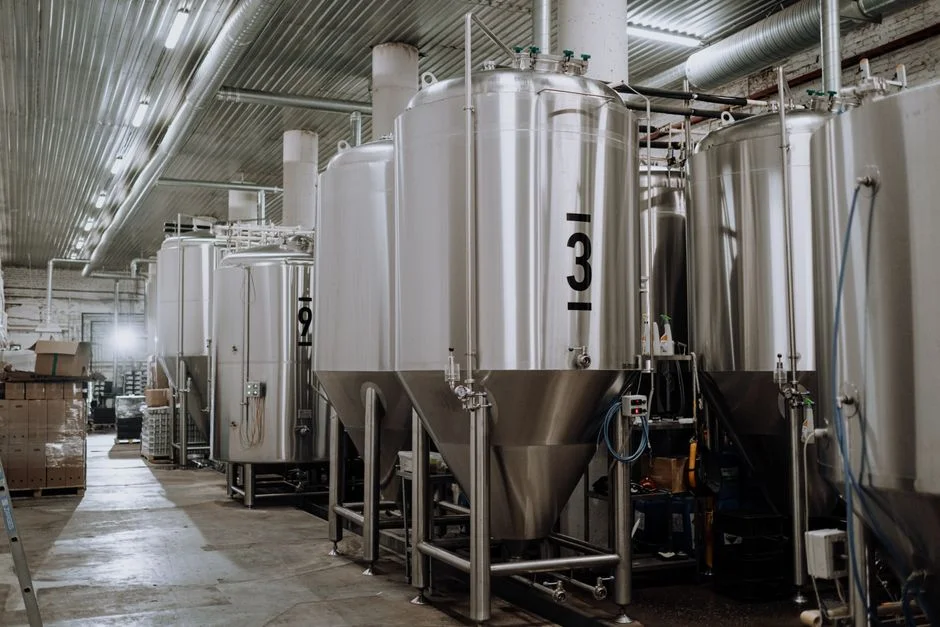
Pretreatment protects downstream biology by removing material that can block equipment, foul biological surfaces, consume alkalinity, or create toxic shocks. The required sequence depends on the wastewater analysis, but it normally starts with isolation of batch discharges, screening, equalization, and removal of floatable or settleable material before anaerobic or aerobic reactors.
Mechanical screening removes rags, plastics, fibrous debris, and other material that could obstruct pumps or downstream equipment. A rotary mechanical bar screen can be included where the wastewater survey shows these materials are present; the bid should specify aperture, duty, extracted-material handling, and whether a bypass is permitted.
Equalization buffers variable production flow, pH swings, batch discharges, and toxic shocks. Its working volume must come from measured flow and discharge controls. It is not simply a storage tank: the buyer should require mixing or aeration strategy, liner and odor provisions, accessible sludge removal, high-level controls, and a defined emergency response for prohibited batch discharges.
DAF is appropriate where suspended solids, oil and grease, FOG, or colloidal material could interfere with biological treatment. The supplied equipment catalog identifies textile, food processing, metalworking, petrochemical, pulp and paper, and municipal pretreatment as DAF application areas. For a industrial DAF pretreatment system, require the supplier to state the treated flow, contaminant loading, flotation-air requirement, scraper capacity, chemical strategy, and performance under the worst measured wastewater condition.
Chemical dosing should follow jar and pilot testing. Coagulants and pH adjusters consume chemicals and create sludge that needs controlled handling; therefore, an automatic chemical dosing system should be specified by chemical type, dose-control range, storage requirements, mixing, calibration, leak control, and verification of residual pH or coagulant concentration. DAF and chemical conditioning complement biological COD reduction; they do not replace it.
Sludge removal is part of process control. The supplied COD explainer notes that accumulated solids in storage tanks and digesters can hydrolyze and release soluble organics, increasing effluent COD. Procurement should therefore define inspection intervals, sludge withdrawal, conditioning, dewatering, odor control, and final disposal rather than treating sludge as an incidental by-product.
| Pretreatment unit | Primary role | Buyer check before selection |
|---|---|---|
| Screening | Remove rags, plastics, and fibrous solids | Screen aperture, extracted-material handling, and bypass control |
| Equalization | Buffer flow, batch dumps, pH, and toxicity | Working-volume basis, mixing, controls, and sludge removal |
| DAF | Remove suspended solids, colloids, oil, and FOG | Duty against measured loadings and required effluent quality |
| Chemical conditioning | Destabilize particles or correct pH | Jar or pilot evidence, chemical consumption, and sludge route |
Use Anaerobic Treatment for High-Strength Organic Loads
Anaerobic treatment is appropriate when the wastewater contains a high-strength, predominantly biodegradable organic load that can support biological conversion without oxygen. The supplied Chemical Oxygen Demand in Wastewater Treatment explainer identifies anaerobic treatment as preferred above approximately 2,000 mg/L COD and states that UASB reactors can achieve 90% COD removal at appropriate loading rates. Those are selection indicators, not guaranteed plant performance.
The December 2023 Cleaner Energy Systems study evaluated UASB, anaerobic digestion, and micro hydropower for Bangladesh and concluded that UASB was the best of the three for biogas generation from wastewater and simultaneous COD reduction. The same study used an average COD to model scenarios. Its modeled energy range of 976–1,986 GWh/year is a national scenario output and must not be presented as a Chittagong plant projection.
The process sequence is straightforward but operationally demanding: equalized wastewater enters the anaerobic reactor; microbial conversion produces a biogas mixture; the gas is captured and handled safely; and the residual liquid continues to aerobic polishing and, where required, membrane treatment. The supplied COD explainer reports methane yield around 0.38 L CH₄ per gram of COD. Require bidders to state whether any yield guarantee is measured, modeled, or conditional on influent COD, temperature, alkalinity, hydraulic retention, and uptime.
Ask every bidder to define the design influent COD, hydraulic retention time, organic loading rate, reactor temperature, alkalinity control, mixing, sludge inventory, gas handling, and upset-recovery procedure. These inputs cannot be replaced by a nominal reactor volume. The buyer should also require clarification of start-up, biogas utilization or flaring, flame and gas detection, confined-space controls, and how variable production discharges are managed.
Where solids separation is required after the biological stage, a sedimentation tank can be evaluated as part of the solids-handling train. Sludge dewatering may be considered with a plate-frame filter press, but the selected route must be compatible with the sludge characteristics and available disposal method.
UASB is justified by the factory’s actual flow, COD load, alkalinity, temperature, biogas use, and local energy value—not by national energy potential. If the stream contains persistent dyes, solvents, metals, or inhibitory compounds, the energy business case may be weak even where COD is high.
| Bid item | Required definition | Reason for the buyer |
|---|---|---|
| Design influent | COD, flow, temperature, pH, alkalinity, and relevant contaminants | Confirms the reactor is suitable for the actual stream |
| Hydraulic and organic loading | HRT and loading-rate calculation | Prevents capacity being inferred from tank volume alone |
| Biogas performance | Measurement basis, operating conditions, and uptime conditions | Separates a guaranteed result from a modeled yield |
| Sludge and gas safety | Inventory, withdrawal, gas detection, flame control, and emergency response | Addresses major operating and safety risks |
Polish the Effluent for Discharge, Reuse, or Tight Compliance
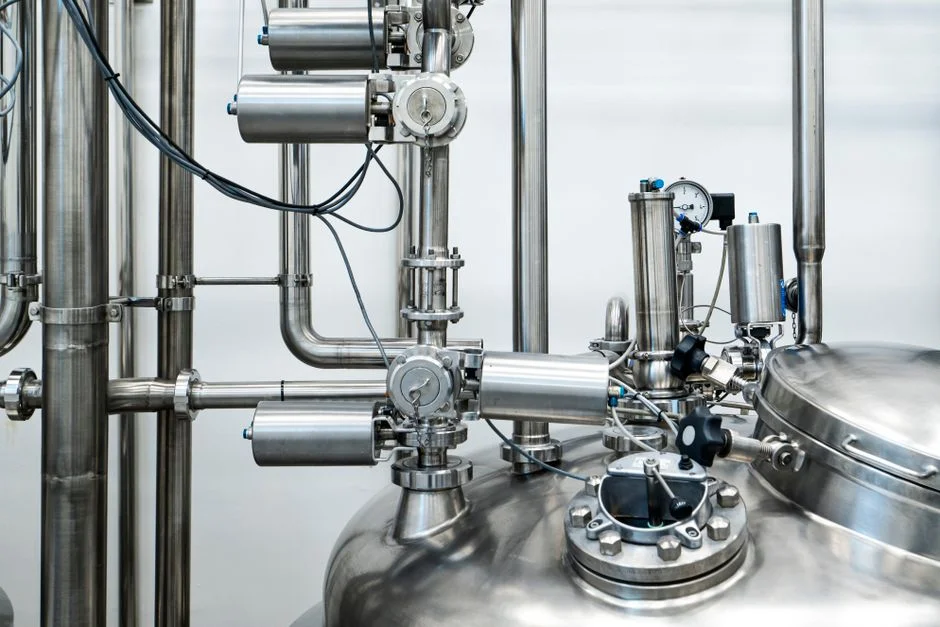
Polishing must match the required endpoint. Residual biodegradable COD and BOD after anaerobic treatment can be removed through aerobic biological treatment. The supplied COD explainer places general aerobic suitability below approximately 3,000 mg/L COD, but the actual choice should reflect post-anaerobic water quality, biodegradability, loading, temperature, and required effluent stability.
MBR is appropriate where compact biological treatment, integrated solids separation, or near-reuse-quality effluent is required. The supplied HydropureWater product information describes submerged PVDF membranes with filtration below 1 μm and offers capacities from 10 to 2,000 m³/day. Buyers should verify those figures against the selected duty, peak flow, membrane configuration, cleaning strategy, and final-water quality; a MBR wastewater polishing system should not be treated as a universal replacement for biological treatment.
Ultrafiltration is a solids and colloid barrier, not a substitute for dissolved COD removal or desalination. The supplied HydropureWater information states that its UF systems operate from 2,000 to 40,000 L/h, use 0.03 μm PVDF membranes, and accept up to 300 ppm turbidity. A UF water-treatment system requires feedwater testing for fouling, solids, and organic compatibility.
| Final treatment role | What it addresses | Key procurement condition |
|---|---|---|
| Aerobic biological treatment | Residual biodegradable COD and BOD | Post-anaerobic analysis, loading, aeration, and biological stability |
| MBR | Integrated biological treatment and solids separation | Verified membrane duty, cleaning, controls, and replacement plan |
| UF | Suspended solids and colloids | Feed turbidity, fouling risk, recovery, and cleaning frequency |
| RO | Dissolved salts and selected dissolved contaminants | Complete characterization, pilot evidence, pretreatment, and concentrate disposal |
| Disinfection | Microbial control for the intended reuse application | Endpoint-specific dose, residuals, contact conditions, and monitoring |
Use RO only after the wastewater has been characterized for dissolved salts, organics, fouling potential, and required recovery. Pretreatment and concentrate management must be established through analysis and pilot work. Where microbial control is required for industrial effluent reuse, disinfection should follow the selected process train; a UV sterilization system can then be assessed against flow, water quality, residual requirements, and site infrastructure.
Define the endpoint before buying membranes: permitted discharge, controlled sewer discharge, process-water reuse, or higher-value reuse each has different quality requirements. One membrane train should not be assumed to satisfy all endpoints.
Compare the Main Treatment Technologies Before Procurement
DAF, anaerobic reactors, aerobic processes, and MBR perform different functions in the treatment train; they are not interchangeable rankings from best to worst. Selection follows the measured wastewater, required endpoint, operating capacity, site constraints, and available sludge and gas-management infrastructure.
| Technology | Primary role | Strength | Main limitation | Required design basis |
|---|---|---|---|---|
| DAF | Physical separation | Removes suspended solids, colloids, oil, and FOG before biology | Does not remove the full dissolved organic load; creates sludge | Measured contaminant load and peak flow |
| UASB or other anaerobic reactor | High-strength COD conversion | Concentrated biodegradable organics can produce biogas without aeration | Requires alkalinity, temperature, mixing, gas handling, and stable loading | COD load, biodegradability, alkalinity, temperature, and uptime |
| Activated sludge or another aerobic process | Residual organic removal | Effective where residual biodegradable COD and BOD remain | Requires aeration and stable biological control | Post-anaerobic load, temperature, and effluent target |
| MBR | Integrated biological treatment and solids separation | Compact treatment with integrated membrane solids separation | Higher control, cleaning, fouling, and replacement demands | Verified flow range, membrane design, and final-water requirement |
Headline removal percentages do not represent whole-plant performance. A bypass, hydraulic peak, pretreatment failure, sludge washout, membrane fouling, or off-spec influent can invalidate a nominal result. Require the bidder to state test conditions, sampling points, stabilization requirements, bypass behavior, and consequences of non-compliant influent.
Compare the installed scope, not just the main vessel. The commercial schedule should separate equipment, civil work, installation, commissioning, chemicals, energy assumptions, sludge handling, odor control, safety systems, controls, operator training, maintenance, spare parts, and performance support. A MBR versus conventional activated sludge comparison is useful for understanding biological and solids-separation duties, but the final choice remains conditional on the wastewater analysis.
Equipment capacity must match verified flow range and duty, including peak and batch conditions. A nominal-capacity unit is not acceptable merely because it exceeds average daily flow; equalization, transfer timing, membrane flux, and pretreatment constraints determine whether that capacity can actually be used.
Specify Equipment, Controls, and Performance Tests
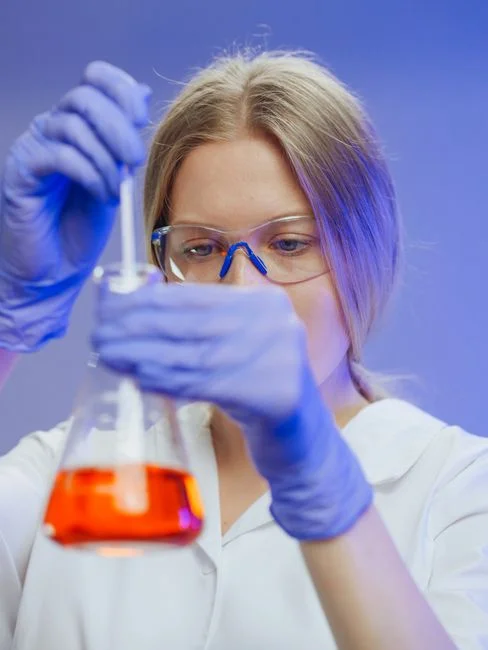
Procurement disputes often begin because the bidder, engineer, and operator are using different influent and effluent assumptions. Every bid should therefore state the guaranteed inlet envelope and final-effluent basis, including how COD, BOD, suspended solids, flow, pH, temperature, oil and grease, and toxicity are represented.
Require the supplier to identify whether capacity means daily average, peak hourly, or batch-transfer flow, and whether equalization is included. Automatic controls should be specified for feed pumping, pH correction, aeration, gas safety, sludge handling, levels, and abnormal conditions appropriate to the process. Alarms, interlocks, manual fallback, power-loss behavior, and data records should be explicit rather than implied by the control narrative.
Set monitoring points at raw wastewater, post-equalization, post-pretreatment, reactor inlet and outlet, final effluent, and sludge treatment. The supplied COD explainer identifies APHA Standard Method 5220 D as a closed-reflux colorimetric COD method. It can be included as one monitoring option, but the laboratory and regulator should agree on the applicable method and reporting protocol.
| Specification area | Required bid statement | Acceptance evidence |
|---|---|---|
| Influent envelope | Range and combination of flow, COD, BOD, solids, pH, temperature, oil and grease, and toxicity | Representative influent sampling and laboratory results |
| Hydraulic basis | Average, peak, batch-transfer, and equalization criteria | Capacity calculation and simulated operating demonstration |
| Controls and safeguards | Alarms, interlocks, emergency states, and manual fallback | Functional demonstration and control narrative |
| Monitoring | Sample points, methods, frequency, and data reporting | Commissioning records and laboratory verification |
| Performance test | Stabilized duty, acceptance criteria, and non-compliant influent treatment | Operator training, documentation, and formal handover |
| Excluded scope | Civil works, utilities, chemicals, sludge disposal, spares, and support | Complete responsibility matrix and commercial schedule |
Acceptance testing must use representative influent and cover sampling, laboratory analysis, operator training, performance stabilization, documentation, and handover. Do not accept a short demonstration at diluted wastewater or an unrepresentative clean production period. The commercial schedule should also state consumables, maintenance access, spare-parts philosophy, and long-term performance support.
Frequently Asked Questions
Does every Chittagong factory need a UASB reactor?
No. UASB is most relevant to a high-strength, biodegradable organic load after screening, equalization, and any necessary removal of oils, solids, colloids, or inhibitory compounds. A low-strength, readily biodegradable stream may not justify the added gas and sludge systems, while a non-biodegradable stream may require physical or chemical separation before biological polishing.
How should a high-COD treatment system be sized?
Size it from measured flow and mass-loading data, not average flow alone. The calculation must then be checked against hydraulic peaks, batch transfers, organic loading, alkalinity, temperature, pretreatment performance, sludge inventory, and the required final effluent. Request the sizing calculation and identify which parameters are guaranteed and which remain conditional on representative influent.
What should procurement teams compare when selecting a supplier?
Compare the guaranteed operating envelope, process guarantees, reference performance, included balance of plant, energy and chemical assumptions, commissioning support, operator training, maintenance capability, spare parts, and total lifecycle cost. Require a responsibility matrix so civil work, utilities, sludge disposal, instrumentation, and future support are not hidden exclusions.
How can manufacturers control treatment cost and budget risk?
Request a supplier quotation that separates equipment, civil work, installation, commissioning, chemicals, utilities, sludge handling, maintenance, consumables, spares, and performance support. Also ask for the operating-cost drivers: measured COD load, aeration demand, chemical dose, sludge volume, membrane cleaning, biogas utilization, and operator labor. The supplied research does not provide a Chittagong price, so a defensible budget needs these project-specific inputs rather than an assumed generic figure.
Will treatment automatically make wastewater suitable for reuse?
No. Industrial effluent reuse depends on residual COD, suspended solids, dissolved salts, pathogens, and the quality required by the receiving process. A higher-value reuse endpoint may require UF, RO, and disinfection beyond the minimum needed for controlled discharge, so define the intended use before selecting the final polishing train.
How can a factory reduce compliance risk?
Confirm the applicable consent and receiving-authority requirements, characterize the wastewater across production and discharge cycles, install monitoring at agreed points, and verify performance with representative effluent. Do not rely on a national COD estimate, a generic industrial range, or a membrane datasheet as proof that the factory meets its actual obligation.