Which Rules Control Sewer Discharge Near Clanton?
The applicable federal category and the current sewer authority’s local limits determine the treatment design envelope for a fabricated metals plant near Clanton. A shop that operates plating or anodizing lines may fall within 40 CFR Part 433, while a stamping operation shipping only dry parts to a separate finisher is generally outside that category (HydropureWater, 2026). The controlling permit package should combine the POTW industrial-user permit, local limits table and applicable discharge permit—not a generic federal limit alone.
Part 433 covers metal-finishing operations including forming, finishing, forging, foundry, metal-spraying and machining-wash operations when they are co-located with plating or anodizing lines. A facility operating its own zinc, nickel or chromic-acid tank is inside the category; a dry-parts stamping shop is generally outside it. PSES apply to existing sources and PSNS apply to new sources, with PSNS generally tighter. Plant status must therefore be established before selecting a compliance target (HydropureWater, 2026).
Under 40 CFR 403.5, POTW local limits are at least as stringent as applicable categorical standards and may add pollutant-specific caps. The plant must meet the stricter requirement for each parameter. Obtain the current industrial-user permit, local limits table, discharge permit, monitoring requirements and POTW treatment-capacity information before equipment specification. Do not insert numerical metal or pH limits into a proposal unless they appear in the plant’s current permit.
| Document or decision | What it controls | Buyer action |
|---|---|---|
| 40 CFR Part 433 applicability | Whether the process inventory belongs to the Metal Finishing category | Document plating, anodizing, machining-wash and co-located operations |
| PSES or PSNS status | Applicable categorical standard for an existing or new source | Confirm facility status with the permit record |
| POTW industrial-user permit and local limits | Site-specific discharge requirements, monitoring and operating conditions | Obtain the current signed permit and limits table |
| Discharge permit and treatment-capacity information | Discharge authorization and POTW acceptance conditions | Confirm applicable requirements with the sewer authority |
A broader comparison of how metal-processing operations approach sewer pretreatment limits is available in this permit-to-equipment guide for metals plants.
Characterize the Wastewater Before Sizing Equipment
A full-week composite profile is the defensible basis for sizing batch-dominated metal fabrication wastewater. A short composite can miss the dump that controls equalization, while separate sampling of machining oils, pickling rinses, plating rinses and cleaning solutions prevents dilution from hiding a concentrated stream (HydropureWater, 2026).
Map each waste stream before combining drains. Relevant flows can include machining and stamping oils, drawing compounds, acid-pickling rinsewater, plating rinses, chromic-acid operations, alkaline cyanide plating, grinding swarf, casting sand and compressed-air condensate. Also record whether a waste is continuously generated, discharged in batches, or diverted for off-site disposal.
HydropureWater’s 2026 mixed-floor-drain field data provides an initial characterization range: oils at 50–500 mg/L, total dissolved metals at 5–200 mg/L, TSS at 100–1,000 mg/L and pH swinging between 2 and 12 across batch dumps. These are preliminary ranges, not permit limits or a substitute for plant testing (HydropureWater, 2026).
Request flow, pH, oil and grease, TSS, total metals and individual metal results. Add cyanide and hexavalent chromium where the process inventory supports them. The sampling plan should also establish maximum batch volume, batch frequency, production schedule, drainage routing and planned changes in plating, anodizing or machining operations.
| Characterization input | Design question answered | Required record |
|---|---|---|
| Full-week flow and composite profile | Can equalization absorb the controlling batch? | Continuous or time-stamped flow records by stream |
| pH | Which chemical sequence and storage requirements apply? | Time-series pH across dumps and production periods |
| Oils and grease | Is oil separation or chemical break required? | Oil and grease results with stream identification |
| TSS and suspended solids inventory | What solids load reaches the sludge train? | TSS plus source and batch-volume observations |
| Metals, cyanide and Cr(VI) | Which reduction, oxidation and precipitation steps apply? | Total and individual metals, cyanide and hexavalent chromium where applicable |
| Future production changes | Is reserve treatment capacity justified? | Planned process, chemistry and throughput changes |
Build the Pretreatment Process in the Right Order
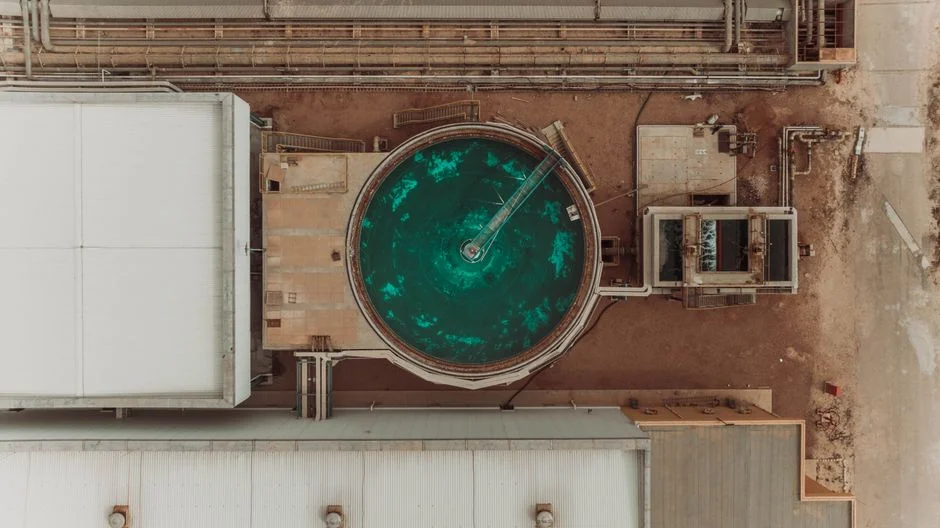
Each stage must remove a specific contaminant family before the next chemical condition can work. Oils, hexavalent chromium, cyanide and dissolved metals do not respond reliably to one combined reaction, so skipping physical oil removal or treating cyanide after metals precipitation can compromise the entire train (HydropureWater, 2026).
- Remove screenings and tramp material. Place a rotary mechanical bar screen ahead of equalization to capture rags, wipes and tramp metal. HydropureWater identifies this material as a common cause of premature filter-press cloth failure (2026).
- Equalize and contain upsets. Equalization blends batch dumps and holds chemical upset flows so downstream dosing sees a workable load. The basin must be sized against the measured batch pattern, not an isolated daily average.
- Remove oils. Physically separate free oil and emulsify or break oils before attempting dissolved-metal precipitation. Oil carried into floc formation can impair solids separation.
- Reduce hexavalent chromium. Use sodium metabisulfite or ferrous sulfate at pH 2–3 and approximately 250–300 mV ORP. The reduced trivalent chromium is subsequently precipitated during the metals-precipitation stage (HydropureWater, 2026).
- Oxidize cyanide. Treat cyanide before metals precipitation because untreated cyanide can resolubilize downstream precipitates (HydropureWater, 2026).
- Precipitate dissolved metals and separate floc. Adjust pH through the required precipitation range, add polymer and separate the hydroxide floc by DAF or lamella clarification. Hydroxide precipitation with chromium reduction commonly occurs at pH 8.5–9.5 (HydropureWater, 2026).
- Trim and verify. Adjust final pH and sample against the permit. HydropureWater describes pH 6–9 as a smoothed operating target, but the POTW’s permitted pH range controls the final setpoint (2026).
| Process stage | Primary purpose | Failure mode if omitted or miscontrolled |
|---|---|---|
| Bar screen | Remove rags, wipes and tramp metal | Solids enter equalization and sludge equipment |
| Equalization | Blend batches and hold upset flow | Variable loads overwhelm dosing and clarification |
| Oil removal | Remove free and emulsified oils | Oil interferes with floc formation and separation |
| Cr(VI) reduction | Convert hexavalent chromium before precipitation | Chromium remains soluble through the metals stage |
| Cyanide oxidation | Destroy cyanide before precipitation | Precipitated metals can redissolve downstream |
| Metal precipitation | Form insoluble metal hydroxides | Dissolved metals pass to final discharge |
| DAF or lamella clarification | Separate conditioned floc | Hydroxide solids carry over to discharge |
| pH trim and monitoring | Meet the permitted final condition | Discharge remains outside the POTW limit |
Use a PLC-controlled automatic chemical dosing skid to combine flow-paced feed with pH or ORP feedback where the relevant measurements are available.
Select Equipment for Batch Loads and Solids Handling
Equalization and solids-removal equipment must be selected against the measured batch profile and resulting sludge load, not peak flow alone. A basin that cannot absorb the missed dump defeats downstream automation, while a clarifier sized only by forward flow may fail when floc density or recycle changes.
For DAF, evaluate hydraulic surface loading, air-to-solids ratio and recycle together. HydropureWater cites surface loading of 4–20 m/h depending on model and floc density, an A/S range of 0.005–0.060 with 0.02 as a typical design point, and recycle of 10–30% of forward flow (2026). Higher A/S can produce a drier float but increases blower demand and may break fragile floc; excessive recycle can dilute chemistry and increase equalization demand. See the process guide explaining how DAF removes industrial wastewater solids.
Compare DAF with lamella clarification only after evaluating oil removal, floc characteristics, footprint, sludge withdrawal and clarified-water requirements. The DAF system for metal wastewater solids removal must be selected against those inputs, while a high-efficiency sedimentation tank provides a lamella-clarification option for comparison.
Specify pump calibration and stroke-count totalization for chemical metering. Without them, operators cannot verify reagent use. HydropureWater reports floated metal-hydroxide sludge at 2–5% dry solids and plate-and-frame dewatering to 25–35% dry solids (2026). The sludge plan must therefore include collection, thickened storage, dewatering, access and the final disposal route. A plate-and-frame filter press should be evaluated with those measured solids properties, while the bar screen remains upstream of equalization.
Prove Compliance Before and After Sewer Discharge
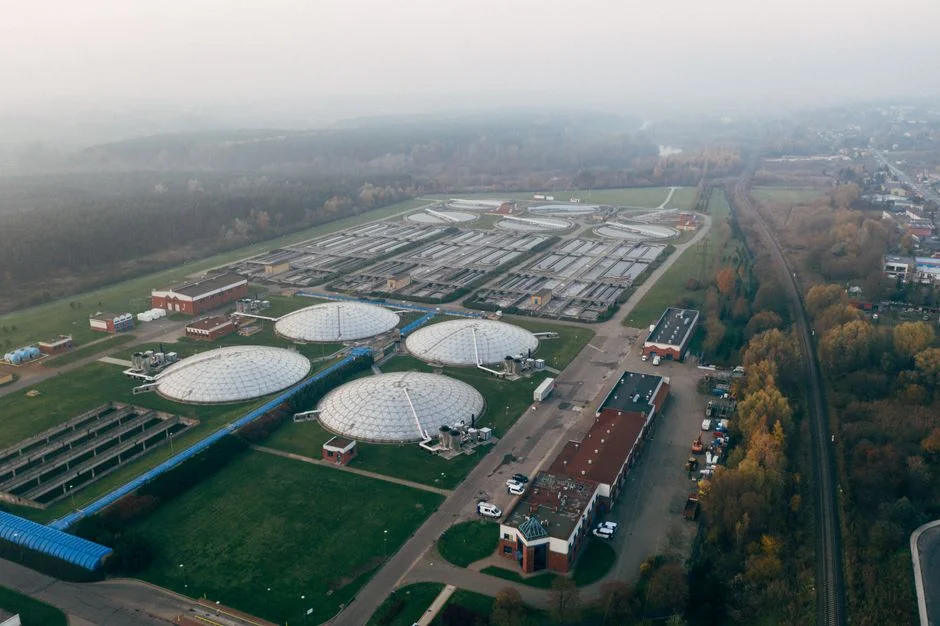
Compliance must be demonstrated against the applicable daily-maximum and monthly-average requirements identified during permit review, not against an assumed generic limit. HydropureWater distinguishes PSES for existing sources from PSNS for new sources in this verification context (2026).
Use automatic interlocks for pH excursions, ORP outside its permitted treatment range and high TSS, with automatic diversion to the equalization-basin header. These actions prevent a chemistry upset from becoming a sewer violation and preserve the wastewater for further treatment.
Before acceptance, calibrate chemical pumps and verify the complete control sequence, including feedback alarms, diversion valves, fail positions and operator displays. HydropureWater warns that dosing without calibration and stroke-count totalization leaves operators dosing without a reliable consumption record (2026).
Maintain operating parameters, batch-dump records, chemical use, bypass events and representative compliance samples. Re-test the treatment train whenever the process mix changes, particularly when plating or machining operations change, because both waste characteristics and the applicable local permit basis may change.
Decide When Additional Polishing Is Justified
Additional polishing is justified when the POTW limit is tighter than the applicable federal standard, reuse is required, or a future rule introduces an additional control—not simply because a more complex treatment train is available. Core physical removal, chemical conversion, precipitation and clarification normally address the required metal-treatment functions described by HydropureWater (2026).
Use an integrated MBR wastewater treatment system for BOD or COD tightening and reuse applications requiring filtration below 1 μm; it does not replace the chemical steps needed for dissolved metals. Use an industrial reverse-osmosis water purification system when sub-ppm TDS or a specific metal target requires it. HydropureWater identifies nickel below 0.1 mg/L as one reuse example and states that upstream filtration must control SDI15 below 3 (2026).
No current numerical PFAS limit for chrome finishers was supplied. The 2026 guidance is to reserve space and connections for possible anion exchange or granular activated carbon rather than install polishing ahead of an applicable limit. Closed-loop zero liquid discharge generally requires a water-scarcity or reuse-economics case to support the capital (HydropureWater, 2026).
For rinse-specific decisions, compare this rinse wastewater treatment framework for fabrication and plating operations with the current permit.
Buyer and Operator Questions to Answer Before Approval
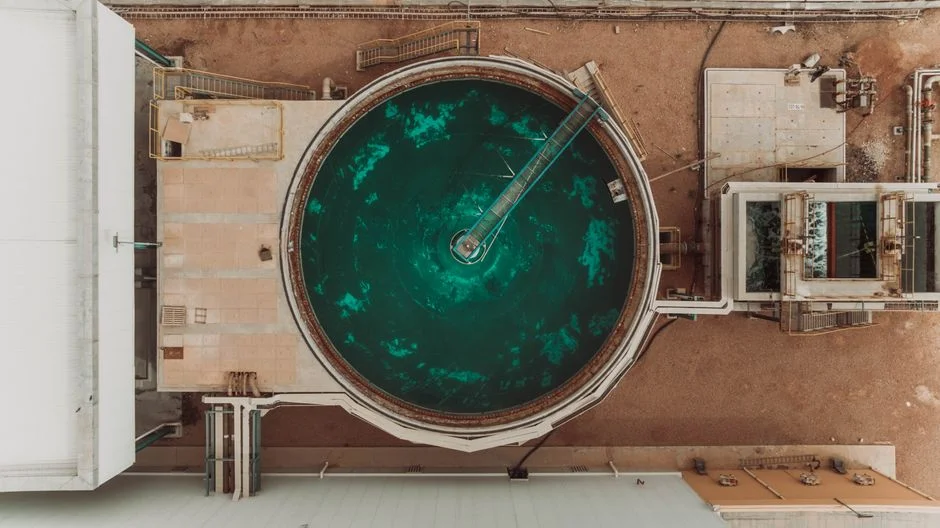
A defensible proposal identifies the wastewater basis, permit parameters, equipment calculations, controls and solids route. If those items are missing, the bidder has not demonstrated that the system can absorb the plant’s batch behavior or prove compliance.
| Approval check | Evidence required from bidder | Rejection warning |
|---|---|---|
| Influent basis | Full-week composite profile and source-by-stream inventory | Design based on a short composite or average flow |
| Equalization | Calculation tied to measured batch volume and frequency | No calculation or allowance for the controlling dump |
| Treatment stages | Stage-by-stage sizing calculations tied to permit parameters | Universal limit without permit reference |
| Controls | Control narrative, alarms, diversion sequence and metering records | Manual response to chemistry upsets |
| Solids handling | Sludge balance, dewatering basis and disposal route | Equipment selected without measured solids properties |
| Commissioning | Calibration, performance tests, training and handover records | Acceptance based only on completed installation |
| Lifecycle comparison | Filter-press operation and chemical consumption included | Capital price shown without operating and disposal costs |
Require the solids disposal route in writing and confirm that dewatering operation, maintenance, chemical consumption and operator training are included. The industrial sludge dewatering process flow can help define the interfaces that bidders must document.
Frequently Asked Questions
What should a plant request when comparing pretreatment-system cost near Clanton?
Request a permit-based lifecycle comparison rather than a universal price or generic discharge limit. The bidder should identify the current POTW parameters used in the design, total equalization and treatment capacity, chemical requirements, metering scope, sludge-dewatering method, disposal route, commissioning tests and operating labor. The current POTW permit and local limits table are required inputs; neither the supplied research nor an equipment proposal supports a defensible numerical price before those items and the wastewater characterization are known.
How should a buyer select and size a supplier’s treatment system?
Select a supplier that demonstrates sizing from a full-week composite profile, including the maximum batch dump, batch frequency, flow variability and sludge characteristics. Require written calculations for equalization, each treatment stage and solids handling, together with the identified permit parameters. A proposal based only on peak hourly flow or a short composite is not an adequate sizing check because it may miss the dump that controls the plant load (HydropureWater, 2026).
Why must cyanide be treated before metals precipitation?
Untreated cyanide can resolubilize metal precipitates downstream, reducing the performance of the clarification step. The sequence therefore places cyanide oxidation before pH-driven metals precipitation and solids separation (HydropureWater, 2026). The acceptance test should demonstrate the oxidation stage under representative cyanide-bearing conditions and verify that downstream solids removal remains effective.
When is a bar screen necessary for a fabricated metals pretreatment system?
Install screening where rags, wipes or tramp metal can enter the treatment train. HydropureWater identifies this material as a common cause of premature filter-press cloth failure and places the bar screen upstream of equalization (2026). The equipment scope should therefore include upstream mechanical removal, accessible sludge withdrawal and an inspection plan for downstream solids-handling equipment.