Why Emulsified Oil Requires a Different Treatment Approach
Stable oil-in-water emulsions resist gravity separation because their droplets remain dispersed instead of forming a readily collectable oil layer. The ScienceDirect review “Emerging usage of electrocoagulation technology for oil…” identifies refineries, petrochemical plants, metal manufacture, machining and finishing, food processing, textile, and leather operations as industrial sources of oily wastewater; it also reports effluent oil concentrations ranging from 1 to 40,000 mg/L (ScienceDirect, 2017). Before selecting an electrocoagulation system for emulsified oil wastewater, request oil concentration, droplet-size distribution, emulsion stability, surfactant content, conductivity, pH, suspended solids, and flow data. A broader treatment context is available in the linked overview of trade-waste and high-COD effluent treatment.
How Electrocoagulation Removes Emulsified Oil
Electrocoagulation combines coagulation, flotation, sedimentation, and electrochemistry to treat water, according to the 2022 ScienceDirect review “A state-of-the-art review on electrocoagulation (EC).” Electric current dissolves metal ions from sacrificial metal anodes; the ions hydrolyze into metal hydroxide flocs that capture oil and other pollutants. The 2017 ScienceDirect review identifies EC as effective at destabilizing oil-in-water emulsions by neutralizing droplet charge and bonding oil pollutants to generated flocs and hydrogen bubbles. This mechanism differs from conventional chemical coagulation: EC generates coagulant in situ rather than requiring an externally dosed coagulant. The separate PMC ship-wastewater study used selected coagulants with microbubble flotation, so its results are not direct evidence for an EC electrode system. Hydrogen bubble flotation also adds a solids-separation duty, leaving the buyer to specify how oil-bearing sludge will be removed, stored, and dewatered. For broader process context, see the cavitation air flotation process flow diagram.
Operating Parameters That Determine EC Performance
Initial pH control affects both droplet stability and the chemistry of the metal hydroxide flocs. Water Environment Research found that the studied oil droplets were more sensitive to pH changes than salt concentration; under alkaline conditions, the droplets became larger and unstable (Water Environment Research, 2016). Current density and current control are also critical EC variables, but the 2022 ScienceDirect review warns that performance is affected by many parameters that require optimization. Conductivity affects electrical behavior and coagulation chemistry, although the research provides no universal conductivity target. Mixing, residence time, oil-droplet characteristics, and suspended solids must be evaluated together because EC depends on coupled electrochemical, physicochemical, and hydrodynamic effects.
| Parameter or feature | Procurement or pilot requirement | Evidence-based basis |
|---|---|---|
| Initial pH | Define the feed-conditioning range and control method; test the effect of pH on droplet condition and downstream separation. | Water Environment Research (2016) found droplet size and instability to be more sensitive to pH than salt concentration. |
| Current density and current control | Specify control strategy, electrical supply, and the operating conditions to be tested. | The 2022 ScienceDirect review identifies current density among multiple parameters requiring optimization. |
| Conductivity | Measure across the operating range and obtain the supplier’s electrical-load assessment. | No universal conductivity target is provided in the supplied research. |
| Electrode system | Confirm material, geometry, spacing, polarity arrangement, orientation, and sacrificial consumption assumptions. | Electrode selection and reactor design require evaluation. |
| Hydraulics and mixing | Test residence time, mixing conditions, flow variation, and droplet interactions. | The 2017 ScienceDirect review identifies hydrodynamic effects as part of the combined removal mechanism. |
| Suspended solids and surfactants | Include them in feed characterization and downstream solids-handling design. | Emulsion behavior and floc properties depend on feed chemistry beyond oil concentration alone. |
Because these variables interact, no supplier should quote a guaranteed operating point from oil concentration alone. If feed conditioning is needed, an automatic dosing system for EC feed conditioning can be included in the control scope.
Recommended Electrocoagulation Process Configuration
A complete treatment train runs from equalization and characterization through feed preparation, EC, flocculation, flotation or equivalent oil-bearing solids separation, and final sludge handling. The EC cell is not a stand-alone wastewater machine: it generates metal hydroxide flocs that must be removed from the treated water. Commercial-scale electrocoagulation has been applied at Vancouver Shipyards to emulsified oily wastewater from vessel bilges, fuel and slop tanks, and power washing of engines, machinery, cranes, trucks, and other mechanical parts (PETSOC, 2002). A DAF system for separating oil-bearing electrocoagulation flocs should be considered as part of the process scope.
| Process stage | Primary function | Supplier information required |
|---|---|---|
| Equalization and characterization | Stabilize flow and define feed variability, oil concentration, emulsion characteristics, solids, salts, and surfactants. | Working flow range, analysis results, mixing provisions, and sampling points. |
| Feed conditioning | Provide the pH and any required chemical condition before electrochemical treatment. | Control range, dosing basis, reagent consumption, alarms, and fail-safe response. |
| EC reactor | Generate coagulant metal ions and metal hydroxide flocs, neutralize droplet charge, and promote gas-assisted flotation. | Electrode material, spacing, polarity, orientation, electrical supply, mixing, residence-time basis, and cleaning access. |
| Flocculation and flotation | Aggregate and separate oil-bearing flocs from treated water. | Recirculation, air supply, solids-removal capacity, skimming, and control set points. |
| Oil-bearing sludge handling | Remove, contain, store, and dewater residuals from the separation stage. | Expected sludge volume and consistency, oil recovery method, odor control, and disposal route. |
The PMC ship-wastewater study provides a downstream-separation reference rather than EC design data: its optimized coagulant-plus-microbubble-flotation process operated at 0.25 m³ h⁻¹ and pH 6.7–6.9, with effluent oil generally stable below 15 ppm for influent oil of 3,000–5,000 mg/L (PMC, 2022). Downstream solids concentration, sludge volume, and oil recovery must be established by pilot testing. For residual dewatering, evaluate sludge dewatering equipment for electrocoagulation residuals.
Electrocoagulation Versus Alternative Oil-Separation Technologies
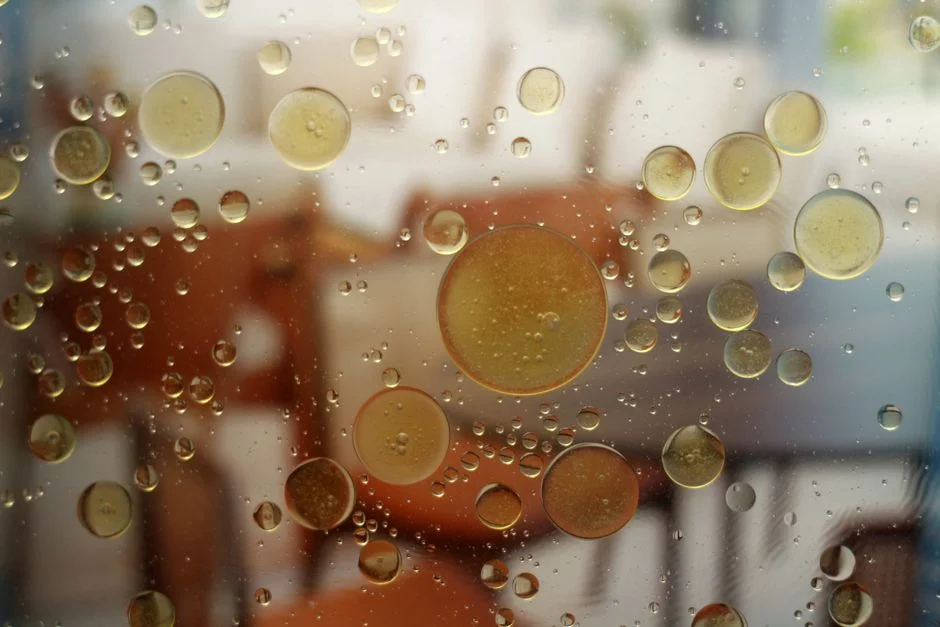
Electrocoagulation is most appropriate when the treatment objective includes destabilizing a stable emulsion rather than merely skimming free oil. Chemical coagulation requires an externally dosed coagulant; EC generates coagulant metal ions electrochemically and combines coagulation with hydrogen-bubble-assisted flotation. Gravity separation and skimming are simpler for free oil, but they are less suitable when droplets remain finely dispersed. The PMC study reports that biological treatment has a long residence time and large area and is less effective for high-concentration oily wastewater; it also notes challenges associated with membranes and adsorption. These distinctions support a hybrid decision.
| Technology | Primary strength | Limitation for stable emulsified oil | Decision role |
|---|---|---|---|
| Electrocoagulation | In situ coagulant generation, charge neutralization, floc capture, and gas-assisted flotation. | Performance depends on interacting electrochemical, physicochemical, and hydrodynamic variables; it generates metal hydroxide flocs. | Use as an emulsion-destabilization stage followed by solids separation. |
| Chemical coagulation plus DAF | Established coagulant and flotation process options. | Requires chemical selection, dosing, handling, and control. | Consider when chemical logistics, availability, or validated site data justify it. |
| Gravity separation and skimming | Simple recovery of free oil. | Stable emulsions remain dispersed and do not form an easily collectable oil layer. | Retain for free-oil recovery upstream where appropriate. |
| Biological treatment | Potential treatment of biodegradable dissolved and dispersed load after oil control. | Long residence time, large area, and less effective treatment of high-concentration oily wastewater. | Use downstream only where the remaining soluble load warrants it. |
| Membrane or adsorption | Polishing of residual separated contaminants. | Challenges associated with membrane and adsorption approaches. | Assess for polishing after oil and solids control. |
The PMC study screened coagulant dosage at 500 mg L⁻¹ and tested influent oil of 3,000–5,000 mg/L; these values show the sensitivity of flotation to feed and chemical conditions, not EC operating criteria (PMC, 2022). A practical sequence is EC for emulsion destabilization, DAF for oil-bearing floc separation, and biological or polishing treatment only where required. The cavitation air flotation advantages and disadvantages discussion provides additional context for comparing separation routes.
How to Specify and Procure an EC System
Specify the system around wastewater variability and the complete treatment train, not around a single oil-removal percentage. Require a site-specific characterization covering flow, oil concentration, droplet-size distribution, emulsion stability, pH, conductivity, temperature, suspended solids, surfactants, and variability across production conditions. Ask each supplier to explain how pH, current, electrode spacing, mixing, and residence time will be controlled and how those controls protect the downstream separator.
- Require the electrode material, sacrificial-consumption method, polarity arrangement, reactor construction, electrical supply, control philosophy, and maintenance-access details.
- Define the complete scope: equalization, feed conditioning, EC reactor, flotation, sludge withdrawal, odor control, instrumentation, controls, utilities, commissioning, and operator training.
- Require acceptance testing with representative wastewater and the proposed downstream flotation equipment.
- Reject guarantees based only on inlet oil concentration; emulsion stability, feed variability, and operating conditions must be part of the acceptance basis.
The research supports pilot optimization but provides no current equipment cost, supplier lead time, or universal energy figure. A buyer should request a site-specific quotation and require the supplier to disclose the inputs behind it: feed chemistry, current demand, electrode consumption, hydraulic load, treatment objective, utilities, flotation capacity, and sludge-handling scope. For procurement context, compare the effluent treatment plant buyer’s guide and the industrial ETP and DAF sizing guide.
Pilot Testing and Performance Acceptance
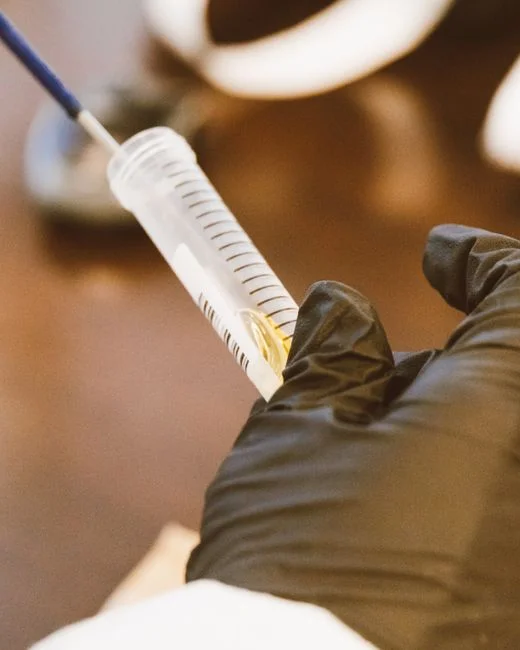
Pilot testing must use representative wastewater rather than a synthetic oil sample alone, because pH, salts, surfactants, suspended solids, and other contaminants change droplet behavior. Measure inlet and outlet oil, observe emulsion stability and droplet-size changes, and record pH, conductivity, current, voltage, flow, and sludge generation. Test several pH, current, and hydraulic conditions because both ScienceDirect reviews identify multiple interacting parameters that require optimization: the 2017 review covers electrochemical, physicochemical, and hydrodynamic effects, while the 2022 review emphasizes the need for broad parameter optimization and improved cell design.
Include the downstream flotation stage in the pilot so that the complete EC-and-separation train is assessed rather than the EC cell alone. Define acceptance criteria against the applicable discharge, sewer, reuse, or marine requirements. The 15 ppm value reported in the PMC study applies to the marine discharge context described there and must not be generalized to every jurisdiction. Additional context for a comparison of separation equipment is available in the DAF versus clarifier guidance for industrial wastewater.
Frequently Asked Questions
What should a buyer request when pricing an electrocoagulation system for emulsified oil wastewater?
Request a site-specific quotation based on measured flow, oil concentration, droplet-size distribution, emulsion stability, pH, conductivity, suspended solids, surfactants, required effluent quality, and operating variability. Universal energy and operating-cost figures cannot be derived from the research; they depend on feed chemistry, current demand, electrode consumption, hydraulic load, and treatment objectives.
How should an electrocoagulation supplier be selected for an industrial package?
Evaluate the complete
Frequently Asked Questions
How much does an electrocoagulation system for emulsified oil wastewater cost?
Capital expenditure for industrial electrocoagulation systems typically ranges from $20,000 to $150,000 depending on flow rate, material of construction, and automation levels. Small-scale modular units often cost between $20,000 and $50,000, while high-capacity, integrated systems for flow rates exceeding 50 cubic meters per day can exceed $150,000.
Operational costs are primarily driven by electrode consumption and electricity usage. Expect to budget between $0.50 and $2.50 per cubic meter of treated water, accounting for sacrificial anode replacement (typically aluminum or iron plates) and energy requirements ranging from 0.5 to 5.0 kWh per cubic meter.
How do I size an electrocoagulation system for industrial oily wastewater?
Sizing is determined by the hydraulic retention time (HRT) required to destabilize the oil-water emulsion, which typically ranges from 10 to 30 minutes. You must calculate the reactor volume based on your peak flow rate (m³/h) multiplied by the required HRT to ensure sufficient contact time for electrochemical destabilization.
Additionally, sizing must account for the current density, usually set between 10 and 100 A/m², and the total electrode surface area. The surface area must be sufficient to provide the necessary charge loading (Faraday's Law) to neutralize the zeta potential of the emulsified oil droplets effectively without excessive electrode polarization.
What information should I request from an electrocoagulation equipment supplier?
Request a comprehensive technical specification sheet that includes the specific power consumption per m³, expected electrode life in hours or kg of metal dissolved per m³ of water, and the reactor’s maximum current density capacity. You should also ask for verified performance data regarding the reduction of Chemical Oxygen Demand (COD) and Oil and Grease (O&G) levels based on influent characteristics similar to your own.
Inquire about the electrode material compatibility, automated polarity reversal features to prevent passivation, and the system’s ability to handle variations in influent conductivity and pH. Documentation should also include the expected sludge production rate, expressed as dry solids per unit volume of treated wastewater.
Can electrocoagulation replace DAF for oil-bearing floc separation?
Electrocoagulation can effectively replace or serve as a pre-treatment for Dissolved Air Flotation (DAF) units. In many configurations, electrocoagulation destabilizes the emulsion and forms micro-flocs, which can then be separated via a simple clarifier or a smaller, more efficient DAF unit, often reducing the chemical dependency and footprint of the overall separation process.
While electrocoagulation generates its own micro-bubbles via electrolysis—which can float oil flocs to the surface—a standalone EC system may require a secondary physical separation stage, such as a lamella settler or a DAF, to achieve high-clarity effluent consistently when oil concentrations are high or highly stable.
What discharge oil limit should my emulsified oil wastewater system meet?
Discharge limits are governed by local regulatory bodies, but industrial standards for oil and grease typically range from 10 mg/L to 50 mg/L for discharge into municipal sewer systems. If the water is being discharged into surface waters, limits are often more stringent, frequently requiring levels below 5 mg/L or 10 mg/L depending on local environmental protection agency mandates.
It is critical to verify the specific requirements of your local wastewater treatment authority, as they may also impose limits on associated parameters like Total Suspended Solids (TSS) and dissolved aluminum or iron concentrations resulting from the sacrificial electrodes, which often must stay within trace metal discharge limits.