Start with the permit, not the treatment package
Mining and metals plants near Marion, Ohio meet sewer pretreatment limits by treating each wastewater stream to the current permit and local sewer requirements before discharge—not by relying on one federal mining rule. The process begins with flow equalization and stream characterization, followed by pH adjustment, coagulation, solids separation, filtration and, where dissolved metals or salts remain, membrane polishing. Chemical-precipitation sludge must also be dewatered and managed. Because Marion reportedly changed its copper limit to 1.0 mg/L and molybdenum limit to 0.6 mg/L on February 13, 2026, operators should verify current authorization, monitoring and reporting requirements directly with the City of Marion and the receiving sewer authority before sizing equipment.
The governing pathway depends on where the wastewater goes. A direct discharge from the mine or processing facility requires identification of the applicable NPDES authorization and any incorporated categorical requirements. An indirect discharge through a publicly owned treatment works requires the industrial pretreatment permit and approval from the receiving sewer authority. These are different approval paths, and neither permits equipment selection by itself.
For mining and quarrying operations, determine whether the specific mineral and operation are covered by an applicable subpart of 40 CFR Part 436. The EPA material summarized in the mining and metals sewer-limit guide explains that applicable Part 436 requirements are incorporated into NPDES permits. Part 436 is not a substitute for Marion’s sewer authorization, and the facility must identify the correct subpart rather than assume that every mining operation has the same federal requirements.
Obtain the current industrial pretreatment permit, discharge authorization, local limits, monitoring frequencies, approved analytical methods and sector-specific conditions in writing. The reported February 13, 2026 values—1.0 mg/L copper and 0.6 mg/L molybdenum—are verification prompts, not a complete permit table. Marion’s Ordinance 2020-15 reportedly moved numeric toxic-metal thresholds out of the municipal code and into administrative documents, so an older ordinance or web summary is an inadequate basis of design.
| Document to obtain | What it establishes | Procurement or engineering use |
|---|---|---|
| Current industrial pretreatment permit or direct-discharge authorization | The approval path, authorized discharge point and applicable conditions | Defines whether the project is an indirect or direct discharge and what must be demonstrated |
| Current Marion local limits | Numerical requirements, including applicable metals, pH and suspended solids | Sets the compliance targets used in process design |
| Monitoring schedule and approved analytical methods | Frequency, sample point, parameters, methods and reporting requirements | Translates equipment performance into a defensible compliance program |
| NPDES permit and applicable Part 436 determination | Federal categorical requirements incorporated into the permit, if relevant | Confirms the regulatory floor and any federal operating conditions |
| Written administrative limit-change notice | The effective local-limit values and modification date | Prevents reliance on obsolete limits during equipment selection |
Characterize each mining and metals wastewater stream
Mine drainage, process water, tailings-pond effluent, dewatering discharge and stormwater require separate characterization because their chemistry, flow patterns and discharge schedules can differ materially. A composite sample may conceal the stream that controls pH adjustment, chemical dose, clarification loading or membrane pretreatment requirements.
For acid mine drainage, the mining pretreatment source identifies pH and dissolved iron, manganese, copper, zinc, arsenic and cadmium as common concerns. The same source distinguishes process water carrying reagents and dissolved ore constituents, tailings-pond effluent containing fines and process chemicals, and dewatering discharge whose metal loading depends on geology. That separation is the basis of the industrial heavy-metals removal comparison.
Measure flow variability, suspended solids, conductivity or TDS, process-reagent residues and the maximum anticipated discharge period. Average flow is not a sufficient design basis: it can understate equalization, pumping, clarification and dewatering demands during a high-volume discharge. For metal-processing facilities, characterize cleaning solutions, oils and grease, process chemicals, metals and any cyanide-bearing stream separately. A stream containing process reagents may require different controls from acidic drainage even if both discharge through the same sewer.
The supplied research does not publish Marion-area flows, concentrations or equipment prices. Final chemical dose, clarification area, membrane recovery and sludge-system scope therefore require representative site data rather than generic assumptions. Sampling should cover ordinary operation and credible high-flow or high-loading conditions before the basis of design is frozen.
| Stream | Core characterization | Design consequence |
|---|---|---|
| Acid mine drainage | pH; dissolved iron, manganese, copper, zinc, arsenic and cadmium | Sets pH correction, precipitation and dissolved-metal polishing requirements |
| Process water | Flow variability; TDS or conductivity; suspended solids; reagent residues | Determines equalization, filtration and possible desalination requirements |
| Tailings-pond effluent | Suspended solids, fines, metals and process chemicals | Controls clarification capacity and sludge production |
| Dewatering discharge | Flow duration, pH, metals and suspended solids | Controls peak hydraulic and solids-loading cases |
| Stormwater | Runoff volume, suspended solids, metals and discharge frequency | May require segregation, temporary storage or dedicated treatment |
| Metal-processing streams | Cleaning chemistry, oils and grease, metals and cyanide where applicable | Defines stream-specific pretreatment and segregation requirements |
Build a treatment train that removes the actual contaminant
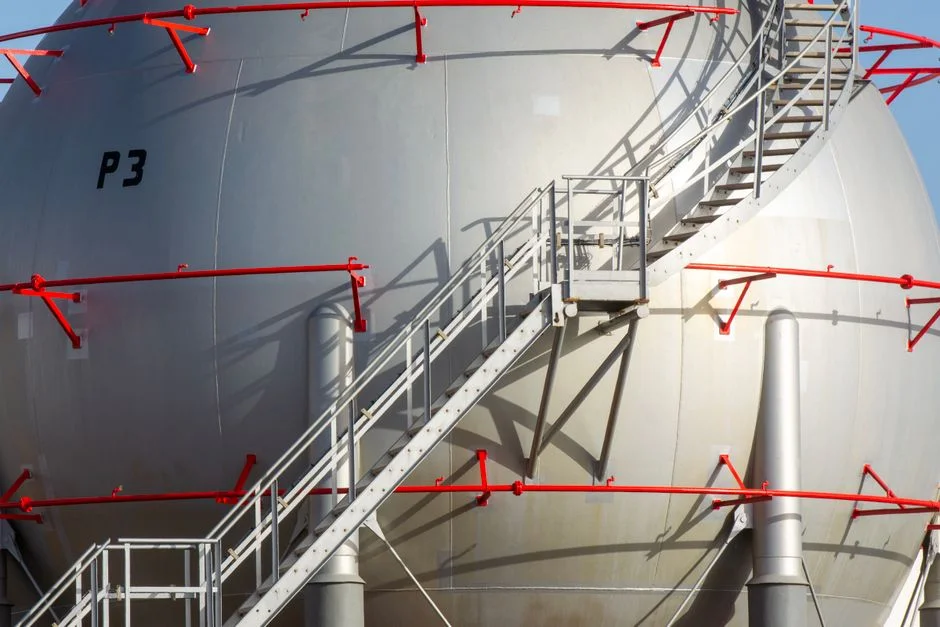
The defensible sequence is equalization, controlled chemical dosing, coagulation and flocculation, solids separation, filtration and conditional membrane polishing. Equalization buffers hydraulic and chemical peaks. A PLC-controlled chemical dosing skid then establishes the pH required to precipitate dissolved metals before floc formation and solids removal.
DAF is the appropriate separator when the design must remove buoyant floc, fines, oil or colloidal material; the listed DAF system for mining wastewater covers 4–300 m³/h across 13 models. A lamella clarifier for metal-hydroxide sludge is relevant where compact footprint and sludge-volume management are priorities. The listed surface-loading rate is 20–40 m/h, and chemical consumption is reported as up to 30% lower; that comparison should be checked against the proposed feed chemistry rather than accepted as a universal saving.
Residual solids and colloids then require filtration. Multimedia filtration can protect downstream RO, but the specification should require the relevant post-filter SDI, not inlet turbidity alone. A UF pretreatment system is another barrier where fine colloids or suspended solids must be removed before membranes; the listed 0.03 μm PVDF systems operate at 2,000–40,000 L/h and include automatic backwash and air scour.
RO is required when dissolved metals or salts remain above the applicable limit after precipitation and solids removal. The supplied mining source reports more than 99% rejection of dissolved metals and salts for the described application, which supports considering reverse-osmosis treatment, but does not establish site-specific effluent compliance without feed data and a mass balance.
Chemical-precipitation sludge is a separate design workstream. Specify its expected solids quantity, metal content, dewatering target and disposal route, then assess a metal-sludge dewatering equipment system. The listed plate-and-frame filter-press filtration area is 1–500 m². Choosing the area requires representative solids concentration and the operating cycle, not simply the treatment-system flow rate.
| Process step | Primary purpose | Selection trigger |
|---|---|---|
| Equalization | Buffer flow and chemistry peaks | Variable discharge or incompatible streams |
| pH adjustment and metal precipitation | Convert dissolved metals to separable solids | Dissolved metals exceed the applicable limit |
| Coagulation and flocculation | Aggregate particles for separation | Fine, colloidal or slowly settling solids |
| DAF or lamella clarification | Remove precipitated or buoyant solids | Floc properties, oil content, footprint and sludge volume |
| Multimedia filtration or UF | Remove residual solids and protect membranes | Downstream filtration or RO requires controlled feed quality |
| RO | Remove residual dissolved metals and salts | Permit limits cannot be met by precipitation and clarification |
| Sludge dewatering | Stabilize and concentrate metal-bearing solids | Chemical-precipitation sludge is generated |
Choose between integrated, staged and zero-liquid-discharge designs
A packaged system can reduce interfaces, while a staged train provides independent testing, maintenance and capacity decisions. The choice should follow the waste chemistry and operating constraints, not the number of components in a brochure.
For a smaller mine-water application, the listed integrated mine-water treatment system combines coagulation, flocculation, sedimentation, filtration and automatic backwash in one skid at 10–200 m³/h. It is listed for turbidity up to 3,000 mg/L and reduction below 3 mg/L. Those figures address turbidity; they do not demonstrate dissolved-metal or salt compliance. A metal-processing facility should therefore not select the package without feed chemistry and membrane data.
A staged architecture—modular equalization, DAF or lamella clarification, multimedia filtration, UF and RO—suits constrained sites or facilities with separate streams because each unit can be commissioned, sampled and maintained independently. It also makes it easier to establish whether residual failure comes from precipitation, solids carryover or membrane performance.
For water reuse or zero-liquid-discharge objectives, RO performs the bulk recovery before any downstream concentrate treatment. The supplied mining guide reports 70–85% recovery for an RO stage in a zero-liquid-discharge train and 50–70% recovery when RO receives acid mine drainage. These are source-specific performance claims, not guaranteed operating values. Request feed-specific recovery curves, reject performance, energy use and chemical consumption, supported by the proposed operating envelope.
Reducing discharge volume does not eliminate the obligation to manage concentrate. The mass balance must account for salts and metals rejected by RO, including their concentration and disposal route. The ZLD capacity guide and the DAF-versus-clarifier selection guide provide useful architectural comparisons, but the Marion project still requires local permit and site data.
| Architecture | Best fit | Main engineering question |
|---|---|---|
| Integrated skid | Smaller mine-water duty with a defined contaminant profile | Does the packaged turbidity performance also satisfy applicable dissolved-metal and salt limits? |
| Staged treatment train | Separate streams, constrained sites or independent maintenance requirements | Which stage controls each permit parameter? |
| RO-based zero-liquid-discharge train | Water reuse or near-zero liquid discharge objectives | What recovery can the feed sustain, and how will the concentrate be managed? |
Turn the design into an audit-ready compliance record
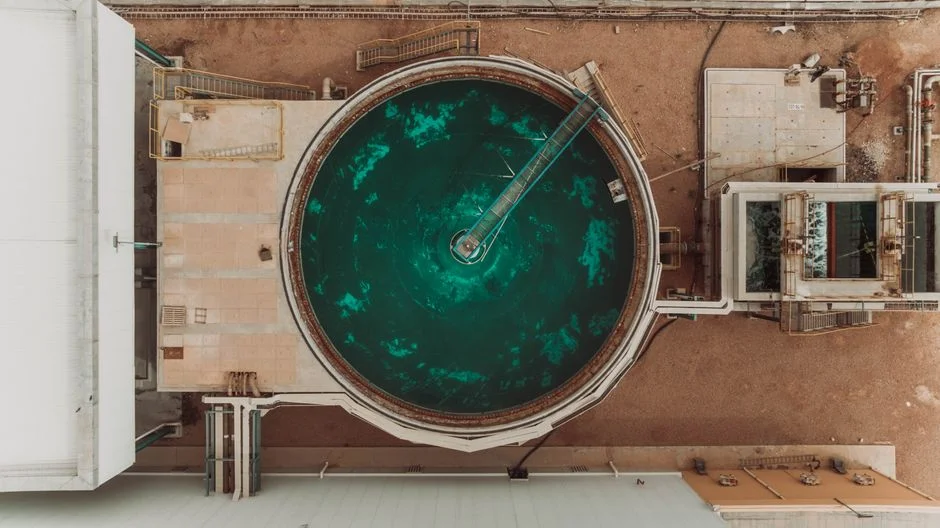
Compliance evidence must connect the current permit to installed equipment, operating records and representative samples. One satisfactory result does not demonstrate sustained control of hydraulic, chemical or solids-loading variation.
Create a permit-compliance matrix linking every regulated parameter to its current numerical limit, sample point, monitoring frequency, approved analytical method and responsible operator. Include influent and effluent pH, flow, metals, suspended solids and conductivity or TDS as applicable. Use trends to adjust chemical setpoints and operating decisions instead of treating a grab sample as the operating record.
Automatic controls should cover flow, pH and conductivity where applicable. Alarm handling must identify the responsible operator, the action taken and the evidence that the condition was corrected. Records should also link equipment settings to chemical inventory, calibration, maintenance and laboratory results. The required control valves, instrumentation and filter media should therefore be specified as part of the compliance record, not treated as unrelated accessories.
Track sludge generation, dewatering performance and metal-bearing solids. Treatment does not remove the obligation to account for contamination transferred into sludge. Include the source stream, chemical doses, solids removed, cake production and disposal or reuse authorization in the operating file.
Recheck the permit and local limits before commissioning and after any administrative change. Marion’s reported February 13, 2026 modification demonstrates why a static specification can become obsolete. Date-stamp each permit review and identify the authority contact, document version and effective date so an auditor can reconstruct the limits used for design and acceptance testing.
| Record | Minimum content | Audit purpose |
|---|---|---|
| Permit-compliance matrix | Parameter, limit, sample point, frequency, method and owner | Shows how each requirement will be demonstrated |
| Process trend log | Flow, pH, conductivity and relevant equipment operating conditions | Supports operating adjustments and troubleshooting |
| Chemical and calibration record | Dosage, inventory, verification and instrument calibration | Supports dosing controls and corrective action |
| Laboratory report | Sample location, date, parameter, method and result | Demonstrates performance against the applicable limit |
| Sludge record | Origin, quantity, dewatering result and disposal route | Prevents untreated transfer of metals to another pathway |
| Permit recheck log | Authority, version, effective date and reviewer | Prevents reliance on obsolete limits |
Questions engineers and buyers should resolve before requesting a quote
Request a scope priced against representative average and peak flows, current permit limits, full influent metal and solids data, the desired recovery rate and expected sludge quantity. Require each proposed component to map to a named contaminant and discharge limit rather than appearing as generic equipment.
Ask suppliers for site-specific recovery, energy and chemical-consumption guarantees supported by the proposed feed chemistry and operating envelope. The quotation should also identify controls, instrumentation, sludge handling, commissioning, operator training, monitoring support and maintenance requirements as one integrated scope.
State in the information request that no equipment can be represented as compliant without the current discharge authorization and representative site-specific design data. Use the industrial heavy-metals removal comparison to structure the technical review, but obtain current authorization directly from the City of Marion and the receiving sewer authority before relying on any limit table.
Frequently Asked Questions
What are the current sewer pretreatment limits for copper and molybdenum for mining and metals plants discharging to Marion’s sewer?
WaterVerge reported on February 13, 2026 that Marion’s pretreatment program set copper at 1.0 mg/L and molybdenum at 0.6 mg/L. These are verification prompts, not a complete limits list. Obtain the current permit and administrative local-limit document directly from the City of Marion and receiving sewer authority before design or compliance demonstrations.
How much should a mining wastewater pretreatment system near Marion cost, and which costs drive the price?
The supplied research publishes no complete-system price, so a defensible quotation requires current limits, average and peak flow, representative chemistry, recovery objectives and expected sludge quantity. Capital scope will depend on the selected architecture and particularly on solids separation, membrane polishing, chemical storage, controls and sludge dewatering; operating costs will depend on feed chemistry and site-specific reagent, energy and recovery performance.
Should we buy a packaged JY system or a staged DAF, lamella, UF and RO treatment train?
Choose the packaged JY system only when its documented turbidity performance and operating range address the complete permit obligation; turbidity reduction does not establish dissolved-metal or salt compliance. A staged train offers independent testing and maintenance and is generally easier to map to separate contaminants and changing flows, but it adds interfaces, equipment and control scope. Select against the permit, feed chemistry, reuse target and site constraints rather than package size alone.
What data should we provide before selecting a wastewater-treatment supplier?
Provide the current permit and discharge authorization, average and peak flow data, discharge duration, representative pH, metals, suspended solids, conductivity or TDS and process-reagent analyses for each stream. Include the required reuse or recovery objective, expected sludge quantity and disposal constraints. Ask the supplier to map each unit to a contaminant, identify acceptance tests and specify recovery, energy and chemical-consumption guarantees for the proposed feed.