Which wastewater system does an Istanbul hotel need in 2026?
An Istanbul hotel or resort in 2026 usually needs equalization, biological treatment, solids separation and disinfection, with additional pretreatment or reuse equipment determined by kitchen wastewater, laundry discharge, site constraints and the final effluent route. A buried A/O package plant is practical where compactness, automation and routine operation are priorities. An MBR is more appropriate when higher-quality effluent or water reuse is required, while a hybrid adds dedicated pretreatment where grease, solids or other streams warrant it. Final selection depends on verified flow and load data, sewer or reuse requirements, available space and Istanbul authority approvals.
The engineering decision should follow three branches. First, use a compact buried A/O package sewage treatment plant for conventional treatment where compactness, automation and limited site disruption drive the brief. Second, use an integrated MBR wastewater treatment system where the discharge route is demanding or reuse is part of the project. Third, specify a hybrid when kitchen wastewater, laundry discharge or unusually high solids require pretreatment before biological treatment.
HydropureWater’s Turkey location page states that its 69 guides were most recently updated on November 5, 2026, including a dedicated 2026 Istanbul hotel packaged-MBR buyer’s guide addressing sizing, ISKI compliance, wastewater characteristics, costs and supplier checks. That scope is relevant because a hotel proposal based only on occupied rooms is incomplete. The engineer must obtain current water demand, wastewater flow, pollutant loads, discharge destination, reuse targets and site constraints before selecting equipment.
For regional context only, Webuild reports that Istanbul’s Ataköy wastewater treatment plant includes a 240,000 m³/day wastewater plant and a 20,000 m³/day MBR section. These are municipal project figures, not hotel sizing inputs. The 2025 wastewater compliance and technology guide provides further context for evaluating treatment routes and project requirements.
Map the hotel's wastewater before selecting equipment
Accurate source mapping determines whether a packaged system is technically adequate. Document guestrooms and staff areas, kitchens and restaurants, laundry, spas and pools, housekeeping, back-of-house operations and any separately collected process water. Kitchen flows can carry grease and solids, while laundry discharges can create hydraulic peaks; both may need equalization or dedicated pretreatment to avoid disrupting downstream biological treatment.
Use this sequence for hotel wastewater sizing:
- Establish verified wastewater flow and pollutant loads.
- Separate average demand from peak demand and record seasonal variation.
- Define the design horizon and permitted discharge or reuse route.
- Confirm reuse demand, available footprint, power supply and sludge-disposal route.
- Size pretreatment, equalization, biological treatment, solids separation and disinfection as an integrated train.
The WSZ catalog covers 1–80 m³/h, while the MBR catalog covers 10–2,000 m³/day. These are equipment-selection boundaries, not assumed hotel design flows. The selected treatment route, verified hydraulic peak and pollutant load must determine the actual configuration. Automatic chemical dosing systems and mechanical bar screens may support the resulting train, but neither replaces source characterization.
| Input or stream | Evidence required | Design consequence |
|---|---|---|
| Guestrooms and staff areas | Metered water use, occupancy forecast and seasonal data | Average and peak wastewater flow |
| Kitchens and restaurants | Flow and sampling results for grease, solids and FOG | Equalization or dedicated pretreatment |
| Laundry | Batch flow, discharge timing and load characteristics | Hydraulic balancing and load control |
| Spas and pools | Discharge volume, chemistry and destination | Separate treatment or approved integration |
| Back-of-house and process water | Source, flow, sampling results and operating schedule | Additional pretreatment or diversion |
| Discharge and reuse | Authority requirements and water-quality targets | Treatment objective and monitoring scope |
| Site and operations | Footprint, power, access, sludge route and service constraints | A/O, MBR or hybrid configuration |
Before quotations, request occupancy forecasts, current water-meter records, seasonal variation, kitchen and laundry flow data, sampling results, authority pre-approval requirements and the intended reuse demand. Where these records do not exist, require the supplier to identify the calculation method and assumptions rather than replacing missing evidence with a generic room count.
Choose between a buried A/O plant, MBR and hybrid treatment
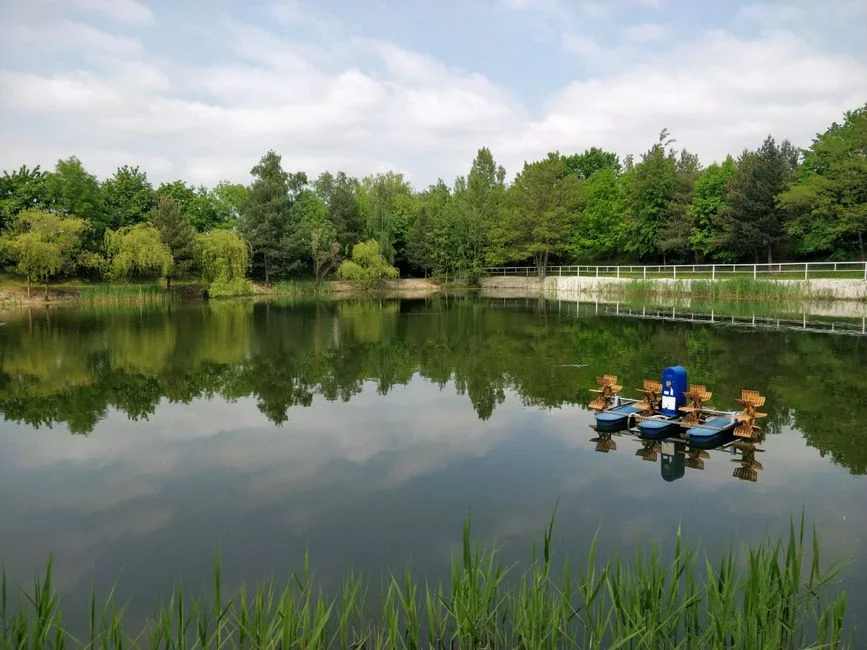
The WSZ combines anoxic/aerobic biological contact oxidation, sedimentation and disinfection in a single buried package. Its catalog capacity is 1–80 m³/h, and landscaping can occupy the area above the below-grade installation. It is therefore relevant where a conventional treatment route, compact footprint and routine automated operation are required.
The integrated MBR combines activated-sludge treatment with submerged PVDF membrane filtration. Its catalog capacity is 10–2,000 m³/day, and the product specification identifies near-reuse-quality effluent below 1 μm. That makes MBR a stronger candidate when reuse is planned or the permitted discharge route requires a more advanced treatment objective, but the reuse application still needs to define the required water quality.
A hybrid introduces dissolved air flotation equipment ahead of biological treatment when preliminary removal of suspended solids, FOG, oil and grease or colloidal matter is required. The DAF catalog covers 4–300 m³/h across 13 standard models. An ultrafiltration system should be treated as a downstream reuse or membrane-protection stage: its specification gives 2,000–40,000 L/h capacity, 0.03 μm PVDF membranes, automatic backwash and air scour.
| Selection factor | Buried A/O package | Integrated MBR | Hybrid treatment |
|---|---|---|---|
| Catalog capacity | 1–80 m³/h | 10–2,000 m³/day | DAF range of 4–300 m³/h across 13 models, plus downstream treatment |
| Typical layout consideration | Below grade with landscaping above | Requires allocated equipment and access space | More process stages and transfer points |
| Effluent objective | Conventional treatment; confirm against approval route | Near-reuse-quality effluent below 1 μm | Set by pretreatment and downstream treatment |
| Reuse readiness | Depends on specified downstream treatment | Directly supports higher-quality treatment requirements | Can combine removal stages for the application |
| Operational focus | Automated biological treatment, sedimentation and disinfection | Activated sludge plus membrane operation and maintenance | DAF operation plus downstream process control |
| UF role | Not inherent in the described package | Downstream or membrane-protection stage where required | Potential downstream reuse stage; its specification is 0.03 μm with backwash and air scour |
Do not compare these options on catalog capacity alone. Footprint, excavation, utilities, automation, monitoring, operator competence, consumables, maintenance access and service support can determine lifecycle feasibility. Webuild’s Ataköy figures—20,000 m³/day for the MBR section and 240,000 m³/day for the overall wastewater plant—demonstrate Istanbul-scale infrastructure, but they are not hotel design guidance.
Match the system to discharge, reuse and Istanbul approval requirements
The final effluent destination must be confirmed before ordering equipment. For direct discharge to the relevant sewer, obtain the applicable ISKI or other authority requirements and coordinate pretreatment, monitoring and connection conditions with the responsible authority. An engineering guide to packaged wastewater plants can support the broader compliance and supplier-check framework, but Istanbul project approvals remain project-specific.
For treated-effluent discharge through an approved route, define the receiving system, required pretreatment, sampling points, monitoring frequency and operating records before selecting the biological process. For on-site reuse, select the process from the application and required water quality rather than relying on the generic description “near-reuse quality.” Laundry, irrigation and cooling each impose different operating and quality requirements.
The UF specification provides a useful process distinction: it is a 0.03 μm membrane system intended for suspended-solids removal and RO pretreatment. It does not replace biological treatment of hotel sewage. A reuse train therefore needs a defensible treatment sequence, not simply an additional membrane fitted after an inadequately designed biological stage.
The supplied research does not provide a universal Istanbul hotel effluent limit, reuse criterion or permit condition that can be quoted safely. The final discharge limits, reuse criteria and permit conditions must be confirmed for the property. HydropureWater’s 2026 Istanbul hotel buyer-guide scope identifies ISKI compliance as a required selection topic, supporting an early permit-and-destination check before equipment purchase. The comparison of packaged sewage and MBR systems for hotels provides a useful technology reference, but it does not replace Istanbul-specific authority confirmation.
Build a comparable brief for hotel wastewater equipment suppliers
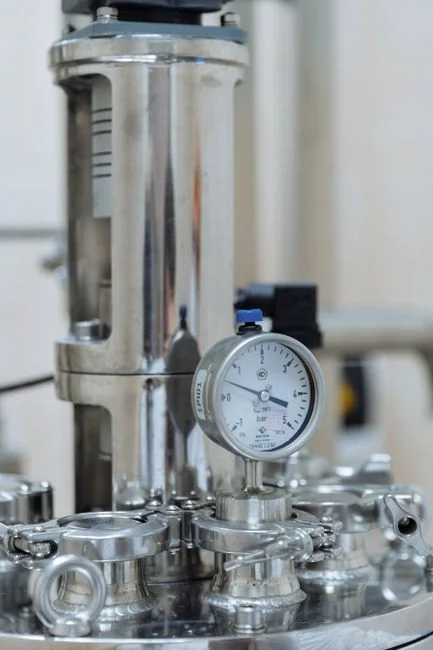
A comparable request for proposals begins with the verified design basis, not a product name. Every bidder should state design flow, design loads, treatment objectives, process train, duty and standby arrangements, footprint, utilities, automation, sludge handling and commissioning scope. The brief should also identify the applicable discharge or reuse route and the authority interface.
| RFP item | Evidence required from each bidder | Buyer check |
|---|---|---|
| Design basis | Verified peak flow, average flow and pollutant loads used in calculations | Does capacity follow from the hotel data rather than room count? |
| Selected equipment | WSZ selection from its 1–80 m³/h range or MBR selection from its 10–2,000 m³/day range | Is catalog capacity a selection result, not the sizing method? |
| Process scope | Flow diagram, pretreatment, biological treatment, solids separation, disinfection and reuse stages | Are all relevant source streams addressed? |
| Utilities and automation | Power, compressed air, chemicals, controls, alarms and backup arrangements | Are site interfaces and operator requirements defined? |
| Operations | Cleaning frequency, membrane or aeration maintenance, spare parts and service support | Can local personnel maintain the system? |
| Commercial exclusions | Civil works, inlet works, pumping, power, chemicals, membrane replacement, training, permits and off-site sludge handling | Are exclusions complete and consistently priced? |
| Delivery and handover | Surveys, authority submissions, commissioning, acceptance testing and operating-document handover | Are responsibilities assigned by deliverable? |
HydropureWater’s 2026 Istanbul hotel MBR buyer’s guide identifies sizing, ISKI compliance, wastewater characteristics, costs and supplier selection as core checks. Ask bidders to provide sizing calculations, process drawings, equipment data, reference projects, local service capability, controls scope, spare-parts availability, warranty conditions and an installation schedule. The SCADA guide for wastewater plants can inform the controls discussion, while the hotel treatment-system comparison provides a reference for comparing packaged sewage and MBR proposals.
Plan commissioning, operation and sludge handling
Commissioning must reproduce the conditions the system will encounter during hotel operation. Define startup sequencing, equalization performance, biological acclimation, disinfection verification, control-system testing and operator handover. Set acceptance criteria against the verified flow and load basis and the approved treatment objective; do not rely on a generic statement that the package is “commissioned.”
Define monitoring points that support the permit or reuse objective and reveal early signs of hydraulic overload, excessive grease, solids accumulation, membrane fouling or aeration problems. Sampling locations, instruments, readings, alarms, frequency and records should be assigned in the supplier brief. The operational plan must also identify who inspects equipment, responds to alarms, performs routine cleaning and arranges specialist maintenance.
Address sludge from the brief stage. It affects biological operation, solids separation, storage, dewatering, transport and final disposal, even when no defensible sludge-production estimate is available. A plate-and-frame filter press can form part of a dewatering train where the project conditions support it, while the sludge-dewatering engineering guide can support equipment evaluation.
Lifecycle decisions should cover operating simplicity, automatic controls, chemicals, energy, maintenance access, replacement parts and local service support. No universal hotel wastewater cost can be derived from the supplied research. Obtain project-specific CAPEX and OPEX quotations against the verified design basis, including the selected process, civil works, controls, pretreatment, reuse stages, sludge handling, commissioning and operating requirements.
Frequently Asked Questions
What inputs are needed to size a wastewater treatment system for an Istanbul hotel?
Size the system from verified peak flow, average flow, wastewater loads, discharge route and reuse target—not occupied rooms alone. Request metered water use, occupancy forecasts, seasonal variations, kitchen and laundry flows, sampling results and authority pre-approval requirements. Guestroom, staff, restaurant, laundry, spa, pool and other process flows must be identified before suppliers calculate hydraulic and load capacity.
What does a hotel wastewater treatment system cost in 2026?
A defensible cost requires a project-specific supplier quotation against a defined scope. Ask each bidder to price the selected process, civil works, inlet works, pumping, controls, pretreatment, reuse stages, sludge handling, commissioning, training and operating costs, while listing every exclusion. The supplied research provides no universal Istanbul hotel price, so room count or catalog capacity alone cannot support a budget estimate.
How should a buyer select an Istanbul wastewater treatment supplier?
Require sizing calculations, process drawings, equipment data, reference projects, local service capability, controls scope, spare-parts availability, warranty conditions, installation schedule and permit-support responsibilities. Check that the proposed capacity is derived from the hotel’s verified flow and load basis and that commercial exclusions are identical across bids. For an MBR proposal, also request evidence of membrane maintenance, cleaning and replacement arrangements.
What compliance risk should be checked before ordering treatment equipment?
Confirm the applicable ISKI or other authority route, discharge destination, required pretreatment, monitoring terms and permit conditions before ordering. Technical compliance of a package cannot replace project approval. Record which party will prepare authority submissions, perform commissioning tests and hand over operating documentation.
Should an Istanbul hotel choose a buried A/O plant or an MBR?
Choose the buried WSZ when conventional treatment, compactness and routine integrated operation fit the discharge route; its catalog capacity is 1–80 m³/h. Choose the integrated MBR wastewater treatment system when higher-quality effluent or reuse is required; its catalog capacity is 10–2,000 m³/day and its specification identifies near-reuse-quality effluent below 1 μm. Confirm the application, site constraints and approval route before making the final selection.