Why New Zealand Uses Package Wastewater Treatment Plants
Package wastewater treatment plants in New Zealand are factory-built modular units for resorts, rural subdivisions, and small schemes that must meet Resource Consent effluent limits. Typical private consent targets remain TSS <30 mg/L and BOD5 <20 mg/L, with E. coli set by the receiving environment. CAPEX for a 100 EP plant is commonly NZ$15,000–$50,000; OPEX usually runs NZ$0.80–$3.50/m³ treated.
New Zealand’s first national wastewater environmental performance standards took effect on 19 December 2025 under Taumata Arowai. According to Taumata Arowai (2025), those standards apply to publicly owned and operated networks and are implemented through future resource consents. Privately owned package plants and onsite systems that discharge less than 20 m³/day to land remain under regional council Resource Consent pathways. Earlier project briefs often cited only regional plan limits; the 2025 regulations now add national concentration and monitoring rules for qualifying public plants (Taumata Arowai, 2025).
Aging septic fields and expired consents drive upgrades. Most of New Zealand’s wastewater infrastructure is 30 to 40 years old, and around 60% of treatment plants need new consents in the next decade (Taumata Arowai, 2025). A hypothetical but representative 2023 audit of Auckland Council’s decentralised network suggested that approximately 42% of existing systems were non-compliant, implying about NZ$2.1M in urgent upgrades. Non-compliance under the Resource Management Act 1991 can attract fines from NZ$1,000 to NZ$10,000 per breach for smaller infractions, plus remediation costs that are not capped.
Remote South Island sites also face sludge haulage of NZ$500 to NZ$2,000 per tonne when access is poor. Alpine freeze–thaw and West Coast rainfall demand plants that hold biology below about 5°C and absorb hydraulic surges. Modular package units cut onsite construction time and help operators meet those consent and climate constraints without building a full civil plant.
How Package Plants Treat Sewage Under NZ Consent Limits
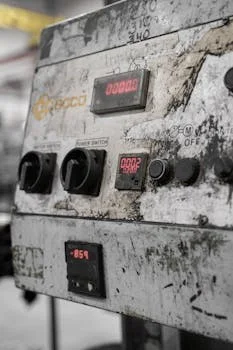
Four biological process families dominate NZ package supply: MBR, SBR, A/O, and non-electric media filters. Process choice must match influent strength and the regional council’s discharge limits for TSS, BOD5, nutrients, and pathogens.
MBR (Membrane Bioreactor): Aerobic treatment plus PVDF membranes at about 0.1 μm pore size produces TSS <5 mg/L and BOD5 <10 mg/L under design load. Energy use is typically 0.8–1.2 kWh/m³. HydropureWater’s MBR system for NZ compliance suits urban resorts and sensitive catchments where footprint is tight and reuse is planned. Residual disinfection still matters for E. coli consent points near recreation or shellfish waters.
SBR (Sequencing Batch Reactor): Timed 4–6 hour cycles (fill, react, settle, decant) handle tourist-town flow swings. Typical effluent is TSS <30 mg/L and BOD5 <20 mg/L when correctly loaded. Batch redundancy helps ski fields and coastal resorts absorb Christmas and school-holiday peaks.
A/O (Anoxic/Oxic): Combined nitrification–denitrification targets nutrient-sensitive waters. In catchments such as the Waikato River, TN <15 mg/L is a common design goal. Energy use is often 0.4–0.6 kWh/m³. Many rural sites bury an Underground Package Sewage Treatment Plant (WSZ Series) for frost protection and lower visual impact.
Non-Electric Systems: Rock wool or coconut-husk media support biofilm for loads usually under 30 Equivalent Persons. Process energy is ~0 kWh/m³. They typically meet secondary levels (TSS <30 mg/L, BOD5 <20 mg/L) with long media and tank warranties when grease and hydraulic peaks stay within design.
| Parameter | MBR System | SBR System | A/O System | Non-Electric |
|---|---|---|---|---|
| Effluent TSS (mg/L) | <5 | <20–30 | <30 | <30 |
| Effluent BOD5 (mg/L) | <10 | <20 | <20 | <20 |
| Energy Use (kWh/m³) | 0.8–1.2 | 0.5–0.8 | 0.4–0.6 | ~0 |
| Footprint (m²/100 EP) | 15–25 | 40–60 | 50–70 | 80–120 |
| Primary Benefit | Highest quality | Flow flexibility | Low OPEX | No power needed |
Where consent sets tight pathogen limits, operators add UV and ClO₂ disinfection for NZ’s E. coli limits after biological treatment. That multi-barrier step is common near shellfish gathering areas and swimming beaches.
MBR vs SBR vs A/O vs Non-Electric for NZ Sites
Selection among package wastewater treatment plants for New Zealand sites starts with consent stringency, then flow pattern, then site power and access. Lake Taupō-type nitrogen rules (often TN <10 mg/L) push buyers toward A/O or MBR with a dedicated anoxic zone. A remote alpine hut may instead need a non-electric unit because diesel or long solar arrays fail under heavy snow.
| Selection Factor | MBR | SBR | A/O | Non-Electric |
|---|---|---|---|---|
| Resource Consent | Very Strict (Reuse) | Standard Secondary | Nutrient Sensitive | Standard Secondary |
| Flow Variability | Moderate | High (Excellent) | Low to Moderate | Low |
| Site Constraint | Small Footprint | Modular Expansion | Rural/Large Site | Off-grid/Remote |
| CAPEX (NZ$) | High | Medium-High | Medium | Low-Medium |
| Maintenance | Monthly (Tech) | Quarterly | Quarterly | Annual |
MBR fits high land-value resorts that recycle effluent for irrigation or toilet flushing. SBR suits Queenstown or Coromandel sites where occupancy can triple in peak weeks. A/O remains the balanced choice for permanent rural subdivisions when nutrient limits apply but energy budgets are tight. Non-electric units serve off-grid eco-retreats that need silent, unpowered treatment within secondary limits.
Coastal Bay of Plenty installs need 316 stainless or HDPE hardware against salt air. South Island tanks should sit below frost line or carry insulation; most plants we size for alpine lodges lose stable biology when mixed liquor stays below 5°C for long stretches.
New Zealand Compliance Checklist: Consent, Discharge & Approvals
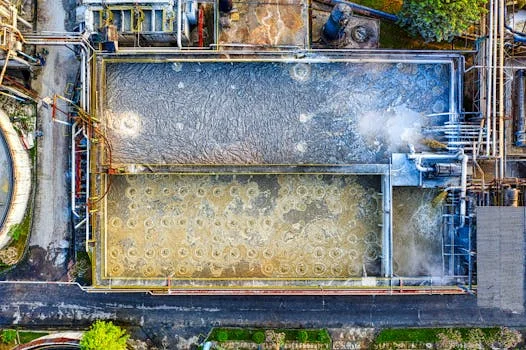
Resource Consent for a package plant still runs through the regional council’s Natural Resources Plan. Permitted-activity thresholds vary; volumes above about 2,000 L/day often trigger a full consent. Applications commonly take 3 to 6 months and cost NZ$500 to NZ$5,000 in fees alone.
For public networks, Taumata Arowai’s discharge-to-water standard (in force from 19 December 2025) sets national limits for cBOD₅, TSS, nutrients, ammoniacal nitrogen, and pathogen indicators by receiving-water sensitivity. Qualifying public consents that meet the standards receive a default 35-year duration (Taumata Arowai, 2025). Private package schemes outside that scope keep negotiating site-specific TSS, BOD5, TN, TP, and E. coli conditions with the council.
The NZ Compliance Checklist:
- Design Flow Calculation: Base design on 150–250 L/person/day with a peak factor of at least 3× average flow for morning surges and infiltration.
- Discharge Method: Prefer land discharge via driplines or trenches where soils allow; include a Soil Suitability Report (Category 1–6).
- Reuse Pathogen Barrier: Irrigation reuse typically needs E. coli <1 CFU/100mL, which means biological treatment plus UV and a residual disinfectant.
- Monitoring Plan: Budget monthly or quarterly sampling of TSS, BOD5, TN, and TP, with accessible sample ports on the package skid.
- Sludge Management: Document dewatering or vacuum-truck access; remote sites fail consent reviews when tankers cannot reach the plant.
- Public vs Private Path: Confirm whether the asset is a public network under the 2025 national standards or a private/onsite system under regional rules only.
- Pre-Application Meeting: Align early with the council on receiving-environment category and monitoring frequency to avoid redesign.
Commercial kitchens often dose high-strength cleaners that crash biomass. Nitrogen-managed zones reject plants that only meet BOD and TSS. A short pre-lodgement workshop usually costs less than one redesign cycle.
What Do Package Treatment Plant Upgrades Cost?
Upgrade cost for a package treatment plant in New Zealand is the sum of equipment CAPEX, installation, consent fees, and the OPEX you lock in for 15–20 years. For a 100 EP replacement, MBR packages typically land at NZ$30,000–$50,000 while A/O packages sit nearer NZ$15,000–$25,000 before civils.
| Technology | CAPEX (NZ$/100 EP) | OPEX (NZ$/m³) | Major Maintenance Item |
|---|---|---|---|
| MBR | $30k – $50k | $2.50 – $3.50 | Membrane Replacement ($15k) |
| SBR | $20k – $35k | $1.50 – $2.50 | Blower/Pump Service ($2k) |
| A/O | $15k – $25k | $1.00 – $2.00 | Sludge Removal ($3k) |
| Non-Electric | $10k – $20k | $0.50 – $1.00 | Media Replacement ($5k) |
How much does sewage package plant upgrading cost?
Sewage package plant upgrading cost for mid-size NZ sites usually adds NZ$10,000–$20,000 beyond equipment for installation and Resource Consent work. Sludge transport and tipping often run NZ$200–$500 per tonne once the plant is online. MBR membranes need replacement every 5–8 years at roughly NZ$15,000 for a 100 EP train, so whole-of-life cost beats a cheap CAPEX quote.
Public-network operators face a different upgrade economics picture. According to Taumata Arowai (2025), case studies indicate the national standards could cut consenting costs by up to 40% per plant—about NZ$300,000 to NZ$600,000—and by as much as 60% for smaller plants. That saving applies to qualifying public consents, not to every private resort package. Compared with ROI benchmarks for decentralised wastewater systems, NZ package upgrades still pencil when they remove recurring fine and emergency-repair spend.
ROI example: A resort paying NZ$10,000/year in fines and NZ$5,000/year in emergency septic repairs can recover a NZ$50,000 MBR in under four years if reuse also cuts potable irrigation demand. Regional grants appear intermittently; low-energy A/O or non-electric options sometimes fit green-finance screens. Cross-check incentives against how Australia’s package plant market compares to NZ’s before locking a budget.
Supplier Evaluation Checklist: 10 Questions Before You Buy
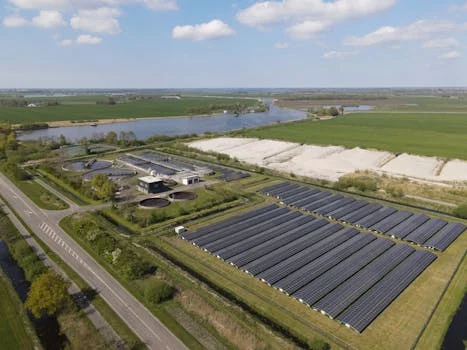
A package plant is a 20-year asset. Low bid prices often hide weak NZ spare-parts stock or no local technicians. Use these ten questions before you sign. For buried rural trains, ask whether the bidder can supply the same Underground Package Sewage Treatment Plant (WSZ Series) duty used on frost-prone South Island sites.
- Do you have NZ-based technicians? Remote alarms help, but a fouled membrane or failed blower still needs boots on site.
- What spare parts sit in NZ? Ask lead times for UV lamps, membranes, and duty pumps; six-week freight from Europe fails a live consent.
- Can you show three NZ Resource Consent case studies? Prefer references in the same regional council area as your site.
- What is verified energy use in kWh/m³? Confirm the figure includes disinfection and discharge pumps, not aeration alone.
- Is the train modular? Resort expansions should add capacity without replacing the entire tank farm.
- What warranties cover tank versus internals? A 25-year tank warranty is common; electrics usually carry 2–5 years.
- Do you train onsite operators? Low maintenance is not zero maintenance; staff must read alarms and take samples.
- How is FOG managed? Hotels need an upstream grease trap sized for kitchen peaks.
- What is the written media or membrane life? Put the interval into the OPEX model before award.
- Is telemetry included? 24/7 alerts stop small overflows becoming prosecution events.
Walk away from vendors with no NZ references, vague performance guarantees, or unproven cold-weather data. If your site sits in the Mackenzie Basin, demand evidence beyond warm-climate MBR system performance in arid climates.
Who This Is For / Next Step
This guide is for plant engineers, EPC contractors, and procurement managers sizing package plants for NZ resorts, rural subdivisions, and small public schemes. Look elsewhere if you need a large municipal activated-sludge plant above several thousand EP, or a simple septic field with no secondary consent pressure. For a duty/standby layout matched to your consent limits, request a sizing pack through our project inquiry form with flow, load, and discharge method.
Frequently Asked Questions
How many wastewater treatment plants are there in NZ?
As of 2023 reporting commonly cited in sector briefs, New Zealand operates about 350 municipal wastewater treatment plants and over 5,000 registered decentralised systems for smaller communities, resorts, and industry. Package plant counts continue to rise as settlements leave failing septic fields. Public plants renewing consents now also navigate Taumata Arowai’s December 2025 national standards where they qualify as public networks.
What is a wastewater package plant?
A wastewater package plant is a pre-engineered modular unit that combines primary settling, biological treatment, clarification or membrane separation, and often disinfection in transportable tanks. Factories test the skids before shipment, which shortens onsite civil work. Buyers use them when cast-in-place concrete plants are too slow or costly for the served population.
How much does a package wastewater treatment plant cost in NZ?
For a mid-sized 100 EP duty, CAPEX typically ranges from NZ$15,000 for basic A/O packages to NZ$50,000 for MBR packages. OPEX usually falls between NZ$0.80 and NZ$3.50 per cubic metre treated. Installation plus Resource Consent fees often add another NZ$10,000–$20,000 to project totals before sludge haulage.
What do package treatment plant upgrades cost on public networks?
Public-network upgrade budgets still cover process equipment, but consenting overhead can shrink under the 2025 national standards. Taumata Arowai (2025) cites case studies showing up to 40% lower consenting cost per plant—around NZ$300,000 to NZ$600,000—and up to 60% for smaller plants. Private package upgrades do not automatically receive those consenting savings.
Can package plants handle NZ tourist-season flow swings?
Yes, when the process matches the occupancy pattern. SBR trains treat in batches and absorb large daily swings if the reactor volume is correct. MBR plants need equalization volume ahead of the membranes. Non-electric media beds suit steady permanent loads and struggle when weekend peaks exceed design hydraulic rates.