Package Wastewater Treatment Plants in South Australia: 2025 Engineering Guide with Costs, Compliance & Supplier Checklist
Package wastewater treatment plants in South Australia offer modular, scalable solutions for industrial, commercial, and decentralized municipal applications, with capacities ranging from 10 to 500 m³/day. In 2025, compliant systems must meet EPA SA effluent standards (e.g., <10 mg/L BOD, <15 mg/L TSS) and SA Water’s recycled water guidelines for irrigation or reuse. Key technologies include Sequencing Batch Reactors (SBR), Membrane Bioreactors (MBR), and Anoxic/Oxic (A/O) systems, with costs averaging $150–$300/m³/day for turnkey installations. This guide provides technical specs, compliance checklists, and supplier selection criteria for South Australian projects.
Why South Australia Needs Package Wastewater Treatment Plants
SA Water’s 21 regional plants serve only 70% of the state’s population, necessitating decentralized solutions like package plants to fill critical infrastructure gaps. This leaves a significant portion of South Australia's diverse landscape, particularly remote communities and burgeoning industrial zones, without direct access to municipal sewerage networks. For these areas, a modular WWTP South Australia offers a self-contained, compliant, and cost-effective alternative to traditional, large-scale infrastructure.
Industries with high wastewater loads are particularly prevalent across South Australia, driving demand for these independent treatment solutions. The state's renowned wine regions, including Barossa Valley and McLaren Vale, generate significant volumes of high-strength wastewater during vintage. Similarly, food processing facilities, such as potato and dairy producers, contribute substantial organic loads. the burgeoning tourism sector on Kangaroo Island and the Fleurieu Peninsula experiences dramatic seasonal population fluctuations, requiring robust and adaptable wastewater treatment capacities that conventional septic systems cannot provide.
EPA SA licensing triggers mandate that any discharge exceeding 5,000 litres per day or any non-domestic wastewater treatment system must obtain an environmental authorization. The application process involves submitting detailed engineering documentation, an environmental management plan, and paying prescribed fees, with lead times typically ranging from 3 to 6 months for approval (The Quote Yard, 2024). For instance, a 50 m³/day package plant for a Barossa winery can reduce municipal sewer fees by an estimated 60% annually while simultaneously generating Class B or A recycled water for vineyard irrigation, demonstrating a clear economic and environmental benefit.
South Australian Regulatory Standards for Package Wastewater Treatment Plants

Adherence to EPA SA effluent limits and SA Water's recycled water standards is non-negotiable for package wastewater treatment plants operating in South Australia. These stringent regulations ensure environmental protection, public health safety, and the sustainable reuse of treated wastewater. For package plants, the EPA SA typically mandates effluent limits of <10 mg/L for Biochemical Oxygen Demand (BOD), <15 mg/L for Total Suspended Solids (TSS), <10 mg/L for Total Nitrogen (TN), and <1 mg/L for Total Phosphorus (TP) for discharge to sensitive environments or for reuse applications (EPA SA Guidelines, 2024). These parameters are crucial for preventing eutrophication in waterways and maintaining soil health in agricultural reuse.
SA Water further categorizes recycled water into classes based on its intended use, each with specific treatment requirements. Class A recycled water is suitable for unrestricted irrigation of food crops, public open spaces, and residential gardens, demanding the highest level of treatment, often achieved by an MBR package plant for Class A recycled water in SA. Class B allows for restricted irrigation, while Class C is for non-potable reuse such as industrial processes or toilet flushing. The table below outlines these classes and their typical applications:
| Recycled Water Class | Typical Uses | Required Treatment Level (Indicative) |
|---|---|---|
| Class A | Unrestricted irrigation (food crops, public parks, residential gardens), toilet flushing, laundry | Secondary treatment + tertiary filtration + disinfection (e.g., UV/chlorination) to achieve <10 CFU/100mL E.coli |
| Class B | Restricted irrigation (orchards, pasture, some non-food crops), industrial cooling | Secondary treatment + disinfection to achieve <100 CFU/100mL E.coli |
| Class C | Non-potable industrial reuse, dust suppression, fire fighting | Secondary treatment |
The EPA SA licensing process for package plants requires comprehensive engineering documentation, including detailed influent characterization, a robust process flow diagram, a thorough effluent monitoring plan, and an environmental risk assessment. Monitoring obligations are typically specified in the licence conditions, often requiring weekly testing for key parameters like BOD and TSS, with results reported to the EPA SA in a prescribed format. Non-compliance can result in significant penalties, including fines and operational restrictions (The Quote Yard, 2024).
local council variations can introduce additional requirements. For example, coastal regions like Kangaroo Island often impose stricter nutrient limits for discharges due to the sensitivity of marine ecosystems, demanding advanced nutrient removal capabilities beyond standard secondary treatment. In contrast, inland areas or those with less sensitive receiving environments might have slightly more flexible, though still rigorous, standards.
Package Wastewater Treatment Plant Technologies: SBR vs. MBR vs. A/O for South Australia
Selecting the optimal package wastewater treatment plant technology in South Australia depends on a precise evaluation of influent characteristics, effluent targets, and site-specific constraints such as footprint and seasonal load fluctuations. Each primary technology—Sequencing Batch Reactor (SBR), Membrane Bioreactor (MBR), and Anoxic/Oxic (A/O) system—offers distinct advantages and trade-offs, making the choice critical for long-term operational efficiency and regulatory compliance, particularly for diverse SA use cases like winery wastewater or seasonal tourism.
Sequencing Batch Reactors (SBR)
SBR systems operate on a batch-fed principle, cyclically performing all treatment steps—fill, react (aeration), settle, and decant—within a single tank. Typical cycle times range from 4 to 6 hours, allowing for flexible operation and adaptation to varying flow rates. SBRs are highly effective for treating industrial wastewater with fluctuating organic loads, making them suitable for many food processing facilities and small decentralized sewage treatment communities across SA. Their operational simplicity and robust performance against shock loads make them a reliable choice, especially for remote SA sites where an underground package sewage treatment plant for remote SA sites might be preferred.
Membrane Bioreactors (MBR)
MBR systems integrate biological treatment with membrane filtration, typically using PVDF membranes with pore sizes around 0.1 μm. This combination offers superior effluent quality, consistently achieving Class A recycled water standards, which is highly advantageous in water-scarce South Australia where over 32% of wastewater is already recycled (SA Water, 2024). While MBRs have a smaller footprint compared to conventional activated sludge systems and SBRs, their energy consumption is generally higher, ranging from 0.8 to 1.2 kWh/m³ due to membrane aeration and permeate pumping. However, the high-quality effluent, free of suspended solids and pathogens, justifies the operational cost for applications requiring stringent SA Water recycled water standards.
Anoxic/Oxic (A/O) Systems
Anoxic/Oxic (A/O) systems are continuous-flow biological treatment processes specifically designed for enhanced nutrient removal. They typically achieve 80–90% Total Nitrogen (TN) removal by alternating between anoxic (no oxygen) and oxic (aerated) zones, facilitating denitrification. A/O systems generally have a smaller footprint, often 30% less than comparable SBR systems, due to their continuous operation and typically higher biomass concentrations. This makes them particularly suitable for winery wastewater, which often has high COD and low TSS, requiring effective nitrogen removal to meet discharge limits. The ability of A/O systems to handle high organic loads while efficiently removing nutrients aligns well with the unique demands of agricultural and food processing industries in SA, offering effective wastewater treatment strategies for wineries and food processors.
The table below provides a detailed comparison of these technologies for South Australian applications:
| Parameter | SBR (Sequencing Batch Reactor) | MBR (Membrane Bioreactor) | A/O (Anoxic/Oxic) |
|---|---|---|---|
| Capacity Range | 10 - 250 m³/day | 20 - 500 m³/day | 50 - 500 m³/day |
| Footprint (relative) | Moderate (1.0x) | Small (0.6x - 0.8x) | Moderate-Small (0.7x - 0.9x) |
| Energy Use (kWh/m³) | 0.4 - 0.7 | 0.8 - 1.2 | 0.5 - 0.8 |
| Effluent Quality (BOD/TSS/TN/TP) | <15 / <20 / <20 / <2 | <5 / <2 / <10 / <1 | <10 / <15 / <10 / <1 |
| Typical OPEX ($/m³) | 0.25 - 0.45 | 0.40 - 0.60 | 0.30 - 0.50 |
| SA Compliance Ease | Good (secondary treatment) | Excellent (Class A recycled water) | Very Good (nutrient removal) |
| SA Use Cases | Food processing, small communities, remote sites | Class A water reuse, high-density areas, sensitive environments | Wineries, industrial with high nutrients, coastal discharges |
For seasonal load handling, such as tourism peaks on Kangaroo Island where populations can triple in summer, SBR systems excel due to their batch operation, allowing for flexible cycle adjustments. MBRs, with their robust performance, can also handle load variations effectively, albeit with potentially higher energy demands during peak periods. A/O systems, being continuous, require more careful design to accommodate significant fluctuations, often necessitating equalization tanks to buffer influent variability and maintain optimal treatment conditions.
Cost Benchmarks for Package Wastewater Treatment Plants in South Australia (2025)
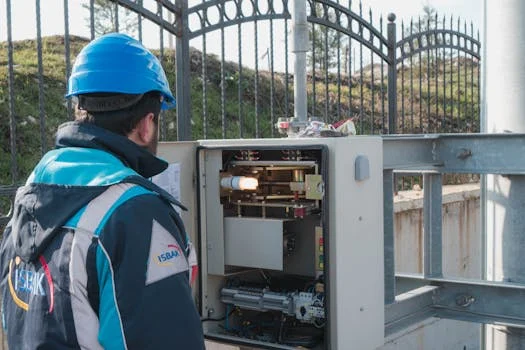
The total installed cost for package wastewater treatment plants in South Australia, encompassing both capital expenditure (CAPEX) and operational expenditure (OPEX), typically ranges from $150–$300/m³/day for systems treating 50–200 m³/day. This range accounts for various technologies, site complexities, and the level of automation desired. Understanding these cost benchmarks is crucial for accurate budgeting and demonstrating the return on investment (ROI) for industrial, commercial, and decentralized municipal projects.
CAPEX for a package plant includes several components. Equipment costs, covering the treatment modules, pumps, blowers, and controls, generally constitute 40-60% of the total. Civil works, such as excavation, concrete pads, and tank foundations, account for another 20-30%. Installation and commissioning, including piping, electrical connections, and system startup, make up the remaining 10-20%. For a 100 m³/day plant, the equipment might range from $100,000 to $200,000, with civil works adding $50,000 to $100,000, and installation/commissioning between $25,000 and $75,000. These figures place the typical turnkey CAPEX for a 100 m³/day package plant in South Australia between $175,000 and $375,000.
OPEX benchmarks for package plants in South Australia typically fall between $0.20–$0.50/m³ of treated wastewater. This includes energy consumption, which is a significant factor given SA electricity rates averaging $0.28/kWh for industrial tariffs. Chemical costs for disinfection or pH adjustment, routine maintenance, and labor for monitoring and sampling also contribute to OPEX. For example, a 100 m³/day MBR plant might incur $0.45/m³ in OPEX, totaling approximately $16,425 annually for 365 days of operation.
In addition to these direct costs, EPA SA licensing fees are an ongoing expense, ranging from $1,200–$5,000/year depending on the discharge volume and the complexity of the treatment process (The Quote Yard, 2024). These fees cover regulatory oversight and environmental monitoring.
The ROI for package plants is primarily driven by two factors: municipal sewer avoidance and potential revenue from recycled water. In metropolitan Adelaide, municipal sewer charges can range from $3–$8/m³, making the avoidance of these fees a substantial saving. For sites producing recycled water, particularly Class A or B, there is potential for revenue generation or cost savings through irrigation, with water valued at $0.50–$1.50/m³. A case study of a 100 m³/day MBR plant for a McLaren Vale winery, for instance, demonstrated a 4-year payback period, primarily through savings on municipal sewer connections and the economic benefit of using treated water for vineyard irrigation, reducing reliance on potable water sources.
| Cost Category | Typical Range (for 100 m³/day plant) | Notes |
|---|---|---|
| CAPEX: Equipment | $100,000 - $200,000 | Treatment modules, pumps, blowers, controls |
| CAPEX: Civil Works | $50,000 - $100,000 | Excavation, concrete foundations, tank pads |
| CAPEX: Installation & Commissioning | $25,000 - $75,000 | Piping, electrical, startup, performance testing |
| Total CAPEX (Turnkey) | $175,000 - $375,000 | Excludes land acquisition, permits beyond EPA SA |
| OPEX: Energy | $0.15 - $0.30/m³ | Based on $0.28/kWh industrial tariff |
| OPEX: Chemicals | $0.02 - $0.08/m³ | Disinfection, pH adjustment, anti-scalants (for MBR) |
| OPEX: Maintenance & Labor | $0.03 - $0.12/m³ | Routine checks, minor repairs, operator time |
| Annual EPA SA Licensing Fees | $1,200 - $5,000/year | Varies by discharge volume and risk profile |
Supplier Selection Checklist for South Australian Package Wastewater Treatment Plants
A comprehensive supplier selection process for package wastewater treatment plants in South Australia must prioritize local support, proven EPA SA compliance, and customization capabilities to address unique regional influent characteristics. Beyond the initial capital cost, the long-term reliability and operational efficiency of a package plant are heavily dependent on the supplier's expertise and post-installation support network. Evaluating these factors is crucial for minimizing downtime, ensuring regulatory adherence, and maximizing the return on investment.
Firstly, verifying the supplier’s EPA SA compliance track record is paramount. Prospective buyers should request evidence of past projects in South Australia, including effluent quality reports and EPA SA environmental authorization documents. While direct access to a supplier's full EPA SA records may be restricted, suppliers should be able to provide redacted permits or letters of compliance for similar installations, demonstrating their ability to meet stringent local standards. This ensures the chosen system will reliably achieve the required discharge or reuse parameters.
Secondly, local support is critical for uninterrupted operation. A supplier with SA-based service teams, offering prompt maintenance and emergency response, significantly reduces downtime and operational risks. In a state as vast as South Australia, having technicians available in major cities like Adelaide, Port Lincoln, or Mount Gambier can be the difference between a minor issue and a costly system failure. Inquire about typical response times for critical issues and the availability of spare parts locally.
Thirdly, customization capability is essential, especially for SA-specific influents. Wineries, for example, produce wastewater with high COD and seasonal fluctuations, while tourism facilities face variable loads. A reputable supplier should demonstrate the ability to design or adapt their package plant to these specific characteristics, rather than offering a one-size-fits-all solution. This includes performing detailed influent analyses and tailoring the biological process and pre-treatment steps accordingly. This adaptability is also key to ensuring effective deployment, similar to how package plants are deployed in other wine-producing regions.
Finally, understand the warranty and Operations & Maintenance (O&M) provisions. Typical warranty periods for package plants range from 2 to 5 years for major components. O&M contracts for a 100 m³/day plant can range from $5,000–$20,000/year, covering preventative maintenance, remote monitoring, and scheduled site visits. Clarify what is included in these contracts and the guaranteed response times for service calls.
| Evaluation Criteria | Key Questions to Ask Suppliers | Desired Outcome/Notes |
|---|---|---|
| EPA SA Compliance Record | Can you provide references for SA projects and their effluent compliance history? | Proof of meeting SA Water/EPA SA standards; understanding of local regulations. |
| Local Service Network | Do you have SA-based service technicians? What are emergency response times for Adelaide/regional SA? | Prompt support for maintenance and emergencies; minimal downtime. |
| Customization Capability | How do you adapt systems for high-strength winery wastewater or seasonal tourism loads? | Tailored solutions for specific influent characteristics; not generic 'off-the-shelf'. |
| Warranty & O&M Support | What are your standard warranty periods? What do O&M contracts include and cost? | Comprehensive warranty (2-5 years); clear O&M pricing and service level agreements. |
| Cost Transparency | Provide a detailed CAPEX and OPEX breakdown, including all hidden costs. | No surprise costs; clear understanding of total cost of ownership. |
Frequently Asked Questions
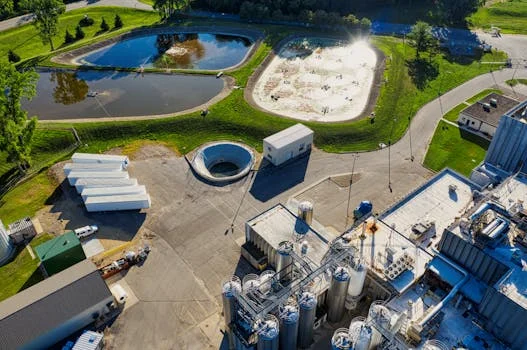
Common inquiries regarding package wastewater treatment plants in South Australia often revolve around capacity, regulatory context, and overall cost implications.
Q: What is the largest wastewater treatment plant in South Australia?
A: The largest wastewater treatment plant in South Australia is the Bolivar WWTP, located north of Adelaide, which treats approximately 140 ML/day (Spirac, 2024). Package wastewater treatment plants, in contrast, are typically designed for much smaller capacities, generally below 500 m³/day, serving decentralized needs.
Q: How many wastewater treatment plants are there in Australia?
A: There are over 1,200 municipal wastewater treatment plants across Australia (ABS, 2023 data). This figure does not include the numerous package plants and decentralized systems serving industrial sites, commercial developments, and remote communities that are not connected to municipal networks.
Q: What is a wastewater package plant?
A: A wastewater package plant is a modular, pre-engineered, and self-contained system that combines various wastewater treatment processes—such as biological treatment, sedimentation, and disinfection—into a single unit. These plants are designed for rapid deployment and offer a scalable solution for treating wastewater from industrial, commercial, or decentralized municipal sources, often supplied as a compact unit like the WSZ series.
Q: Where does Adelaide’s sewage go?
A: Adelaide’s sewage is primarily treated at three major wastewater treatment plants: Bolivar (serving the northern suburbs), Glenelg (serving the western suburbs), and Christies Beach (serving the southern suburbs) (SA Water, 2024). Package plants serve areas outside these metropolitan networks or specific industrial sites with unique treatment requirements.
Q: How much does a package wastewater treatment plant cost in South Australia?
A: For systems treating 50–200 m³/day, the turnkey capital expenditure (CAPEX) for a package wastewater treatment plant in South Australia typically ranges from $150–$300/m³/day. Operational expenditure (OPEX) averages $0.20–$0.50/m³, covering energy, chemicals, and maintenance. Annual EPA SA licensing fees can add $1,200–$5,000 depending on discharge volume.