Why Iran’s Water Crisis is Accelerating MBR Adoption
Iran faces a critical water scarcity challenge, with an estimated annual deficit of 7 billion cubic meters as of 2023, exacerbated by the fact that approximately 90% of its wastewater remains untreated (DOE 2024). This situation is particularly acute for water-intensive industries like petrochemicals and food processing, which account for 40% of the nation's industrial water consumption. These sectors are under increasing pressure from the Department of Environment (DOE) to meet stringent effluent standards, especially for water reuse applications, which typically require COD levels below 100 mg/L and TSS below 30 mg/L. The National Petrochemical Company's Mahshahr facility, for instance, has demonstrated the tangible benefits of advanced treatment, achieving a 25% reduction in water consumption by implementing an MBR system for its methanol-to-propylene wastewater. This strategic shift towards water conservation and reuse is further codified in Iran’s 6th Development Plan, which mandates a 30% wastewater reuse rate by 2026. This ambitious target is a significant catalyst for the MBR market in Iran, which is projected to grow at a compound annual growth rate (CAGR) of over 12%.
How MBR Systems Work: Technical Process for Iran’s Industrial and Municipal Wastewater
Membrane Bioreactor (MBR) systems represent a significant evolution in wastewater treatment, effectively combining biological treatment with advanced membrane filtration. The core of the MBR process involves anoxic or aerobic biological treatment stages, where microorganisms break down organic pollutants, followed by submerged membranes. In Iran’s context, the preferred technology often utilizes PVDF flat sheet membranes with a pore size of 0.1 μm. This configuration ensures a highly efficient solid-liquid separation, yielding effluent quality suitable for reuse, typically with COD below 50 mg/L and TSS below 5 mg/L. A key advantage of MBRs for Iranian conditions is their robustness in handling wastewater with high salinity, often exceeding 15,000 mg/L TDS, and their tolerance to variable influent quality, a common characteristic of industrial and municipal sources in the region. MBR systems offer a substantially more compact footprint, requiring up to 60% less space compared to Conventional Activated Sludge (CAS) systems, a critical factor for land-constrained industrial zones and urban areas. Addressing membrane fouling, a primary operational concern, is managed through a combination of aeration scouring, periodic backwashing, and chemical cleaning-in-place (CIP) protocols. For example, using sodium hypochlorite (NaOCl) for cleaning, a common chemical in Iran, incurs an approximate cost of $0.80/kg. While MBR systems achieve superior effluent quality and a reduced footprint, their energy consumption is generally higher than CAS, ranging from 0.6 to 1.2 kWh/m³ for Iranian MBR installations, compared to 0.3–0.5 kWh/m³ for CAS. This trade-off is often justified by the enhanced treatment performance and reduced land requirements.
Key MBR System Parameters for Iran:
| Parameter | Typical Value/Specification | Relevance to Iran |
|---|---|---|
| Membrane Type | Submerged PVDF Flat Sheet | Robustness and efficiency in challenging water conditions. |
| Pore Size | 0.1 μm | Achieves near-reuse quality effluent (TSS < 5 mg/L). |
| Salinity Tolerance | Up to 15,000 mg/L TDS | Suitable for petrochemical and other high-salinity wastewaters common in Iran. |
| Footprint Reduction | ~60% compared to CAS | Essential for land-scarce industrial sites and urban development. |
| Energy Consumption | 0.6–1.2 kWh/m³ | Higher than CAS, necessitating careful energy management and optimization. |
| Fouling Control | Aeration Scouring, Backwashing, CIP | Requires strategic chemical selection and maintenance schedules for optimal performance and membrane lifespan. |
| Chemical Cleaning Agent (Example) | Sodium Hypochlorite (NaOCl) | Estimated cost: $0.80/kg. Regular CIP is crucial. |
For advanced MBR solutions designed for Iran’s specific industrial and municipal wastewater challenges, explore our MBR systems tailored for Iran’s industrial and municipal wastewater.
MBR vs. Conventional Activated Sludge: Performance, Cost, and Compliance for Iran
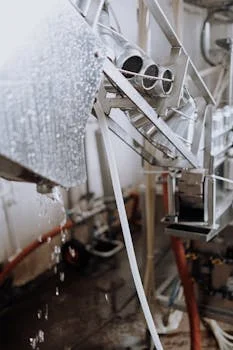
When evaluating wastewater treatment technologies for projects in Iran, a direct comparison between Membrane Bioreactor (MBR) and Conventional Activated Sludge (CAS) systems is essential for making informed decisions. MBR technology consistently outperforms CAS in key treatment metrics. MBR systems typically achieve 92–97% COD removal and an exceptional 99% TSS removal, significantly exceeding the 85–90% COD removal and 90–95% TSS removal rates of CAS systems. This superior performance is particularly critical for meeting Iran’s stringent Department of Environment (DOE) reuse standards, which mandate effluent quality with COD below 50 mg/L and TSS below 5 mg/L. MBR systems can achieve these targets directly, often eliminating the need for costly tertiary treatment steps like sand filtration or disinfection required by CAS. The compact nature of MBRs is another significant advantage. They require approximately 60% less land area than equivalent CAS plants, a crucial benefit for land-constrained industrial zones, such as those found near South Pars, or densely populated urban centers. While the operational advantages are clear, there are trade-offs. MBR systems generally consume more energy, with consumption ranging from 0.6–1.2 kWh/m³ compared to CAS’s 0.3–0.5 kWh/m³. However, MBRs produce less sludge—0.2–0.4 kg TSS/kg COD removed, versus 0.4–0.6 kg for CAS—which can lead to lower sludge disposal costs. The lifespan of membranes in MBR systems in Iran's environment is typically 5–8 years. This is shorter than the 10–15 years seen in more temperate climates due to factors like higher water temperatures and salinity levels common in Iranian industrial wastewater, necessitating a strategic approach to membrane replacement planning.
| Feature | MBR System | Conventional Activated Sludge (CAS) System | Implication for Iran |
|---|---|---|---|
| COD Removal Efficiency | 92–97% | 85–90% | MBR meets stricter reuse standards (COD < 50 mg/L) more readily. |
| TSS Removal Efficiency | 99% | 90–95% | MBR produces near-clarified effluent, minimizing downstream treatment needs. |
| Effluent Quality (Typical) | COD < 50 mg/L, TSS < 5 mg/L | COD 80–100 mg/L, TSS 10–15 mg/L (without tertiary treatment) | MBR often eliminates the need for tertiary filtration and disinfection for reuse. |
| Footprint | Compact (60% smaller than CAS) | Larger | Critical for land-scarce industrial sites and urban areas in Iran. |
| Energy Consumption | 0.6–1.2 kWh/m³ | 0.3–0.5 kWh/m³ | Higher MBR energy use requires careful system design and operation for cost optimization. |
| Sludge Production | Lower (0.2–0.4 kg TSS/kg COD) | Higher (0.4–0.6 kg TSS/kg COD) | Reduced sludge disposal costs for MBR systems. |
| Membrane Lifespan (Iran) | 5–8 years | N/A (no membranes) | Requires proactive membrane replacement planning and budgeting. |
| Initial CAPEX | Generally Higher | Generally Lower | Total cost of ownership, including reuse benefits, often favors MBR. |
| Compliance with DOE Reuse Standards | High | Requires tertiary treatment | MBR simplifies compliance and unlocks reuse opportunities more easily. |
MBR System Costs in Iran: CAPEX, OPEX, and ROI Breakdown for 2025
Understanding the financial implications of MBR systems is crucial for project justification in Iran. For a typical 500 m³/day MBR system, the Capital Expenditure (CAPEX) in Iran is estimated to range from $800,000 to $1.2 million. This cost is generally distributed with equipment accounting for about 60%, civil works for 25%, and installation for the remaining 15%. The Operational Expenditure (OPEX) for MBR systems in Iran can be broken down as follows: energy costs typically range from $0.08–$0.12 per cubic meter, while membrane replacement, a significant long-term cost, falls between $0.05–$0.10 per cubic meter. Labor costs are estimated at $0.03–$0.05 per cubic meter, and chemical consumption for cleaning and pretreatment adds another $0.02–$0.04 per cubic meter. The Return on Investment (ROI) for MBR systems in Iran is highly attractive, particularly for industrial reuse applications such as supplying cooling water or process water to petrochemical plants. These projects typically see a payback period of 5–7 years. For municipal projects aimed at water reuse, the ROI is generally between 8–10 years. When considering the total cost for achieving reuse-quality water, MBR systems are often 20–30% more cost-effective than CAS systems coupled with extensive tertiary treatment stages. Iran's Department of Environment (DOE) actively supports water reuse initiatives through financial incentives. Projects focused on wastewater reuse can qualify for subsidies covering up to 30% of the CAPEX. The application process typically involves submitting a detailed project proposal outlining the reuse plan and environmental benefits. These subsidies, combined with the operational savings and revenue potential from water reuse, significantly enhance the financial viability of MBR investments in Iran.
| Cost Component | Estimated Range (Iran, 2025) | Notes |
|---|---|---|
| CAPEX (500 m³/day system) | $800,000 – $1,200,000 | Includes equipment, civil works, installation. |
| Equipment | 60% of CAPEX | MBR modules, bioreactors, pumps, control systems. |
| Civil Works | 25% of CAPEX | Concrete tanks, foundations, piping. |
| Installation & Commissioning | 15% of CAPEX | On-site assembly and startup. |
| OPEX (per m³) | $0.18 – $0.31 | Variable based on influent quality, energy prices, and operational intensity. |
| Energy | $0.08 – $0.12 | Aeration, pumping, controls. |
| Membrane Replacement | $0.05 – $0.10 | Pro-rated cost over membrane lifespan (5-8 years in Iran). |
| Labor | $0.03 – $0.05 | Operator and maintenance staff. |
| Chemicals | $0.02 – $0.04 | Cleaning agents, coagulants (if used). |
| ROI (Payback Period) | 5–7 years (Industrial Reuse) | Based on water savings and reuse revenue. |
| 8–10 years (Municipal Reuse) | Considering public service benefits and potential tariffs. | |
| Cost Advantage vs. CAS + Tertiary | 20–30% cheaper for reuse applications | When factoring in total cost of ownership and reuse benefits. |
| DOE Subsidies | Up to 30% of CAPEX | For qualifying water reuse projects. |
Iran’s Regulatory Compliance: DOE Standards and Reuse Guidelines for MBR Systems
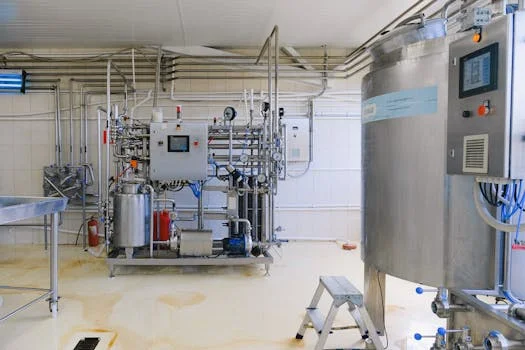
Navigating Iran’s environmental regulations is paramount for successful MBR system implementation. The Department of Environment (DOE) has established comprehensive effluent standards for MBR systems, particularly for water reuse applications. For unrestricted reuse, such as irrigation of non-food crops or industrial process water, the standards are stringent: COD must be below 50 mg/L, BOD below 20 mg/L, TSS below 5 mg/L, and fecal coliform below 100 CFU/100 mL. These benchmarks are consistently achievable with MBR technology. Iran’s 6th Development Plan further reinforces the drive towards water conservation by mandating a 30% wastewater reuse rate by 2026. To facilitate this goal, MBR systems that enable water reuse are eligible for significant DOE subsidies, potentially covering up to 30% of the initial capital expenditure. Specific industrial sectors, such as petrochemical plants, face tailored standards. These often require COD levels below 100 mg/L and TDS below 1,500 mg/L for direct discharge or reuse. For high-salinity wastewater, prevalent in areas like the South Pars gas field, MBR systems are frequently integrated with Reverse Osmosis (RO) to achieve the necessary TDS reduction for specific reuse scenarios. Compliance monitoring is a key aspect of DOE regulations. Continuous online monitoring is typically required for parameters like pH, turbidity, and flow rates. Additionally, quarterly laboratory testing for critical parameters such as COD, BOD, and pathogens is mandated to ensure ongoing adherence to standards. The South Wastewater Treatment Plant in Tehran serves as a prime example of successful MBR implementation, achieving 95% compliance with DOE reuse standards, underscoring the technology's efficacy in meeting regulatory demands.
Frequently Asked Questions
What is the difference between MBR and conventional activated sludge (CAS) for Iran’s wastewater?
MBR combines biological treatment with membrane filtration, achieving higher effluent quality (COD < 50 mg/L vs. 80–100 mg/L for CAS) and a smaller footprint, but with higher energy costs (0.6–1.2 kWh/m³ vs. 0.3–0.5 kWh/m³). The superior effluent quality from MBRs makes them ideal for water reuse applications in Iran.
How much does an MBR system cost in Iran for a 1,000 m³/day plant?
CAPEX for a 1,000 m³/day MBR plant in Iran typically ranges from $1.5 million to $2.2 million. Operational expenditure (OPEX) is estimated at $0.15–$0.25 per cubic meter, depending on influent quality, energy costs, and maintenance schedules. For industrial reuse projects, the ROI is generally realized within 5–7 years.
What are the maintenance requirements for MBR systems in Iran’s climate?
In Iran’s climate, membranes require monthly chemical cleaning, often using solutions like sodium hypochlorite (NaOCl) or citric acid, and are typically replaced every 5–8 years due to factors like high salinity and temperature fluctuations. Aeration systems require quarterly maintenance to prevent biofouling and ensure optimal performance.
Can MBR systems handle high-salinity wastewater from Iran’s petrochemical plants?
Yes, MBR systems can handle moderate to high salinity. However, for very high TDS levels exceeding 10,000 mg/L, pre-treatment steps such as Dissolved Air Flotation (DAF) or specific chemical dosing may be necessary. For achieving potable or high-purity reuse water from extremely saline sources, MBR systems are often combined with Reverse Osmosis (RO) technology, a common configuration in facilities like those in the South Pars region.
What are the DOE’s incentives for MBR projects in Iran?
The Iranian Department of Environment (DOE) offers significant incentives for water reuse projects, including MBR systems. These typically include subsidies of up to 30% of the Capital Expenditure (CAPEX). Additionally, industrial facilities may be eligible for tax breaks, and municipal projects can often access low-interest loans from the National Development Fund, making MBR investments more financially attractive.
Related Equipment
The following HydropureWater products are engineered for the wastewater challenges discussed above:
- PVDF flat sheet membranes for Iran’s MBR projects — view specifications, capacity range, and technical data
- chemical dosing systems for MBR pre-treatment in Iran’s high-salinity conditions — view specifications, capacity range, and technical data
Need a customized solution? Request a free quote with your specific flow rate and pollutant parameters.