What the Ta'if data center must treat
A Ta'if data center needs a source-specific treatment plan for cooling-tower blowdown, sanitary wastewater and any separate process wastewater. Cooling blowdown normally requires solids removal, chemical control, softening where needed and disinfection before controlled discharge or reuse; higher-quality reuse may require UF and RO. The project must first verify Ta'if feedwater, blowdown and permit data: published Makkah figures such as 6–19 L/s, 4–6 CoC and 0.4 L/kWh WUE are benchmarks, not Ta'if design inputs. At 4 CoC, blowdown is approximately 25% of makeup; at 6 CoC, about 20%, but advanced treatment is needed to control scaling and biological risk above 5–6 CoC.
The first design decision is source separation. Continuous cooling-tower blowdown, sanitary wastewater and other process wastewater have different contaminants, biological loads, temperatures and likely permit routes. Cooling blowdown contains concentrated dissolved solids, suspended matter and residual cooling chemicals, including treatment-programme residues identified in the Genesis Water Technologies review. The same review distinguishes water consumption, such as evaporation, from water usage, which includes water withdrawn, used and returned to the source.
The supplied Makkah guide provides a regional benchmark only. Its medium-site range of 6–19 L/s and approximately 20 L/s peak are attributed to an Arup/LinkedIn 2024 review; they are not Ta'if measurements and must not be transferred into equipment sizing. The research contains no numeric Ta'if source-water or discharge-limit values. The buyer therefore needs current National Water Company data, receiving-authority requirements and a site-specific laboratory analysis.
| Stream | Principal design concerns | First procurement decision |
|---|---|---|
| Cooling-tower blowdown | Dissolved-solids concentration, suspended solids, cooling chemicals, temperature and biological control | Determine whether the stream is discharged, reused or used as cooling makeup after advanced treatment |
| Sanitary wastewater | Organic load, solids, nutrients and pathogen-control requirements | Define the biological treatment, clarification, disinfection and sludge route |
| Process wastewater | Composition may include oils, chemicals or variable generator, fire-system or laboratory discharges | Keep segregated until flow, chemistry and a compatible treatment route are confirmed |
Treat streams separately where their chemistry or destination differs. Combination should follow characterization, not precede it: sanitary flow cannot safely be blended with blowdown simply because both are water, and a process stream should not join an MBR until its compatibility is demonstrated. For sanitary treatment, an integrated MBR wastewater treatment system is a candidate to evaluate during concept design, not a preselected answer.
Build the design basis from measured Ta'if data
Equipment sizing should begin with measured Ta'if flows and chemistry, not a regional flow example. Request a recent NWC analysis covering TDS, chloride, sulfate, hardness, silica, iron and manganese; add an on-site well analysis if a well supplies the campus. The analysis must represent the proposed source and treatment status, because each upstream process can change the load reaching the treatment train.
Obtain a 12-month composite or operating profile for cooling blowdown covering conductivity, pH, suspended solids and temperature, together with the chemical programme and its operating pattern. These data establish the variability that equalization, filtration, chemical control and disinfection must accommodate.
Instrument makeup, blowdown, evaporation and emergency dumping rather than relying only on the theoretical blowdown ratio. Genesis Water Technologies reports that measured blowdown can exceed theoretical calculations by 15–30% because of unmeasured losses and emergency dumps. That finding is a measurement-planning warning, not a Ta'if flow allowance.
Establish normal, sustained and peak flows from the actual cooling configuration and operating schedule. The Makkah guide’s 350–1,150 m³/day average and approximately 1,700 m³/day peak are imported screening benchmarks derived from the Arup/LinkedIn 2024 review, not Ta'if design inputs. Peaks may occur during high ambient temperature and maximum IT load, so the operating profile must distinguish those conditions from annual averages.
| Design-basis field | Required source or confirmation | Use in equipment sizing |
|---|---|---|
| Makeup and blowdown flow | Metered operating data and cooling configuration | Hydraulic capacity, equalization and storage |
| Temperature | Continuous or representative profile | Discharge compliance and heat-exchange requirements |
| TDS, chloride, sulfate, hardness, silica, iron and manganese | Current source-water analysis | Softening, antiscalant, materials and RO pretreatment |
| Conductivity, pH and suspended solids | Blowdown monitoring and representative analysis | Filtration, biological control and chemical dosing |
| Cooling chemicals | Complete programme and dosing records | Discharge route, reuse suitability and residual treatment |
| Destination and concentrate route | Current authority and client confirmations | Treatment selection and commercial boundary |
Confirm sewer capacity, trade-waste or industrial discharge acceptance, reuse permissions and the legal route for concentrate. No numerical Ta'if discharge limits are supplied in the research, so the tender must request the applicable current requirements rather than reproduce Makkah limits. Record Ta'if ambient temperature and physical site constraints alongside water demand. The King Abdullah Petroleum Studies and Research Center identifies data centers among Saudi cooling applications, but its regional cooling analysis does not replace a Ta'if site temperature profile.
Related treatment components should be specified only after this basis is complete. For example, the available water-treatment parts, valves and filter media should follow decisions on flow, pressure, compatibility and maintenance access, not precede them.
Select the cooling blowdown treatment train
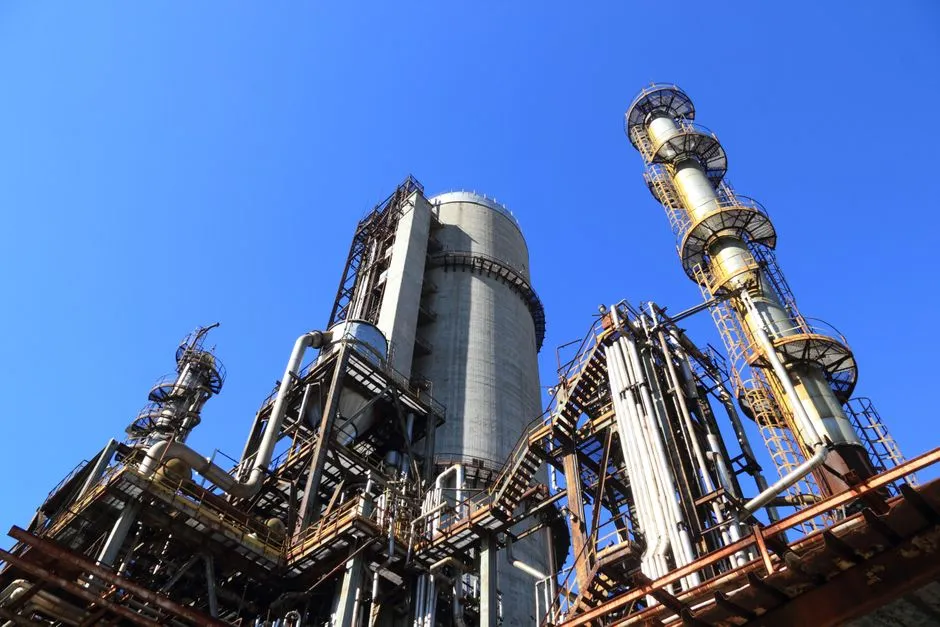
A defensible cooling-blowdown train removes suspended solids before it concentrates fouling or biological risks, then applies only the chemical and polishing steps required by the intended reuse. Start with equalization and fine screening where debris or suspended solids could overload pumps and downstream equipment. Add media filtration or dissolved air flotation where solids removal is required; the choice should follow the measured solids and oil-and-grease profile rather than a generic pretreatment label.
Control cooling chemistry before filtration or reuse. Genesis Water Technologies reports that operating above 5–6 CoC without advanced treatment increases scaling, microbiologically influenced corrosion and biological-fouling risks. Raising CoC with additional dissolved chemicals may also increase the dissolved-solids burden carried into recovery.
Where confirmed hardness requires it, place softening upstream of sensitive polishing. The industrial softener should be selected only after source-water analysis establishes the duty and the selected downstream process. A multi-media filter can provide solids removal before finer treatment; the supplied Makkah guide identifies filtration performance, RO recovery and energy consumption as supplier commitments to document.
| Process stage | Function | Selection gate |
|---|---|---|
| Equalization and fine screening | Buffer variability and remove debris | Measured peak flow and expected solids |
| Media filtration or DAF | Remove suspended or floatable material | Cooling-water analysis and downstream fouling risk |
| Chemical control and softening | Limit scaling and corrosion and protect polishing equipment | Complete chemical programme and source-water analysis |
| UF | Provide a physical barrier before RO or selected reuse | Fouling risk and required permeate quality |
| RO | Produce low-dissolved-solids water for makeup reuse | Confirmed makeup specification and concentrate route |
| Disinfection | Control residual pathogens for the selected route | Authority approval and reuse application |
Use UF as a physical barrier before RO where the analysis supports it. The supplied HydropureWater specification describes a 0.03 μm PVDF ultrafiltration system with feed turbidity up to 300 ppm, automatic backwash and air scour. Those are supplier specifications, not Ta'if influent values or guarantees that the site will meet them.
Add RO when cooling-makeup reuse is required and the confirmed makeup specification cannot be met through lower-grade treatment. HydropureWater specifies industrial RO recovery rates up to 95%. This is a maximum quoted capability, not a guaranteed site recovery; antiscalant, scaling, membrane condition, energy and concentrate volume must be included in the guarantee.
For alternative reuse routes, a multi-media filtration package, industrial water softener or industrial RO system should be selected as components of a complete train. Neither UF nor RO removes every dissolved treatment chemical or eliminates concentrate; these remain explicit treatment and disposal obligations.
Treat sanitary and process wastewater separately
Sanitary wastewater generally requires biological treatment, clarification and disinfection rather than the filtration-and-RO sequence used for blowdown polishing. An integrated MBR combines biological treatment with physical membrane separation, which can be useful where a compact process and separated solids handling are required. HydropureWater specifies near-reuse-quality effluent below 1 μm, a 60% smaller footprint than conventional systems, and capacity from 10 to 2,000 m³/day. These are equipment specifications, not evidence that such capacity or quality is sufficient for Ta'if.
Where wastewater contains suspended solids, oil and grease, or colloidal material, consider DAF before biological treatment. HydropureWater DAF systems handle 4–300 m³/h across 13 models. Selection must follow the measured load, hydraulic peak, required removal and downstream biological acceptance; the available range does not establish the right model for the site.
| Decision | Evidence required | Treatment implication |
|---|---|---|
| Sanitary wastewater treatment | Flow, organic load, solids, nutrients, temperature and discharge or reuse target | Biological treatment, clarification and disinfection |
| Oil, grease or colloidal pretreatment | Characterization including oil-and-grease and suspended-solids profile | DAF or another appropriate physical separation stage |
| High-strength process wastewater | Source chemistry, flow variability, toxicity and compatible treatment route | Segregate until the treatment basis is established |
| Solids and residuals | Process origin, solids characteristics, dewatering requirements and destination | Dedicated solids-separation route after process selection |
Keep high-strength or chemical process wastewater segregated until its composition, flow variability and compatible treatment route are known. The supplied research does not establish Ta'if discharge limits or a co-treatment basis, so combining it with sanitary wastewater could transfer contaminants into the biological process or compromise the reuse route.
Provide a separate route for sludge and residuals. A plate-and-frame filter press may be evaluated after biological or physical solids separation, but its duty must follow confirmation of solids characteristics, expected yield, operating hours and disposal route.
Choose discharge or reuse based on quality and permit
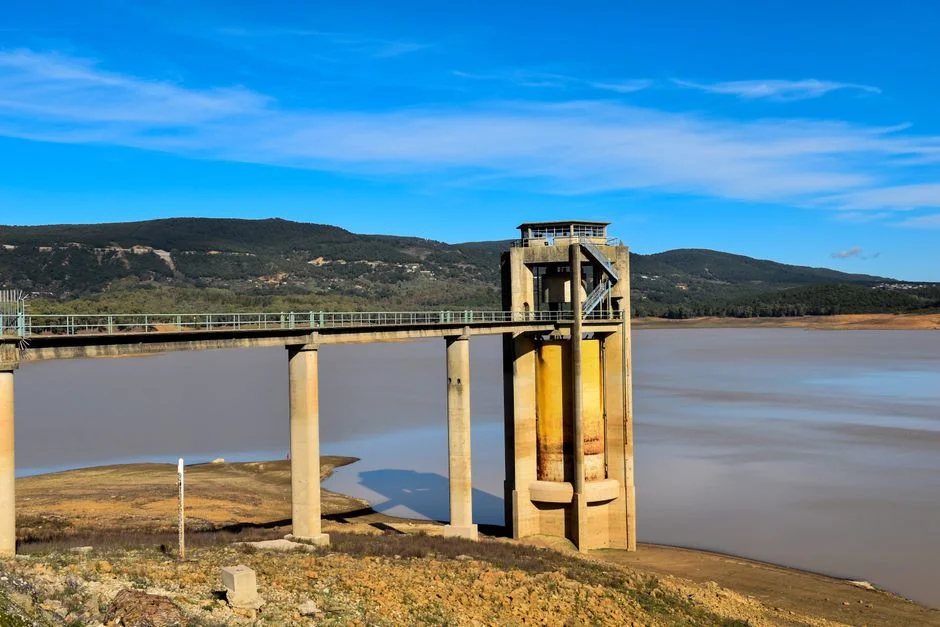
Four destination pathways are available, but each requires a defined quality specification and an approved discharge or reuse route. Sewer discharge depends on authority acceptance of temperature, dissolved solids, residual chemicals and flow. Cooling-tower makeup reuse depends on the site’s confirmed makeup specification, biological control, membrane-fouling control and concentrate handling. Non-critical reuse depends on the specific water-quality and regulatory approval for each application. Zero-liquid-discharge or managed-concentrate solutions remain site-specific and require energy, thermal-equipment and residual-disposal commitments.
| Path | Minimum condition before selection | Principal unresolved risk |
|---|---|---|
| Treated sewer discharge | Authority accepts the stream quality, temperature and flow | Unconfirmed Ta'if acceptance criteria or sewer capacity |
| Cooling-tower makeup reuse | Permit granted and treatment meets confirmed makeup quality | Scale, fouling, biological control and concentrate fate |
| Non-critical process reuse | Application-specific quality and regulatory approval | Contaminant transfer and uncertain off-take conditions |
| Zero-liquid discharge or managed concentrate | No practical discharge or reuse route and a viable residual destination | Energy demand, thermal equipment and commercial viability |
Do not label reclaimed water potable or suitable for cooling by default. The ASME International study supports the principle of HRSG blowdown recycling and integration in Saudi Arabia, but it does not establish the water quality, regulatory approval or equipment configuration for a Ta'if data center. Site-specific analysis must determine the application.
For reuse routes with a residual-disinfection requirement, compare a chlorine dioxide generator with a UV sterilizer only after defining the target water chemistry, dose or intensity, contact requirements, by-products, residual management and operator requirements. Chemical generation and UV irradiation solve different control problems and should not be treated as interchangeable on price alone.
Size for peaks, chemistry and operator capability
Size hydraulic equipment for measured peak blowdown, not an average or an imported regional example. The cited 20 L/s Makkah peak is only a screening reference. Equalization, filtration and membrane systems must also account for the operating profile, emergency dumping and downstream reuse demand because these can create short-duration loads not represented by a daily average.
Use the blowdown relationship 1/(CoC−1). At 4 CoC, blowdown is approximately 25% of makeup; at 6 CoC, about 20%. Moving between them reduces blowdown volume by five percentage points of makeup, a 20% reduction, not the commonly misinterpreted 50% reduction. Genesis Water Technologies also warns that scaling, microbiologically influenced corrosion and biological fouling risk rise above 5–6 CoC without advanced physical treatment.
| Sizing or commercial issue | Evidence or supplier commitment required | Decision consequence |
|---|---|---|
| Peak hydraulic duty | Measured operating and emergency profile | Equipment capacity and equalization volume |
| Cycles of concentration | Confirmed chemistry and fouling assessment | Water saving versus scaling and biological risk |
| System architecture | Modular, PLC-controlled proposal with expansion plan | Installation risk and future capacity additions |
| Scale economics | Facility load and operator capability | Reject hyperscale complexity that cannot be staffed economically |
| Treatment performance | Documented filtration, recovery, energy and residual-generation guarantees | Compare alternatives on delivered performance |
Modular, PLC-controlled skids can reduce installation risk and support future expansion. Genesis Water Technologies identifies a 100–300 GPM modular blowdown treatment system as an immediate-impact scale for many enterprise and colocation facilities. That is a review recommendation, not a Ta'if flow recommendation.
Account for facility scale and operator capability. The same 2026 review states that treatment capital cost per gallon is typically 3–4 times higher at a 5 MW colocation scale because hyperscale complexity does not transfer economically. Require factory-integrated skids, documented filtration performance, RO recovery and energy per cubic metre, and operating references from hot, high-TDS environments. Membrane and filter elements should be specified through the RO and UF membrane and filter-element package only after the selected process establishes media, compatibility and replacement criteria.
Build the business case on total water cost
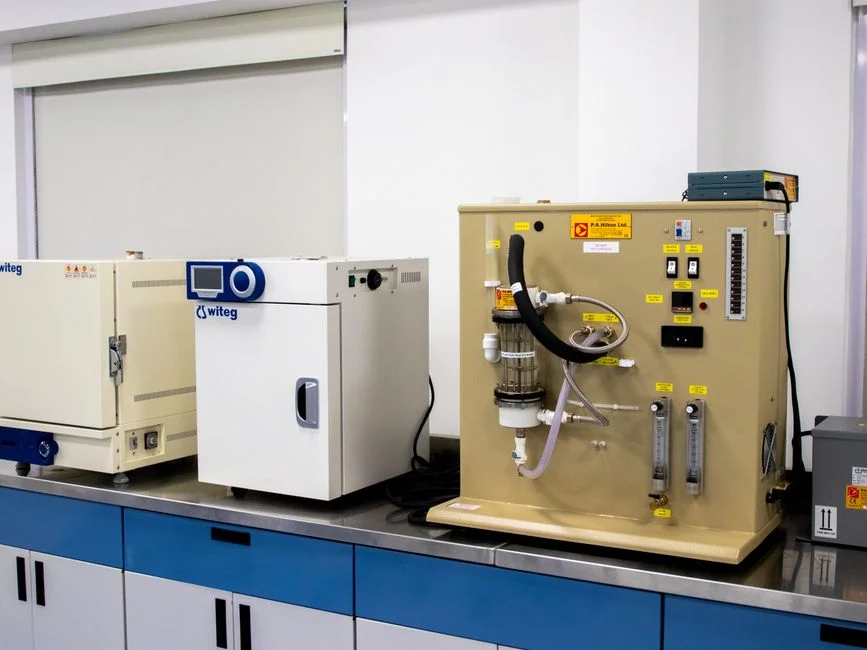
The business case should compare avoided costs and implementation risk with the capital quotation, not use water savings alone. Genesis Water Technologies provides a worked example for a 15 MW facility: $200,000 capital cost, 60% recovery and 3 million gallons per year recovered produce a 6.7-year simple payback before avoided costs. Including avoided costs improves the stated payback to 3–5 years. This is a financial framework, not a Ta'if estimate.
| Cost category | Items to request from bidders | Basis for comparison |
|---|---|---|
| Capital | Itemized skids, piping, controls, buildings, utilities and commissioning | Same flow, quality, recovery and destination assumptions |
| Avoided utilities and disposal | Makeup water, wastewater-disposal fees and applicable water-scarcity exposure | Current Ta'if commercial inputs confirmed by the buyer |
| Operating resources | Energy, chemicals, antiscalants and cleaning requirements | Measured or guaranteed consumption per cubic metre |
| Lifecycle | Maintenance, labour, membrane replacement and spares | Documented service assumptions and replacement intervals |
| Residuals | Concentrate volume, sludge handling and transport | Separate priced option for each destination |
Request itemized capital quotations by treatment skid and a separate concentrate-handling option so discharge and zero-liquid-discharge pathways can be compared like-for-like. Include avoided utility water, wastewater-disposal fees, water-scarcity exposure, chemical use, maintenance, energy, membrane replacement and concentrate handling in the comparison. A chemical dosing system should be quoted against the measured programme and water chemistry, including its utilities, controls and maintenance requirements.
No Ta'if tariff, CAPEX value or achievable recovery value is supplied in the research. The buyer must obtain current utility rates, disposal charges, concentrate destinations and the client’s avoided-cost assumptions. Evaluate modular implementation where it reduces installation risk and permits expansion, but do not assume that modularity removes operating labour, maintenance or membrane costs.
Pre-tender checklist for a Ta'if project
The tender should close the site data, destination decisions and supplier-performance gaps before equipment is selected. The following checklist defines the minimum information package; incomplete items remain open design risks rather than assumptions to be priced around.
| Before tender | Required submission or confirmation | Why it matters |
|---|---|---|
| Site water and permits | Current NWC source-water data, Ta'if sewer acceptance, reuse permissions and concentrate options | Defines the destination and treatment boundary |
| Representative datasets | 12-month flow, temperature, conductivity, pH, suspended-solids and chemical-residual records for each stream | Supports hydraulic and quality sizing |
| Cooling design basis | Cooling configuration, chemical programme, CoC range, normal and emergency blowdown practices | Sets pretreatment and reuse requirements |
| Supplier guarantees | Tested flow, treatment performance, controls, utilities, chemicals, residual volumes, access, spares and commissioning | Converts specifications into enforceable commitments |
| Local compliance | Current submission requirements confirmed with the relevant Ta'if authorities | Prevents reliance on another region’s approval pathway |
Obtain current NWC source-water data, authority requirements and the client’s water-positive objective. Issue the representative datasets and define the cooling system, chemical programme, CoC range, emergency practices and intended reuse destinations before finalizing the process train.
Require bidders to state performance guarantees, tested flow capacity, control philosophy, utility consumption, chemicals, sludge or concentrate volume, maintenance access, spare parts and commissioning responsibilities. Confirm local submission documents directly with the relevant authorities. The supplied regional guide references NWC, NCEC, SWCC and MOMRA packages, but their Ta'if applicability must be verified rather than assumed. The data center wastewater treatment in Marrakesh and Agadir data center wastewater treatment guide provide comparison frameworks, not Ta'if regulatory evidence.
Frequently Asked Questions
What treatment system does a Ta'if data center need?
The defensible answer depends on measured streams and reuse goals. Cooling blowdown usually needs equalization, solids removal, chemical control and any required softening, followed by disinfection for the approved route and UF/RO where higher-grade reuse is required. Sanitary wastewater generally needs biological treatment, clarification and disinfection. Other process wastewater must remain segregated until its composition and compatible treatment route are established.
How much does the treatment system cost?
No responsible Ta'if price can be given from the supplied research. The buyer should request separate quotations for pretreatment, biological treatment, softening, UF, RO, disinfection, controls, residuals handling, utilities and commissioning. Each quote must state the design flow, treated-water quality, recovery, chemical consumption, energy per cubic metre, maintenance assumptions and concentrate route. Current Ta'if water tariffs and disposal charges are also required for the operating comparison.
Should blowdown and sewage be treated together?
Separate treatment is generally easier to characterize and permits each stream to follow its own quality and permit requirements. Co-treatment requires compatible flow, chemistry and biology, together with authority acceptance of the combined discharge or reuse quality. It should be considered only after source separation, characterization and treatment trials or validated engineering data.
How should a treatment supplier be selected?
Require operating references from Ta'if-relevant hot, high-TDS environments and factory-integrated skid performance. Evaluate tested flow capacity, treatment guarantees, recovery, controls, utility consumption, operator workload, service scope and commissioning responsibilities. Require a priced concentrate plan; a generic hyperscale reference is not evidence of suitability for a smaller or differently operated facility.
Can cooling blowdown be reused as cooling-tower makeup?
It is technically possible in principle, but it is not automatic. The treatment train must meet the confirmed Ta'if makeup specification and biological-control requirement, while the site must have an approved reuse route and a lawful concentrate destination. The Erbil cooling blowdown treatment guide provides a comparison reference, but it does not replace Ta'if measurements or permits.