Which limits control a Birmingham sewer discharge?
Mining and metals plants near Birmingham that discharge to a municipal sewer must comply with Clean Water Act §307(b) and 40 CFR Part 403, with 40 CFR Part 437 governing applicable ore-mining and dressing discharges and 40 CFR Part 433 applying where metal-finishing operations are present. The controlling sewer limits come from the receiving POTW’s approved local limits, sewer-use ordinance and industrial-user permit, not from the plant’s NPDES permit alone. A typical treatment train combines equalization, controlled pH adjustment, hydroxide precipitation or sulfide polishing, DAF or lamella clarification, multimedia filtration and regulated sludge dewatering.
EPA defines pretreatment local limits as site-specific numeric or narrative discharge limits imposed at the industrial user’s point of connection to the POTW collection system. They address the particular needs of the POTW, its sludge and its receiving waters; they are not interchangeable with the site’s NPDES authorization for direct surface-water discharge. The federal categorical regulations establish the applicable floor, while the receiving POTW’s approved local limits and sewer-use ordinance may be more restrictive.
For a Birmingham-area project, classify the operation before selecting a limits table. Ore mining and dressing may fall under 40 CFR Part 437; plating, pickling or anodizing may trigger 40 CFR Part 433. A facility can have direct-discharge, stormwater and indirect-discharge authorizations covering different outfalls. The engineering team should therefore request four documents before sizing equipment:
- The current sewer-use ordinance and approved pretreatment local limits from the receiving Birmingham Alabama POTW.
- The industrial user pretreatment permit, including categorical status, prohibited discharges, monitoring requirements and sampling instructions.
- The discharge monitoring report and any written compliance correspondence or monitoring plan issued by the POTW.
- Current discharge monitoring reports, laboratory methods and chain-of-custody requirements used by the plant and its laboratory.
Do not substitute regional examples for confirmed requirements. HydropureWater’s 2026 pretreatment article gives representative 2026 zinc and copper ranges, but it specifically warns that local ordinances often set tighter limits and the specific POTW ordinance must be checked. Those ranges are useful for preliminary sensitivity analysis, not for fixing a discharge target. The same source identifies zinc limits of 0.3–1.0 mg/L monthly average and copper limits of 0.3–0.5 mg/L monthly average as representative local values, not confirmed Birmingham limits (HydropureWater, 2026).
| Document | What it controls | Procurement use |
|---|---|---|
| Sewer-use ordinance and approved local limits | Site-specific discharge concentrations, loadings and narrative conditions | Establish the confirmed treatment targets |
| Industrial-user pretreatment permit | Applicability, monitoring, reporting, sampling point and prohibited discharges | Define compliance instruments and operating constraints |
| 40 CFR Part 403 and applicable categorical regulation | Federal pretreatment framework and categorical standards | Determine which federal limits apply to the operation |
| POTW monitoring instructions and discharge monitoring report | Approved analytical and compliance procedures | Translate permit language into the acceptance-test protocol |
A comparable mining plant workflow is outlined in this mining plant sewer pretreatment compliance guide.
Characterize each waste stream before selecting equipment
Dilution does not remove an obligation to characterize contaminated streams; it can conceal both the pollutant load and the hydraulic peak that the treatment train must handle. Segregate dump-leach, mill clean-out, equipment-wash, acid-drainage, stormwater and sanitary flows at the source, then decide which streams may lawfully combine at the permitted sewer connection. This segregation also identifies whether a batch dump should be equalized, treated independently, or accepted under a specific permit provision.
HydropureWater characterizes raw acid mine drainage and spent process solutions as having pH of 2–4, TSS in the hundreds to several thousand mg/L, dissolved Pb, Cu, Zn, Cd, Ni and As, and elevated sulfate and TDS in leach-pad runoff or brine streams (HydropureWater, 2026). These values define a demanding treatment boundary: the train may need both dissolved-metal removal and solids separation. They are not a substitute for plant-specific sampling because ore grade, reagent use, geology, storage practices and wash-water sources can shift the profile.
Require a sampling program covering at least one complete production cycle. It should characterize flow, pH, metals, TSS, oil and grease, alkalinity, sulfate, TDS and relevant co-contaminants. Composite and grab samples should be allocated to the events that matter—batch dump-leach releases, mill clean-outs, equipment wash and representative production discharge—not combined merely to produce one averaged number. The sampling plan should preserve the distinction between permit monitoring and design-basis sampling.
Investigate ammonia, cyanide, EDTA and oil when they may be present. HydropureWater identifies complexing agents and free oil as factors that can change precipitation and solids-separation performance (HydropureWater, 2026). Ammonia or EDTA can interfere with the assumption that a metal will precipitate readily; cyanide can alter metal speciation; and oil can coat precipitates, impair settling or attach to DAF surfaces. Their presence may justify a dedicated treatment step rather than a change in reagent dose alone.
| Design input | Why it matters | Required record |
|---|---|---|
| Flow chronology | Defines equalization, peak-flow and turndown requirements | Continuous flow record plus batch-discharge log |
| pH and alkalinity | Controls acid demand and the usable precipitation window | Parameter-specific diurnal and batch results |
| Metals and co-contaminants | Sets the applicable limits and treatment targets | Validated analytical data by stream |
| TSS, settleability and oil | Determines whether DAF or lamella is technically suitable | Jar-test and solids-characterization results |
| Alkalinity, sulfate and TDS | Influences reagent consumption, sludge volume and solids handling | Full-cycle source-water analyses |
For solids-removal process fundamentals, see the 2026 suspended-solids removal process guide. Permit classification remains a separate step from process selection: determine whether Part 437, Part 433 or both apply before deciding which limits govern the equipment specification.
Build the pretreatment train in hydraulic order
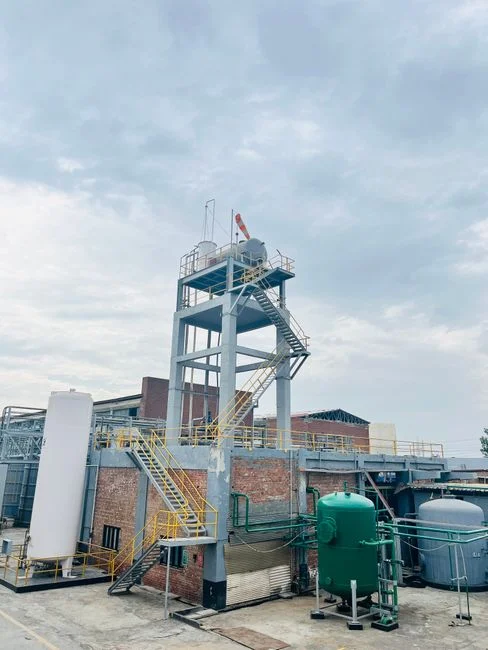
A defensible mining wastewater train starts with hydraulic buffering, then controls pH, precipitates metals, separates the resulting solids, filters the residual particulate load and handles sludge. The order matters because clarification equipment cannot protect the sewer from a batch discharge that arrives faster than the solids-separating stage can handle.
- Equalization. HydropureWater recommends sizing the basin at 8–24 hours of average daily flow to damp shift-change, dump-leach and mill clean-out discharges (HydropureWater, 2026). The upper end is particularly relevant where extreme variability requires a full controlled-discharge cycle.
- pH control and reagent feed. Adjust pH with lime or caustic and apply coagulant or flocculant under PLC control. HydropureWater identifies control within a ±0.2 pH band and recommends staged reactors when influent swings exceed 2 pH units (HydropureWater, 2026). A PLC-controlled chemical dosing skid should include calibrated pH and flow instrumentation, reagent interlocks, level controls and an operator-visible alarm strategy.
- Precipitation. Hydroxide precipitation is the default treatment because the chemistry is established; sulfide treatment is the stricter-residual option. HydropureWater reports sulfide residuals of 0.01–0.05 mg/L for Cu, Zn, Cd and Ni, compared with 0.5–2.0 mg/L for hydroxide precipitation, while sulfide reagent cost is 2–4 times higher and sealed reactors with hydrogen sulfide scrubbing are required (HydropureWater, 2026).
- Flocculation and solids separation. Polymer aid at 0.5–3 mg/L is cited by HydropureWater for strengthening metal-hydroxide flocs and supporting operation without carryover at the stated clarification loading (HydropureWater, 2026). Select DAF or lamella from the measured oil, colloid and sludge profile rather than from peak flow alone.
- Final filtration. HydropureWater cites a 1–2 m/h multimedia filtration rate and residual TSS below 10 mg/L for an anthracite-over-sand-over-garnet safety filter (HydropureWater, 2026). The filter must be sized around its backwash cycle, with differential-pressure or turbidity monitoring and enough equalization to manage filter washwater.
- Optional disinfection and sludge handling. Where the POTW requires a residual because of long force mains, siphons or pathogen risk, evaluate chlorine dioxide. HydropureWater cites a 1–5 mg/L chlorine dioxide dosage, subject to the POTW’s own permit conditions (HydropureWater, 2026). Clarifier or DAF sludge should go to plate-and-frame dewatering; the same source cites 25–35% dry solids, with filtrate returned to the plant head after review (HydropureWater, 2026).
Set the general discharge target to pH 6.5–9.0, but use jar testing to establish each metal’s precipitation window within the cited 8.5–11 working range. The wastewater’s pH target and the precipitation-reactor pH are not the same control point. This distinction should appear explicitly in the control narrative. For broader process context, see the guide to DAF versus clarifier for mining wastewater.
| Stage | Design basis cited by HydropureWater, 2026 | Verification required |
|---|---|---|
| Equalization | 8–24 hours of average daily flow | Observed batch volume, duration and discharge rate |
| pH adjustment | General target 6.5–9.0; control within ±0.2 pH | Actual water-specific set points and dosing response |
| Precipitation | Parameter-specific window within 8.5–11 | Jar tests across expected metal and alkalinity ranges |
| Polymer aid | 0.5–3 mg/L | Floc settleability and carryover tests |
| Multimedia filtration | 1–2 m/h; cited residual TSS below 10 mg/L | Filtrate TSS, run length and backwash recovery |
| Sludge dewatering | 25–35% dry solids | Feed consistency, cake dryness and filtrate quality |
Choose DAF or lamella from the waste profile
DAF is the stronger choice when oil, grease, tramp oil or fine colloidal metals dominate the separation problem; lamella is generally more appropriate when the solids are predominantly heavy metal-hydroxide flocs, flow is high and footprint is constrained. Neither technology should be selected from a brochure removal percentage alone.
HydropureWater reports DAF hydraulic loading of 5–25 m/h, a product range of 4–300 m³/h across 13 models, TSS removal of 90–98% and oil and grease removal of 85–95% in mining and metal-finishing service (HydropureWater, 2026). Those performance figures are application context, not guaranteed results at an unidentified Birmingham plant. Require the supplier to tie any guarantee to the agreed influent water chemistry and operating envelope.
For lamella clarification, HydropureWater cites 20–40 m/h surface loading and suitability for heavy metal-hydroxide sludge at high flow and constrained sites (HydropureWater, 2026). It notes that lamella is less effective for free oil and colloidal fines and that DAF may require more energy because of air saturation. These distinctions belong in the selection record because they determine chemical consumption, sludge characteristics, utilities and operating labor.
HydropureWater recommends design for the peak two-hour flow with 20–30% turndown capacity (HydropureWater, 2026). That is a preliminary allocation rule, not permission to apply the stated hydraulic loading as a universal guarantee. Confirm how the peak interacts with equalization, filter backwash, chemical-storage limitations and equipment redundancy. For a separate treatment comparison, see industrial wastewater DAF selection considerations.
| Decision factor | Prefer DAF when | Prefer lamella when |
|---|---|---|
| Oil and grease | Oil, grease, tramp oil or emulsified organics are material | Free oil is insignificant or removed upstream |
| Particle character | Fine or colloidal metals dominate | Dense metal-hydroxide flocs dominate |
| Hydraulic objective | Moderate-to-high flow with flotation capture required | High flow with a compact footprint required |
| Energy and utilities | Air saturation and compressor duty are acceptable | Lower aeration demand and simpler utilities are priorities |
| Sludge | Float sludge requires suitable thickening and dewatering | Dense underflow simplifies solids handling |
Include a hydraulic and process guarantee in the supplier package. It should state the guaranteed flow, oil and grease, TSS, settleability, sludge density and startup conditions used to establish compliance with the confirmed permit values. A review of MBR versus conventional activated sludge for mining wastewater is useful if biological polishing remains an option after the physical-chemical train is defined.
Turn permit limits into a procurement and verification checklist
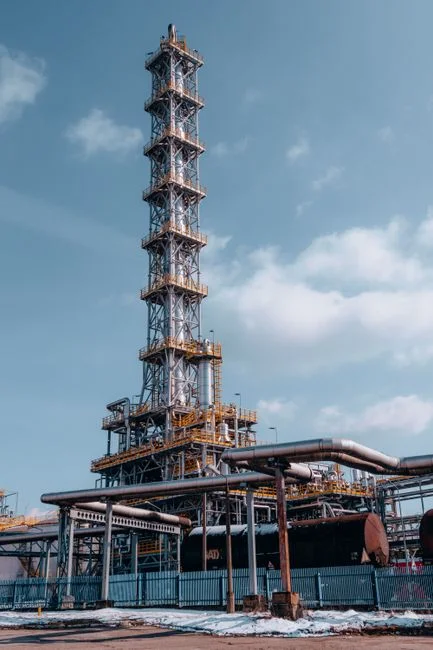
The equipment specification should convert each confirmed permit condition into a design input, an acceptance test and an operating record. The final target is the more restrictive applicable requirement after comparing the approved local limit with the federal categorical limit, while preserving the permit’s monitoring frequency, averaging period and mass-loading calculation.
For metal-finishing operations, use 40 CFR Part 433.15 values only within their exact scope: copper at 3.38 mg/L daily maximum and 2.07 mg/L monthly average, and total chromium at 2.77 mg/L daily maximum and 1.71 mg/L monthly average (HydropureWater, 2026). These are not substitutes for the receiving POTW’s local limits. Record the analytical method, sample location, sample type, preservation, laboratory qualification and chain-of-custody requirements from the industrial-user permit and the POTW’s written monitoring instructions.
Require the supplier to provide a site-specific basis of design rather than a catalog proposal. At minimum, the package should contain:
- A flow and water-chemistry basis tied to the full-cycle sampling program.
- A process flow diagram, P&ID, equipment list, control narrative and electrical drawings.
- A performance guarantee tied to the confirmed permit values and stated loading conditions.
- Chemical-consumption, sludge-volume and filtrate-return calculations.
- Factory and site acceptance protocols, calibration requirements and startup criteria.
- An O&M manual with calibration intervals, troubleshooting logic and hold-back provisions.
The electrical and instrumentation specification should call for PLC-controlled chemical feed, calibrated pH and flow instruments, differential-pressure or turbidity monitoring on filters, and a high-strength effluent alarm with automatic diversion or verified hold-back capacity. A visible alarm without adequate storage or diversion is not an excursion-control system.
Performance testing should cover representative chemical conditions rather than only clean-water flow. Include sampling at the legally required point of connection and at each major process stage. Record sludge volume, dewatering performance, chemical consumption and the final waste-disposal route. Filtrate recirculation should be approved only after its peak quality and hydraulic impact are established.
HydropureWater identifies the Lead and Copper Rule Revisions, PFAS monitoring in the 2024 Multi-Sector General Permit and March 2025 ore-mining BAT revisions as permit-cycle risks to confirm with the local control authority (HydropureWater, 2026). They are not automatic Birmingham sewer limits. Their practical significance is that the equipment should allow future retrofit—for example, a carbon-polishing connection point—without destabilizing the permitted hydraulic balance.
| Procurement item | Minimum supporting record | Acceptance check |
|---|---|---|
| Treatment train | Confirmed local limits, categorical applicability and mass-loading basis | Design target is traceable to an issued document |
| Chemical system | Water-specific jar tests and control narrative | Set points, interlocks and alarms function as specified |
| DAF or lamella | Measured oil, TSS, settleability, sludge density and peak flow | Hydraulic and process guarantees tested |
| Filtration | TSS target, run-length and backwash analysis | Filtrate quality and backwash recovery demonstrated |
| Sludge handling | Solidity, volume and disposal-route calculation | Dewatering and filtrate results recorded |
| Compliance | Permit sampling method, location and laboratory requirements | Chain of custody and laboratory qualification verified |
A related procurement framework appears in this industrial sewer-compliance equipment checklist.
Frequently Asked Questions
Should a Birmingham-area plant design to its NPDES permit or its POTW permit?
Design the sewer route to the POTW’s sewer-use ordinance, approved local limits and industrial-user pretreatment permit, together with applicable federal categorical standards under 40 CFR Part 403, Part 437 or Part 433. NPDES under Clean Water Act §402 governs direct surface-water discharge, not the sewer connection. A separate NPDES authorization may still apply to another outfall.
Is DAF or lamella clarification cheaper for a mining wastewater system?
Do not choose from equipment price alone. Request a site-specific comparison using oil, colloidal solids, sludge density, flow, footprint, energy demand and civil works. DAF is the stronger technical fit when oil or colloidal particles are significant; lamella is generally more suitable for dense metal-hydroxide sludge at high flow and constrained sites. The supplier should price the complete duty: equipment, chemicals, utilities, sludge handling, controls and installation.
How should the equalization basin be sized?
Use 8–24 hours of average daily flow as the cited preliminary design range (HydropureWater, 2026), then test actual batch-discharge behavior. The final basin must accommodate the measured dump-leach or clean-out volume, intended controlled-discharge period, downstream treatment rate and filter-backwash demands. Equalization does not remove the need for upstream segregation or chemical dosing control.
When is sulfide polishing justified?
Evaluate sulfide polishing when the confirmed limit or residual-metal objective is below 0.1 mg/L, or when jar tests show hydroxide treatment cannot meet the required residual. HydropureWater cites sulfide residuals of 0.01–0.05 mg/L and reagent cost at 2–4 times the hydroxide alternative (HydropureWater, 2026). Include sealed reactors, hydrogen sulfide controls and scrubbed vents in that comparison.
What should a mining wastewater equipment supplier submit?
Request a site-specific basis of design, guarantees tied to the confirmed permit values, control narrative, P&ID and electrical drawings, O&M manual, commissioning protocol and acceptance-test plan. The performance test should use the plant’s measured water chemistry and define how failure to meet the guarantee is corrected. Further selection questions are addressed in this industrial treatment procurement guide.
Related Equipment
- DAF system for mining wastewater — specifications, capacity range, and technical data