What System Does an Austin Factory Need?
An Austin factory usually needs a DAF system when its wastewater contains floatable oil, grease, FOG, or suspended solids that must be removed before biological treatment or discharge. A broader ETP is needed when the wastewater requires multiple treatment stages, while a combined DAF-ETP train protects downstream biological or polishing systems. The correct choice requires representative wastewater tests, defined peak flow, a discharge or reuse objective, and confirmed Austin and Texas requirements—not the factory location alone.
Begin by separating industrial process wastewater from sanitary sewage, stormwater, and process-water losses. The equipment decision should address the stream that actually requires treatment and its final destination. Floatable contaminants point toward dissolved air flotation. A broader contaminant profile and multiple treatment objectives point toward an effluent treatment plant. If solids or oil must be intercepted before biological treatment, filtration, or another polishing stage, consider a combined treatment train.
The available standard industrial DAF system for Austin factory wastewater covers 4–300 m³/h across 13 standard models. It uses micro-bubble technology and automatic skimming for suspended solids, FOG, oil and grease, and colloidal matter. That catalog range provides an initial screen, but final selection still depends on wastewater characterization, peak flow, permit or reuse requirements, and available space.
Characterize the Wastewater Before Choosing Equipment
Representative wastewater data establishes the engineering basis for sizing; average flow and a generic contaminant list do not. Sample normal production conditions and the peak conditions that can upset treatment, then record the associated flow history.
- Define the flow: record average flow, peak flow, flow duration, operating shifts, batch discharges, and clean-in-place or washdown contributions.
- Characterize contaminants: test oil and grease, FOG, suspended solids, colloidal matter, and pH. Add industry-specific analytes when they affect process selection or permitting.
- Assess pretreatment: determine whether heavy material must be screened before flotation and whether wastewater equalization is needed.
- Establish the destination: distinguish direct discharge, sewer pretreatment, process reuse, and zero-liquid-discharge objectives.
Kelvin Water Technologies explains that fine screening removes heavy, non-floating material before flotation because it can otherwise block pumps and piping. Its DAF reference also states that equalization provides a constant, less-variable load, improving effluent consistency; mixing provides retention time so settleable solids and surface oil and grease do not continue accumulating without control.
Do not assign a DAF or ETP model until this information is available. For heavy material, evaluate a mechanical bar screen. For chemical conditioning, evaluate a PLC-controlled chemical dosing system.
| Input to establish | Evidence to request | Why it changes selection |
|---|---|---|
| Flow basis | Average flow, peak flow, duration, shifts, batch and washdown discharges | Determines hydraulic and equalization requirements |
| Primary contaminants | Oil and grease, FOG, suspended solids, colloidal matter, pH | Separates DAF, ETP, and combined-treatment cases |
| Process upset conditions | Representative samples from normal and peak production | Tests whether constant feed or batch handling is needed |
| Water destination | Confirmed discharge, sewer-pretreatment, or reuse criteria | Defines the required treatment outcome |
| Site and utilities | Available footprint, electrical service, compressed air or nitrogen, drainage routes | Sets equipment configuration and delivery scope |
DAF, ETP or a Combined Treatment Train?
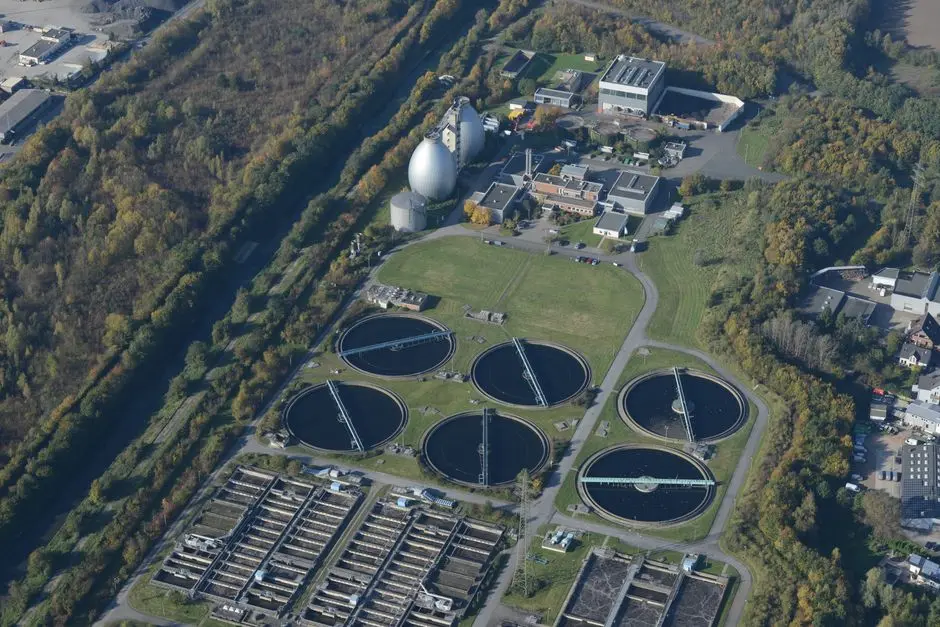
Dissolved air flotation separates floatable contaminants by pressurizing wastewater so air dissolves into it, releasing that water at atmospheric pressure in a flotation tank, and skimming the attached contaminants from the surface. An ETP is not one universal machine; it is an integrated treatment train selected around the wastewater and required effluent or reuse outcome.
DAF is commonly positioned ahead of biological treatment to reduce the pollutant load entering the downstream process. A broader ETP becomes appropriate when the factory requires several treatment functions or a more demanding final water quality. A combined DAF-ETP arrangement is logical when flotation must remove oil, FOG, and solids before biological treatment, filtration, or other polishing.
The commercial “Wastewater Treatment Plant - DAF + ETP” video published August 5, 2022 demonstrates the working process of a unit combining DAF and ETP. It is useful as a process reference, but it is not a design basis for an Austin installation: local wastewater, flow, destination, and permit criteria must govern the equipment scope.
| Decision factor | DAF route | Broader ETP | Combined DAF-ETP train |
|---|---|---|---|
| Primary fit | Floatable oil, grease, FOG, and suitable suspended solids | Wastewater requiring multiple treatment stages | Floatable contaminants and solids require removal before downstream treatment |
| Typical role | Industrial wastewater pretreatment | Integrated effluent treatment and polishing | DAF pretreatment followed by biological, filtration, or other treatment |
| Pretreatment | Screening, equalization, pH control, and chemical conditioning as required | Defined by each stage and the incoming wastewater | Must protect downstream biological or polishing systems |
| Sludge implications | Float must be collected, thickened or dewatered, and disposed | Sludge arises from each applicable process stage | Separate management for DAF float and downstream sludge |
| Complexity | Focused pretreatment train | Broader process integration and controls | More equipment, interfaces, controls, and operating responsibilities |
| Footprint | Depends on tankage, equalization, and pretreatment | Depends on selected stages and retention requirements | Greater than a focused DAF route unless existing infrastructure is available |
Use the best DAF unit selection framework for industrial wastewater to structure the technical comparison. If the factory is evaluating oil separation rather than general solids flotation, the DAF versus oil water separator comparison addresses a different equipment boundary.
How the Treatment Process Should Flow
The treatment train should remove damaging material, stabilize flow, condition contaminants, perform flotation, and then route the treated water to its required destination. Each function needs a defined equipment boundary and operating interface.
- Screen: remove heavy material before it reaches pumps, piping, or the flotation unit.
- Equalize: blend variable flows and reduce batch impacts on downstream treatment.
- Condition: adjust pH and add coagulant or flocculant so smaller particles form larger clusters that can float effectively.
- Flotate: pressurize and saturate part of the wastewater, recycle it to the flotation tank, release bubbles, and skim the float.
- Treat or polish: send the clarified stream to biological treatment, filtration, reuse, or discharge as the wastewater and destination require.
- Manage residuals: collect, dewater, and route sludge and float for disposal or recovery.
Kelvin Water Technologies identifies the main DAF components as the flotation tank, skimmer, feed-distribution equipment, back-pressure pump, valves, and air-saturation device. Its operating description places wastewater in the float tank or chemical-mix tank, sends water through a pressurized saturation vessel, and returns saturated water to the float tank. A working reference for the equipment arrangement is a commercial DAF and ETP process video published August 5, 2022.
Do not leave the residual stream outside the quotation. Include sludge withdrawal and access to a plate-frame filter press where dewatering is required. A sedimentation tank may also form part of the broader solids-handling or clarification scope, depending on the selected process.
| Process stage | Primary function | Supplier information required |
|---|---|---|
| Screening | Remove heavy material before flotation | Screen type, duty, solids disposal and accessible maintenance arrangement |
| Equalization | Reduce flow and load variability | Working volume basis, mixing method, transfer-pump arrangement and controls |
| pH and chemical conditioning | Support coagulation and flocculation | Chemical basis, dosing equipment, control strategy and reagent storage |
| DAF | Float and skim oil, FOG, and suitable solids | Hydraulic basis, saturation method, recycle arrangement, skimmer and float handling |
| Downstream treatment | Meet biological, polishing, reuse, or discharge objectives | Process stages, final quality target and destination-specific controls |
| Sludge handling | Remove and manage residuals | Withdrawal, thickening or dewatering, storage, access and disposal interface |
Match the System to Austin's Permit and Reuse Requirements
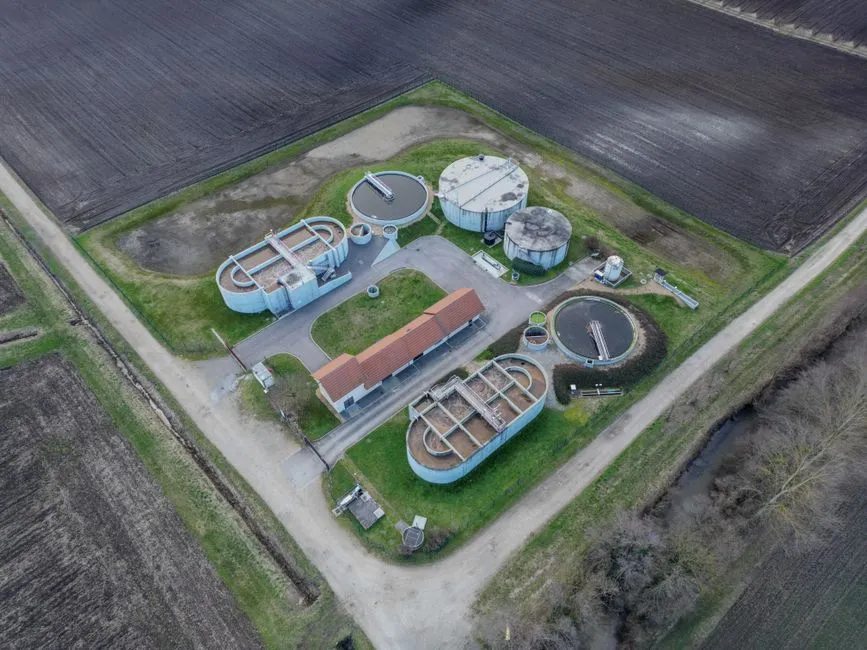
The final treatment objective must be tied to the receiving destination, not selected from a generic effluent specification. Direct discharge, sewer pretreatment, process reuse, and zero-liquid-discharge objectives impose different treatment boundaries.
Obtain the applicable City of Austin and Texas requirements for the facility, sewer receiving point, or reuse application. Confirm them with the relevant authority and the factory’s industrial pretreatment obligations before finalizing equipment. The 2025 industrial compliance guide provides general regulatory orientation, but it does not replace site-specific confirmation.
Require the supplier to design against the confirmed criteria and the intended reuse quality. At minimum, verify pH, oil and grease, suspended solids, and flow variability during engineering. Identify any additional parameters imposed by the permit or process specification. If reuse requires more consistent quality than the pretreatment objective alone provides, define the required polishing stages before procurement.
Evaluate the DAF saturation medium where the wastewater contains oil or flammable gases. Kelvin Water Technologies states that some oil and flammable-gas applications use nitrogen because it presents less explosion risk than air. That choice belongs in the process and safety review, not as a blanket substitution for air.
Specify Equipment and Supplier Scope Like a Buyer
A comparable quotation must state the wastewater basis and design assumptions before it states equipment or price. Require each supplier to identify the average flow, peak flow, operating hours, wastewater characterization, and treatment objective used for sizing.
Request a process description, general arrangement and P&ID drawings, equipment data, controls scope, utility requirements, commissioning plan, operator training, and maintenance access. The comparison should also cover screening, equalization, mixing, pH adjustment, chemical dosing, flocculation, recycle, air-saturation equipment, automatic skimming, sludge withdrawal, instrumentation, and final disposal interface.
For chemical dosing, compare the proposed PLC-controlled chemical dosing system against equivalent offers. The referenced package is skid-mounted, pre-wired, factory-tested, and uses PLC-controlled injection. Treat those features as quotation attributes to verify—not as proof of application suitability.
Require proof that the proposed capacity falls within the manufacturer’s stated range or that a custom design will be supplied and technically justified. Confirm whether delivery includes freight, installation, commissioning, controls integration, operator training, spares, and sludge-dewatering equipment. A plate-frame filter press should be priced explicitly if float or sludge dewatering is part of the operating requirement.
| Review item | Question the buyer should ask | Required evidence |
|---|---|---|
| Design basis | Which wastewater sample, average flow, peak flow, operating schedule, and destination criterion were used? | Written design basis with representative analytical results |
| Treatment scope | Which stages are pretreatment, core treatment, polishing, and sludge handling? | Process flow diagram, P&ID, drawings, and equipment list |
| Controls and utilities | What instrumentation, PLC scope, electrical load, air or nitrogen demand, and operator interface are included? | Controls narrative, utility schedule, and battery limits |
| Residual handling | How is float or sludge collected, dewatered, stored, and disposed? | Residual-handling flow diagram and included equipment |
| Commercial scope | Does the price include delivery, installation, commissioning, training, and warranty? | Exclusions list, delivery schedule, and acceptance criteria |
| Capacity | Is the proposed model within the published range, or is custom engineering required? | Selection calculation and manufacturer confirmation |
Frequently Asked Questions
What wastewater tests are needed before selecting a DAF or ETP for an Austin factory?
Request representative samples from normal production and from peak or batch-discharge conditions. Test oil and grease, FOG, suspended solids, colloidal matter, and pH, then add analytes that affect the specific process or permit. Record average and peak flow, operating duration, shifts, batch discharges, and washdown contributions. Use the best DAF unit selection framework for industrial wastewater as the basis for the supplier’s design calculation, not as a substitute for site data.
Does the 4–300 m³/h catalog range determine the right DAF size?
No. The 4–300 m³/h range across 13 standard DAF models is a screening range, not an application-specific selection. The model must also account for the measured wastewater characteristics, peak flow, operating hours, treatment objective, equalization, pretreatment, and available space. If the required duty falls outside the catalog, require a documented custom-design basis.
How should cost and budget be compared between DAF, ETP, and combined DAF-ETP options?
Compare total installed scope rather than equipment price alone. Request itemized pricing for pretreatment, equalization, chemical dosing, controls, utilities, installation, commissioning, training, sludge handling, delivery, and exclusions. Ask each bidder to use the same wastewater design basis and destination criteria. The research provides no defensible Austin price range, so the buyer should request a site-specific quotation rather than apply an assumed rate.
How can I assess supplier capability and reduce compliance or delivery risk?
Check whether the supplier states the wastewater basis, peak-flow assumptions, process duties, controls, utilities, sludge route, commissioning method, and delivery scope. Verify that proposed capacity is supported by calculation or a justified custom design, and require drawings and technical documents with the quotation. Confirm permit and reuse requirements for the Austin facility and receiving destination before equipment order, because an undefined compliance target can change both the process and the budget.