What governs a chemical plant's discharge to the Hammond sewer
Chemical plants near Hammond meet pretreatment requirements by applying the Hammond Sanitary District Pretreatment Ordinance, any applicable national categorical pretreatment standards, and the conditions in their site-specific industrial-user permit. The plant characterizes each wastewater stream, segregates incompatible flows, equalizes variability, and treats regulated constituents before discharge. Equipment is selected from measured wastewater data, not assumptions. Because the limits apply where wastewater enters the POTW, operators must monitor the permitted discharge point, retain records, manage accidental releases, and demonstrate ongoing compliance.
Three documents define the compliance envelope: the District’s industrial pretreatment ordinance, the plant’s site-specific industrial-user permit, and any national categorical pretreatment standards applicable to the plant’s industrial activity. The Hammond ordinance requires compliance with the most restrictive applicable federal or local pretreatment limit or prohibitive standard. A categorical standard may therefore control where it is more restrictive than a local condition, while the individual permit can add site-specific monitoring, operating, reporting, or treatment requirements.
The District serves industrial users in Hammond, Munster, Griffith, Highland, and Whiting and reports 32 permitted Industrial Users in its pretreatment program (Hammond Sanitary District, “Pretreatment,” 2026). Its program highlights mercury and heavy metals, but those pollutants are not a substitute for the complete permit. A permit may also address pH, suspended solids, oil and grease, flow, monitoring, prohibited discharges, best management practices, or facility-specific operating conditions.
Local limits may be established under 40 CFR 403.5(c). The Pretreatment Coordinator or District Manager may also impose mass limitations in addition to concentration limits, while BMPs and site-specific limitations may be incorporated through an ordinance or individual or general permit (Hammond Sanitary District, “Pretreatment,” 2026). Best management practices for pretreatment are therefore enforceable requirements, not optional production controls.
Jurisdiction matters. A general sewer rule, another municipality’s proposed revision, or the January 14, 2026 Manchester, Tennessee discussion of industrial sewer limits cannot substitute for Hammond requirements. The chemical-plant pretreatment workflow should therefore begin with Hammond documents and site-specific facts, not limits borrowed from another jurisdiction.
Turn the permit into a measurable treatment objective
The permit becomes a design input only after each condition is converted into a measurable parameter, sampling requirement, and accountable record. Hammond states that its published limits apply where wastewater is discharged to the POTW and that metallic-substance concentrations are total metal unless indicated otherwise (Hammond Sanitary District, “Pretreatment,” 2026). The equipment basis therefore has to demonstrate performance at the permitted sewer connection, not merely at an upstream sample point or in a laboratory beaker.
| Permit matrix field | Engineering question | Required output |
|---|---|---|
| Pollutant and prohibited discharge | What must not enter the sewer, and under which condition? | Control objective and detection method |
| Permit condition | Is it a concentration condition, mass limit, flow condition, or operating requirement? | Verified design basis |
| Monitoring point | Where must compliance be demonstrated? | Sampling location and access provisions |
| Sampling and reporting | Which procedure, frequency, record, and notification apply? | Monitoring plan and reporting calendar |
| BMP and slug control | What operating practices are required? | Transfer, containment, alarm, and response procedures |
| Treatment performance | Does the proposed train satisfy the most restrictive applicable condition? | Worst-case basis with documented assumptions |
Use concentrations exactly as stated in the site-specific permit and Hammond’s applicable local limits. Do not copy numeric limits from Manchester, Tennessee or another sewer authority. Also record the District authority described in its ordinance: the Pretreatment Coordinator or District Manager may impose mass limitations in addition to concentration limits and may establish BMPs and site-specific limitations through the ordinance, individual permits, or general permits (Hammond Sanitary District, “Pretreatment,” 2026).
Source characterization resolves what the permit does not establish. For each process stream, develop a chemical plant wastewater characterization covering flow and variability, process origin, pH, metals, suspended solids, oil and grease, toxicity characteristics, and slug-discharge potential. These data determine whether treatment is needed, which unit operation is justified, and how much equalization or redundancy is credible.
Do not confuse a preliminary mass balance with a permit basis. A PLC-controlled chemical dosing system can support reagent or pH control, but its selection requires measured chemical demand, operating range, and the permit condition it must achieve. Design for the most restrictive applicable condition at the actual point of sewer discharge, and flag any conflict between preliminary assumptions and permit terms for resolution with the District before procurement.
Build a pretreatment train that protects the sewer and treatment plant
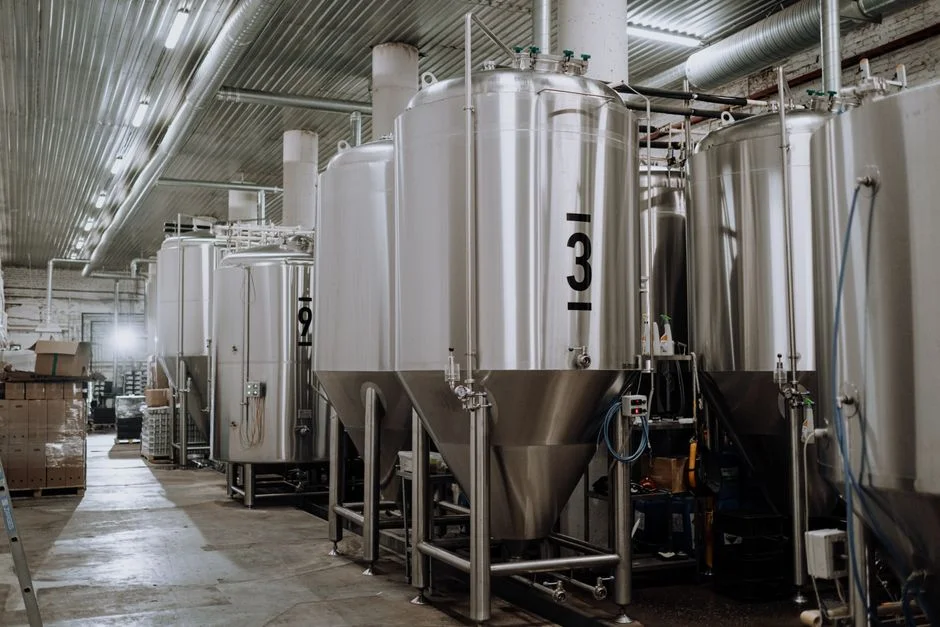
A defensible treatment train follows the wastewater’s chemistry rather than a generic equipment sequence. First segregate process streams so incompatible flows do not react in a shared basin and clean utility flows are excluded from unnecessary treatment. Then equalize variability, remove constituents that require physical separation, control pH where verified, and evaluate advanced treatment only for residual soluble pollutants that remain after upstream operations.
| Treatment function | Select it when characterization shows | Design verification |
|---|---|---|
| Source segregation | Streams have incompatible chemistry or different regulatory treatment needs | Valve, routing, and containment plan identifies every discharge path |
| Equalization | Flow, concentration, or pH varies enough to destabilize treatment | Worst-case flow and constituent loading; credible slug response |
| pH and reagent control | The permit or measured stream requires pH adjustment or another reagent-controlled function | Measured chemical demand, control range, and discharge-point compliance |
| DAF or clarification | The stream contains suspended solids, oil and grease, FOG, or colloidal material | Solids and oil loading, flotation performance, sludge handling, and residual pollutants |
| Biological, membrane, or advanced treatment | Upstream treatment leaves regulated soluble pollutants or toxicity that require additional removal | Permit-specific performance under actual water chemistry and variability |
Equalization should reduce flow, concentration, and pH variation without creating false confidence. Basin volume alone does not control a slug discharge; the design must address containment, routing, alarms, operator response, and the point at which an exceedance would reach the sewer. A well-known DAF versus clarifier selection guide can inform physical-separation questions, but the choice must follow the actual contaminant loading.
Where pH control is required, base dosing-system capacity on measured demand and the required operating range. Consider an industrial DAF system for streams containing removable oil, FOG, or solids, but verify performance against the permit and analyze the remaining soluble fraction. Biological, membrane, or other advanced treatment should follow—not replace—an assessment showing that upstream operations are insufficient.
This sequence protects downstream biological treatment from excessive solids, oil, pH excursions, and toxic shock. The District identifies protection against pass through and interference as purposes of its limits (Hammond Sanitary District, “Pretreatment,” 2026). Treatment should therefore be evaluated as part of the sewer system’s treatment train, not only as an end-of-pipe transfer system.
Monitor the discharge point and prove compliance
Compliance is demonstrated at the monitoring location identified in the site-specific permit and through the sampling plan required by that permit and applicable pretreatment rules. Hammond states that the limits on its pretreatment page apply where wastewater is discharged to the POTW (Hammond Sanitary District, “Pretreatment,” 2026). A sample from equalization, a treatment inlet, or an off-site laboratory vessel does not establish permit performance at that location.
Use approved test procedures and maintain a defensible chain from production to discharge. For each monitoring period, reconcile analytical results with production records, tank transfers, cleaning activities, chemical dumps, bypasses, and other events that could explain a concentration or load change. Continuous process flow, pH, and relevant pollutant indicators can provide earlier warning than periodic analytical sampling, provided their role is clear: operating data support process control, while the permit-required sampling establishes the compliance record.
The Hammond ordinance provides a specific risk-review framework. A violation occurs when a limit is exceeded in 66% or more of samples over a six-month period. The listed Technical Review Criteria are 1.4 for CBOD, TSS, fats, oil and grease, and 1.2 for other pollutants except pH; exceedance of the TRC in 33% or more of samples over six months is also a violation criterion (Hammond Sewers, “Chapter 51: Sewers,” 2026). These criteria should structure sampling reviews rather than be left to interpretation after an exceedance appears.
Maintain an auditable compliance file containing monitoring results, calibration records, maintenance records, chemical-use logs, deviations, corrective actions, production reconciliations, and communications with the discharge authority. The ordinance’s upset provision does not cover noncompliance caused by improperly designed pretreatment facilities, lack of preventive maintenance, or careless or improper operation (Hammond Sewers, “Chapter 51: Sewers,” 2026). Engineering controls, maintenance planning, and operator procedures therefore belong in the compliance record.
The monitoring approach used for industrial pretreatment is not interchangeable with the District’s own NPDES obligations for its discharge to receiving waters. The plant’s sewer permit controls the industrial user’s indirect discharge; it does not replace the POTW’s treatment-plant permit.
Choose pretreatment equipment without creating a compliance gap
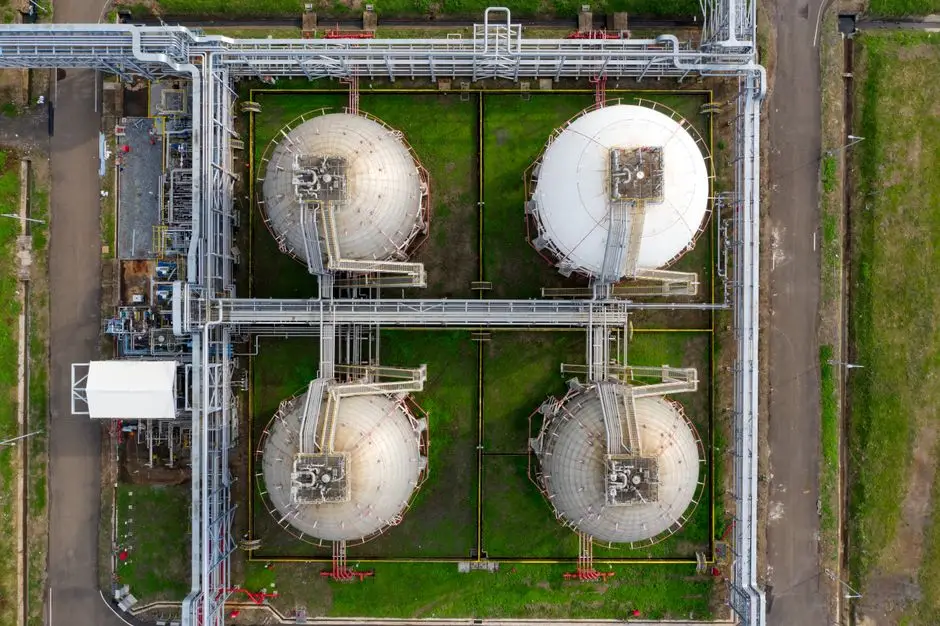
Equipment procurement begins with the permit matrix and measured wastewater envelope, not a catalog selection. Give each candidate supplier the source characterization, applicable permit conditions, flow and mass-loading assumptions, operating variability, required footprint, utilities, controls, monitoring requirements, and applicable BMPs. The MBR versus conventional activated sludge for chemical wastewater comparison is relevant only if the residual treatment need has been demonstrated; it cannot substitute for permit review.
| Procurement check | Information a supplier must provide | Compliance significance |
|---|---|---|
| Process basis | Contaminant loading, flow basis, operating variability, and treatment objectives | Shows that the system was designed for this discharge |
| Performance claim | Compliance condition addressed at the sewer discharge point | Avoids isolated laboratory efficiency claims |
| Equipment and materials | Materials of construction, utilities, controls, redundancy, and maintenance requirements | Establishes operability and chemical compatibility |
| Operations and startup | Calibration, training, commissioning, troubleshooting, and support | Reduces the risk of commissioning noncompliance |
| Commercial evaluation | Site-specific quotation and total lifecycle cost | Supports a budget decision without unsupported price claims |
Require the proposed system to address the permit condition at the sewer discharge point and to state every assumption needed to reproduce its performance. DAF should be treated as a potential oil, FOG, and solids-removal step; automatic chemical dosing should be treated as a potential pH or reagent-control step. Neither belongs in the final train unless the characterization establishes that the function is required.
Compare capital cost together with chemical use, energy, labor, maintenance, consumables, instrumentation, sludge handling, and replacement requirements. The research provides no validated pricing for Hammond chemical plants, so a responsible budget requires a site-specific quotation and total-cost calculation rather than a generic equipment price.
Permit coordination may carry greater compliance significance than price for a significant industrial user. Hammond’s ordinance defines significant industrial users by flow, system-capacity contribution, toxic pollutants, or demonstrated impact on the POTW (Hammond Sewers, “Chapter 51: Sewers,” 2026). A low-cost treatment proposal that omits monitoring, mass-limit control, slug protection, or required operating practices can still create an unacceptable compliance gap.
Frequently Asked Questions
Does a general sewer rule or the District’s NPDES permit establish the chemical plant’s sewer-discharge limits?
No. The plant’s controlling requirements come from the applicable Hammond pretreatment ordinance, its site-specific industrial-user permit, and any applicable national categorical pretreatment standard. The District’s NPDES permit governs the treatment plant’s discharge to receiving waters; it is not a substitute for the industrial user’s permit. Numeric conditions should be copied only from the applicable Hammond documents.
How should a chemical plant size pretreatment equipment and select a supplier?
Size the system from measured flow and contaminant loading, the applicable permit matrix, operating variability, monitoring location, and worst-case slug response. During supplier review, require a written process basis, hydraulic and contaminant assumptions, discharge-point performance criteria, materials of construction, controls, utilities, redundancy, maintenance requirements, and startup support. Reject any proposal that demonstrates only isolated laboratory removal without explaining how the permitted condition is achieved at the sewer connection.
What should a buyer include when comparing budget and lifecycle cost?
Request a site-specific quotation covering equipment, installation, controls, utilities, chemical consumption, energy, labor, maintenance, instrumentation, consumables, sludge handling, and startup support. Also request a transparent total-cost calculation and identify which assumptions drive the estimate. The supplied Hammond research contains no validated project price or operating-cost figure, so a generic budget should not be represented as a defensible quotation.
What operational records demonstrate that pretreatment is working?
Maintain analytical results, sampling records, production reconciliations, flow and pH trends, calibration and maintenance records, chemical-use logs, bypass or deviation records, corrective actions, and communications with the discharge authority. Match these records to the permit’s monitoring and reporting requirements. If an exceedance or upset occurs, preserve the evidence and evaluate whether the cause involved improper design, inadequate preventive maintenance, or careless operation, because the ordinance excludes those circumstances from its upset provision.
Related Equipment
- industrial DAF system — specifications, capacity range, and technical data