What Makes Vietnamese Textile Wastewater Different to Treat?
Textile wastewater treatment in Vietnam requires a source-specific treatment train rather than one universal machine. Wet processing produces wastewater containing suspended solids, colloids, dyes, process chemicals, pH variation, and organic compounds that differ between cotton and synthetic-fiber operations. A practical 2026 approach begins with segregated sampling and equalization, followed by coagulation/flocculation, DAF for suspended solids and colloidal matter, biological treatment where the organic load is suitable, and polishing before the required discharge route. Final equipment selection must follow plant-specific characterization and compliance review.
Vietnam’s textile production structure makes factory-level characterization more important than broad sector averages. The WWF and Vietnam Textile and Apparel Association’s 2018 report identified around 7,000 textile and garment factories, 84% privately owned, with 62% in the South, 30% in the North, and 8% in the Central and other regions. The same report states that wet processing consumes substantial water and chemicals and generates wastewater requiring treatment before discharge to rivers, lakes, sewers, or streams. These figures describe the sector in 2018 and do not establish a factory’s present flow or load.
Raw material matters because the contaminant profile does not necessarily transfer between production routes. A comparative study in Water examined nonylphenol ethoxylates and nonylphenol in wastewater from conventional treatment processes at a cotton factory and a synthetic-fiber factory in Vietnam. It found diverse distribution trends according to factory raw materials and reported that primary coagulation might not completely remove nonylphenol ethoxylates. Coagulation cannot automatically be credited with complete removal of these compounds.
For design, collect the process route, dyeing and finishing chemicals, washing and bleaching operations, production variability, source-separation opportunities, pH, suspended solids, colloid load, COD, toxicity, target contaminants, and the proposed receiving route. Use those inputs to define the treatment objective before selecting equipment. The historical ADB-UNEP figures summarized by WWF, including the sector’s 2003 wastewater share, are context only; they must not be used as 2026 plant-load or market benchmarks.
For projects involving a change of site control or production scope, Vietnam wastewater due diligence during plant acquisitions provides a framework for separating dated sector information from the site’s current permit and operating obligations.
Build the Treatment Train from Wastewater Source to Discharge
Source segregation and representative sampling must precede process selection because washing, bleaching, dyeing, and finishing streams behave differently. Composite sampling should capture normal production and relevant cleaning cycles; individual stream samples should identify which source contributes suspended solids, colloids, color, pH variation, COD, toxicity, or target compounds. A single averaged sample can conceal a chemical shock or unsuitable discharge stream.
Equalization stabilizes flow, pH, and load before sensitive unit operations. Where suspended solids and colloids require chemical conditioning, use controlled coagulation and flocculation. The automatic chemical dosing for coagulation and pH control must be adjusted from jar-test and pilot results rather than fixed by analogy with another mill.
Place a DAF system for textile wastewater pretreatment after chemical conditioning where flotation is the appropriate solids-removal duty. The supplied catalog lists 4–300 m³/h across 13 models for suspended solids, oil and grease, and colloidal matter. That is a catalog range, not the plant design flow.
Biological treatment should follow an applicability review of biodegradability, inhibitory chemicals, temperature, and hydraulic loading. The supplied research does not provide universal biological design parameters, so biological loading and retention cannot be selected responsibly from generic figures. For persistent contaminants, Fenton oxidation for persistent industrial contaminants may need to be evaluated as a defined polishing duty, not substituted automatically for primary treatment.
Add tertiary polishing or membrane separation where reuse or discharge requirements justify it. The supplied catalog lists ultrafiltration for textile wastewater polishing systems with a 0.03-micron barrier, 2,000–40,000 L/h capacity, inlet turbidity up to 300 ppm, automatic backwash, and air scour. A filter press can then dewater sludge from clarification or flotation; otherwise, chemical solids can return to the process or accumulate as an unplanned waste stream.
Sample at every significant stage. Final appearance cannot demonstrate COD removal, compound-specific control, or compliance. In particular, whole-process sampling is necessary because the Vietnamese Water study found that primary coagulation might not completely remove nonylphenol ethoxylates.
| Process stage | Defined treatment duty | Evidence required before sizing |
|---|---|---|
| Source segregation and equalization | Separate incompatible streams; stabilize flow, pH, and load | Stream-by-stream flow and composite characterization |
| Coagulation and flocculation | Condition suspended solids and colloids for separation | Jar tests, chemical demand, residual chemistry |
| DAF | Remove conditioned solids, oil and grease, and colloidal matter | Peak flow, batch or continuous operation, flotation performance |
| Biological treatment | Treat biodegradable organic load where applicable | Biodegradability, toxicity, temperature, hydraulic loading |
| Polishing | Meet reuse or discharge requirements and control target contaminants | Target quality, membrane feasibility, fouling and backwash |
| Sludge dewatering | Separate solids before storage, disposal, or authorized reuse | Sludge chemistry, solids yield, dewatering test |
Choose Equipment by the Treatment Problem It Solves
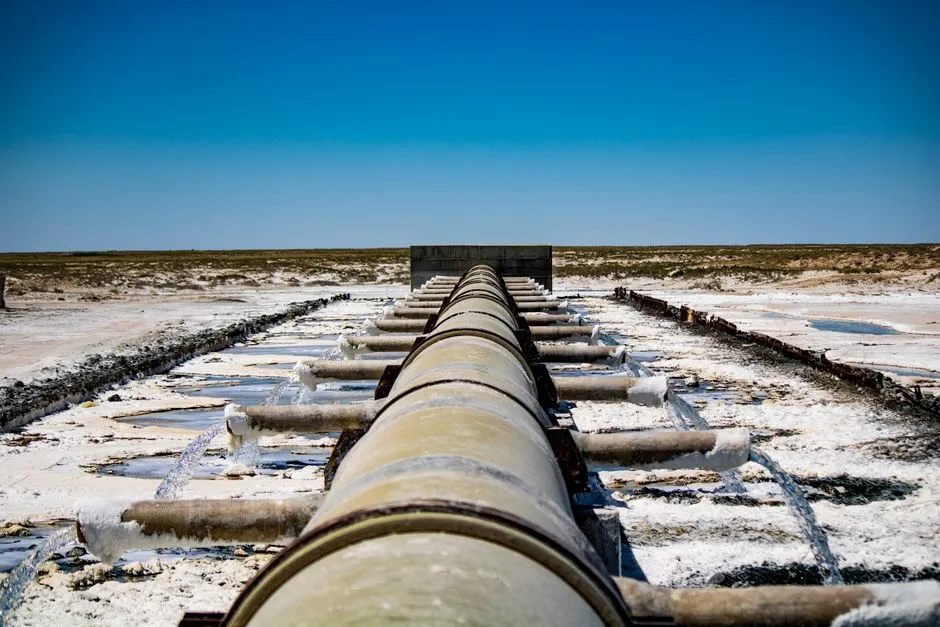
DAF is a solids-separation unit, not a substitute for biological treatment or compound-specific control. Use it where chemical conditioning has converted suspended solids and colloidal matter into material that can be floated reliably. The catalog range is 4–300 m³/h across 13 models, but the selected unit must match measured flow, operating hours, batch or continuous operation, peak load, and flotation duties.
Automatic chemical dosing supports repeatable coagulant, flocculant, pH-adjuster, and specialty-chemical injection under PLC control. The dosing solution is not a treatment guarantee: reagent selection and dosage must come from jar tests and, where warranted, pilot testing of the actual industrial stream.
Ultrafiltration is appropriate downstream where a defined 0.03-micron separation barrier is operationally justified. The listed systems cover 2,000–40,000 L/h, accept up to 300 ppm turbidity, and include automatic backwash and air scour. These specifications describe available configurations; fouling, cleaning chemistry, pretreatment, membrane life, and required water quality still need verification.
A filter press for textile wastewater sludge is used after clarification or flotation when solids must be separated for storage, disposal, or authorized reuse. The supplied catalog gives filtration areas from 1 m² to 500 m² and manual, hydraulic, or automatic PLC operation. The chosen configuration must follow measured sludge characteristics rather than nominal filtration area alone.
| Equipment | Problem it addresses | Principal sizing inputs | Critical evaluation item |
|---|---|---|---|
| DAF | Suspended solids and colloidal matter after conditioning | Measured flow, peak load, operating hours, feed chemistry | Flotation performance and sludge withdrawal |
| Automatic chemical dosing | Repeatable coagulant, flocculant, and pH control | Tested dose, chemical inventory, control sequence | Jar-test basis and chemical consumption |
| Ultrafiltration | Fine separation for polishing or reuse | Required quality, flow, feed turbidity, operating hours | Fouling, cleaning, backwash, membrane life |
| Plate and frame filter press | Sludge solids separation | Sludge yield, solids chemistry, cycle requirements | Filtrate quality, cake handling, wash performance |
Catalog capacity is not final plant sizing. Procurement must also resolve space, utilities, chemical consumption, sludge destination, discharge or reuse criteria, controls, operator access, and maintenance arrangements. Assess lifecycle items, including membrane elements, filter media, dosing parts, wear components, and control-system maintenance; the available treatment parts, valves, and filter media scope should be matched to the selected equipment and operating environment.
Verify Performance Before Scaling the Project
A current textile-mill wastewater design should begin with a site-specific mass balance covering flow variation, pH, suspended solids, COD, toxicity, target contaminants, and the effects of production and cleaning cycles. The mass balance should also connect water use, process losses, sludge generation, and the receiving route so that reuse claims are evaluated together with residual waste obligations.
Use jar tests to define coagulation and flocculation conditions, then confirm shortlisted equipment through pilot testing where the industrial stream is variable or difficult to characterize. The acceptance protocol should define sampling points, test methods, operating scenarios, stage-by-stage duties, and final performance against the applicable permit. The supplied research does not establish universal Vietnam discharge limits; the site permit, current applicable rules, and receiving sewer or waterway requirements control the decision.
Assess whole-process removal rather than isolated-unit removal. The cited Vietnamese study’s finding that primary coagulation might not completely remove nonylphenol ethoxylates warns against treating a clear flotation effluent as proof that target contaminants have been removed.
Evaluate sludge quantity, chemistry, dewatering performance, storage, and its authorized disposal or reuse route before approving the water-reuse case. Equipment scope should document operating scenarios, controls, chemical storage, spare parts, maintenance access, commissioning acceptance tests, and operator training.
Keep dated sector context separate from current obligations. The 2015 thresholds summarized by WWF concerned environmental-project screening, not a universal factory effluent specification. Individual operating permits and current applicable Vietnamese requirements must be checked for each project.
Frequently Asked Questions
How much does a textile wastewater treatment system cost in Vietnam?
The supplied research contains no current system price, so a defensible quotation cannot be produced from generic capacity data alone. Buyers should request a priced mass balance and pilot basis covering flow, wastewater characteristics, treatment objectives, civil works, equipment, controls, sludge handling, site utilities, installation, and commissioning, then compare quotations on the same scope.
Which treatment technology is best for a textile mill?
No single unit is best for every mill. DAF addresses conditioned suspended solids and colloids, chemical dosing supports pH control and floc formation, and ultrafiltration provides a defined 0.03-micron separation barrier when justified. Biological treatment, advanced oxidation, and reuse polishing depend on the organic, toxic, and target-contaminant profile.
How should a supplier size textile wastewater treatment equipment?
Advertised ranges, including the catalog’s 4–300 m³/h DAF range, cannot be selected directly. Require sizing from measured flow, operating hours, batch or continuous operation, peak load, solids and chemistry, sludge yield, required effluent quality, available space, and utility constraints, with supplier calculations traceable to those inputs.
Are older wastewater statistics still valid for Vietnam textile projects?
They are valid only as historical context. WWF’s around 7,000 factories, regional distribution, and 2003 wastewater figures describe the sector in the cited periods; they should not be used as 2026 plant-load, market-size, or regulatory benchmarks. Current design requires site data and current requirements.
What compliance risks should buyers check before ordering equipment?
Check permit applicability or transfer, receiving sewer or waterway requirements, current local environmental approvals, pretreatment obligations, chemical handling, sludge disposal, and performance testing against the actual permit. Equipment specifications should be written as compliance obligations with acceptance evidence, rather than relying on generic “treated-water” descriptions.
Related Equipment
- DAF system for textile wastewater pretreatment — specifications, capacity range, and technical data