What Chemical-Wastewater Clarification Actually Solves
For chemical wastewater in Muskegon, factories should generally choose DAF when oil, grease, FOG, colloids, or flocculated solids are the principal separation targets; choose a conventional or lamella clarifier when the objective is settling heavier solids with less chemical conditioning. Neither device removes dissolved contaminants by itself. Clearwater reports that DAF uses 30–50 micron microbubbles to float conditioned solids and skimmable contaminants, while chemical conditioning remains essential. The right 2026 choice should follow analysis of flow, pH, TSS, COD/BOD, FOG, metals, settleability, floatability, variability, and discharge requirements, followed by jar testing and an application-engineered pilot or vendor design.
Clarification is a physical-separation step. It removes suspended material that can be settled, floated, or otherwise separated from the liquid; it does not universally remove dissolved salts, soluble organics, or every persistent contaminant. A DAF unit uses pressurized air and microbubbles to attach conditioned particles to bubbles, carry them to the surface, and remove the resulting float with a skimmer. Clearwater identifies 30–50 micron microbubbles as the mechanism used in its DAF systems (Clearwater Industries, 2026-04-27).
A conventional clarifier relies on gravity settling. A lamella clarifier adds inclined plates to improve separation within a more compact structure, making it more credible than a generic “settling tank” when footprint and clarified-water collection are important design constraints.
The equipment decision must remain contaminant-specific. A 2013 North American water-treatment review by Timothy D. Appleman in Digital Collections of Colorado examined PFAS removal practices and identified these compounds as environmentally persistent; it did not establish that clarification alone removes them (Digital Collections of Colorado, 2013). Source reduction, segregation, equalization, biological treatment, oxidation, adsorption, membranes, or other specialized processes may therefore remain necessary downstream.
For a broader process perspective, see how a Fenton oxidation system fits into industrial wastewater treatment. Understanding these oxidation methods helps clarify whether a DAF or clarifier is sufficient for your specific stream characterization.
DAF or Conventional Clarifier: Side-by-Side Comparison
DAF is the stronger screening candidate when free oil, FOG, low-specific-gravity material, colloids, or properly flocculated solids dominate; conventional or lamella clarification is the stronger candidate when gravity-settleable solids dominate and floatable contaminants are not the main duty.
| Decision factor | Dissolved air flotation | Conventional or lamella clarifier |
|---|---|---|
| Separation mechanism | Pressurized air creates microbubbles that lift conditioned solids and floatable material for surface skimming. | Gravity separates settleable solids; inclined plates in a lamella unit improve separation within a compact structure. |
| Preferred contaminant profile | Free oil, FOG, low-specific-gravity material, colloids, and properly conditioned solids. | Predominantly gravity-settleable solids when floatable contaminants are secondary. |
| Chemical conditioning | Coagulation and flocculation are normally required to make particles sufficiently enlarged and floatable. | May require pH control or conditioning, but is generally the simpler screening option where settling is the principal mechanism. |
| Space and configuration | Requires a saturation circuit, recycle, flotation tank, skimming, and sludge withdrawal. | A conventional unit generally needs settling depth and floor area; a lamella unit uses inclined plates to reduce footprint. |
| Sludge behavior | Produces floated sludge and may also accumulate heavier settled solids in a bottom collection zone. | Produces settled sludge requiring withdrawal and handling. |
| Maintenance focus | Air saturation, recycle, skimmer, sludge withdrawal, controls, and chemical feed. | Sludge withdrawal, collection, coating or fouling control, and mechanical access. |
| Best screening outcome | The stream contains a meaningful floatable or emulsified contaminant duty. | The stream contains settleable solids and requires the simpler gravity route. |
Both options create sludge that must be removed and handled. Clearwater states that DAF systems also collect heavier settled sludge in a bottom zone, with removal by an auger (Clearwater Industries, 2026-04-27). A DAF skid therefore does not eliminate conventional sludge-management duties.
Product-specific data can support preliminary screening, not guarantee selection. HydropureWater states that its lamella clarifier can operate at 20–40 m/h surface loading rates and use up to 30% less chemical than competing systems; those figures apply only to that product claim and should be verified through an application-specific design. An industrial DAF system for chemical wastewater should be compared with a lamella clarifier for settleable chemical wastewater solids using the same influent, duty, guarantee, and lifecycle basis.
Match Wastewater Chemistry to the Right Treatment Path
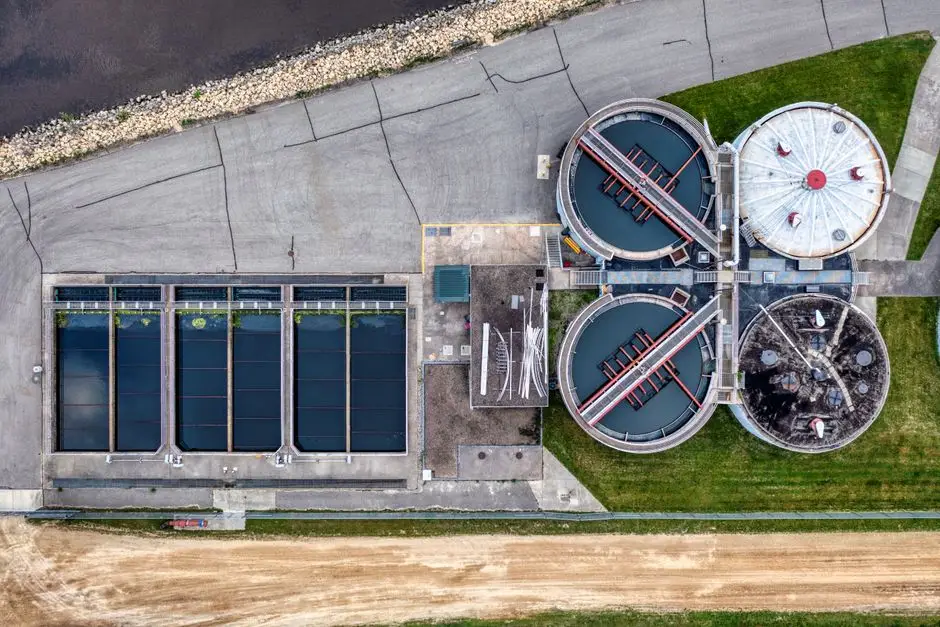
The correct equipment route follows the contaminant mechanism, not the factory’s nominal production rate. ChemREADY’s West Michigan service page identifies pH, alkalinity, TSS, COD/BOD, FOG, metals, and odors as sampling parameters and describes treatment combinations involving equalization, pH control, coagulation/flocculation, DAF, clarification, biological processes, and dewatering (ChemREADY, 2026).
| Observed wastewater characteristic | Equipment or process direction | Selection caution |
|---|---|---|
| Predominantly free oil or FOG | Evaluate DAF with appropriate oil-and-grease removal and sludge handling. | Emulsions, variable chemistry, and foaming can change the conditioning demand. |
| Predominantly gravity-settleable solids | Evaluate a conventional or lamella clarifier. | Confirm settleability and the effect of variable batches. |
| Colloids or fine solids requiring improved floatability | Evaluate DAF after coagulation and flocculation. | Determine chemical dose and mixing time through jar testing. |
| Dissolved salts or soluble organics | Route toward biological, oxidation, adsorption, membrane, or another specialized process as appropriate. | Do not credit clarification with dissolved-contaminant removal. |
| Metals or incompatible chemical streams | Segregate streams and evaluate pH control, precipitation or other chemical-specific treatment before clarification. | Confirm material compatibility and downstream treatment. |
| Production-driven variability, foaming, or high metals | Provide equalization and define upset controls before selecting equipment. | Average flow alone will not represent the controlling condition. |
pH and alkalinity determine whether the selected chemicals can condition the wastewater effectively. Clearwater identifies acids, bases, coagulants, and polymer flocculants as chemicals used with DAF (Clearwater Industries, 2026-04-27). The correct dose and contact time remain application-specific: Clearwater states that jar testing should establish the required mixing time rather than assuming a standard recipe.
Do not infer that foaming means more DAF capacity will solve the problem. First determine whether foam originates from surfactants, biological activity, batch chemistry, or an upset condition. Do not route a concentrated or incompatible batch through a biological system merely because the plant has one. Segregation can protect downstream biology and equipment, while equalization can make chemical dosing and clarification more controllable.
Where chemical conditioning is required, a PLC-controlled chemical dosing and coagulation system should be evaluated as part of the process train, not as an accessory added after the clarifier is selected.
Build a Pilot-Tested Selection and Sizing Brief
A defensible selection brief begins with the complete hydraulic envelope and representative wastewater, because neither average flow nor vendor throughput establishes process suitability. The following sequence converts the decision into a vendor-ready engineering package.
- Document average flow, peak flow, batch-discharge flow, clean-water availability, discharge recurrence, and production-driven variability.
- Obtain representative samples for TSS, oil and grease or FOG, COD/BOD, pH, alkalinity, metals, temperature, and settleability or floatability testing.
- Use jar testing to establish chemical dose, mixing energy, contact time, and the separation response; then verify the proposed train through an application-engineered pilot where the duty warrants it.
- Define corrosion resistance, controls, instrumentation, sludge removal, maintenance access, utilities, startup requirements, upset response, and guarantees before requesting prices.
Clearwater gives 15–45 seconds as a flocculation-tube flash-mixing design parameter and states that actual contact time must be validated through jar testing (Clearwater Industries, 2026-04-27). Treat that value as an example, not a universal prescription.
| Bid package item | Information or guarantee to request |
|---|---|
| Hydraulic basis | Average, peak, batch flow, operating envelope, equalization assumptions, and clean-water demand. |
| Process basis | Representative analytical results, contaminant mechanism, settleability or floatability, conditioning results, and applicable upstream or downstream treatment. |
| Materials and compatibility | Selected wetted materials, chemical compatibility, corrosion basis, and replacement-part materials. |
| Equipment scope | DAF or clarifier, conditioning, recycle and saturation equipment where applicable, sludge withdrawal, controls, instrumentation, utilities, and access. |
| Performance and testing | Guaranteed process performance, test protocol, sampling points, FAT/SAT requirements, acceptance criteria, and remedy for failed acceptance. |
| Commercial and support terms | Documentation, training, commissioning, spares, warranty, local service capability, and ongoing chemical and parts support. |
Clearwater reports 304 stainless steel as standard construction, with 316 stainless steel, polypropylene, and other materials available on request (Clearwater Industries, 2026-04-27). Compatibility must still be checked against the factory’s actual chemical inventory and operating conditions.
HydropureWater’s catalog spans 4–300 m³/h across 13 DAF models; use that range only as a preliminary catalog screen, not as a final sizing basis. A final selection requires representative wastewater, application engineering, and verified performance testing.
Plan for Muskegon Permits, Operations, and Long-Term Reliability
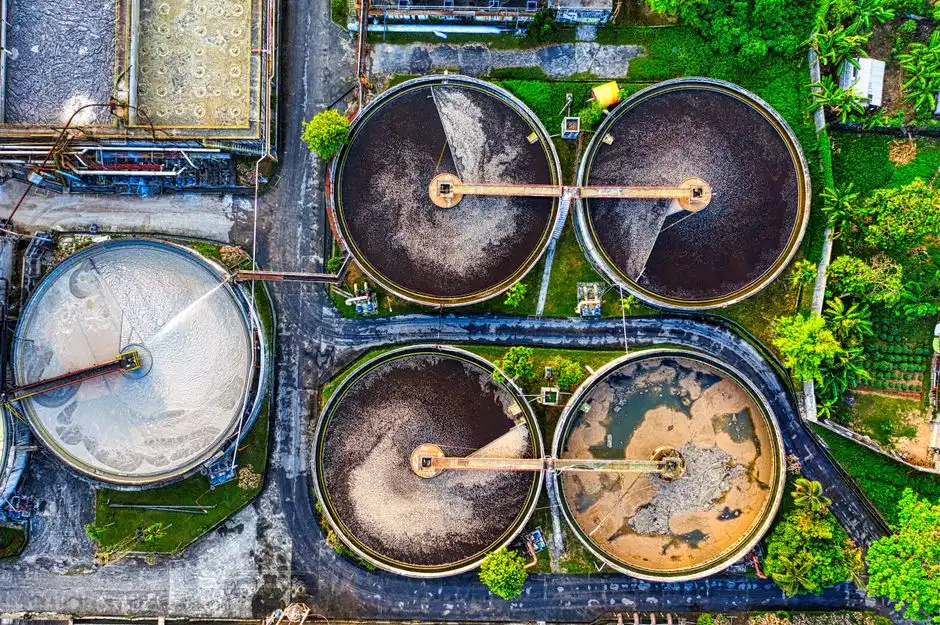
Clarification equipment should be commissioned as part of a controlled treatment train, not purchased as an isolated tank. ChemREADY describes West Michigan support spanning influent characterization, pretreatment, pH control, coagulation/flocculation, DAF, clarification, biological processes, and dewatering, with local service across Muskegon and surrounding communities (ChemREADY, 2026). This scope illustrates the disciplines a plant must coordinate to maintain regulatory compliance.
Require a documented operating program before startup: sampling points, calibration checks, chemical-dose records, routine inspections, alarm response, sludge withdrawal, cleaning, and reporting that supports the facility’s permit and sampling plan. Startup success is not enough if operating records cannot demonstrate control over changing production loads.
Chemical management is part of the equipment risk. Address storage separation, secondary containment, safety data sheets, clear labels, inventory control, foaming, odor mitigation, spill response, and handling of incompatible acids, bases, coagulants, and polymers. A dosing skid should not be considered operable merely because its pumps turn.
DAF startup requires clean water because the process pressurizes water and mixes it with air. Clearwater warns that filling the unit with wastewater can discharge dirty, unclarified water and may damage the recirculation pump and air-saturation system (Clearwater Industries, 2026-04-27). Require a written startup sequence, available clean-water source, and hold-point inspection.
Compare downstream sludge handling as part of clarification. Chemical conditioning can change sludge stability, storage, dewatering, and hauling requirements. Include a plate-and-frame filter press where sludge dewatering is required, and use micro-bubble flotation maintenance practices to develop preventive maintenance and inspection requirements.
Distinguish physical separation from permit compliance. Confirm the applicable Muskegon-area pretreatment and discharge obligations with the receiving authority and the facility’s permit. Neither generic equipment claims nor this comparison substitutes for that project-specific review.
Frequently Asked Questions
How much does a DAF or clarifier cost for chemical wastewater treatment in Muskegon?
The supplied research provides no defensible Muskegon price range, so a useful budget cannot be stated without a quotation. Ask each supplier to price the same hydraulic and process basis: average and peak flow, contaminant loading, conditioning chemicals, controls and instrumentation
Frequently Asked Questions
How much does a DAF or clarifier cost for a chemical wastewater plant in Muskegon?
Capital costs for a Dissolved Air Flotation (DAF) system typically range from $80,000 to $250,000 depending on flow rate, materials of construction (304 vs. 316 stainless steel), and automation requirements. Conventional clarifiers often have a lower initial equipment cost, ranging from $50,000 to $150,000, but require significantly larger concrete footprints and civil engineering work, which can increase total installed costs by 30-50% in the Muskegon industrial market.
How do I size a DAF versus a lamella clarifier for industrial chemical wastewater?
DAF sizing is primarily based on hydraulic loading rates (typically 1.5 to 3.0 gallons per minute per square foot of surface area) and the specific air-to-solids ratio required to float target contaminants. Lamella clarifiers are sized based on the projected settling area of the plates, typically requiring a rise rate of 0.25 to 0.5 gallons per minute per square foot, accounting for the projected area of the inclined plates rather than just the footprint of the tank.
What should I ask a wastewater equipment supplier before ordering a DAF system?
You should request documented performance data regarding bubble size distribution (target 30-50 microns), the specific energy consumption of the recycle pump, and the ease of access for skimmer blade maintenance. Additionally, ask for a pilot study or lab-scale jar test report that correlates your specific chemical wastewater chemistry to their proposed flocculation retention times and chemical dosing requirements.
Is a DAF enough to meet the discharge permit for chemical wastewater?
A DAF is highly effective at removing fats, oils, grease (FOG), and suspended solids, often achieving 80-95% removal efficiency. However, it is rarely sufficient as a standalone solution for complex chemical wastewater if your Muskegon discharge permit includes stringent limits for dissolved metals, specific complex organics, or high chemical oxygen demand (COD) that is not associated with floatable solids, often necessitating subsequent biological or membrane treatment.
When is a conventional clarifier better than DAF for industrial wastewater?
A conventional clarifier is superior when the wastewater contains high concentrations of heavy, inorganic solids with a specific gravity significantly greater than 1.0, or when the influent flow is highly variable and prone to sludge blanket instability. Clarifiers are generally more energy-efficient for high-flow, high-solids-loading applications where the energy costs of saturator tanks and recycle pumps in a DAF system become economically prohibitive.