
Why Uzbekistan Needs a Source-Specific Textile Treatment Strategy
Textile wastewater treatment in Uzbekistan requires source separation because concentrated spent dyeing, bleaching and finishing solutions do not have the same flow or contaminant profile as wash water. A 2024 study reports that about 70% of textile production water is used for washing raw materials and semi-finished products, while wash-water volume is many times higher than concentrated wastewater. For Uzbekistan, where a 2025 study reports safe treatment at only around 32% and records dye and chemical contamination of canals, the practical answer is to characterize each stream, conduct jar tests, then specify coagulation, flocculation, dissolved-air flotation, sludge dewatering and biological treatment as required.
Modern Education and Development’s 2025 article, “State of Wastewater at Textile Enterprises in Uzbekistan,” identifies wastewater treatment as one of the textile sector’s most serious ecological problems despite rapid production growth. It reports a low level of safe wastewater treatment in the country, at approximately 32%, and documents cases of canal pollution involving dyes and chemical substances. The article also identifies factors that complicate industrial-discharge management, but it does not provide current Uzbekistan-specific discharge limits that a plant can use as design criteria.
The flow distinction is equally important. The American Journal of Engineering Mechanics and Architecture’s 2024 study, “Improvement of Wastewater Treatment in Textile Production,” reports that approximately 70% of water consumed in textile production is used to wash raw materials and semi-finished products at different process stages. It separates wastewater into concentrated spent process solutions, which contain most contaminants, and wash waters, whose volume is many times higher. Treating those streams together can therefore obscure the small, concentrated fraction that drives chemical demand, color loading and sludge generation.
For a factory, that means mapping dyeing, bleaching, finishing, washing, cooling and extraction separately before selecting a textile effluent treatment plant. Uzbekistan’s reservoir wastewater rules discussed for October 2026 may be relevant to the wider regulatory context, but the plant should not infer a numerical effluent standard without confirming the applicable requirement with the responsible authority.
Characterize the Wastewater Before Choosing Equipment
Representative sampling is the first design input because no valid equipment selection can be made from a single grab sample or an average plant flow alone. Each discharge should be linked to its production activity, sampled across representative production and cleaning periods, and tested for the parameters that determine chemical demand, hydraulic loading and biological treatability.
Start with a process-flow and drainage map. Identify the production batch associated with each sample, including dyeing, bleaching, finishing, washing, cooling or extraction. Record variable and peak flows, batch duration, cleaning cycles, chemical additions and the substances used in the relevant process. This is particularly important where dyes and finishing chemicals change frequently: a result from one product or one production day may not represent the full operating envelope.
Request flow, pH, color, COD, suspended solids, salinity, temperature and relevant process-chemical information for each segregated stream. Dye type, auxiliary chemicals and batch variability should be documented because the 2024 American Journal study identifies spent process solutions as the fraction containing most contaminants, while the 2025 Modern Education and Development study identifies dyes and chemical substances as important canal-pollution concerns in Uzbekistan.
The sampling plan should also distinguish flows when assessing preliminary hydraulic loading. Under the 2024 study’s definition, wash-water volume is many times higher than concentrated wastewater volume, while the concentrated solutions carry most of the contaminants. Equalization, dosing and clarification equipment may therefore face different loads depending on whether the plant receives these streams together or separately.
| Design input | Why it is required | Information the buyer should request |
|---|---|---|
| Stream identity and production activity | Links contaminant concentration to the generating process | Drainage map, batch records, cleaning schedule and chemical inventory |
| Hydraulic profile | Distinguishes average load from equalization and peak-capacity requirements | Average and peak flow, duration, batch discharge pattern and operating schedule |
| pH and color | Govern chemical conditioning and visible-color treatment | Representative pH range, color results and identified dye chemistry where available |
| COD and suspended solids | Indicates soluble organic load and solids-removal demand | Current test methods, sample preservation and results across production periods |
| Salinity and temperature | Affects chemical behavior and downstream biological treatment | Stream-specific salinity and temperature ranges |
| Process chemicals | Identifies substances that may interfere with coagulation or treatment | Product-specific chemicals, additions and materials used in dyeing and finishing |
An automatic chemical dosing system should therefore be selected only after these inputs are available. Its duty depends on the actual chemistry, required dose range, flow variation and control strategy—not on the presence of a dosing skid alone.
Build the Treatment Train from Jar-Test Results
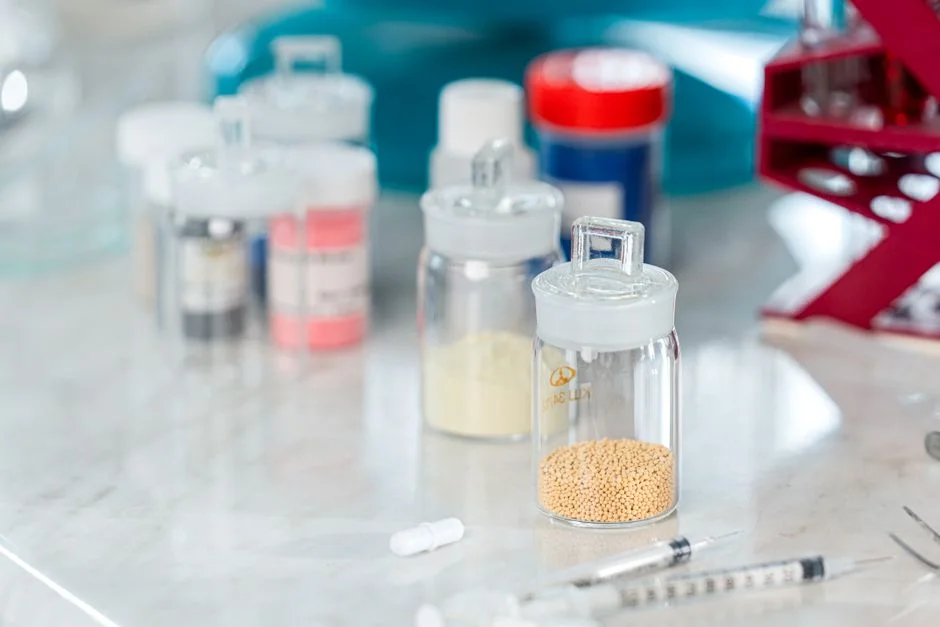
A defensible textile treatment train follows the contaminants through the process: segregate streams, equalize where necessary, correct pH, condition the wastewater, remove solids, treat the soluble load and dewater the resulting sludge. Jar testing determines whether that sequence needs adjustment for the plant’s actual dye and chemical mixture.
- Segregate and equalize. Keep concentrated spent solutions separate from wash water during sampling and, where the process assessment supports it, through treatment. Equalization controls batch variation but does not remove contaminants.
- Correct pH and condition the wastewater. Coagulation and flocculation can destabilize particles and create larger flocs when the dose and reaction environment are selected from testing.
- Separate suspended material. A textile wastewater DAF system can remove suspended solids, oil and grease, colloidal matter and other suitable industrial contaminants. Dye and COD removal still depend on the upstream chemical stage and subsequent biological treatment.
- Treat the soluble load. Biological treatment may be required for biodegradable COD, with applicability assessed from the actual wastewater characteristics.
- Handle sludge. The solids removed by flotation or clarification must be dewatered and routed to an identified disposal or recovery method.
Bluwat Chemicals’ supplier case describes a four-step jar-test-based sequence: break down dye molecules and remove visible color; destabilize colloidal particles and initiate coagulation; optimize the reaction environment; and form large, dense flocs for rapid sedimentation. It reports color removal of up to 90%+ and COD reduction improved by 50%+. These are case-specific supplier results, not guaranteed plant performance: the claim does not establish the plant flow, wastewater composition, operating conditions or acceptance protocol.
Automatic dosing can meter coagulants, flocculants, pH adjusters and specialty chemicals, with PLC-controlled and skid-mounted configurations available for integration. The control design should be tied to measured flow, pH and the jar-test operating window rather than fixed dosing rates.
| Stage | Primary function | Evidence required before specification |
|---|---|---|
| Segregation and equalization | Separates treatment objectives and buffers variable discharges | Stream map, peak-flow record and batch variation |
| pH correction, coagulation and flocculation | Conditions wastewater and forms settleable or floatable flocs | Jar-test protocol, dose response, pH range and resulting sludge characteristics |
| DAF or clarification | Removes suspended solids and colloidal material | Hydraulic and solids-loading checks, control sequence and sludge-removal method |
| Biological treatment | Reduces biodegradable soluble COD | Influent characterization, biodegradability assessment and target effluent requirements |
| Sludge dewatering | Concentrates removed solids for handling or disposal | Expected sludge volume, solids concentration, filtrate destination and press duty |
The 2026 Molecules article on Cu-CoS₂ nanoparticles investigates solar-driven decolorization of textile dye contaminants. It is an emerging research technology, not the default plant process; the supplied evidence does not support assigning it unprovided performance figures. For an integrated MBR wastewater treatment system, buyers should also assess membrane compatibility, pretreatment and the fate of dye, salt and process chemicals rather than treating membrane filtration as a universal solution.
Size the Flotation and Solids-Separation Stages
The supplied DAF catalog lists 4–300 m³/h capacity across 13 standard models and identifies textile among its application areas. These are selection references, not a recommendation for a specific Uzbek plant; the applicable model still requires hydraulic, solids-loading and operating checks.
The same catalog describes the DAF system as intended for suspended solids, oil and grease, colloidal matter and other industrial wastewater contaminants. That makes it relevant after chemical conditioning, but it does not establish independent removal of dissolved dye or COD. Those objectives depend on the chemical and biological stages upstream and downstream.
The lamella sedimentation-tank catalog states a surface-loading rate of 20–40 m/h and up to 30% lower chemical consumption. Those are catalog specifications, not universal operating results. A buyer should require the supplier to show how the stated loading rate and chemical-consumption comparison apply to the plant’s wastewater characteristics, configuration and operating conditions.
Preliminary sizing should use the split flow rather than one headline plant flow. Concentrated streams and wash water have different contaminant concentrations and hydraulic behavior. The supplier should identify the design flow assigned to each unit, the treatment objective for each stream and whether equalization occurs before or after segregation.
| Selection item | DAF catalog evidence | Buyer’s verification requirement |
|---|---|---|
| Hydraulic capacity | 4–300 m³/h across 13 standard models | Confirm selected capacity against segregated peak flows and operating philosophy |
| Intended contaminants | Suspended solids, oil and grease, colloidal matter and other industrial contaminants | Match equipment to measured solids and flotation characteristics |
| Textile application | Textile is listed as an application area | Ask for comparable wastewater, operating conditions and test data |
| Chemical demand | Must be established through conditioning and jar testing | Require dose range, control method and consumption assumptions |
| Sludge removal | Must be included in the equipment proposal | Confirm removal method, sludge characteristics and discharge route |
Every quotation should state hydraulic capacity, solids-loading criteria, control sequence, chemical demand, sludge-removal method and required operator attendance. These are more useful selection criteria than a headline flow alone. The broader industrial ETP and DAF selection guide can support the technical questionnaire, but project-specific wastewater remains the basis for final sizing.
Plan Sludge Handling and Effluent Reuse
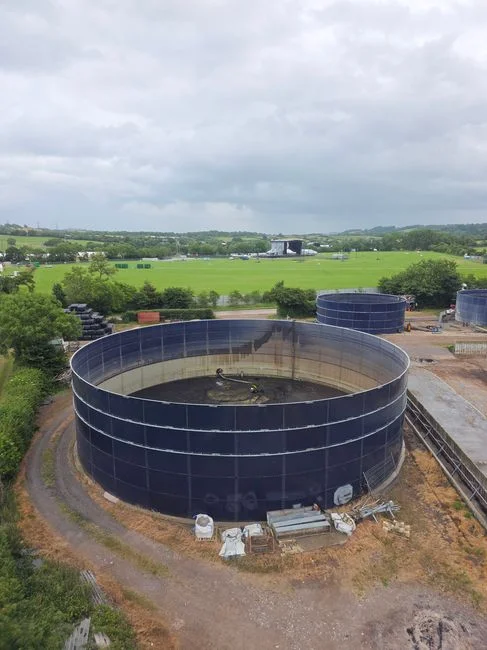
Color and chemical-conditioning solids create a concentrated residue that requires a deliberate route after flotation or clarification. Left as dilute sludge, they increase handling volume, storage pressure and downstream disposal requirements. The plant mass balance should therefore identify where solids enter, how much sludge is generated, how much water remains after dewatering and where the separated solids and filtrate are sent.
The supplied plate-and-frame filter-press catalog lists filtration areas from 1–500 m² and manual, hydraulic or fully automatic PLC-controlled configurations. These are procurement specifications, not a basis for selecting a press without sludge data. Request expected sludge volume, feed solids concentration, batch cycle, target cake condition, filtrate characteristics and operating attendance requirements.
A textile treatment sludge dewatering press should be evaluated against actual conditioned sludge rather than average wastewater flow alone. A small-volume, difficult-to-dewater residue and a high-volume sludge can present different plate-area, cycle-time and automation requirements even when the liquid treatment flow is unchanged.
Treated industrial effluent reuse must also be separated from finished textile-process-water reuse. The former may be considered against a defined site reuse specification; the latter may require additional treatment for process-sensitive quality criteria. The MBR catalog reports near-reuse-quality effluent below 1 μm filtration, but that statement does not mean color, dissolved salts or every textile-specific contaminant have been removed.
If salinity or other persistent dissolved constituents are significant, review the high-TDS industrial wastewater treatment guide alongside the process proposal. Require the supplier to complete a mass balance covering influent, separated sludge, filtrate, chemical consumption and the final discharge or reuse route. The supplied research does not provide Uzbekistan-specific reuse criteria, so the receiving process must define its own quality requirements.
Evaluate Suppliers Using a Site-Specific Acceptance Framework
A supplier proposal becomes technically meaningful only when it is tied to representative samples, a documented test method and acceptance criteria. Ask each bidder to review the site’s wastewater or provide a written jar-test protocol before fixing chemical dosage and equipment selection.
Compare alternatives by their fit with the measured wastewater, required footprint, automation, sludge handling, utilities, maintenance and operator availability. DAF, lamella clarification and MBR systems address different objectives; the lowest headline equipment price may not produce the lowest total cost once chemical demand, sludge handling and control requirements are included.
| Supplier-evidence item | Acceptable response | Reason for the check |
|---|---|---|
| Wastewater basis | Representative analysis linked to production streams | Separates documented site evidence from generic industry claims |
| Performance basis | Results tied to defined influent, test method and operating conditions | Prevents a case-specific result from becoming an unsupported guarantee |
| Equipment sizing | Hydraulic and solids-loading calculations with stated assumptions | Shows whether the proposed capacity fits the actual treatment train |
| Chemical consumption | Jar-test dose range and operating-control method | Connects dosing equipment to wastewater chemistry |
| Sludge route | Generation estimate, dewatering method and destination | Prevents transfer of the compliance burden to a concentrated solid stream |
| Commercial execution | Delivery, commissioning, training, spares and after-sales terms stated | The supplied evidence establishes none of these project-specific commitments |
Treat the supplier-reported 90%+ color removal and 50%+ COD improvement as a verification benchmark rather than a procurement promise. The original claim came from one jar-test-based four-step process, and the supplied material does not establish its applicability to a full-scale Uzbek plant.
Guaranteed performance should be expressed against defined influent and effluent parameters. Because the supplied research contains no current Uzbekistan-specific numerical discharge limit, the buyer must obtain the applicable requirement from the responsible authority or sewer authority before signing acceptance criteria.
Commercial support must also be confirmed separately. Request written terms for local delivery, commissioning, spare parts, operator training and after-sales support. The supplied evidence does not establish supplier lead times, installation costs or Uzbekistan-specific textile ETP prices, so any proposal should state assumptions and exclusions rather than present an unsupported range.
Frequently Asked Questions
What does textile wastewater treatment in Uzbekistan cost?
The supplied research provides no Uzbekistan-specific textile ETP prices, so a defensible budget cannot be calculated from flow alone. Request each bidder to price the process against segregated flow data, analytical results, peak-flow requirements, treatment targets, chemical consumption and sludge-disposal obligations. Compare the quotations on the same scope, including delivery, installation, controls, commissioning, training, spares and reagent supply. Treat any unsourced market range or installation allowance as an estimate, not a quotation.
How should a supplier be selected for a textile effluent treatment plant?
Require a process proposal tied to representative samples and written acceptance criteria. The supplier should explain stream segregation, jar-test method, selected chemicals, equipment sizing basis, control sequence, sludge route and treatment objectives. Also request documented commissioning, operator-training, spare-parts and after-sales arrangements. A generic equipment catalogue or transferable case result is not enough to demonstrate fit with the factory’s wastewater.
How do we size the plant when concentrated wastewater and wash water differ?
Size the segregated streams before calculating a headline plant flow. The 2024 American Journal of Engineering Mechanics and Architecture study reports that wash-water volume is many times higher than concentrated wastewater volume, whereas the concentrated spent solutions contain most contaminants. Identify average and peak flow for each stream, then ask the supplier to state which units receive each flow and how equalization, dosing and solids separation are allocated.
Which Uzbekistan discharge requirements should the supplier guarantee?
No current Uzbekistan-specific numerical discharge limit appears in the supplied research. The factory should confirm the applicable discharge or reuse requirement with the responsible authority or sewer authority, then incorporate those parameters and the defined test method into the supplier’s guarantee. Do not substitute a general textile performance claim, a case-study result or an equipment specification for a legally applicable effluent standard.