When SBR Is the Right Fit for a Shopping Mall
An SBR can be suitable for shopping mall wastewater when the wastewater is mainly sanitary and biodegradable, flows can be equalized, and biological treatment, settling and disinfection can reliably meet the required effluent standard. Mall design must be based on measured average and peak flows, COD, TSS, fats, oils and grease, nutrients and tenant discharge characteristics—not floor area alone. A documented Campus Hill project used an SBR to treat discharge from standalone stores and a movie theater. For procurement, define pretreatment, operating cycles, redundancy, sludge handling, odor control, automation and permit or reuse criteria before selecting equipment.
A sequencing batch reactor, or SBR, is a batch-operated activated-sludge system. Treatment phases are separated in time so the biomass can settle, reducing the organic load before the next cycle. That operating flexibility can suit a mall with variable wastewater generation, provided equalization and pretreatment are designed around the actual load.
The Campus Hill Shopping Center provides documented application evidence, not a universal performance benchmark. Frederick Ward’s project description states that wastewater from the entire shopping center, including standalone stores and a movie theater, was piped to a treatment building, lifted by a grinder-pump station to the head of an SBR plant, and then pumped to disposal fields. The source does not provide general removal efficiencies, cycle durations or hydraulic loading values that can be transferred to another mall.
Before requesting a quotation, assess seven conditions:
- Wastewater duty: confirm biodegradability, COD, suspended solids, FOG, nutrients and tenant-specific discharges.
- Hydraulic variation: identify trading-hour, cleaning-period, weekend and seasonal peaks.
- Pretreatment: determine whether screening, solids removal and FOG control are needed.
- Effluent objective: distinguish discharge requirements from any reuse target.
- Site constraints: assess footprint, utilities, burial depth, odor sensitivity and access.
- Operations: confirm staffing, automation, sludge-wasting and maintenance capability.
- Final route: establish the authorized discharge, reuse or sludge-disposal arrangement.
The same engineering questions appear in SBR design for wastewater with food-processing loads and SBR design for wastewater with sugar-mill waste loads, but their feed assumptions should not be copied into a mall bid.
Characterize the Wastewater Before Sizing the Reactor
Untreated COD near 2,000 mg L⁻¹ was measured in samples from one medium-size mall in the Ambiente e Agua study, according to HydropureWater’s 2026 MBR design guide. That is a site-specific observation, not a universal mall design concentration, and it cannot substitute for sampling at the property being evaluated.
The mall wastewater load should be separated into four contributors. HydropureWater’s mall design guide identifies sanitary wastewater, food-court effluent, tenant processes and cleaning water. Each contributor needs a separate flow and pollutant assessment because combining them into one sanitary load can conceal excessive grease, solids, nutrients or incompatible tenant discharges.
The RFQ should request average flow, peak flow, design influent COD, suspended-solids loading, grease and solids loading, required effluent limits, reuse targets and operating hours. Sampling should also establish whether tenant flows are intermittent, concentrated during trading periods or unsuitable for direct biological treatment.
| Input | Why the buyer needs it | Evidence boundary |
|---|---|---|
| Average and peak flow | Defines hydraulic loading, equalization and treatment capacity. | Floor area and visitor count are preliminary indicators only, not substitutes for measurements. |
| Influent COD and TSS loading | Establishes organic and solids loads on biological treatment and sludge handling. | The near-2,000 mg L⁻¹ COD result applies only to sampled wastewater from one medium-size mall in the Ambiente e Agua study, as reported by HydropureWater in 2026. |
| FOG and solids loading | Determines whether food-court discharge needs separate interception or pretreatment. | No universal mall FOG value is established by the supplied research. |
| Effluent and reuse targets | Links process selection to the receiving route and compliance risk. | Requirements are site-specific; no universal limit is stated in the supplied research. |
| Operating hours and load pattern | Supports equalization and batch-cycle design. | Trading, cleaning and seasonal patterns must be verified for the property. |
The same mall study reported more than 90% removal of color and turbidity under its tested conditions, according to HydropureWater’s 2026 guide. That result does not establish year-round performance, membrane life or permit compliance at another mall. Likewise, the study’s average flux of 7.0 L h⁻¹ m⁻² and 40 kPa operating pressure were MBR test values, not SBR design inputs, and should not appear in an SBR quotation.
Where food-court flows justify it, evaluate a rotary mechanical bar screen for solids screening and a DAF system for FOG and solids control. These are candidate unit processes, not mandatory equipment selections; the supplier should justify them from measured wastewater characteristics.
Build a Mall-Ready SBR Process Train
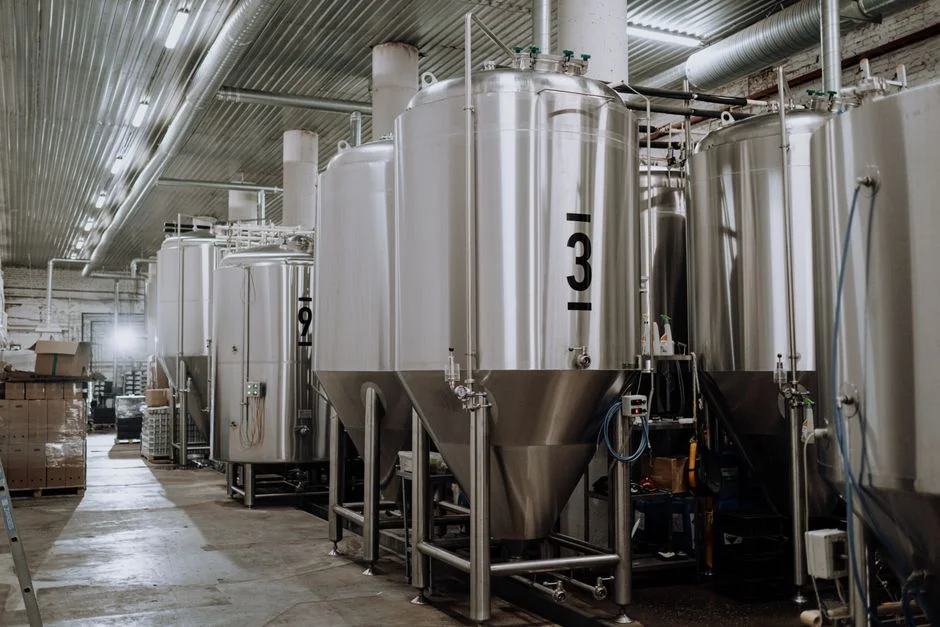
A defensible mall SBR train should connect solids protection, flow stabilization, biological treatment, solids separation, disinfection and the authorized final route. Each stage addresses a specific risk created by retail, food-service and tenant operations.
- Screening and solids removal: remove fibrous material and gross solids before they burden biological equipment, pumps or sludge handling.
- Wastewater equalization: buffer trading-hour, cleaning-period, weekend and seasonal variation.
- Justified FOG or grease control: protect downstream equipment where food-court discharge contributes grease and solids.
- Biological SBR treatment: alternate reaction, settling and discharge phases while managing biomass inventory and treatment consistency.
- Disinfection: apply the method required by the receiving or reuse route.
- Authorized discharge or reuse: align the final process with the site-specific permit and destination.
| Process stage | Mall-specific risk | Supplier must demonstrate |
|---|---|---|
| Screening and solids removal | Fibrous material and solids from sanitary, retail and food-service areas. | Selected solids-removal method and its integration with the SBR train. |
| Equalization | Variable wastewater generation and concentrated tenant discharges. | How peak periods, operating hours and unused equalization capacity are managed. |
| FOG or solids control | Food-court grease, food particles and associated solids. | Basis for including or omitting dedicated pretreatment. |
| SBR biological treatment | Organic loading, mixed liquor, settling and odor generation. | Batch sequence, settling provision, aeration control and sludge inventory. |
| Disinfection | Pathogen and receiving-route requirements. | Disinfection method, control system and monitoring arrangements. |
GRAF explains that an SBR is a sludge-activated system designed to stop solids from reducing the organic load over repeated cycles, with treatment carried out in batches. Its four-step explanation provides the operating framework, but GRAF’s product claims about odor, maintenance, power use and sludge production are not universal guarantees for a mall installation.
A Global NEST 2023 study of seven mall wastewater treatment plants evaluated retrofits that added an anaerobic/anoxic stage before the existing aerobic process and recirculated aerobic-process effluent to the anoxic tank. The authors reported improved nitrogen and phosphorus removal, as well as better levels of organic matter, oil and grease, TSS, surfactant and fecal coliform. Both the original and retrofitted systems included final chlorination.
The same study reported reduced aeration requirements without large chemical doses for nitrogen and phosphorus removal. It also found that struvite formation already occurred at the mixing tank after the anaerobic/anoxic tank; because effluent nitrogen and phosphorus had become very low, additional magnesium dosing for struvite precipitation was not feasible. This supports a nutrient-removal discussion, not automatic inclusion of an SBR nutrient-recovery module.
Where the design basis supports disinfection, request a specific proposal such as a chlorine dioxide wastewater disinfection system. It should be checked against the applicable permit, receiving requirements and site controls rather than selected from a catalog alone.
Set the Batch Cycle Around Variable Mall Demand
GRAF identifies four steps in its explanation of batch treatment and settling, but the supplied research does not establish universal cycle lengths or hydraulic rates for a shopping mall. The supplier must therefore derive the operating sequence from measured flows, pollutant loads, equalization behavior, settling performance and the required operating schedule.
The cycle should address several operating questions:
- How does the reactor absorb peak flow without shortening settling or compromising treatment?
- What happens when equalization volume is unused?
- How is sludge inventory controlled without creating excess inventory or excessive wasting?
- How does the sequence respond to weekend, seasonal and food-service loading patterns?
- What operating states are available during a power interruption or blower failure?
- How is cleaning, standby and maintenance time incorporated into treatment capacity?
GRAF’s one2clean example shows a commercial configuration in which one tank and chamber use three steps. That illustrates that SBR packages can be arranged differently; it does not establish a universal three-step cycle for a mall. Any quotation should provide the actual phase sequence, controls, transition logic and treatment consequences of each phase.
Equalization is especially important where the mall operates across defined trading periods, tenant kitchens discharge during service hours, and cleaning generates intermittent flows. Ask the supplier to distinguish minimum treatment performance from average daily loading. Also request a stated response to peak flow, power loss and equipment failure rather than relying on nominal tank volume alone.
Detailed controls should be traceable to the proposed biological process. The broader sludge-age control and automation guide for activated sludge can help structure questions about biomass inventory, wasting and operating logic, but the SBR supplier must apply those principles to the proposed mall configuration.
A defensible proposal should identify which parts of the cycle are continuously available, which require operator action, and how treatment is maintained during maintenance. It should also state whether the batch sequence is intended for unattended operation or depends on the mall’s existing operating staff.
Compare SBR, MBR and Package Treatment for a Mall
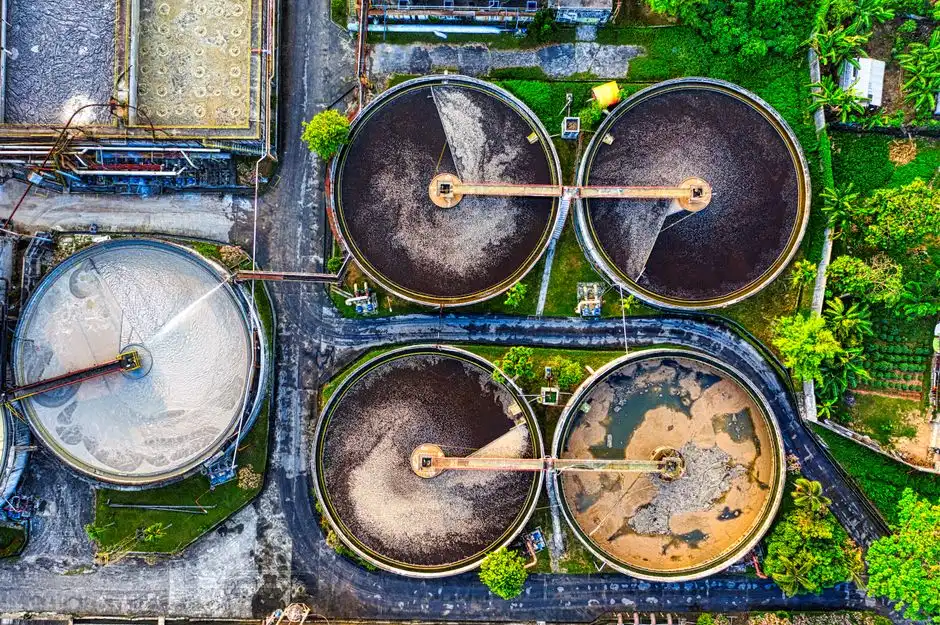
The preferred technology follows from the required effluent quality, available footprint, operating resources and site constraints. No technology should be selected from a mall label alone.
| Decision criterion | SBR | MBR | Buried package treatment |
|---|---|---|---|
| Biological treatment | Batch-activated sludge with separate treatment and settling phases. | Integrated biological treatment and membrane filtration. | WSZ catalog configuration combines anoxic/aerobic contact oxidation, sedimentation and disinfection in one buried unit. |
| Solids separation | Batch settling within the SBR process. | Membrane solids separation. | Sedimentation within the packaged process. |
| Footprint and installation | Requires a treatment layout sized around tanks, equalization and access. | HydropureWater’s 2026 catalog reports a footprint 60% smaller than conventional systems; this is a catalog specification, not a guaranteed project outcome. | The underground package sewage treatment plant is suited where a simple gravity-flow installation is sufficient. |
| Capacity evidence | Must be calculated from project-specific flow, load and cycle data. | HydropureWater’s 2026 catalog lists 10–2,000 m³/day and submerged PVDF filtration below 1 μm. | HydropureWater’s 2026 catalog lists 1–80 m³/h. |
| Main procurement risk | Equalization, batch control, settling, sludge management and odor. | Membrane fouling, cleaning, replacement, power and controls. | Site conditions, gravity drainage, access, loading envelope and disposal route. |
| Best fit question | Can biological treatment and batch settling meet the objective with reliable operation? | Does compact treatment, membrane solids separation or higher-quality discharge or reuse justify added complexity? | Can a buried unit provide the required treatment without a more complex above-ground train? |
SBR has documented mall application evidence through the Campus Hill project. Its advantage is process flexibility and batch settling, while its main risks are equalization design, control complexity, sludge handling and operating consistency. MBR becomes more defensible when membrane solids separation or higher-quality effluent supports a discharge or reuse requirement, but membrane cleaning, replacement and operational controls add complexity.
The MBR membrane bioreactor system should be compared using the same verified mall duty and effluent basis as the SBR. Do not transfer the mall study’s 7.0 L h⁻¹ m⁻² average flux or 40 kPa operating pressure into an SBR bid: they are membrane-test values and do not apply to conventional batch settling.
Compare total lifecycle cost rather than tank price alone. Include sludge handling, odor control, utilities, automation, operator time, membrane or replacement parts, maintenance, site works, discharge compliance and the consequences of failure. The selected route must also match the available footprint, utility access and receiving or reuse arrangement.
Turn the Design Basis into an RFQ
A complete RFQ should force every bidder to state its assumptions, process boundary and acceptance conditions. Ambiguous requests for an “SBR for shopping mall wastewater” invite quotations based on different flow bases, pretreatment scopes and effluent obligations.
Include these project inputs:
- Average and peak flow.
- Operating hours and daily, weekly and seasonal load patterns.
- Influent COD and TSS loading.
- FOG and solids loading.
- Separate tenant-process flows and discharge schedules.
- Required effluent limits and reuse targets.
- Available footprint, burial depth and utility access.
- Receiving-water, disposal or reuse route.
- Odor sensitivity and available operating staff.
Require each supplier to return a process flow diagram, hydraulic and organic loading calculations, tank count, cycle schedule, diffuser and blower details, sludge inventory and wasting strategy, disinfection method, odor-control provisions and redundancy assessment. State that all assumptions must be identified and that calculated design values must be separated from guaranteed acceptance values.
The bidder should also confirm how local discharge, pretreatment and reuse requirements affect the proposed process. The RFQ should not insert a universal regulatory limit because the supplied research establishes no single limit applicable to all mall projects.
Include commissioning tests, monitoring requirements, operator training, spare-parts schedules, maintenance intervals and a performance demonstration under representative loading. Ask what performance is guaranteed, how it will be measured and what corrective action applies if acceptance criteria are not met.
Control and ancillary equipment should be tied to identified duties rather than listed as optional items. A automatic chemical dosing system should be justified by the treatment chemistry and control requirement. Sludge disposal should also be addressed; a sludge dewatering filter press is one candidate where the resulting disposal route and operating model support it.
Finally, require each response to distinguish minimum treatment performance from average daily loading and state what happens during peak flow, power interruption, blower failure and maintenance. That closes the gap between a nominal treatment train and an operable mall facility.
Frequently Asked Questions
What inputs are required to size an SBR for shopping mall wastewater?
Size the SBR from measured average and peak flows, operating hours, COD, TSS, FOG and solids loads, effluent limits, reuse targets and tenant discharge characteristics. Mall floor area or visitor count may support preliminary planning but cannot replace wastewater measurements. For food-processing loads, also review the scope of SBR treatment for food-related wastewater, without transferring its assumptions to the mall.
Can the near-2,000 mg L⁻¹ COD value be used in an SBR quotation?
No. HydropureWater’s 2026 guide identifies near-2,000 mg L⁻¹ COD as an untreated result from samples at one medium-size mall in the Ambiente e Agua study. It is a feasibility reference for further investigation, not a universal design concentration. Obtain site-specific sampling before calculating biological loading.
How should a buyer select an SBR supplier?
Evaluate the complete treatment train rather than tank capacity alone. Request the process flow diagram, loading calculations, cycle controls, sludge strategy, redundancy, commissioning tests, acceptance guarantees, training, maintenance support and spare-parts plan. A supplier should clearly identify assumptions and explain how the proposed system handles peak flow and equipment failure.
When is MBR more defensible than SBR?
MBR is more defensible when compact treatment, membrane solids separation or a higher-quality discharge or reuse requirement justifies the additional process complexity. Compare both options against the same verified mall duty, site constraints and receiving requirement. HydropureWater’s 2026 MBR design guide provides a separate mall-specific MBR evaluation; treatment performance and reuse requirements must still be checked against the applicable local permit.