Start with the discharge objective and wastewater profile
An effluent treatment plant in Douala should be selected only after the wastewater is characterized and the required discharge or reuse outcome is defined. DAF is relevant where oil, grease, FOG, colloids or suspended solids dominate; biological treatment can address biodegradable organics; and MBR can provide compact treatment with submerged PVDF filtration below 1 μm. UF can add a physical barrier using 0.03 μm membranes, while nanofiltration may be considered for advanced polishing. HydropureWater’s relevant systems range from 4–300 m³/h for DAF and 10–2,000 m³/day for MBR. Final sizing, treatment objectives and compliance must be confirmed against project-specific wastewater data, the receiving environment and applicable Douala requirements.
The first decision is not which package has the highest nominal capacity. It is where the treated water will go: a sewer connection, a receiving water, a process reuse, or another application. A reuse claim should identify the intended use and the quality criteria associated with that use; “suitable for reuse” is not a design basis.
Request a representative analysis covering flow, operating and peak flows, pH, suspended solids, COD, BOD, oil and grease, nutrients, and contaminants specific to the industry. Include production batches, cleaning cycles, stormwater entry and any hazardous materials that should be excluded from the treatment train. Those inputs determine equalization, pretreatment and whether a biological process is appropriate.
The 2026 field-characterization-based wastewater design guide applies a useful principle even outside vegetable processing: characterize the source wastewater before selecting a reactor or packaged system.
| Design-basis input | What the buyer must establish | Why it affects selection |
|---|---|---|
| Destination and objective | Sewer, receiving water, process reuse or defined reuse application | Sets the required treatment objective and evidence needed for approval |
| Hydraulic profile | Average flow, operating range, peak flow and batch discharge pattern | Determines equalization and equipment capacity |
| Wastewater analysis | pH, solids, COD/BOD, oil and grease, nutrients and industry-specific contaminants | Links contaminants to the required treatment stages |
| Operations and exclusions | Cleaning cycles, stormwater entry, hazardous-material exclusions and future production changes | Protects the process from hydraulic or contaminant shocks |
Account for Douala's receiving-water context
The Environmental Quality Management study sampled 10 sites in the Wouri estuarine mangrove sector of the Douala Bassa Industrial Zone over two seasons. It assessed physicochemical parameters, chlorophyll a and phytoplankton community structure; temperature and salinity were among the variables subjected to analysis. These observations show why receiving conditions belong in the design basis, but they do not establish a discharge limit or prove that a particular treatment process will meet one.
Require the supplier to state the proposed discharge point, applicable standard, permit conditions and receiving-water assumptions. The supplier should also identify how seasonal variability, salinity, temperature or ecological sensitivity affects equalization, biological activity, membrane operation and monitoring. If the discharge is to a receiving water, confirm the requirements with the relevant authorities and an environmental professional rather than treating the cited study as an approval rule.
For a sewer discharge, ask whether the receiving utility imposes connection conditions that differ from environmental discharge criteria. For process reuse, document the water-quality specification directly with the process owner. In either case, preserve the approved design basis as part of the procurement record.
Map each treatment stage to the contaminant it removes
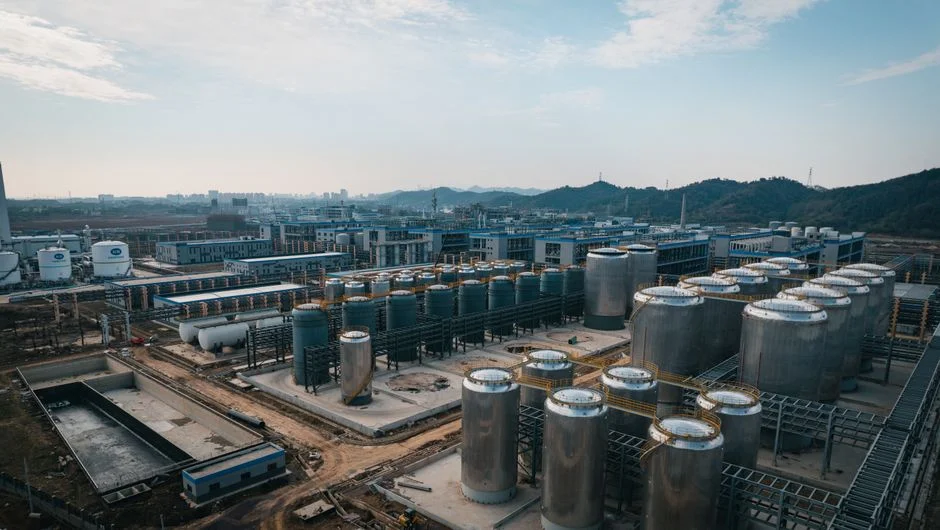
A defensible treatment train follows the waste through source control, equalization, pretreatment, biological treatment where appropriate, solids separation, filtration or polishing, disinfection where required, and monitored final treatment. Each stage should have a defined contaminant-removal duty and an agreed performance test.
HydropureWater’s industrial DAF system for oily and solids-rich wastewater is designed for suspended solids, FOG, oil and grease, and colloidal matter across 4–300 m³/h and 13 standard models. DAF is therefore a candidate when physical separation must precede biological or membrane treatment. Its suitability still depends on wastewater characteristics, coagulant use, recovered-solids handling and the required removal performance.
The MBR wastewater treatment system combines activated-sludge treatment with submerged PVDF membrane filtration, with filtration below 1 μm and a listed capacity of 10–2,000 m³/day. It fits projects requiring biological treatment and solids separation in a compact train, subject to pretreatment, aeration, sludge handling, membrane maintenance and reject-water management.
Where a physical barrier is required without chemical cleaning, the ultrafiltration polishing system uses 0.03 μm PVDF membranes, automatic backwash and air scour across a listed range of 2,000–40,000 L/h. UF should be evaluated after upstream treatment because it is a polishing barrier, not a substitute for removal of oil, FOG, colloids or biodegradable organics.
University of Twente research describes nanofiltration as suitable for polishing wastewater treatment plant effluent and investigating effluent reclamation for agricultural or direct or indirect potable uses. That evidence concerns polishing already treated effluent, not treating raw industrial wastewater. A 2026 nanofiltration engineering guide can support project-specific evaluation, but reuse claims still require validation.
A Wageningen University and Research thesis published on 23 September 2022 investigated constructed wetlands for micropollutant removal from wastewater treatment plant effluent. This supports evaluation of the technology, not its selection as a default Douala process.
| Stage | Contaminants addressed | Applicable evidence |
|---|---|---|
| DAF pretreatment | Suspended solids, FOG, oil and grease, colloidal matter | HydropureWater: 4–300 m³/h across 13 standard models |
| Biological treatment within MBR | Biodegradable organics | HydropureWater MBR: 10–2,000 m³/day |
| MBR membrane separation | Physical separation below 1 μm | Submerged PVDF filtration |
| UF polishing | Physical separation using 0.03 μm membranes | HydropureWater UF: 2,000–40,000 L/h |
| Nanofiltration polishing | Polishing of already treated wastewater treatment plant effluent | University of Twente research on effluent reclamation |
Compare treatment options by application and constraint
No treatment technology is universally suitable for industrial wastewater. Select a process by asking what contaminants dominate, what quality must be achieved, what utilities and footprint are available, and how residual solids, chemicals or membrane concentrate will be handled.
The 2026 DAF versus clarifier comparison illustrates why application-specific evidence matters: a technology used for one wastewater duty cannot be transferred to another without matching feed conditions and treatment objectives. For Douala industrial wastewater, that means rejecting generic package claims that do not state the feed conditions behind them.
| Option | Best-fit wastewater | Principal mechanism | Project role | Main constraints and evidence to request |
|---|---|---|---|---|
| DAF | Oil-bearing, FOG-rich, colloidal or solids-rich wastewater | Physical separation of floatable material and solids | Pretreatment before biological or membrane treatment | Feed characterization, chemical dosing, flotation performance, recovered-sludge handling |
| Biological treatment | Wastewater with biodegradable organics within the process envelope | Microbiological conversion of biodegradable pollutants | Primary organics removal where suitable | Biodegradability, temperature, pH, nutrients, aeration, biomass separation and sludge handling |
| MBR | Biodegradable organics requiring biological treatment and solids separation | Activated sludge combined with submerged PVDF filtration below 1 μm | Compact biological treatment and solids separation | Listed range of 10–2,000 m³/day; pretreatment, aeration, membrane cleaning, standby and sludge removal |
| UF | Already treated wastewater requiring a physical separation barrier | Filtration through 0.03 μm PVDF membranes | Polishing | Listed range of 2,000–40,000 L/h; feed quality, backwash, air scour, membrane replacement and energy |
| Nanofiltration | Already treated wastewater treatment plant effluent | Fine membrane separation | Advanced polishing and evaluated reclamation | University of Twente evidence supports polishing; require project validation for the intended reuse |
Every proposal should identify design flow, target contaminants, treatment objectives, footprint, utilities, automation, monitoring, sludge or concentrate handling, and commissioning evidence. Do not select a membrane process until pretreatment and residual-water management have been resolved; otherwise, fouling and operating costs can undermine the nominal process benefit.
Turn the design basis into a supplier-ready specification
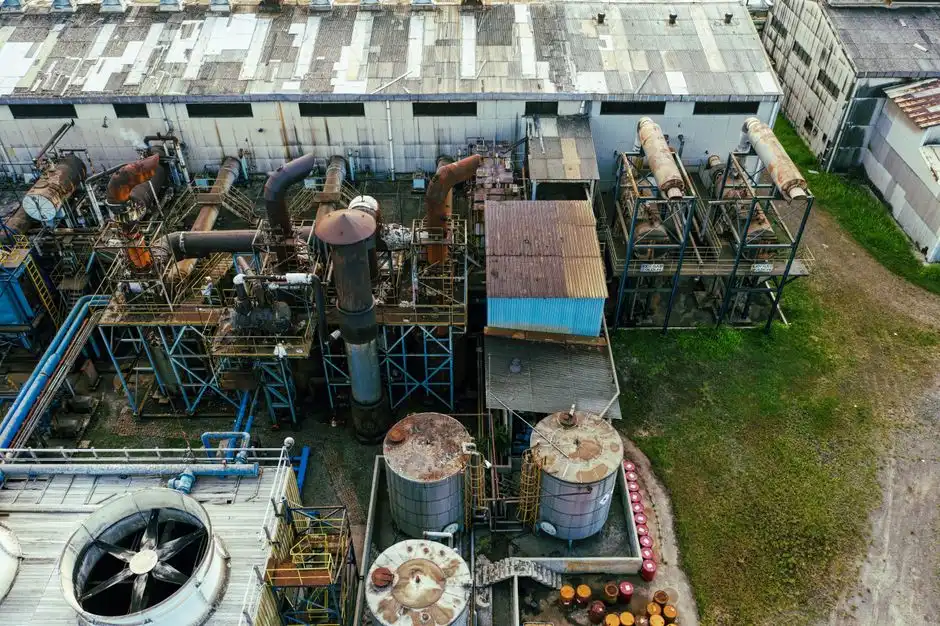
Comparable quotations begin with the same design basis. Include measured flow data, wastewater analyses, operating schedule, available footprint, utilities, installation constraints, treatment objective, applicable standard, discharge point and future-expansion provisions. Missing information should remain visibly identified rather than being replaced by generic assumptions.
The Douala commercial listing reviewed for this guide describes mini and packaged ETP options and a site inspection before a tailored recommendation. Use that site-inspection and documented-customization approach as a supplier-selection criterion, not as proof of treatment performance. Ask each supplier to state the guaranteed duty and the feed conditions supporting that guarantee. Reject unsupported claims that a package removes unspecified contaminants or makes all effluent potable.
Request a conceptual process flow, complete equipment list, materials of construction, control philosophy, utility consumption, waste streams, maintenance requirements, spare parts and commissioning protocol. Clarify whether pretreatment, biological treatment, filtration, disinfection, controls, sludge handling and site utilities are included or supplied by others. The integrated sewage treatment package and PLC-controlled chemical dosing skid illustrate why package boundaries and integration details belong in the bid.
| Required submission | Minimum clarification |
|---|---|
| Process and equipment basis | Design flow, feed conditions, target contaminants, treatment objective, process flow and complete equipment list |
| Performance evidence | Guaranteed duty, test method, acceptance criteria and supporting feed data |
| Civil and utility interface | Footprint, loading, access, electrical supply, water, drainage, drainage disposal and installation responsibilities |
| Operations | Controls, monitoring, chemicals, sludge, membrane cleaning, operator competence, maintenance and spare parts |
| Approvals and handover | Permit support, sampling, installation, training, performance testing and post-commissioning support |
Evaluate delivery, commissioning and operating risk
Purchase price is only one component of delivery risk. Before accepting a quotation, confirm shipping arrangements to Douala, installation responsibilities, civil-work interfaces, utility connections, local approvals and commissioning support. Assign responsibility for any gap between supplier scope and the plant contractor’s scope.
Agree how factory and site acceptance tests will demonstrate the stated treatment objective. The protocol should identify instruments, sampling points, test methods, acceptance criteria, operating conditions and ownership of test data. A headline capacity is not evidence that the complete treatment train meets the project objective.
Review chemical use, sludge production, membrane cleaning, cartridge or media replacement, operator-skill requirements and spare-parts availability. An automatic chemical dosing skid can document integration features such as PLC control and factory testing, but site utility availability and control interfaces still require verification.
The integrated sewage package is described as fully automated, while the MBR system has a listed capacity of 10–2,000 m³/day. Verify the proposed automation philosophy and operating requirements rather than inferring them from the product class. If sludge dewatering is included, evaluate the industrial sludge dewatering filter press against the actual sludge characteristics, operating schedule and cake-disposal route.
Frequently Asked Questions
What information is needed to size an industrial ETP in Douala?
Request measured average, operating and peak flows; representative wastewater analyses; production and cleaning schedules; discharge or reuse criteria; available footprint; utilities; and future expansion provisions. A nominal m³/h capacity is not enough: equalization and peak discharge conditions may control equipment sizing, while contaminant concentrations determine pretreatment and biological loading.
How should a buyer compare DAF, biological treatment, MBR and UF?
Compare each option against the same contaminant-removal duty and final water-quality objective. DAF is a physical pretreatment option for oil, FOG, colloids and suspended solids; biological treatment addresses biodegradable organics; MBR combines biological treatment with submerged PVDF filtration below 1 μm; and UF provides 0.03 μm physical filtration as a polishing barrier. Request feed-condition-specific performance evidence rather than comparing names alone.
How should budget and compliance risk be checked before ordering?
Ask for a cost breakdown that separates equipment, civil works, installation, shipping, commissioning, chemicals, utilities, sludge handling, operator training and long-term consumables. Also require the supplier to identify the applicable discharge standard, permit assumptions, sampling method and acceptance criteria. No defensible price can be calculated from the supplied research because it provides no Douala quotation, so request a quotation against the completed design basis and clarify exclusions and commercial risks.
Which supplier-selection checks matter before award?
Require evidence of similar feed conditions, a site-specific process flow, a complete scope and supply list, utility and waste-stream data, commissioning protocol, operator training, spare-parts support and performance-testing responsibilities. A documented site inspection and customization process are useful indicators, but they do not replace technical evidence or confirmation that the supplier will support permits, installation and post-commissioning obligations.