
Which Treatment Train Fits a Jacksonville Plastics or Rubber Plant?
For Jacksonville plastics and rubber facilities, MBR is usually preferable when consistent solids separation, a compact installation, or non-potable water reuse is required; conventional activated sludge is generally the lower-capital option when wastewater is stable, space is available, and discharge to a sewer with adequate limits is the goal. MBR retains more biomass and suspended solids and separates effluent with membranes rather than gravity clarification, but it also adds membrane fouling controls, cleaning chemicals, pumping, and replacement costs. The decision must follow wastewater characterization, the actual Jacksonville permit or sewer limits, and pretreatment needs—not generic equipment claims alone.
Both treatment trains still need industrial segregation, screening, equalization, pH correction, biological treatment, and solids handling. An MBR replaces secondary clarification with membrane separation; it does not replace the biological reactor or make problematic wastewater biodegradable. CAS remains the appropriate baseline where the influent is uniform, gravity settling is reliable, land is available, and sewer discharge is permitted without additional polishing.
Before selecting equipment, confirm the discharge route, current permit or sewer limits, industrial user requirements, and any reuse specification. The supplied research does not verify site-specific Jacksonville limits, so permit values associated with Sugar Hill, Georgia must not be transferred to a Jacksonville project. Use the 2026 MBR cost and selection guide to frame the comparison, but make the final decision from site data.
What Makes Plastics and Rubber Wastewater Difficult to Treat?
Plastics and rubber wastewater is difficult because a plant can combine soluble production chemicals with material that a biological reactor or clarifier cannot safely capture. The decisive information is the composition, variability, and toxicity of each source stream—not the sector label alone.
Request process-specific characterization covering COD, BOD₅, TSS, oil and grease, surfactants, pH, temperature, flow variation, toxicity, and the biodegradable-to-inhibitory COD fraction. Map washdown from compounding or extrusion, latex and polymer-emulsion residues, pellet and fiber carryover, cleaning chemicals, and rejected batches separately. A composite sample can conceal a production slug that destabilizes biology or blocks membrane flow.
| Wastewater feature | Primary consequence | Information required before selection |
|---|---|---|
| Plastic pellets and short fibers | Screen blockage, clarifier carryover, and membrane fouling | Source, generation rate, particle size, and capture method |
| Polymer emulsions and free latex | Hydrophobic fouling, foaming, and adverse biological response | Emulsion properties, surfactant level, and separation trial |
| Free oil and grease | Sludge deterioration and membrane coating | Oil source, concentration, and recoverability |
| Filler and mineral residues | Sludge loading and abrasive wear | Inorganic fraction and grit characteristics |
| Cleaning chemicals | pH and toxicity shocks | Chemical inventory, dosing, and segregation |
| Batch discharges | Equalization demand, biomass upset, and flux decline | Production cycle, slug frequency, and peak load |
The HydropureWater plastics comparison describes pellet and short-fiber carryover, polymer emulsions, surfactant residues, and variable pH as possible wastewater features. Treat those observations as a secondary screening reference, not as measurements for the Jacksonville site. The accompanying DAF versus clarifier for plastics wastewater comparison is useful when evaluating whether flotation should precede biological treatment.
Mixing and equalization testing must cover both production and washdown cycles. Pellets, fibers, filler, free oil, and latex agglomerates create different pretreatment duties. Neither an MBR nor a clarifier can compensate for an inadequately engineered headworks.
How MBR and Conventional Activated Sludge Work Differently
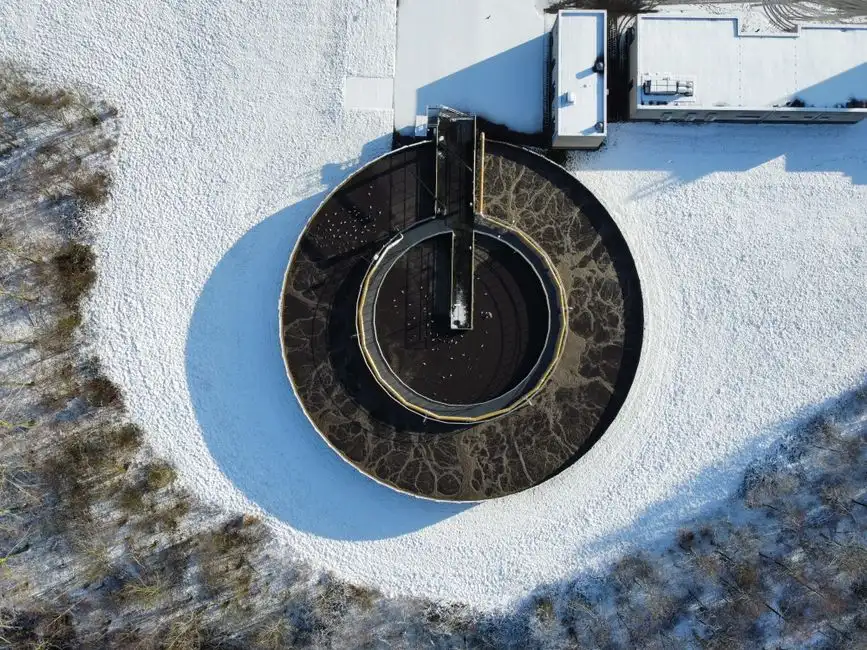
Conventional activated sludge combines aerobic biological oxidation, gravity clarification, and return activated sludge; MBR combines an aerated biological reactor with membrane separation.
In CAS, microorganisms oxidize biodegradable organics in an aeration basin. Biological floc then settles in a secondary clarifier, and part of the settled biomass returns to the reactor. Effluent clarity therefore depends on sludge settleability, hydraulic conditions, and clarifier performance.
Parsons describes MBR systems as aerated biological reactors coupled to membrane modules. Submerged membranes draw permeate through suction, while side-stream configurations pump mixed liquor through external modules. The membrane retains biomass and suspended solids, allowing higher mixed-liquor suspended solids and longer solids retention time than a conventional system while decoupling effluent clarity from settling behavior.
MBR biology still follows activated-sludge fundamentals. Aerobic zones oxidize biodegradable organics and convert ammonia to nitrate; anoxic zones support denitrification; and anaerobic zones can support phosphorus accumulation when required. Biological staging must therefore reflect the site’s nitrogen and phosphorus objectives rather than membrane selection alone.
The premium paid for MBR buys separation control, compactness, and reuse potential. It does not guarantee biodegradation of every polymer additive. An MBR and SBR side-by-side comparison can help distinguish the biological and separation functions, but the selected process still needs to be sized around measured wastewater characteristics.
Performance, Footprint, and Operating-Cost Comparison
MBR costs more in installed capital and membrane-related operating items, but its footprint and separation performance can create value where space, reuse, or effluent consistency controls the decision.
| Parameter | Conventional activated sludge | MBR | Source and limitation |
|---|---|---|---|
| Mechanism | Gravity clarification | Membrane separation | Parsons, accessed 2026; HydropureWater comparison, 2026 |
| MLSS | 2,500–4,000 mg/L | 8,000–12,000 mg/L | HydropureWater comparison, 2026; comparative values, not Jacksonville guarantees |
| SRT | Not stated in the supplied comparison | Commonly 20–40 days | HydropureWater comparison, 2026 |
| Waste activated sludge mass | Baseline | Roughly 20–30% lower at equal load | HydropureWater comparison, 2026 |
| Effluent microplastics | Approximately 1 MP/L | Approximately 0.4 MP/L | Lares et al., 2018, as reviewed in HydropureWater comparison, 2026; excerpt does not establish Jacksonville applicability |
| Direct GHG emissions | 0.85 kgCO₂eq/m³ | 0.91 kgCO₂eq/m³ | Mannina et al., 2020, as reviewed in HydropureWater comparison, 2026; excerpt does not establish Jacksonville applicability |
| Integrated capacity | Not stated | 10–2,000 m³/day | HydropureWater verified product catalog, 2026; supplier range |
| Filtration | Not stated | Below 1 μm | HydropureWater verified product catalog, 2026; supplier claim |
| Footprint | Conventional-system baseline | 60% smaller | HydropureWater verified product catalog, 2026; supplier claim requiring site-layout verification |
These values support a screening comparison, not a performance guarantee. The catalog capacity, filtration claim, and footprint reduction describe the supplier’s integrated product; they do not establish the correct capacity or layout for a Jacksonville facility. The microplastic and GHG figures likewise come from cited comparative work summarized in the HydropureWater article and should not be represented as local compliance projections.
Parsons reports that MBR capital cost can be higher and energy use can exceed CAS because of aeration and pumping. It also identifies membrane replacement, chemical use, maintenance, staffing, residuals handling, and the value of compliance as lifecycle considerations. These costs should be priced separately rather than hidden behind an installed-cost comparison. The MBR membrane lifespan and maintenance factors discussion is relevant to the replacement allowance.
Request quotations using the site’s actual flow, peak and batch conditions, reuse target, membrane configuration, cleaning program, biological loading, and residual-disposal route. Without those inputs, a defensible MBR-versus-CAS price cannot be stated.
Pretreatment That Prevents Membrane and Clarifier Failure
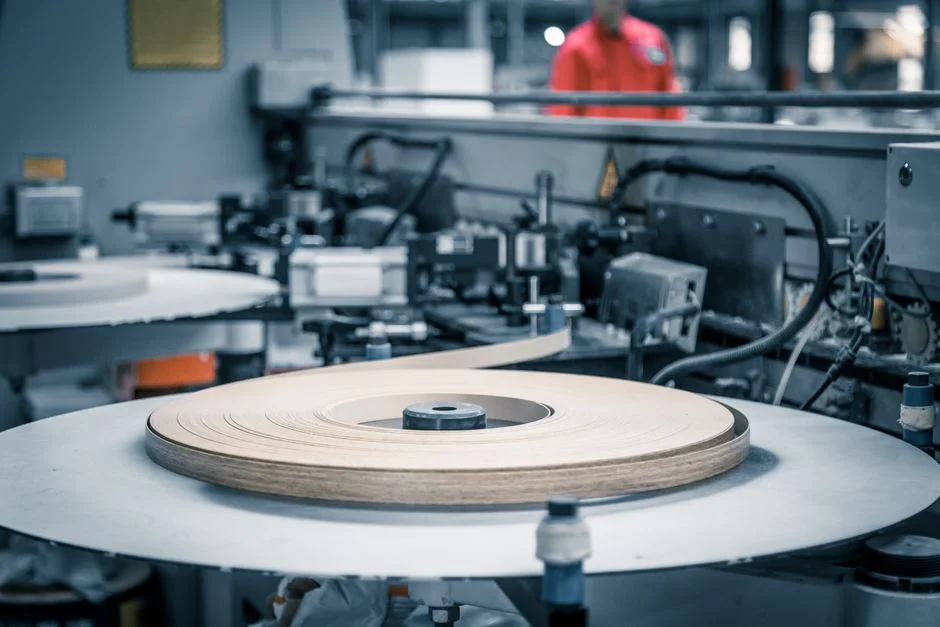
A defensible treatment train removes damaging material before it reaches the biological reactor or separation step.
The process flow is: industrial segregation and screening → equalization and pH correction → oil, grease, free latex, or emulsion removal as required → biological treatment → MBR or CAS solids separation → disinfection or reuse treatment where required. The exact sequence depends on the wastewater characterization; it is not a universal recipe.
| Process stage | Function | Design input |
|---|---|---|
| Industrial segregation and screening | Remove pellets, fibers, rags, and suspended debris before treatment | Debris type, particle size, peak generation rate |
| Equalization and pH correction | Blend production and washdown flows and protect biological treatment | Batch volume, duration, flow series, pH range |
| Flotation or oil-water separation | Remove free oil, FOG, free latex, and suitable colloidal matter | Oil and emulsion characteristics, surfactant level, separation test |
| Biological treatment | Oxidize biodegradable organics and address nutrients | COD, BOD₅, toxicity, nitrogen, phosphorus, SRT |
| MBR or CAS separation | Separate biomass and solids from treated water | Flux or settling criteria, hydraulic loading, solids inventory |
| Residuals treatment | Thicken and dewater captured solids and waste sludge | Solids production, destination, dewatering performance |
The GX rotary mechanical bar screen is intended to capture plastics, fibrous debris, rags, and suspended solids before biological treatment or membrane modules. A DAF pretreatment for industrial wastewater can remove suspended solids, FOG, oil and grease, and colloidal matter; the published range is 4–300 m³/h across 13 standard models.
Neither screening nor flotation establishes biological compatibility. The HydropureWater comparison identifies inadequate pretreatment as a leading cause of MBR clogging and premature membrane replacement. If emulsion, oil, or toxic chemistry remains excessive, the biological stage and membrane will remain at risk.
Retained biomass and captured solids also require a final route. Specify thickening, dewatering, approved disposal, or another treatment method as part of the plant—not after commissioning. A plate-and-frame filter press may be evaluated for applicable solids, subject to pilot performance and residual acceptance.
Use a Site-Specific Decision Framework
A plant selection should follow five documented decisions, with each decision closing before the next begins.
| Step | Required decision | Evidence needed |
|---|---|---|
| 1. Define the objective | Set the required effluent quality, reuse percentage, available footprint, receiving route, and production-change assumptions | Permit, sewer agreement, reuse specification, site plan |
| 2. Characterize the worst case | Determine whether either process is technically viable | COD, BOD₅, TSS, oil and grease, surfactants, pH, toxicity, batch frequency, pellet and fiber carryover, and temperature |
| 3. Screen the options | Choose CAS where settling, space, and receiving limits work; choose MBR where separation, reuse, or space makes clarification or tertiary treatment necessary | Mass balance, hydraulic profile, footprint plan, preliminary limits check |
| 4. Price the full train | Compare lifecycle cost rather than equipment price alone | Pretreatment, reactor, membranes or clarifier, blowers, pumps, chemicals, controls, sludge handling, energy, labor, replacement, and contingency |
| 5. Validate | Test the selected operating assumptions with site wastewater or a justified pilot | Flux, cleaning frequency, biological loading, peak operation, and reuse performance |
Screen CAS first where there is no reuse requirement, the wastewater is relatively uniform, land is available, and reliable clarification can meet the applicable limits. Select MBR when membrane separation eliminates a need for tertiary polishing, supports the specified non-potable reuse, or avoids a larger clarification footprint.
Reject either option if pretreatment cannot control fouling, toxicity, oil, latex, or solids. In that case, the correct decision is to improve the upstream train rather than force a biological or membrane purchase.
Require bidders to test their assumptions against actual wastewater. An integrated PVDF MBR wastewater treatment system should be selected on verified site performance, available space, controls, residuals handling, and support—not on the generic claim of near-reuse quality.
Jacksonville Procurement and Compliance Checklist
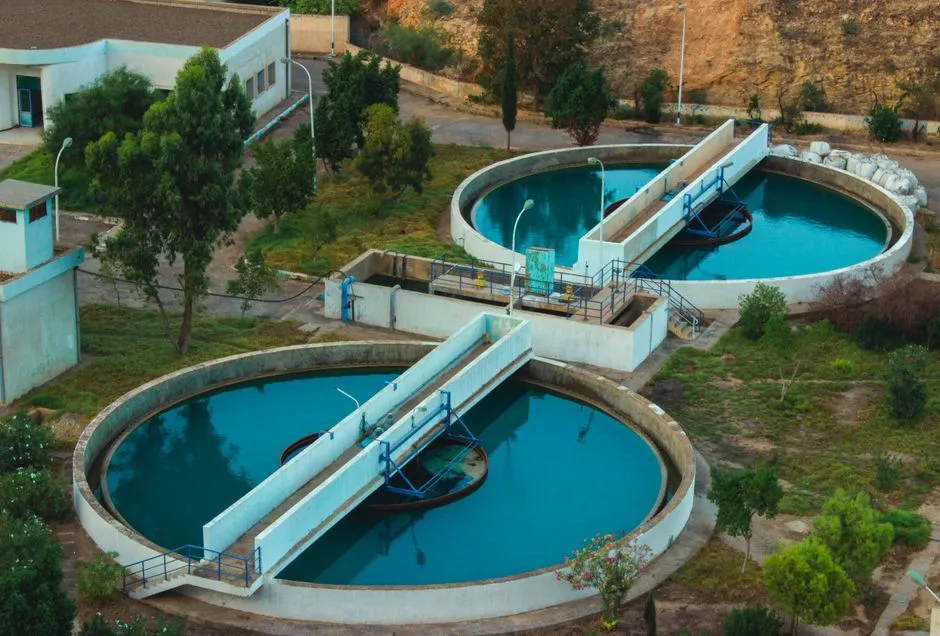
The supplied research does not establish site-specific Jacksonville discharge limits, so the receiving route must be confirmed before technology selection.
- Confirm with the Jacksonville authority having jurisdiction or receiving sewer whether discharge is direct, through a pretreatment system, or under an industrial user permit.
- Determine whether plastics, rubber, latex, finishing, or metal-finishing operations trigger applicable national pretreatment programs or local discharge requirements.
- Obtain current permit language, sewer limits, surcharges, monitoring requirements, and renewal history; do not rely on generic state or federal thresholds.
- Identify the plant’s actual SIC/NAICS activities and production processes before applying any federal categorical pretreatment standard.
- Require bidders to define design flow, peak flow, equalization volume, loading basis, membrane type and area, design flux, cleaning chemistry, backup strategy, expected membrane life, and performance guarantees.
- Keep reuse claims tied to a defined end use and water-quality specification. MBR effluent is not automatically suitable for every non-potable application.
The Jacksonville-area sewer-limit analysis framework illustrates why receiving requirements must be checked with the responsible authority. Sugar Hill-specific examples in the ranking article are not a Jacksonville determination.
Frequently Asked Questions
How much more does an MBR cost than conventional activated sludge for a Jacksonville plastics plant?
No defensible price difference can be stated without site inputs and vendor quotations. Parsons states that MBR capital cost can be higher because of membranes and automation, while operating energy can exceed CAS because of aeration and pumping. Ask each bidder to price the complete train using design flow, batch variability, biological loading, membrane area and configuration, cleaning chemistry, residuals handling, staffing, and the reuse objective. Compare those quotations over a common operating horizon and include membrane replacement as a separate lifecycle item.
When does CAS outperform MBR for plastics and rubber wastewater?
CAS is the stronger economic choice when the wastewater is sufficiently uniform, settling remains reliable, land is available, and the applicable receiving limits can be met without tertiary polishing. Its membrane-free separation step avoids membrane cleaning and replacement costs. This choice still depends on effective screening, equalization, pH control, and removal of oil, latex, pellets, and fibers before the clarifier.
What pretreatment is required before an MBR?
At minimum, protect the membranes from solids and damaging chemistry with industrial segregation, suitable screening, equalization, and pH correction. Add flotation, oil-water separation, or other emulsion treatment when characterization shows free oil, FOG, free latex, or excessive colloids. The required configuration must be established from site tests rather than from a generic plastics-wastewater assumption.
How should an equipment supplier size the MBR?
Size the treatment train from measured flow and mass-loading scenarios, including production and washdown peaks, and verify membrane area against the supplier’s design flux and site wastewater. Require the quotation to state flow basis, equalization, biological configuration, membrane type and area, design flux, cleaning assumptions, redundancy or backup strategy, and performance guarantees. Use the 2026 MBR cost and selection guide as a quotation checklist, not as a substitute for site design data.
What Jacksonville permit information should be included before comparing bids?
Include the current discharge authorization or industrial user permit, receiving sewer limits and surcharges, monitoring and reporting conditions, discharge route, applicable pretreatment requirements, and the proposed reuse specification. Obtain these documents from the responsible Jacksonville authority or receiving sewer and identify the plant’s actual activities and production processes. Do not copy permit values from another jurisdiction, including Sugar Hill, Georgia.