Which Rules Control a Jacksonville Mine or Metals Discharge?
Mining and metals facilities near Jacksonville cannot design pretreatment from one federal limit alone. The governing sequence is to identify whether the discharge goes directly to surface waters or through the JEA-owned publicly owned treatment works, then apply federal pretreatment prohibitions, any applicable categorical or mining effluent requirements, and current JEA local limits. Equipment selection follows only after the receiving sewer, permit status, parameter limits, and monitoring duties are confirmed.
A direct discharge generally falls under an NPDES permit administered by the Florida Department of Environmental Protection, with federal mining or stormwater provisions incorporated as applicable. An indirect discharge through JEA requires local pretreatment authorization and compliance with federal pretreatment rules and JEA conditions. The US EPA industrial wastewater guidance provides the NPDES framework, while the project engineer must verify the current receiving authority and permit status for the actual outfall.
Federal pretreatment rules are a floor, not the complete specification. The general prohibitions in 40 CFR 403.5 address pass-through and interference at the POTW. Applicable categorical standards or 40 CFR Part 436 provisions may add parameter limits, but the research identifies seven mining subparts reserved without current numeric effluent limits: Dimension Stone, Lightweight Aggregates, Lithium, Ball Clay, Feldspar, Talc/Steatite/Soapstone/Pyrophyllite, and Garnet (EPA, 2026-02). For those operations, permit conditions and the receiving authority’s local limits may therefore control the entire compliance case.
The Jacksonville chemical-plant study illustrates how local requirements can govern, but its values are not universal mining limits. It reports a JEA pH range of 6.0–9.0, total chromium below 1.0 mg/L, FOG below 100 mg/L, and a 250 mg/L BOD/TSS surcharge threshold (HydropureWater, 2026). The 2025 wastewater discharge standards guide is useful background, but current JEA limits, permit conditions, monitoring frequency, and discharge authorization must be confirmed during design.
| Discharge path | Documents to verify | Engineering consequence |
|---|---|---|
| Direct to surface waters | Current NPDES permit and applicable federal, state, and stormwater conditions | Define each regulated outfall and any permit-specific averaging or monitoring requirement |
| Through JEA | JEA pretreatment permit, current local limits, applicable categorical or mining requirements, and sewer-use approval | Base the guarantee envelope on the most restrictive confirmed requirement |
| Mixed or unconfirmed route | Property drainage records, process-flow maps, sewer agreements, and regulator confirmation | Resolve jurisdiction before sizing; do not assume stormwater and process wastewater share one permit |
Characterize Each Wastewater Stream Before Sizing Equipment
Mining wastewater must be characterized by source because drainage, process water, tailings effluent, and dewatering discharge behave differently. The Enterprise mining study identifies mine drainage, ore-processing water, tailings-pond effluent, and dewatering discharge as four distinct influent profiles needed for accurate supplier pricing (HydropureWater, 2026-02). A blended site sample can conceal an acidic dewatering slug, reagent residue, or high-TDS bleed from tailings.
Acid mine drainage can carry iron, manganese, copper, zinc, arsenic, and cadmium, while ore-processing water may contain high TDS and reagents such as cyanide, ammonia, or chloramines (AMPAC USA, 2025-09). Those constituents require different controls: acidity and metals may call for pH adjustment and precipitation, suspended fines require solids separation, and reagents may impose separate treatment or monitoring requirements.
The investigation should use flow-weighted sampling, with sufficient operating-history data to identify the highest anticipated daily discharge and short-duration peaks. For every stream, request peak and average flow in m³/h, representative pH and metal results, local sewer limits, and the desired recovery percentage where reuse is in scope. The mining and metals pretreatment guide for Pevely shows the same stream-specific approach without transferring its local limits to Jacksonville.
Submit each stream for metals-and-minerals analysis, conductivity or TDS, suspended solids, acidity, and process-reagent characterization. Evaluate storm-driven inflow separately where it can reach the regulated outfall. Do not size against a single historical average; equalization must be checked against batch discharges and the hydraulic contribution from the drainage area.
| Wastewater profile | Constituents or risks to establish | Required design data |
|---|---|---|
| Mine drainage | Acidity, metals, suspended solids, storm-driven variability | Flow-weighted acidity and metals, pH, TSS, peak discharge |
| Ore-processing water | Reagents, TDS, metals, variable pH | Complete reagent inventory, conductivity/TDS, metals, batch and continuous flow |
| Tailings-pond effluent | Fine solids, leached metals, processing chemicals | Representative solids and chemistry, settling behavior, discharge frequency |
| Dewatering discharge | Acid slugs, metal loading, geology-dependent composition | Event sampling, pumping records, peak flow, constituent profile |
Build a Treatment Train Around the Contaminants
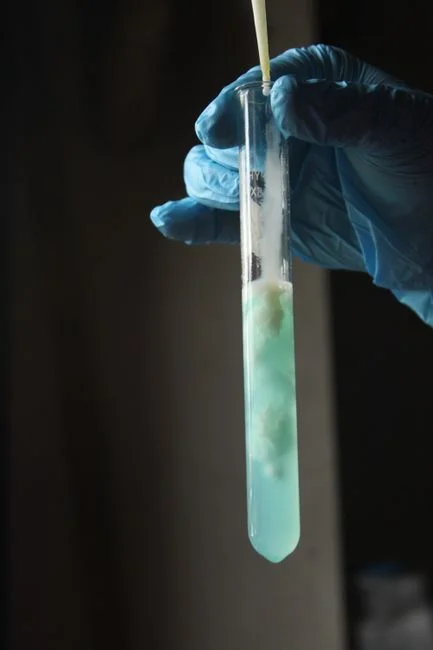
A defensible mining treatment train begins with equalization and controlled pH adjustment, then separates the functions of chemistry, solids removal, filtration, and dissolved-load polishing. The Enterprise mining treatment research describes raising pH above 10 in acid mine drainage applications to promote metal-hydroxide precipitation and gypsum dropout, but that value must be confirmed by jar testing and the site’s permit range (PMC review, 2024-02). Coagulation and flocculation then convert suspended solids and fine metal particles into flocs suitable for the selected separator.
DAF is appropriate when flocs are buoyant, floatable fines dominate, or oil-bearing wastewater is present. For the Jacksonville chemical-plant context, the research cites an air-to-solids ratio of 0.02–0.06 and surface hydraulic loading of 15–25 m³/m²·h (HydropureWater engineering design standards, 2026). Those values are design inputs for that context, not automatic Jacksonville mining criteria. The comparison of DAF and clarifiers for mining wastewater explains why floatability and oil loading drive the DAF decision.
A high-efficiency lamella clarifier becomes attractive for dense metal-hydroxide sludge when footprint and sludge volume govern the design. The Enterprise study cites surface loading of 20–40 m/h and up to 30% lower coagulant consumption than conventional basins (Genesis Water Technologies, 2025-11). A jar and pilot comparison should establish the actual floc density, settling or flotation behavior, and chemical demand before that selection is fixed.
Multimedia filtration protects downstream membranes by reducing suspended material and colloids. The design basis should specify target SDI after the filter, rather than treating inlet turbidity as a substitute (HydropureWater, 2026-02). UF can provide a finer barrier for colloids and suspended solids, but it does not replace RO where residual dissolved metals or conductivity remain the compliance issue.
RO is appropriate when residual dissolved metals or salts must be reduced. The research reports more than 99% rejection of dissolved metals and salts, 50–70% recovery for AMD feed, and 70–85% recovery when RO precedes a thermal zero-liquid-discharge system (AMPAC USA, 2025-09). Selection depends on feed chemistry, recovery objective, concentrate destination, pretreatment, and energy demand.
The train should include monitored chemical dosing, flow, pH, conductivity, automatic controls, and sludge dewatering. A PLC-controlled automatic chemical dosing system should integrate pH and coagulation control rather than operate as an isolated skid. The coagulant dosing system design criteria and the multimedia filtration guide support that integration.
| Process step | Selection condition | Design and operating evidence |
|---|---|---|
| Equalization and pH adjustment | Variable discharge, acidic influent, or batch releases | Peak/average flow, acidity, jar-test pH response, chemical demand, equalization volume |
| Coagulation and flocculation | Fine particles require a separable floc | Jar and pilot results, mixing criteria, coagulant/flocculant range, sludge properties |
| DAF | Buoyant flocs, floatable fines, or oil-bearing flow | A/S ratio, surface loading, bubble generation, skimming, polymer compatibility |
| Lamella clarification | Dense metal-hydroxide sludge with no significant oil loading | Surface loading, plate spacing, sludge withdrawal, expected sludge volume |
| Multimedia filtration or UF | Suspended solids or colloids threaten membranes | Target outlet SDI, backwash or cleaning needs, feed and filtrate quality |
| RO | Dissolved metals or salts remain after clarification | Recovery curve, rejection basis, feed chemistry, concentrate management, pretreatment |
Match DAF, Lamella Clarification, and Membrane Treatment to the Risk
DAF and lamella clarification solve different separation problems. DAF is the research-supported choice for buoyant flocs, floatable fines, or oil-bearing streams; lamella clarification is preferred for dense metal-hydroxide sludge when footprint and sludge volume are the controlling constraints (Genesis Water Technologies, 2025-11). The deciding data are the observed floc behavior, oil and solids loading, hydraulic variation, and resulting sludge—not the generic identity of the mineral.
Clarification does not itself remove all dissolved metals. Precipitation must first convert dissolved species into a filterable or settleable form. If residual dissolved load or conductivity remains outside the confirmed sewer requirement, RO may be necessary after filtration. Its recovery should follow the objective: the supplied mining research reports 50–70% for AMD feed and 70–85% when RO is the stage preceding thermal zero-liquid-discharge (AMPAC USA, 2025-09).
Operating burdens also distinguish the options. DAF depends on reliable microbubble generation, polymer compatibility, and effective skimming. Lamella systems depend on controlled sludge withdrawal and adequate plate handling. RO requires protected feed, membrane maintenance, energy, and a defined concentrate-management path. Ask each supplier for a recovery curve, comparable operating references, guaranteed outlet values for the governing parameters, and an explicit controls scope. See the DAF-versus-clarifier decision guide for the separation criteria.
| Risk or objective | Preferred treatment | Key failure mode to manage |
|---|---|---|
| Buoyant fines or oil loading | DAF | Poor bubble attachment, polymer incompatibility, or inadequate skimming |
| Dense metal-hydroxide sludge | Lamella clarification | Incomplete sludge withdrawal or floc behavior inconsistent with design |
| Colloids before RO | Multimedia filtration, with UF if needed | Excess fouling from unresolved suspended material |
| Residual dissolved metals or salts | RO | Poor feed quality, scaling, concentrate management, or membrane fouling |
Design for Monitoring, Sludge, and Jacksonville Site Conditions
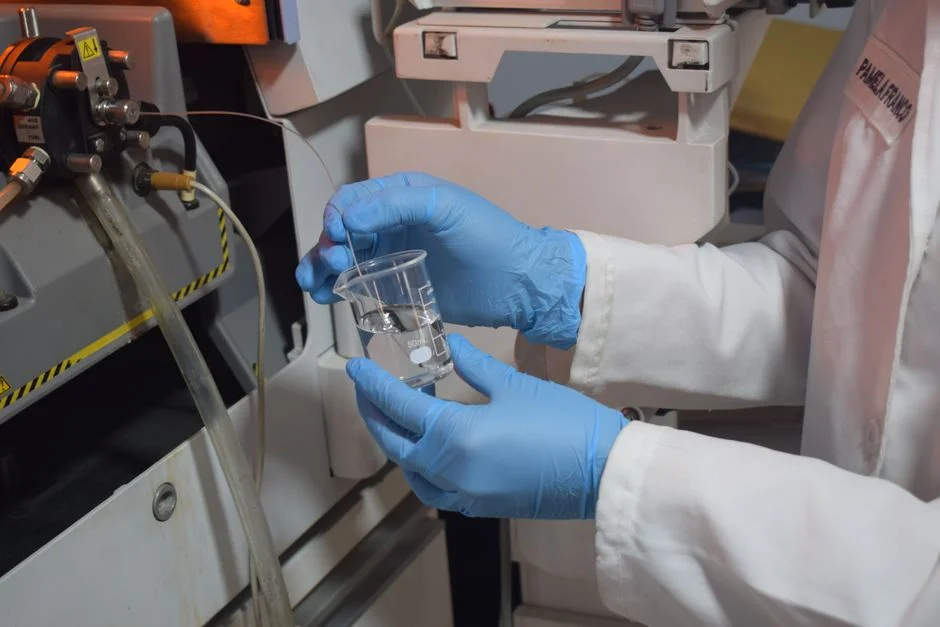
Monitoring and residuals must be designed as part of the treatment system. The Enterprise mining research specifies a PLC-controlled chemical-dosing skid connected to an HMI, with continuous pH, flow, and conductivity monitoring, plus alarms and automatic equalization controls for batch or storm-driven variation (LiqTech, 2025-08). Instrument locations and data reporting should match the current JEA permit rather than being selected from generic control-panel templates.
Provide filter-press dewatering for metal-hydroxide cake. Define chemical conditioning, cake moisture, handling method, storage time, and disposal assumptions in the equipment scope. A mining and metals pretreatment guide can support comparison of similar system concepts, but Jacksonville’s permit and site conditions must govern the final design.
Jacksonville-area installation also requires coastal-resilience review. The Jacksonville chemical-plant research recommends elevated controls, anchorage, and protection suited to high groundwater and storm-surge exposure; it cites a Category 3 wind-loading target of up to 130 mph under the referenced Florida Building Code updates (Florida Building Code, 2023/2026 updates). Confirm the applicable code edition, flood elevation, soil conditions, and electrical classification during design.
Significant Industrial User duties must be verified rather than assumed. The research identifies automatic SIU status for industrial users subject to federal categorical standards and identifies a baseline monitoring report before discharge, 90-day compliance reports, semiannual self-monitoring, and slug-load control planning under 40 CFR 403.8(f) and 403.12 (EPA National Pretreatment Program; HydropureWater, 2026). Ask JEA whether the Jacksonville mining operation meets the applicable SIU criteria and which reporting schedule controls.
Prepare a Basis of Design Before Requesting a Quote
A comparable quotation starts with a documented basis of design. Provide peak and average flow for each stream, representative pH and metal profiles, current permit and sewer limits, the reuse or recovery objective, drainage-area information, groundwater conditions, and the confirmed discharge route. Do not ask vendors to size equipment from a general treatment-train diagram.
For stream-by-stream mass loading, request preliminary chemical consumption, sludge-generation estimates, utility demand, footprint, equipment materials, PLC/HMI scope, monitoring instrumentation, startup and training, initial chemical inventory, spare parts, warranty terms, and a schedule tied to permit milestones. The prefabricated wastewater plant pricing guide explains the commercial-value of defining these inputs before comparing bids.
Require outlet guarantees tied to representative influent envelopes. Equipment selection remains conditional on site testing, regulatory review, and confirmation of wastewater variability; a generic configuration cannot establish compliance before those inputs are resolved.
| Quotation package | Required content | Procurement check |
|---|---|---|
| Design basis | Four stream profiles, peak/average flow, permit limits, recovery objective, site data | Inputs are documented and traceable to representative samples |
| Process guarantees | Governing outlet parameters and defined influent envelopes | Testing methods, sampling points, and acceptance criteria are stated |
| Equipment and controls | Unit selection, materials, PLC/HMI, instruments, chemical systems, sludge handling | Interfaces, utilities, maintenance access, and controls responsibility are explicit |
| Commercial terms | Startup, training, consumables, spares, warranty, schedule, permit milestones | Exclusions and site-specific costs are visible before award |
Frequently Asked Questions
Can one treatment train handle all mining wastewater streams?
Not reliably without separate characterization. Mine drainage, ore-processing water, tailings-pond effluent, and dewatering discharge can carry different acidity, metals, reagents, solids, and flow patterns (AMPAC USA, 2025-09). They may share downstream equipment after equalization, but the selection should be based on the combined load and confirm that each stream remains within the equipment’s treatment envelope.
What data should a supplier receive for accurate sizing and pricing?
Provide peak and average flow for each stream, representative flow-weighted pH and metals results, local sewer limits, and the desired recovery percentage. Also provide conductivity or TDS, suspended solids, acidity, reagent data, sludge properties, drainage-area information, and the required outlet guarantees. The supplied research identifies these as the essential pricing inputs and provides no universal price for a complete mining pretreatment train (HydropureWater, 2026-02; AMPAC USA, 2025-09).
When is DAF preferable to a lamella clarifier?
DAF is preferable for buoyant flocs, floatable fines, or oil-bearing streams; lamella clarification is preferred for dense metal-hydroxide sludge when footprint and sludge volume control the decision (Genesis Water Technologies, 2025-11). Confirm the choice with jar or pilot testing because chemical conditioning can change the behavior that drives separator selection.
Is RO necessary for sewer discharge?
Not always. Clarification, precipitation, and filtration may satisfy the confirmed sewer limits if they control the governing parameters. RO is indicated when residual dissolved metals or salts remain noncompliant; the mining research reports more than 99% rejection of dissolved metals and salts, but recovery must be matched to the objective and concentrate route (AMPAC USA, 2025-09).
How can a buyer reduce compliance and procurement risk before ordering?
Ask JEA to confirm the discharge route, current local limits, permit conditions, SIU status, monitoring schedule, and slug-control requirements. Require a supplier to state its testing method, guarantee envelope, controls scope, sludge assumptions, startup obligations, and permit-milestone schedule. Then treat any proposed configuration as conditional on site testing and permit review. This is a more defensible check than selecting equipment from a nameplate description or a generic mining example.