What Information Is Needed Before Choosing an ETP or DAF System?
A factory in Mombasa needs an industrial effluent treatment plant selected from its actual effluent, flow and discharge requirements—not from the factory label alone. Dissolved air flotation is usually the best front-end option when wastewater contains suspended solids, oil and grease, FOG or colloidal matter, such as food-processing, abattoir, textile or metalworking effluent. High-BOD wastewater may also need biological treatment such as activated sludge, MBBR or SBR, producing a DAF–ETP or hybrid route. The final selection requires representative wastewater tests, peak flow, land availability, reuse goals and NEMA discharge consent.
Start with sampling that represents the operating envelope rather than one grab sample. Collect wastewater during normal production, cleaning, peak discharge and any batch-dump events. Ask each bidder to base its treatment claim, sizing calculation and chemical estimate on that analysis. An industrial DAF system for Mombasa factory wastewater cannot be selected responsibly from flow data alone, because solids, emulsified oils and colloids determine whether flotation is suitable and what conditioning is required.
Provide average and peak flow, production shifts, recurring batch patterns and planned expansion. Identify the intended discharge point or reuse application. The receiving environment, discharge consent and reuse destination set the treatment objective; factory size or production category alone does not establish hydraulic capacity.
| Procurement input | What the supplier needs | Why it changes selection |
|---|---|---|
| Representative wastewater analysis | COD, BOD, TSS, oil and grease, pH, plus colour, surfactants or metals where relevant | Identifies biodegradable load, separation needs and contaminant risks |
| Flow record | Average and peak flow, shifts, batch dumps and expansion plans | Sets equalisation, pumping and treatment duties |
| Site and operations | Footprint, power reliability, operator skills, chemical supply and sludge-removal route | Determines whether a package, site-built or hybrid configuration is practical |
| Approval objective | Discharge point, NEMA consent conditions and intended reuse application | Defines the performance and monitoring obligations |
Confirm available footprint, drainage, access for sludge removal and maintenance, chemical storage, operator competence and the route for collected sludge. Specify whether the project must achieve discharge compliance, support reuse, or meet both objectives. An automatic chemical dosing system for ETP pretreatment may be required, but its scope should follow the contaminant and pH findings rather than form part of a preset package.
Which Treatment Route Fits the Factory's Wastewater?
DAF is the appropriate lead technology when suspended solids, FOG, oil and grease or colloidal material are the dominant separation problem. In the process described by Clear-Ion in its Kenya DAF system source, compressed air is dissolved in water and released as microbubbles in a flotation tank. The bubbles attach to contaminants, allowing them to float for surface skimming.
Biological treatment becomes necessary when biodegradable organic load must be reduced rather than merely separated. Maji Hill’s Kenya ETP source describes activated sludge as suitable for high-BOD effluent from food processors and breweries. It presents MBBR as a biofilm process using carrier media and SBR as a fill-and-draw process in which aeration, settling and decanting occur in sequence. These are candidate stages, not automatic selections.
| Factory wastewater condition | Indicative route | Design question |
|---|---|---|
| Suspended solids, FOG, oil and grease or colloidal matter dominate | DAF-led treatment | Are the contaminants floatable without excessive chemical use, and where will the float go? |
| High biodegradable organic load | Biological ETP using activated sludge, MBBR or SBR | What are the organic loading, flow variation, aeration demand and clarification requirements? |
| Recoverable oils or solids plus high biodegradable load | Hybrid DAF–ETP train | Does DAF need to protect the biological stage from excessive solids or oil? |
| Textile dyeing, tannery, chemical-processing or metal-finishing effluent | Physico-chemical treatment with biological polishing where appropriate | Which contaminants require coagulation, flocculation, pH adjustment, precipitation or filtration? |
A hybrid train is usually the defensible answer when recoverable oils and solids could impair biological treatment or when biological treatment is needed for final organic removal. Place DAF ahead of biology when upstream separation protects aeration and sludge-handling systems. Where the wastewater is dominated by oil and grease, evaluate a dissolved air flotation system against the actual test results and separation objective.
Textile dyeing and industrial laundry may also contain colour, high COD, surfactants and, in some cases, heavy metals. Maji Hill identifies coagulation, flocculation and activated carbon as commonly required treatment elements, with biological polishing where suitable. For chemical processing, metal finishing and tanneries, the same source lists coagulation, flocculation, DAF, pH adjustment, precipitation and filtration. Selection must follow constituent testing; no process can be chosen from the sector name alone.
MBBR’s footprint advantage does not remove the need for design checks. Maji Hill describes MBBR as typically 50% smaller than equivalent activated-sludge systems, but the same design must still address load variation and the treatment objective. Coastal location also does not dictate the process train. The receiving environment, discharge consent, reuse destination and effluent characteristics control the design.
For a fuller equipment comparison, use the 2026 DAF unit engineering specifications and decision framework. The DAF configuration for food-processing wastewater also illustrates why reuse and discharge requirements must be defined before flotation is configured.
How to Build the Treatment Process from Inlet to Effluent?
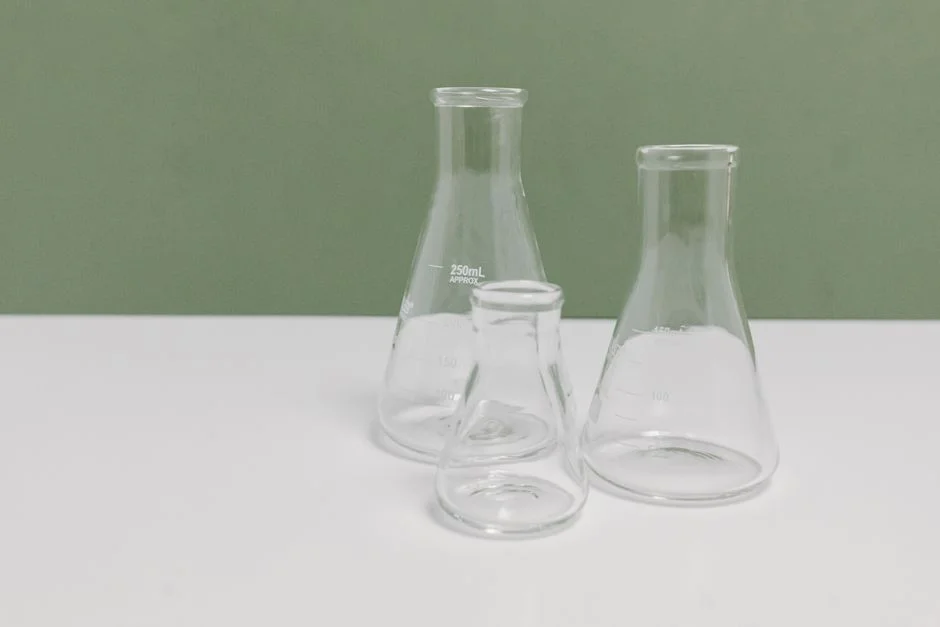
A reliable treatment train starts with flow management and protects downstream equipment from debris and excessive solids. Equalisation is needed where production discharge varies; the plant should be sized for the agreed operating basis, not only the average flow. A rotary mechanical bar screen is appropriate only where the incoming stream contains solids, rags, plastics or fibrous debris that could damage or overload pumps, membranes or biological stages.
Use screening and physical pretreatment before primary separation. The flow sequence should then reflect the contaminants and downstream objectives:
- Establish flow equalisation and remove rags, plastics and fibrous material.
- Remove recoverable FOG, oil and grease, and settleable solids where needed.
- Apply coagulation, flocculation and pH adjustment where colloid removal requires chemical conditioning.
- Reduce biodegradable organic load where biological treatment is required.
- Clarify the biologically treated water or use a process with integrated settling, such as SBR.
- Provide disinfection and reuse polishing where required by the consent or reuse destination.
- Collect, store and dewater or dispose of sludge from each relevant stage.
For oily or solids-rich wastewater, DAF can form the primary separation stage. A PLC-controlled dosing skid can inject coagulant, flocculant and pH-adjustment chemicals according to the agreed control strategy, but the chemicals and dose range must be established from laboratory and trial work rather than generic settings.
Do not defer sludge handling until commissioning. DAF, coagulation and biological treatment generate sludge with different characteristics and volumes. The design must address collection, storage, dewatering and final disposal or reuse. For facilities considering an integrated biological or membrane stage, review the MBR-integrated wastewater treatment module against the confirmed effluent and reuse requirements.
Final monitoring is part of the process, not an accessory. The operating manual, sampling points, calibration plan, laboratory programme and performance test should identify how the supplier will demonstrate that the completed train meets the agreed acceptance criteria.
What Compliance Package Is Required in Kenya?
Kenya’s compliance regime requires more than a treatment unit on site. Maji Hill’s Kenya ETP source identifies the Environmental Management and Co-ordination (Water Quality) Regulations 2006 and states that discharging untreated or inadequately treated effluent is a criminal offence. The buyer should therefore contract the approval, commissioning, testing and operating evidence as one linked package.
According to Maji Hill, an EIA licence is required before construction, while the discharge consent specifies the parameters that treated effluent must meet. The same source lists quarterly testing at a KEBS-accredited laboratory, daily operating logs and an annual environmental audit report submitted to NEMA. These records must connect to the operating duties of the proposed equipment rather than sit outside the supplier’s scope.
| Parameter | Inland-water value cited by Maji Hill |
|---|---|
| BOD | Not exceeding 30 mg/L |
| COD | Not exceeding 50 mg/L |
| TSS | Not exceeding 30 mg/L |
| pH | Between 6.0 and 9.0 |
| Oil and grease | Under 5 mg/L |
| Total coliforms | Under 1,000 MPN/100 mL |
These are orientation values for inland waters, not a substitute for the factory’s discharge consent. The supplied research does not establish separate coastal discharge limits. Mombasa’s receiving point, discharge method and consent conditions must therefore determine the final specification; do not present the table as a coastal standard.
Ask the supplier for a commissioning protocol, calibration plan, spare-parts list, operating manual, operator-training scope and a performance-test method tied to the agreed consent. Where chemical dosing forms part of the train, include automatic chemical dosing equipment only with defined control duties, chemical inventory requirements, calibration records and operating procedures.
Also clarify who prepares and submits NEMA documentation, who maintains the daily log, which laboratory performs quarterly testing, and who prepares the annual audit. A handover file containing test results, maintenance records, chemical procedures and consent correspondence reduces ambiguity after commissioning.
How to Compare DAF and ETP Suppliers Before Buying?
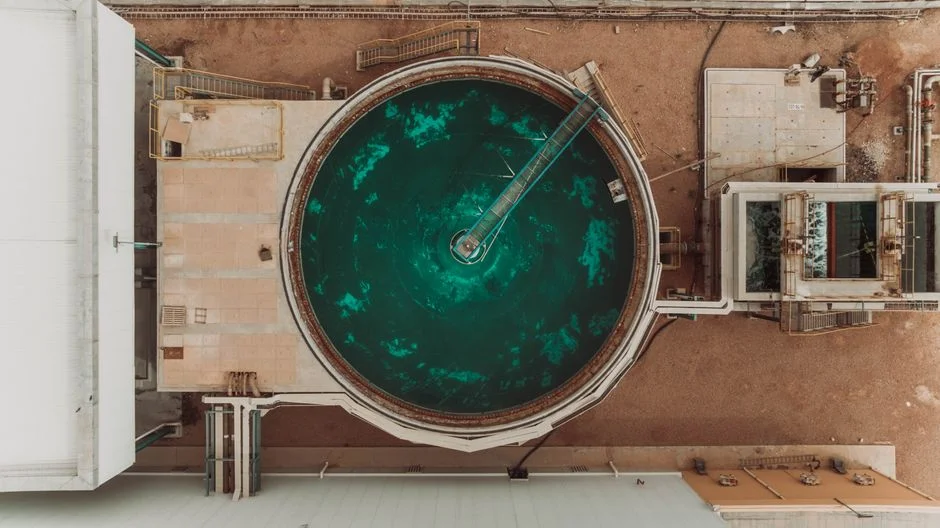
A comparable supplier proposal must expose the engineering basis and commercial boundaries. Require a sizing calculation showing the selected duty, peak-flow basis, hydraulic-loading approach, solids-capture strategy, chemical demand and estimated sludge production. A product model or flow range without those calculations is not a complete offer.
Ask how compliance will be guaranteed. The contract should identify the acceptance sample points, test methods, operating conditions, witnessing arrangements, laboratory verification, operating support, response times and remedy if the plant fails to meet the agreed specification. Include an industrial DAF package only after the bidder demonstrates that the selected unit has a duty appropriate to the tested wastewater.
| Commercial item | Check before comparing prices |
|---|---|
| Equipment and process design | Are sizing calculations, P&IDs, duty basis, material specifications and utilities included? |
| Installation and civil works | Are foundations, drainage, access, electrical works, unloading and site connections included or excluded? |
| Commissioning and testing | Is performance testing, laboratory verification, operator training and handover included? |
| Compliance deliverables | Which NEMA documents, consent activities and audit support are supplier responsibilities? |
| Operations and consumables | Are initial chemicals, O&M support, recommended spares and local service availability defined? |
| Sludge | Is collection, storage, dewatering and disposal or reuse included, or separately priced? |
Compare skid-mounted, containerised and site-built civil options only after reviewing land, foundations, access, drainage and future maintenance constraints. Maji Hill describes package ETPs as factory-built and modular, while Clear-Ion describes DAF systems as skid-mounted or containerised depending on site conditions and capacity. Neither format removes the need for site-specific engineering.
Evaluate local service capability and consumables availability alongside manufacturing or export experience. A supplier may have overseas references but still lack technicians, chemical stock or replacement parts locally. Service response, operator support and chemical supply should therefore be contractual.
Use milestone dates rather than a single promised handover date. Maji Hill reports 6–8 weeks for a small-to-medium package ETP, 3–6 months for a conventional small-to-medium ETP and 8–14 months for plants above 1,000 m³/day. The same source states that EIA and NEMA licensing can take 3–6 months in parallel and that construction cannot begin until the EIA licence is issued. These are planning references, not guaranteed dates for the factory’s project.
Which HydropureWater Equipment Could Fit the Selected Train?
The equipment range can populate defined treatment stages, but it cannot replace process design or determine the final train. Model selection must follow representative wastewater analysis, peak flow, available footprint, utilities, sludge-handling requirements and the supplier’s calculations.
| Candidate equipment | Potential treatment function | Selection check |
|---|---|---|
| Dissolved air flotation system | Removal of suspended solids, FOG, oil and grease and suitable colloidal material | Confirm floatability, required conditioning, hydraulic duty and float-removal capacity |
| Automatic chemical dosing system | Controlled coagulant, flocculant, pH adjustment or specialty-chemical injection | Define chemicals, dose range, control logic, storage and operator competence |
| Plate and frame filter press | Solid–liquid separation of generated sludge before disposal or reuse | Match cake capacity, feed properties, operating cycle and sludge-removal route |
| Rotary mechanical bar screen | Removal of solids, rags, plastics and fibrous debris | Confirm screen opening, duty, debris character and integration with pretreatment |
The dissolved air flotation range covers 4–300 m³/h across 13 standard models and includes automatic skimming. That range can narrow the candidate DAF capacity, but only the supplier’s duty calculation and effluent testing can select the correct model.
Evaluate automatic chemical dosing where the process requires controlled preconditioning, and specify an automatic chemical dosing system around the actual chemical supply, control sequence and treatment objectives. Where sludge needs further dewatering, assess the plate and frame filter press against the expected sludge volume and physical properties.
Use the rotary mechanical bar screen only where incoming wastewater contains material that must be removed before it reaches downstream pumps or treatment stages. These are candidate modules for a factory wastewater pretreatment train, not a substitute for the selected ETP route.
Frequently Asked Questions
How do I size a DAF or industrial ETP for a factory in Mombasa?
Require representative wastewater analysis and a peak-discharge profile before selecting equipment. The supplier should state the design flow, hydraulic basis, pollutant loading, chemical demand and sludge-production estimate. The 4–300 m³/h DAF range can narrow candidate capacity, but it cannot replace engineering calculations. Include batch dumps, cleaning flows and future production changes in the sizing basis.
What should I check when selecting an ETP or DAF supplier?
Demand an itemised scope covering process design, equipment, civil works, installation, commissioning, performance testing, NEMA documentation, operator training, O&M and spare parts. Also verify local service capability, consumables availability and a written remedy if the agreed performance specification is not achieved. This check is different from comparing the lowest equipment price.
How should I budget for the ETP or DAF system?
Request a staged quotation tied to the wastewater data, peak flow, site constraints and consent requirements. Ask suppliers to separate equipment, civil works, installation, chemicals, commissioning, documentation, training, O&M, spares and sludge handling. The research supplied no valid quotation for this project, so do not use an assumed price; require a site-specific commercial offer instead.
When should I choose DAF instead of a biological or hybrid ETP?
Choose DAF when the primary objective is physical separation of suspended solids, FOG, oil and grease. Choose biological treatment when biodegradable organic load must be reduced, and consider a hybrid DAF–ETP when both separation and biological treatment are required. For compliance risk, make NEMA documentation, discharge consent, performance testing, daily operating logs, quarterly KEBS-accredited laboratory testing and annual audit support explicit contractual deliverables.