
Why Textile Wastewater Needs Adaptive Coagulant Dosing
A coagulant dosing system for the textile industry should be designed from representative wastewater, a validated chemical package and a defined treatment outcome—not from a catalogue flow rate. Textile wastewater changes with desizing, scouring, bleaching, dyeing and finishing, so the system must connect flow, pH and other relevant measurements to controlled coagulant, flocculant and pH-adjuster injection. Research summarized in 2026 found 32% lower coagulant consumption under real-time control than manual dosing in a six-month pilot, but plant-specific jar testing and pilot validation remain necessary before those results enter a business case.
Textile production is organized around batches, and the chemical mixture reaching treatment changes with each production route. That variability makes a fixed dose unreliable: the same pump output can be appropriate for one batch and excessive or insufficient for the next. The 2026 EPJ Web of Conferences study, as summarized in HydropureWater’s polymer dosing system guide for textile wastewater, describes denim washing wastewater as highly turbid, intensely colored and high in COD and suspended solids because it contains dyes, surfactants and processing chemicals.
Under-dosing leaves particles insufficiently destabilized, weakens floc development and allows untreated solids to carry downstream. Over-dosing increases chemical consumption and sludge generation. The EPJ study also warns that improper dosing can alter incoming wastewater characteristics and impair downstream biological treatment.
The chemical functions must therefore be kept distinct. A coagulant destabilizes particles so they can aggregate; a flocculant supports aggregate formation; and a pH adjuster establishes the chemical condition required by the selected treatment package. The dosing system is one element of the treatment sequence, not an isolated pump skid.
Define the Treatment Objective Before Selecting Equipment
A dosing-system specification becomes meaningful only when it states the wastewater duty, required treatment result and operating constraints. The buyer should establish representative minimum, average and peak flows; permitted operating windows for each chemical; tank autonomy; dosing schedules; available utilities; and the available capacity of downstream solids separation.
Wastewater characterization should cover representative production routes rather than rely on one composite expectation. At minimum, request flow, pH and turbidity data, together with the pollutants and contaminants relevant to the plant’s treatment objective. The chemical package and the solids-separation duty should then be evaluated as one system: injection location, rapid mixing, flocculation and the downstream textile wastewater DAF system or clarification equipment must operate as a coordinated sequence.
For direct dischargers in the United States, textile-mill effluent limitations under 40 CFR Part 410 vary by subcategory and are incorporated into NPDES permits, according to the 2026 HydropureWater guide. Permit applicability and site-specific limits therefore require confirmation from the facility’s permitting authority; they cannot be inferred from a generic dosing-system scope.
A PLC can execute a validated recipe, but it cannot correct an unsuitable chemical package or an unverified setpoint. Equipment selection and chemical validation are separate procurement decisions that must converge before final acceptance.
| Design input | What the supplier must receive | Why it affects the decision |
|---|---|---|
| Wastewater flow | Verified minimum, average and peak flow | Defines hydraulic and chemical demand |
| Wastewater characterization | Representative pH, turbidity and relevant pollutants or contaminants | Establishes the treatment objective and control signals |
| Chemical service | Validated chemical, concentration, dose range and operating limits | Sets storage and metering requirements |
| Operating schedule | Batch operation, dosing periods and tank autonomy | Determines storage and standby requirements |
| Downstream duty | DAF or clarification capacity and operating limits | Prevents chemical delivery from exceeding separation capability |
| Compliance | Applicable permit conditions | Connects treatment operation to discharge obligations |
Optimize Coagulant, Flocculant and pH Together
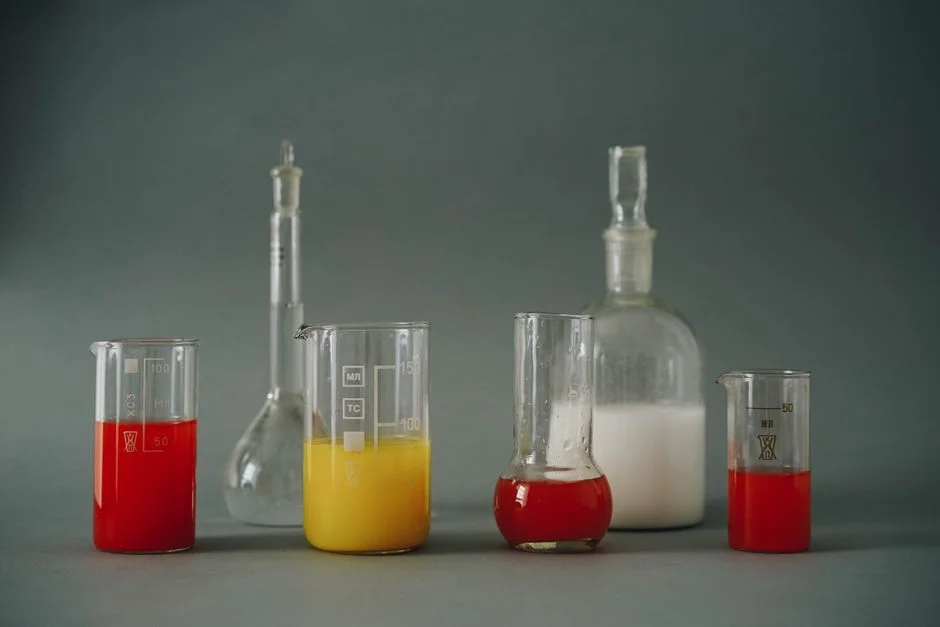
Alum, polymer and pH adjustment should be validated as a combined package because the dose required for one chemical can change when another chemical or the wastewater pH changes. Use representative jar testing to vary coagulant dose, flocculant dose and pH, then assess floc formation, settling, turbidity, color and the required COD or TSS outcome before fixing control settings.
A 2026 Research Square preprint tested pH from 5.5 to 8.0 and alum-to-PAM ratios from 0:0 to 30:8 mL. Its best tested combination was 20 mL alum, 4 mL PAM and pH 7.5. Under that optimized test condition, the authors reported BOD removal of 65.91–89.29%, COD removal of 65.38–88.24% and TSS removal above 95% for wastewater from two selected Ethiopian textile industries.
Those results must not be transferred directly to another plant. The Research Square paper is a preprint and explicitly states that it has not been peer reviewed. Its sites, wastewater chemistry, sampling points, treatment configurations and laboratory procedure are specific; different dyes, surfactants, water chemistry or solids-separation systems can require a different package. The reported values are test evidence, not universal plant setpoints.
Ask chemical suppliers for compatibility information, then verify their recommendations with the plant’s actual dye and surfactant mixtures. Coagulant dosing system design criteria should be established through plant-specific testing rather than inferred from application-rate tables.
Operating conditions also belong in validation. The 2024 Scientific Reports benchmark reported textile ETP efficiency of 83.5% at 30°C and 1 atm with coagulant and flocculant addition, and about 88% above 45°C under that study’s conditions. These results illustrate why temperature and treatment configuration cannot be separated from chemical-dose validation.
| Evidence source | Tested conditions | Reported result | Transfer limit |
|---|---|---|---|
| Research Square preprint, 2026 | pH 5.5–8.0; alum:PAM ratios 0:0–30:8 mL | Best tested condition: 20 mL alum, 4 mL PAM, pH 7.5 | Not peer reviewed; two selected Ethiopian textile industries |
| Research Square preprint, 2026 | Optimized laboratory jar tests | BOD removal 65.91–89.29%; COD removal 65.38–88.24%; TSS removal above 95% | Not a universal operating recipe |
| Scientific Reports, 2024-11 | 30°C, 1 atm, with coagulant and flocculant addition | Plant efficiency 83.5% | Study-specific textile ETP conditions |
| Scientific Reports, 2024-11 | Temperature above 45°C | Plant efficiency about 88% | Study-specific temperature and operating conditions |
Select the Control Strategy That Fits the Wastewater
The appropriate control strategy depends on how much the wastewater varies, which instruments are reliable, how sensitive the downstream process is and whether operators can verify the system continuously. Manual dosing depends on operator judgment. Scheduled dosing adds a time basis but still ignores flow and chemistry. Flow-paced dosing follows hydraulic demand, while flow-and-pH control adds a chemical-condition signal. Monitoring-assisted and real-time feedback control use measured treatment behavior to adjust dosing.
Springer Berlin Heidelberg found that models using comprehensive influent descriptions exceeded 0.90 correlation coefficients, compared with 0.58 for a dosage model based only on flow and effluent turbidity. This supports the use of multiple relevant measurements, but it does not prove that one control architecture will perform equally well in every textile plant.
The same Springer Berlin Heidelberg study identified a specific feedback constraint: sedimentation can take 2–6 hours while influent quality continues to fluctuate during that period. A controller must therefore distinguish the residence-time lag in effluent response from an immediate change in wastewater chemistry.
For plant evidence, the 2026 EPJ study reported 32% lower coagulant consumption than manual dosing during a six-month pilot while maintaining effluent quality within discharge standards. The result applies to that pilot’s wastewater, treatment train and operating conditions. It supports a pilot business case, not a guaranteed saving at another mill.
Automatic control is justified when batch variability and the consequences of over- or under-dosing justify the capital and operating burden. A PLC-controlled automatic chemical dosing system should still retain manual confirmation, alarms and a traceable operating procedure. For new specifications, use the following decision framework.
| Control level | Select when | Main limitation | Required operator evidence |
|---|---|---|---|
| Manual | Flow and chemistry are stable, skilled operators are continuously available, and dosing consequences are limited | Depends on judgment and does not automatically track chemistry | Logged setpoint, actual dose and outcome |
| Scheduled | A repeatable time pattern is demonstrated | Does not directly respond to flow or quality changes | Schedule and deviation record |
| Flow-paced | Flow is the dominant variable and suitable flow measurement is available | Cannot correct changes that occur at similar flow | Flow-to-dose calibration and outcome checks |
| Flow-and-pH-paced | pH materially affects the validated chemical package | Does not represent every relevant contaminant or turbidity change | Validated pH window and instrument checks |
| Monitoring-assisted | Operators need decision support based on periodic laboratory or online measurements | Response depends on sampling and analysis frequency | Lab-to-recipe reconciliation |
| Real-time feedback | Variability and compliance exposure justify automation, with reliable instrumentation and downstream capacity | Requires model validation, sensor maintenance and lag-aware tuning | Trend review, calibration and deviation audit |
Size Tanks, Pumps and Injection Points from Verified Duties
Pump capacity must be derived from verified chemical duties, not a generic litres-per-hour rule. The sizing request should include minimum, average and peak wastewater flows; chemical concentrations; required dose per unit volume or mass; operating hours; and required tank autonomy. These inputs establish the metering range, storage requirement and duty cycle that each supplier must demonstrate.
For every chemical, confirm its validated operating range, storage condition, metering behavior and compatibility with the proposed tank materials, seals and injection arrangement. A chemical that performs correctly in jar testing may still be unsuitable for long storage or the selected metering arrangement. Require the supplier to explain how its proposed configuration handles those constraints.
Specify actual flow, pressure and electrical-service requirements at the injection point. Include chemical calibration, back-pressure and leak-detection provisions appropriate to the installation. The Dosing skid should also define how a tank changeover, low-level condition, high pressure or instrument fault affects treatment.
Coordinate the injection location with rapid mixing, contact time and the downstream DAF or clarification equipment. A dosing skid cannot correct poor mixing or an undersized solids-separation stage. The [micro-bubble flotation guide for textile wastewater](/blog/12022-micro-bubble-flotation-for-textile-industry-2026-process-guide.html) provides a separate process reference, but the treatment sequence still has to be validated as a whole.
HydropureWater’s DAF range of 4–300 m³/h across 13 standard models is an equipment-selection reference for comparing candidate solids-separation duties, not a universal sizing rule for a coagulant system. Likewise, the described automatic chemical dosing systems are skid-mounted, pre-wired and factory-tested with PLC control. Require suppliers to provide equivalent documentation for the offered configuration rather than accepting a functional description as proof.
| Supplier schedule | Minimum information required | Verification expected |
|---|---|---|
| Tanks | Chemical list, storage condition, working volume and autonomy | Material compatibility and level-control arrangement |
| Metering pumps | Chemical, concentration, dose range and required duty cycle | Calibration range and accuracy statement |
| Injection system | Flow, pressure, injection location and back-pressure | Leak-detection and pressure-loss provisions |
| Instrumentation | Measured variables, ranges, accuracy and fail states | Calibration and signal-response test |
| Controls | Recipe, alarms, manual mode, data logging and fault response | Factory test and site commissioning record |
| Utilities | Power, water, drainage, ventilation and access requirements | Site-interface checklist |
Commission, Record and Audit the Dosing Sequence
Commissioning should demonstrate that the installed system reproduces the validated treatment result. Work from instrument and pump calibration checks to dry-run verification, controlled chemical introduction, representative wastewater trials, solids-separation observation and final operating-setpoint approval. This sequence prevents a control problem from being mistaken for an unsuitable chemical package or an inadequate solids-separation stage.
Record flow, pH, pump command, actual chemical consumption, injection pressure, alarms and relevant treatment outcomes. The record should permit a reviewer to reconstruct what the system was doing during each production batch. If treatment deteriorates, these trends help separate changes in wastewater chemistry from equipment faults, incorrect recipes, poor mixing or downstream capacity constraints.
Verify the complete operating train: equalization, characterization, controlled injection, mixing, solids separation and downstream treatment. The 2026 EPJ evidence summarized by HydropureWater warns that improper dosing can alter incoming wastewater and impair downstream biological treatment. During validation, check sludge generation and the response of the biological stage rather than judging success only by the appearance of the DAF or clarification effluent.
Retain the jar-test record, pilot settings, instrument-calibration records and approved operating recipe as the baseline. Review them after changes in production routes, dyes, surfactants, chemicals, flow conditions or downstream equipment. A previously approved setpoint remains valid only for the conditions under which it was demonstrated.
| Commissioning stage | Required check | Acceptance evidence |
|---|---|---|
| Static verification | Tank, piping, seals, electrical supply and alarm states | Punch-list closeout and test records |
| Dry run | PLC sequence, pump commands, interlocks and manual mode | Simulated trend and functional-test record |
| Calibration | Flow, pressure, pH and chemical-metering instruments | Before-and-after calibration certificates |
| Chemical introduction | Line filling, venting, back-pressure and leak checks | Stable delivery at each required operating condition |
| Representative wastewater trial | Chemical response, mixing, flocculation and solids separation | Outcome data linked to the approved recipe |
| Final approval | Effluent outcome, sludge consequence and downstream response | Signed operating baseline and revision procedure |
Build an RFQ That Compares Suppliers on Performance

A comparable RFQ should price the complete dosing system rather than only the skid. Request itemized pricing for tanks, metering pumps, instrumentation, PLC controls, electrical components, utilities, installation, commissioning, validation support and ongoing calibration. Chemical-consumption savings belong in the commercial evaluation only after site validation defines the baseline and treatment outcome.
Ask each supplier to identify the design flow, chemical service, validated dose range, control signal, alarms, materials, utilities, tank autonomy and factory-test documentation for the offered configuration. The bid should show how those requirements were translated into pump and tank duties, not merely state that the system is automatic.
Require evidence showing how the control logic responds to production-batch changes, instrument faults, chemical interruptions and downstream solids-separation limits. The response should remain safe and traceable even when the measurement used by the control recipe is unavailable.
Ask whether cited chemical savings came from real-time control, optimized fixed dosing or a different treatment train. Require the baseline, test conditions, wastewater and treatment configuration to be disclosed. This prevents a study of optimized fixed dosing from being represented as evidence for a feedback-control package.
The 2026 EPJ study summarized by HydropureWater reported 28% lower chemical consumption and 25% lower treatment costs when comparing conventional jar-test-based dosing with optimized dosing under its conditions. Treat those figures as study-specific evidence. The six-month real-time-control pilot’s 32% reduction in coagulant consumption should also remain outside the business case until reproduced with representative plant wastewater.
| RFQ area | Question to include | Evidence to require |
|---|---|---|
| Technical scope | What tanks, pumps, instruments, controls, utilities, installation and commissioning are included? | Itemized bill and configuration drawing |
| Design basis | Which flow, chemical and duty assumptions determine the selected equipment? | Calculated duty schedule |
| Validation | Which plant wastewater and operating conditions were used to establish the recipe? | Jar-test and pilot records |
| Control performance | How does the system respond to batch changes, sensor faults and chemical interruptions? | Functional-test evidence and alarm description |
| Commercial savings | What baseline, treatment train and test period produced the claimed savings? | Source study and applicability limits |
| Compliance and handover | What records, training, calibration and operating baseline will be delivered? | Commissioning and document schedule |
Frequently Asked Questions
What should a textile wastewater dosing-system budget include?
Compare the complete installed scope: tank, metering pumps, instrumentation, PLC, utilities, electrical installation, commissioning and calibration. Keep chemical-consumption savings separate from equipment cost until jar testing and pilot work establish a plant-specific baseline. The 2026 EPJ study’s reported 28% lower chemical consumption and 25% lower treatment costs are study-specific, not quotations for a buyer’s business case.
How should a coagulant dosing system for textile industry service be sized?
Request a calculation based on verified minimum, average and peak wastewater flows, chemical concentration, dose per unit volume or mass, operating hours and required tank autonomy. The supplier should then identify the metering range, duty cycle and injection conditions. Do not accept a generic litres-per-hour rule without the wastewater and chemical-service inputs behind it.
How can a buyer assess supplier competence before acceptance?
Ask whether the supplier will characterize the wastewater, conduct or support jar tests, and pilot the control recipe on representative flow. Require test records, operating results, calibration evidence and an approved recipe—not only a functional description of the PLC. Also request the same chemical-savings evidence used in the bid, including its baseline and treatment conditions.
Should the plant use manual, flow-paced or real-time coagulant control?
Use manual control where flow and chemistry are stable and skilled operators are continuously available. Consider flow-paced control when flow is the dominant variable, flow-and-pH control when pH materially affects the validated package, and real-time feedback when batch variability, chemical use, sludge or compliance exposure justifies automation. Confirm that sensors, chemical limits, operator availability and downstream capacity support the selected level.
How can dosing affect compliance and downstream biological treatment?
Under-dosing can leave poorly destabilized solids and weaken floc formation; over-dosing can increase chemical use and sludge generation. The 2026 EPJ study also warns that improper dosing can alter incoming wastewater characteristics and impair downstream biological treatment. For direct dischargers in the United States, 40 CFR Part 410 limitations vary by textile subcategory and are incorporated into the applicable NPDES permit, so facility-specific permit conditions must be checked.