Which Tacoma Rules Control a Petroleum Discharge?
Petroleum plants near Tacoma meet sewer-discharge requirements by identifying the receiving publicly owned treatment works (POTW), obtaining the applicable industrial wastewater discharge permit or other control mechanism, controlling wastewater at the source, removing oil and solids, balancing flow and pH, and demonstrating compliance through monitoring and records. Tacoma’s General Sewer Use Requirements prohibit unauthorized petroleum oil, corrosive, obstructive, and high-temperature wastes that cause pass-through or interference. The permit and local limits determine the numerical targets. Treatment may combine primary separation, differential air flotation, equalization, and permit-driven biological or adsorption polishing, supported by a slug-control plan and self-monitoring program.
The controlling document is the permit or other authorization issued by the City of Tacoma as Control Authority, not a generic refinery limit list. The facility must first establish where its wastewater enters the sewer system, whether the discharge is to the Central or North End treatment plant, whether the operation is subject to the petroleum refining category in 40 CFR Part 419, and which site-specific limits apply. The City of Tacoma’s General Sewer Use Requirements state that categorical standards in 40 CFR Parts 405–471 apply and permit the Control Authority to impose equivalent concentration or mass limits under the applicable rules. A broader industrial pretreatment compliance workflow is useful for organizing that review.
Federal pretreatment requirements do not replace local controls. Pass-through concerns a pollutant leaving the POTW and causing a permit violation; interference concerns a discharge that disrupts POTW treatment or sludge use and therefore causes a permit or sludge-rule violation, as explained in the 2026 petroleum-plant pretreatment framework from HydropureWater. The City can also impose site-specific limits, best management practices, and additional pretreatment requirements when reasonably necessary.
| Decision point | What the project team must establish | Why it controls design |
|---|---|---|
| Receiving POTW | Central or North End connection | Different local-limit tables apply. |
| Control mechanism | Current industrial wastewater discharge permit or other City authorization | Defines enforceable limits, monitoring, reporting, and operating conditions. |
| Categorical status | Applicability of 40 CFR Part 419 and related provisions | Determines the federal pretreatment framework. |
| Local limits | Concentration or mass limits applicable to the facility | May be more stringent than categorical standards. |
| Waste characterization | Stream composition, flow, temperature, pH, and loading | Provides the basis for treatment selection and sizing. |
The supplied material supports this framework, not a facility-specific determination. A refinery, bulk terminal, and petroleum storage facility may have different production processes, pollutants, and control mechanisms. Confirm classification, categorical status, sampling frequency, and permit conditions directly with the City before selecting equipment.
What Tacoma-Specific Limits and Prohibitions Apply?
Tacoma prohibits wastewater with a pH below 5.0 or above 11.0 unless authorized by an industrial wastewater discharge permit, special approved discharge authorization, or another control mechanism issued by the Control Authority. This is a screening prohibition; the permit establishes the operating target used in the design and control logic.
Temperature is also expressly controlled. The City of Tacoma’s General Sewer Use Requirements prohibit wastewater entering the POTW above 100 degrees Fahrenheit. The Control Authority may authorize a higher discharge if it determines that the discharge will not cause interference and that POTW influent temperature will not exceed 104 degrees Fahrenheit. These temperature provisions are published in the City’s General Sewer Use Requirements, amended 2021-05-25.
Other prohibitions address solids, viscosity, oil, worker safety, and treatment-system performance. Tacoma prohibits solid or viscous pollutants that obstruct flow; petroleum oil, nonbiodegradable cutting oil, and mineral-oil products in amounts that cause pass-through or interference; pollutants released at concentrations or flow rates that cause interference; substances creating toxic gases, unsafe worker conditions, public hazards, or treatment interference; and unauthorized hauled or trucked pollutants. It also addresses wastewater that may impair biosolids reclamation, violate the POTW’s NPDES permit, or otherwise interfere with treatment.
| Published local-limit category | Central Treatment Plant | North End Treatment Plant |
|---|---|---|
| Arsenic, mg/L | 0.23 | 0.56 |
| Cadmium, mg/L | 0.103 | 0.251 |
| Chromium, mg/L | 4.74 | 4.54 |
| Copper, mg/L | 1.46 | 2.27 |
| Lead, mg/L | 0.427 | 1.20 |
| Mercury, mg/L | 0.033 | 0.097 |
| Molybdenum, mg/L | 0.55 | 1.46 |
| Nickel, mg/L | 1.12 | 2.79 |
| Selenium, mg/L | 0.14 | 0.437 |
| Silver, mg/L | 0.64 | 1.55 |
| Zinc, mg/L | 2.44 | 5.54 |
| BOD5, lb/day | No limit | 449 |
| TSS, lb/day | No limit | 2,153 |
| Ammonia, lb/day | 5,082.6 | No limit |
| Bis-2(ethylhexyl)phthalate | No limit | <0.0005 |
These are the City’s published Central and North End daily maximum local limits, not a universal petroleum-plant limit set. Source: City of Tacoma, General Sewer Use Requirements, amended 2021-05-25. The Control Authority can implement these limits through allocation of the Maximum Allowable Industrial Load and can add more stringent pollutant limits, BMPs, or pretreatment requirements.
A separate category-specific provision applies to groundwater cleanup from petroleum or gasoline underground-storage tanks, other remediation wastewater containing the listed pollutants, and qualifying discharges where the pollutants are present or appropriate surrogates. It sets a daily maximum of 0.050 mg/L for benzene and 0.750 mg/L for BTEX. The provision must not be generalized to every petroleum discharge.
Dilution is prohibited as a substitute for treatment except where authorized. Tacoma also states that industrial users may not increase process water to dilute a discharge, and the Control Authority may impose mass limitations where dilution is used. For procurement purposes, the compliance case must therefore be source reduction, segregation, treatment, and verification—not dilution.
How the Petroleum Pretreatment Train Is Built
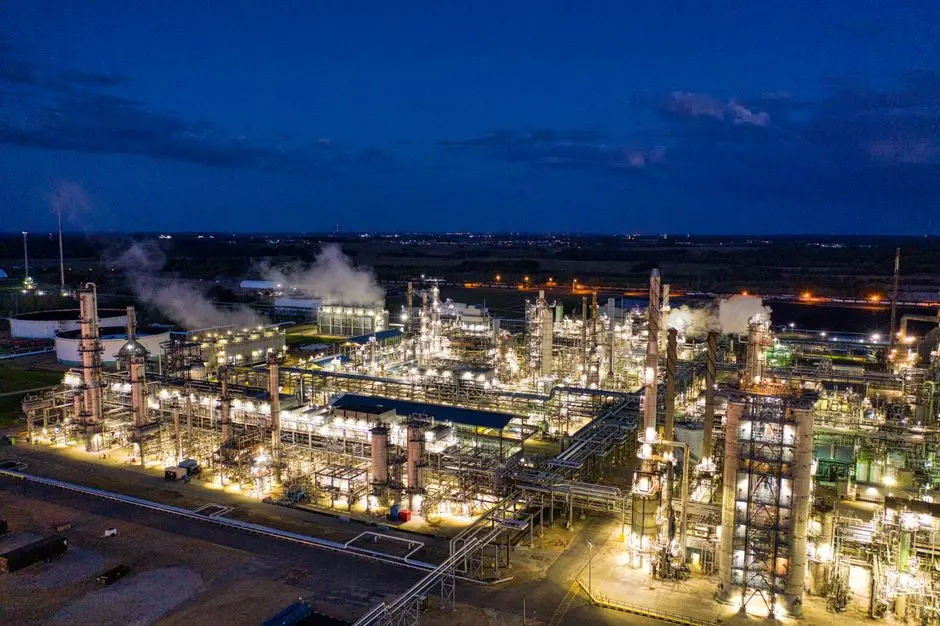
The petroleum pretreatment train should begin with source control and end with a sampled, permit-controlled discharge. A defensible sequence is: segregate characteristic streams and contain slugs; remove free oil in an API separator or corrugated-plate interceptor; remove emulsified oil, FOG, and colloidal solids by differential air flotation; equalize flow and adjust pH; add permit-driven biological, adsorption, filtration, or other polishing; then monitor and sample the final discharge.
Stream routing determines treatment performance. Tank-bottom water generally carries free oil and sludge. Loading-rack drip and vehicle-wash water can contain oil and emulsions. Spent caustic and process water can create high-pH loads and carry soluble contaminants. Stormwater can dilute concentrations while introducing uncontrolled slug risks, so clean and contaminated drainage should be kept separate. A related pretreatment approach for industrial facilities illustrates why source-specific routing precedes treatment selection.
Upstream primary separation protects the flotation stage. The 2026 bulk-plant guidance from HydropureWater states that DAF alone can fail during free-oil slugs because the oil blankets the bubble surface, while a CPI generally removes free oil but does not break emulsions. That makes API or CPI separation a logical first barrier for tank drops, coalescer dumps, and concentrated oily streams, followed by DAF for the residual emulsified fraction.
Equalization then reduces hydraulic and pH instability before biological or polishing equipment. It provides operating buffer and allows more stable treatment, but the research does not establish a fixed retention-time requirement for Tacoma; size it from measured flow, batch, and upset conditions. The same caution applies to chemical dosing. An automatic chemical dosing system for pH and emulsion control should be selected from influent chemistry and vendor process guidance, not a generic dose.
| Process step | Principal waste streams | Primary function | Design evidence required |
|---|---|---|---|
| Segregation and slug control | Loading areas, tank transitions, batch discharges | Prevents untreated slugs from reaching the sewer | Stream map, containment points, operating triggers |
| API separator or CPI | Tank-bottom water, loading drip, free-oil dumps | Removes separable free oil and sludge | Peak flow, oil characterization, level and sludge removal |
| DAF | Emulsified oil, FOG, wash-rack water, colloidal solids | Separates dispersed oil and floatable solids | Hydraulic and contaminant loading, oil droplet character |
| Equalization and pH control | Spent caustic, process water, variable flows | Damps flow and pH excursions | Batch and upset data, permit operating range |
| Polishing | Soluble organics, ammonia, fine solids, residual pollutants | Meets permit-specific soluble or mass limits | Contaminant tests and treatment selection |
| Final monitoring | Final treated discharge | Documents compliance | Permit sampling method, frequency, and reporting form |
Physical oil removal does not establish compliance for every pollutant. Where the permit addresses phenols, sulfides, benzene, ammonia, or other soluble contaminants, biological or adsorption polishing may be required. The supplied material describes biological treatment as a downstream step; it does not establish that any particular biological system will satisfy a Tacoma permit without site testing and a permit-based design.
DAF or Another Pretreatment Unit for a Tacoma Petroleum Site?
Differential air flotation is a micro-bubble flotation process for separating suspended solids, FOG, oil and grease, and colloidal material. The HydropureWater catalog range cited in the research covers 4–300 m³/h across 13 standard models. That is an equipment-selection fact, not a guarantee of treatment performance or a basis for sizing a Tacoma site.
Equipment roles should be matched to the pollutant and failure mode. API and CPI units provide primary free-oil removal. Coalescers can improve oil-water separation, while DAF addresses emulsified oil and floatable solids. Multimedia filtration handles residual solids rather than dissolved contaminants. An MBR combines biological treatment with membrane solids separation, and an MBR biological polishing system may be appropriate where soluble contaminants and a compact solids barrier are required. Chemical dosing supports pH adjustment, coagulation, flocculation, or demulsification according to the waste chemistry.
| Technology | Primary role | Key limitation | Required purchase evidence |
|---|---|---|---|
| API separator or CPI | Free-oil removal | Does not reliably eliminate emulsified oil | Peak flow, oil load, droplet characterization, sludge handling |
| Coalescer | Improved oil-water separation | Media condition and fouling affect performance | Droplet-removal curve, media specification, maintenance plan |
| DAF | Emulsified oil, FOG, and colloidal solids removal | Free-oil slugs can overwhelm flotation | Hydraulic loading, contaminant loading, control sequence, test method |
| Multimedia filtration | Final solids filtration | Does not remove dissolved pollutants | Filtration rate, backwash requirements, residual target |
| MBR | Biological treatment and membrane solids separation | Does not independently establish permit compliance | Influent characterization, membrane design, cleaning and waste handling |
| Chemical dosing | pH control and emulsion destabilization | Incorrect chemistry can transfer contaminants to another waste stream | Jar or pilot tests, chemical demand, safety and handling plan |
Base sizing on peak instantaneous flow, daily O&G or hexane extractable material load, required residual O&G, waste temperature and pH, emulsification tendency, free-oil slug potential, and permit monitoring parameters. A DAF system for oily petroleum wastewater should be evaluated on those inputs, not daily average flow alone.
An MBR can provide fine-solids separation in a compact footprint, but the research does not establish that an MBR alone will meet a Tacoma petroleum-discharge permit. Likewise, automatic chemical dosing should follow influent testing and vendor process guidance. Both remain site-specific engineering decisions.
How the Plant Demonstrates Compliance Before Discharge
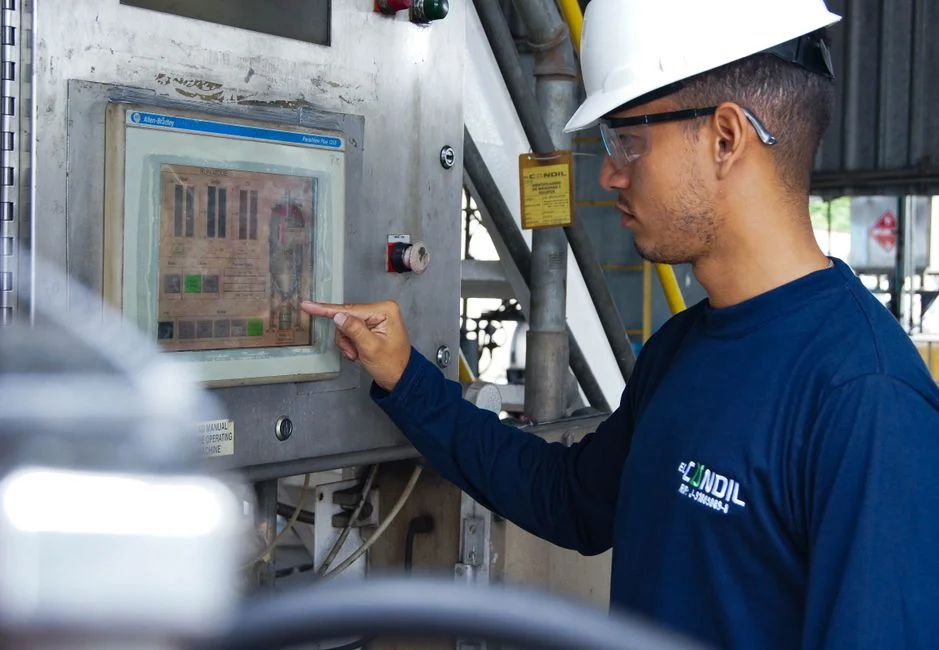
Compliance is demonstrated at the final sewer discharge, not merely at an intermediate treatment outlet. Begin with a signed waste-stream and flow inventory, then characterize representative peak, batch, and upset conditions. Depending on the streams and permit, testing should address oil and grease or HEM, TSS, pH, temperature, sulfides, phenols, ammonia, BTEX, metals, and flow.
The sampling program must follow the permit’s stated method, frequency, flow weighting, and reporting form. The 2026 pretreatment framework describes 24-hour flow-weighted composite sampling as a common POTW requirement, but that does not replace checking Tacoma’s permit. Sampling taps, flow instrumentation, preservation, laboratory methods, chain of custody, and report deadlines should be written into the operating plan.
Maintain records that connect treatment performance to the permit: flow, production, analytical results, instrument calibration, chain-of-custody records, BMP implementation, chemical inventory, operator training, sludge and scum handling, slug containment, and corrective actions. These records provide the evidence that a discharge did not cause pass-through or interference.
The slug-control plan should address loading racks, vehicle washes, tank transitions, coalescer or separator dumps, batch discharges, and upset waste streams. It should define what constitutes a slug, how the plant contains it, who makes the release decision, and how the City is notified. The 2026 bulk-plant and petroleum-plant guidance identifies current, trained slug plans as a recurring pretreatment-enforcement focus.
Automatic interlocks should prevent an invalid discharge, but they do not replace operating discipline. Require high-level, high-oil, and high-pH responses that divert or hold flow, with a documented sewer hold point and escalation procedure. The research also warns against relying on dilution: source reduction, segregation, and treatment upgrades are the defensible path. A general explanation of biological polishing for industrial wastewater can support review of soluble-pollutant treatment options.
A Practical Equipment and Compliance Checklist
Equipment selection should begin with the permit, not the equipment catalog. Obtain the current City of Tacoma industrial wastewater permit, sewer-use requirements, sewer map, sampling instructions, and local-limit documentation. Confirm the receiving treatment plant, applicable categorical status, site-specific limits, and any best management practices or additional pretreatment requirements.
Next, commission a qualified industrial wastewater designer or laboratory to prepare a signed waste-stream and flow characterization. It should include representative peak, routine, batch, and upset conditions and identify which streams can be segregated, equalized, treated, or held.
Ask every supplier to state the design flow, hydraulic and contaminant loading basis, oil-removal mechanism, controls, materials, sludge or scum handling, maintenance requirements, and performance-test method. Require a treatment-train proposal that traces each permit parameter to a treatment step and to the final sampled discharge point. Include automatic high-level, high-oil, and high-pH responses tied to a documented sewer hold point.
Use representative testing, including bench, pilot, or performance testing where waste chemistry is uncertain. Review the DAF system for oily petroleum wastewater against actual stream data rather than catalog capacity. If chemicals are proposed, require an automatic chemical dosing system for pH and emulsion control supported by a defined chemistry and safety plan.
The budget must include pretreatment verification, chemical and operating costs, sludge removal, instrument maintenance, operator training, monitoring, and permit reporting. The supplied research does not provide a defensible universal cost for a Tacoma petroleum plant, so a site-specific quotation is the only appropriate budget basis after characterization and permit review.
Frequently Asked Questions
What is the best first step for a petroleum plant near Tacoma that wants to discharge to a sewer?
Obtain the current permit or other control mechanism and confirm the receiving POTW, applicable limits, categorical status, and monitoring requirements before purchasing equipment. Ask the City which published local limits apply to the facility’s Central or North End connection and whether site-specific conditions have been added.
Is DAF enough for petroleum wastewater before discharge to Tacoma’s POTW?
No blanket conclusion is supportable. DAF can be the central emulsified-oil and FOG removal step, but upstream free-oil control, equalization, permit-driven polishing, monitoring, and performance verification may also be required. A slug-resistant train is preferable to relying on DAF alone.
How should a DAF system be sized for a petroleum site?
Size it from peak instantaneous flow, daily O&G or HEM load, waste temperature and pH, oil droplet character, free-oil slug potential, and required residual performance. Do not use daily average flow as the sole basis. The 4–300 m³/h catalog range is a selection range, not a design calculation or Tacoma performance guarantee.
What is the cost of meeting Tacoma sewer limits for a petroleum plant?
There is no defensible universal price in the supplied research. Request a site-specific quotation after permit review and waste characterization, with separate line items for treatment capacity, excavation, chemical use, sludge removal, controls, monitoring, verification, training, and reporting.
Can a plant dilute oily wastewater to meet a Tacoma limit?
No. Tacoma prohibits dilution as a substitute for wastewater treatment except where authorized, and the Control Authority may impose mass limitations where dilution is used. The plant must demonstrate compliance through authorized control and treatment rather than increased process water.
Related Equipment
- MBR biological polishing system — specifications, capacity range, and technical data