
What an Effluent Treatment Plant in Kigali Must Achieve
An industrial effluent treatment plant in Kigali should convert a characterized wastewater stream into effluent that meets the applicable permit, receiving-environment requirements or a defined reuse specification. A 2020 study of Kacyiru Sewerage Treatment Plant examined effluent quality and impacts on its receiving environment, but its site-specific results are not universal Kigali discharge limits. The University of Twente thesis, Direct nanofiltration of wastewater treatment plant effluent (2020), evaluated nanofiltration as a polishing option for producing effluent suitable for agricultural or indirect potable use. The required outcome must therefore be fixed before equipment is selected: discharge, irrigation, process-water reuse and potable reuse impose different requirements for solids, organics, microorganisms and micropollutants. For preliminary scoping, the industrial reverse-osmosis water-purification configuration can help assess whether a membrane-polishing stage is relevant.
Defining the receiving environment, discharge point, intended reuse and applicable authority is essential before bids are invited. A conventional treatment train aimed only at bulk solids and biochemical oxygen demand may be adequate for one destination and inadequate for another. The Kacyiru study remains useful as a local warning about the consequences of effluent quality, not as a substitute for a current permit or site-specific receiving-capacity assessment.
Characterize the Wastewater Before Sizing the Plant
Wastewater characterization, not average flow alone, must establish the treatment duty and the maximum equipment capacity. Request representative sampling across production cycles, clean-out operations and variable discharge conditions. The minimum information request should cover flow and flow variation, COD, BOD, suspended solids, pH, electrical conductivity, oil and grease, temperature and source-specific contaminants. Metals, phenols, sulfides, pharmaceutical residues or other priority substances should be included when relevant to the industrial process.
The 2021 pharmaceutical-effluent study by Adel and colleagues reported that COD, BOD, electrical conductivity, sulfide, sulfate, nitrate, phosphate, grease, phenols, and metals including B, Cr, Ca, Cd, Cu, Zn, Pb, Hg and As remained higher in treated wastewater than the study’s permissible limits. At 50% concentration, untreated and treated wastewater inhibited Vigna radiata seed germination by up to 70% and 50%, respectively, while the Allium cepa root-apex mitotic index fell to 85% and 75% relative to the negative control. These are study-specific pharmaceutical results, not Kigali limits, but they demonstrate why compliance with a few bulk parameters cannot establish environmental safety.
| Buyer input | Why it affects design | Information required |
|---|---|---|
| Hydraulic duty | Determines equalization, pumping and treatment capacity | Average flow, peak flow, batch discharges, operating duration |
| Organic and solids load | Determines biological, flotation and solids-handling duties | COD, BOD, suspended solids, FOG, settleable solids |
| Chemical condition | Controls corrosion, chemical dosing and biological compatibility | pH, electrical conductivity, temperature, sulfides, phenols |
| Source-specific contaminants | Determines whether polishing or toxicity testing is required | Metals, pharmaceutical residues and relevant organic compounds |
| Final destination | Defines the required effluent specification | Discharge point, receiving environment, reuse application and permit conditions |
Use a site-specific sampling plan because the supplied research does not provide a universal industrial wastewater profile or discharge-limit table for Kigali. If the stream contains screenings, fibrous material or gross solids, evaluate a mechanical rotary mechanical bar screen. If flow or load equalization requires controlled chemical addition, define reagent types, storage, metering and containment before specifying an automatic chemical-dosing system. Treat these as design options to validate against the actual influent, not preset selections.
Select a Treatment Train by Wastewater Type
A treatment train should progress from equalization and screening through contaminant-specific pretreatment, biological treatment where required, solids separation, polishing, disinfection where required and controlled sludge handling. The correct sequence depends on whether the principal problems are solids and FOG, biodegradable organics, soluble contaminants, microorganisms or the quality needed for a specific reuse.
| Technology | Primary role | Selection conditions | Key design checks |
|---|---|---|---|
| DAF pretreatment | Remove suspended solids, FOG, oil and grease, and colloidal material | Use where skimmable or floatable contaminants create a biological or membrane-loading problem | Measured FOG and solids loading; hydraulic range; scum removal; chemical demand |
| MBR | Combine biological treatment with membrane solids separation | Consider for organic-bearing wastewater, compact installations and reuse applications requiring integrated biological and solids removal | Daily flow and peak-load strategy; membrane material and cleaning; mixed-liquor solids control |
| UF polishing | Remove suspended solids, colloids and bacteria without routine chemical addition | Use as pretreatment or polishing when the feed is sufficiently conditioned | Feed turbidity; membrane specification; backwash and air-scour requirements |
| Nanofiltration or reverse osmosis | Advanced reclamation through selective membrane separation | Investigate where the reuse application justifies the added treatment and monitoring | Organic rejection; scaling risk; recovery; concentrate fate; application-specific acceptance testing |
For oily, high-solids or colloidal streams, a DAF system for industrial wastewater pretreatment is a logical first process to evaluate. The referenced equipment range covers 4–300 m³/h across 13 standard models. That range is a catalog boundary, not an automatic selection: the supplier must match the measured flow, FOG, solids and process chemistry to the proposed unit.
An integrated MBR wastewater treatment system is the compact biological option for municipal sewage, industrial process-water and reuse duties. The referenced range covers 10–2,000 m³/day and uses submerged PVDF membranes with filtration below 1 μm. Those specifications do not replace biological and hydraulic design; they define the available equipment envelope against which the measured duty must be checked.
UF can provide chemical-free polishing or pretreatment for suspended solids, colloids and bacteria. The referenced catalog range is 2,000–40,000 L/h with 0.03 μm PVDF membranes, feed-turbidity acceptance up to 300 ppm, automatic backwash and air scour. Compatibility with upstream treatment, peak flow and product-water targets remains essential.
For micropollutant removal, Wageningen University and Research’s 2022 thesis, Removal of micropollutants from wastewater treatment plant effluent by constructed wetlands, supports investigation of constructed wetlands where land availability, hydraulic conditions and treatment objectives fit. It does not establish suitability for a specific Kigali site. No process alone guarantees safe reuse; final selection requires application-specific testing and a defined acceptance specification.
Build the Final ETP Process Flow
The final process flow must connect hydraulic capacity, treatment performance and residual-sludge handling. A typical sequence is incoming wastewater, flow measurement, equalization, screening, contaminant-specific pretreatment, DAF or biological treatment, solids separation, MBR or UF polishing, disinfection where required, and final monitoring before discharge or reuse. The exact sequence changes with the influent and final use; no one flow applies to every industrial ETP in Kigali.
Set monitoring points after detailed design. At minimum, define instruments for influent flow, equalization level, pH, pressure, turbidity and residual chemical where dosing is used. Add dissolved-solids monitoring where conductivity matters to membrane operation or product-water quality. Each critical measurement should have a defined range, alarm, response and responsible operator. Final instrumentation must follow the selected train rather than a generic equipment list.
For MBR-based projects, address mixed-liquor solids management, membrane cleaning, standby strategy and transfer of separated solids to sludge treatment. For DAF pretreatment, include a lamella clarifier only where solids capture and thickening requirements justify the additional unit. Do not assume that flotation automatically solves downstream sludge handling.
Include sludge dewatering in the project scope. Where sludge capture and cake handling are required, evaluate a high-efficiency sedimentation tank for thickening and a plate-and-frame filter press for dewatering. Where disinfection is required by the reuse or discharge specification, evaluate a chlorine-dioxide generator and define residual monitoring, safety controls and chemical supply.
Evaluate Supplier Proposals and Equipment Sizing
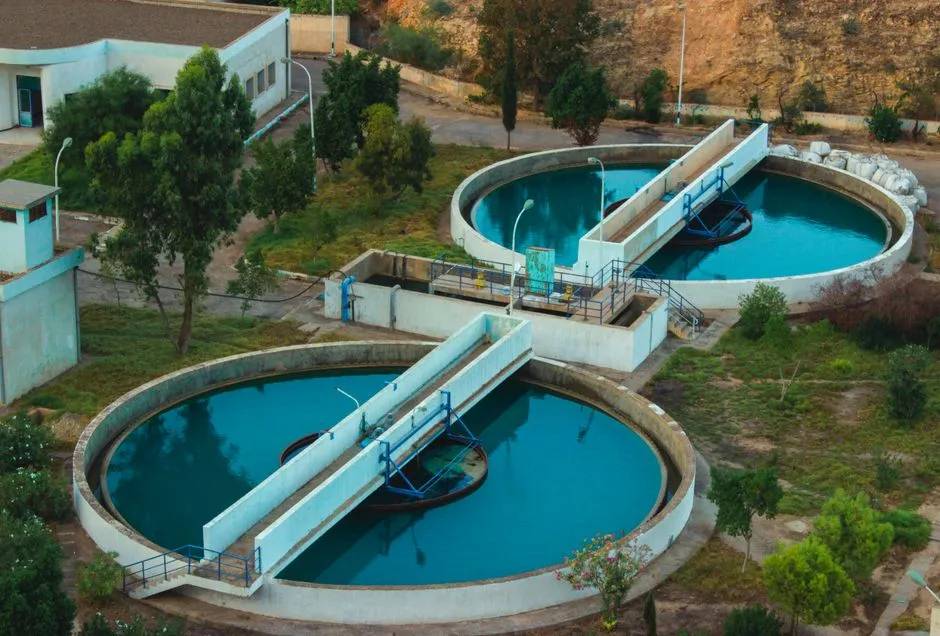
A comparable supplier proposal must define the design basis, not merely list equipment and a headline price. Require the design flow, average and peak influent loads, treated-effluent targets, process description, sizing calculations, utilities demand, footprint, installation requirements and O&M assumptions. The buyer should be able to trace every major unit to a measured wastewater parameter and an explicit design duty.
| Review area | Document to request | Acceptable evidence | Risk if omitted |
|---|---|---|---|
| Design basis | Flow and load schedule; treated-effluent specification | Measured influent data, duty basis and design margins stated separately | Undersized equipment or unsupported performance claims |
| DAF | Hydraulic and contaminant sizing calculation | Measured FOG, suspended-solids and flow basis matched to the proposed unit | Poor flotation performance or excessive carryover |
| MBR | Hydraulic, biological, membrane and controls schedule | 10–2,000 m³/day catalog range checked against daily flow; peak-load and cleaning strategy included | Capacity or availability gaps |
| UF | Membrane, controls and pretreatment schedule | 2,000–40,000 L/h range, 0.03 μm specification, feed turbidity, backwash and air scour documented | Fouling, excessive cleaning or incompatible feed assumptions |
| Commercial and handover | Guarantees, commissioning, training, warranty and support plan | Test methods, acceptance criteria, operator competence, spares and local support arrangements | Unclear handover and lifetime operating exposure |
For membrane packages, ask for a schedule of RO and UF membrane filter elements that identifies compatible models and replacement assumptions. Also require a clear list of water-treatment valves, filter media and critical parts, with recommended stock, specifications and local availability. A complete process and mechanical guarantee should state test methods, sampling points, acceptance conditions and remedies for non-compliance. Operator training, commissioning criteria, warranty exclusions and local support commitments are procurement deliverables, not optional extras.
Plan Commissioning, Monitoring and Water Reuse
Commissioning must demonstrate stable performance across representative operating conditions, not compliance from one isolated acceptance sample. Establish baseline influent and effluent sampling before or during startup, then test normal flow, peak flow, batch discharges and relevant chemical conditions. Record flow, operating parameters, cleaning events, sludge production, alarm response and final effluent results. Define how deviations trigger corrective action or acceptance retesting.
Connect membrane design to the intended reuse application. The University of Twente’s 2020 nanofiltration thesis supports considering membrane polishing for agricultural or indirect potable reclamation, but it is supporting research rather than blanket approval for a Kigali reuse project. The reuse specification, destination and required monitoring must be agreed with the relevant authority and the end user.
Add toxicity and organic-contaminant checks where pharmaceutical residues, metals, phenols or other priority contaminants are relevant. The 2021 pharmaceutical-effluent study shows why measured COD removal and other bulk parameters may not resolve residual environmental hazards. The O&M plan should cover membrane cleaning, chemical use, aeration, pumping, sludge removal, instrument calibration, alarms, operator competency and spare parts. Where the reuse specification includes microbiological control, evaluate a UV sterilizer for water treatment and confirm that its dose, hydraulics and fouling assumptions match the selected flow.
Frequently Asked Questions
How much does an effluent treatment plant in Kigali cost?
There is no defensible quotation from the supplied research because the wastewater profile, treatment target, flow, site, utilities, sludge handling and reuse requirements are unspecified. Request a priced bill of quantities covering process equipment, civil works, installation, utilities, controls, commissioning, training, initial chemicals, sludge handling and O&M support. For additional commercial context, use the
Frequently Asked Questions
How much does an effluent treatment plant in Kigali cost?
The capital expenditure for an industrial Effluent Treatment Plant (ETP) in Kigali typically ranges from $50,000 to over $500,000, depending on the daily flow capacity and the pollutant load. Small-scale systems for light manufacturing often cost between $50,000 and $150,000, while high-capacity plants for sectors like beverage production or textile processing require significantly higher investments due to complex chemical precipitation and biological treatment requirements.
Operational costs, including electricity, chemicals, and sludge disposal, generally average between $0.50 and $2.50 per cubic meter of treated water. Investors should factor in a 15-20% margin for local logistics, import duties on specialized components, and compliance monitoring fees mandated by the Rwanda Environment Management Authority (REMA).
What wastewater treatment system is best for an industrial facility in Kigali?
For most industrial facilities in Kigali, a Membrane Bioreactor (MBR) system is the current industry standard due to its high effluent quality and compact physical footprint. Given the high density of industrial parks and the need to meet Rwanda’s strict discharge standards, MBR technology effectively removes organic loads and suspended solids, producing water suitable for discharge into municipal sewers or direct irrigation.
For industries with high heavy metal or non-biodegradable chemical content, a system incorporating Advanced Oxidation Processes (AOP) or Electrocoagulation (EC) is recommended as a pre-treatment stage. These systems ensure that the influent entering the biological reactor remains within the threshold that protects microbial health and ensures consistent regulatory compliance.
How do I size an ETP when industrial wastewater flow varies?
To manage variable flow, engineers must design an equalization tank with a hydraulic retention time (HRT) of at least 12 to 24 hours. This buffer allows the plant to homogenize the wastewater characteristics—balancing pH, temperature, and Chemical Oxygen Demand (COD)—before it enters the primary treatment units, preventing shock loads that could crash biological processes.
The ETP should be sized based on peak hourly flow rates rather than average daily flow to avoid overflow scenarios during high-production shifts. Incorporating automated flow-proportional dosing pumps and variable frequency drives (VFDs) on pumps allows the plant to modulate energy consumption and chemical dosage in real-time, matching the actual hydraulic load entering the system.
What should I require from a wastewater equipment supplier in Kigali?
You should require a comprehensive technical proposal that includes performance guarantees regarding the quality of treated effluent, specifically ensuring compliance with the Rwanda Standards Board (RSB) discharge limits. The supplier must provide a detailed process flow diagram (PFD), a list of all mechanical and electrical components with local service availability, and a clear maintenance schedule.
Furthermore, mandate the inclusion of a SCADA (Supervisory Control and Data Acquisition) system for remote monitoring and automated data logging, which is essential for audit reporting to REMA. Ensure the contract includes an on-site commissioning period, staff training for local operators, and a minimum 12-month warranty on critical electromechanical components like blowers, pumps, and membranes.
Can an industrial ETP in Kigali produce reusable water?
Yes, an industrial ETP can produce water suitable for non-potable reuse, such as facility cooling towers, floor washing, or landscape irrigation, provided the system includes a tertiary treatment stage. This stage typically involves sand filtration, activated carbon adsorption, and ultraviolet (UV) or ozone disinfection to remove residual pathogens and micro-pollutants.
By implementing a "Zero Liquid Discharge" (ZLD) approach or water recycling loops, industrial facilities can significantly reduce their reliance on municipal water supplies. To achieve this, the final treated water must be tested against specific internal quality parameters to ensure it does not cause scaling or corrosion in industrial equipment, and the system must be clearly labeled to prevent cross-contamination with potable water lines.