What a Mumbai Factory Needs from Its ETP or DAF System
A Mumbai factory normally needs a dissolved air flotation system when its industrial wastewater contains oil, grease, FOG, suspended solids or colloidal material that must be separated before biological or tertiary treatment. DAF uses pressurized air to create bubbles that attach to contaminants, which rise and are skimmed. This is a clarification step within an industrial effluent treatment plant, not a complete treatment plant. A broader ETP is needed when the wastewater also requires equalization, biological treatment, filtration or disinfection. Selection should be based on representative effluent tests, peak flow, pollutant loading, the receiving route, applicable consent conditions and any reuse objective.
The decision is therefore not simply “DAF or ETP.” First establish whether floating contaminants are the main separation problem. If they are, DAF may form the primary clarification stage. If the wastewater also contains biodegradable dissolved pollutants, variable pH, high-solids shocks or contaminants requiring polishing, specify a coordinated treatment train.
For mixed or variable industrial effluent, a practical architecture may combine pretreatment, flow equalization, chemical conditioning, DAF, biological treatment, filtration, disinfection and sludge handling. The exact sequence depends on factory processes and the final destination of the treated water. A 2026 DAF selection and cost framework can support early equipment scoping, but the receiving sewer, surface-water route or process-reuse application must be verified before applicable limits are stated in the specification.
Start with the Factory’s Effluent Profile
DAF capacity selection requires a representative effluent profile covering production, cleaning and low-flow periods, together with the peak hourly flow, operating schedule and batch-discharge pattern. Oil loading and short-duration peaks matter because clarification equipment must handle the duty actually presented, not merely the daily average.
Request recent laboratory results for the parameters relevant to the manufacturing process, including suspended solids, oil and grease, FOG and pH. Identify whether the oil is separated, emulsified or mixed with cleaning chemicals. Emulsified oil can complicate removal and may require chemical conditioning rather than flotation alone. The tank-bottom-water DAF sizing guidance specifically emphasizes peak flow and oil loading when sizing for oily wastewater.
Also investigate events that can destabilize the plant: batch dumps, production changeovers, high-solids washdowns, variable pH, detergent-bearing cleans and sudden changes in flow. These conditions determine equalization volume, pretreatment needs, chemical demand and the load placed on downstream biological treatment.
| Input to obtain | Why it affects selection |
|---|---|
| Representative samples across production, cleaning and low-flow periods | Shows the normal range and worst-case combinations that the treatment train must handle. |
| Daily average flow, peak hourly flow, operating hours and batch-discharge profile | Defines hydraulic loading and whether equalization is required. |
| Suspended solids, oil and grease, FOG and pH | Identifies floatable load, conditioning requirements and downstream treatment needs. |
| Emulsified-oil and chemical-cleaning information | Indicates whether coagulation, flocculation or additional pretreatment is needed. |
| Final destination and reuse objective | Defines the required treatment stages, testing and acceptance basis. |
Confirm the final destination before purchase: sewer discharge, surface-water discharge or process reuse changes the required process architecture and compliance evidence. Do not assign regulatory limits or reuse criteria from a generic directory page. Obtain the factory’s current consent, applicable receiving requirements and proposed water-quality specification, then have the selected supplier map the treatment train to those conditions.
DAF, ETP, or a Combined Treatment Train?
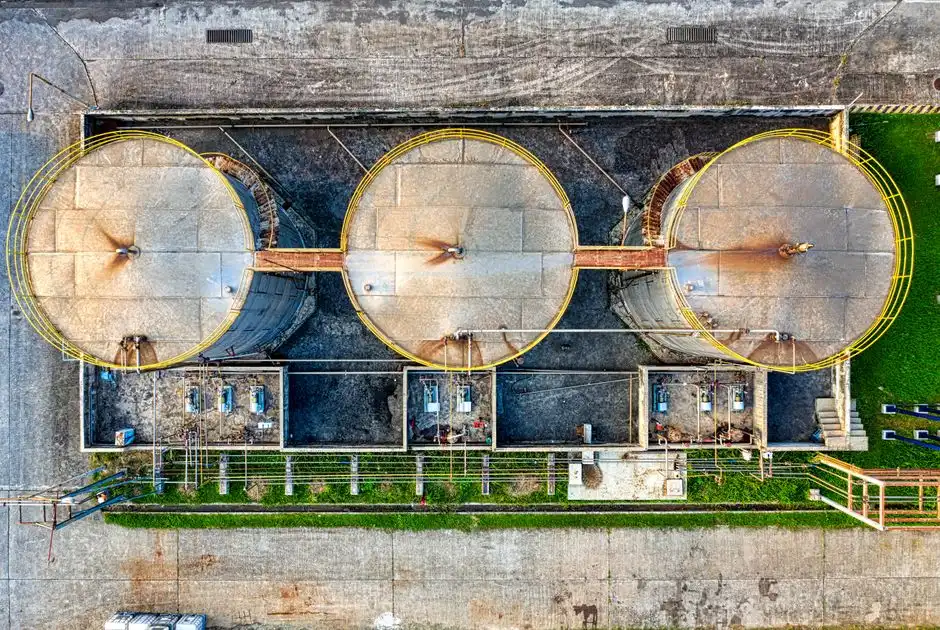
A DAF unit is the appropriate primary physical treatment when oil, grease, FOG, suspended solids or colloids are the dominant challenges and can be floated and skimmed. The industrial DAF system for Mumbai factories should be selected from measured flow, peak duty, contaminant loading and the required treatment objective. DAF alone does not replace equalization, biological treatment, filtration or disinfection where the full effluent objective requires them.
An industrial effluent treatment plant is the broader scope. It coordinates unit operations such as equalization, clarification, biological degradation, filtration, disinfection and sludge handling. Select a complete ETP when the factory needs those functions or when changes in wastewater composition require coordinated process control. A combined train is the correct answer when floatable contaminants must be removed before biological treatment, or when DAF-clarified water still needs polishing for discharge or reuse.
| Selection condition | Appropriate scope | Main design focus |
|---|---|---|
| Oil, grease, FOG, suspended solids or colloids are the main challenges | DAF-centered clarification | Peak flow, contaminant loading, chemical conditioning, skimming and sludge withdrawal. |
| Wastewater requires biological degradation, filtration, disinfection or reuse preparation | Complete ETP | Coordinated flow, load control, downstream process and final-water quality. |
| Floatable contaminants must be removed before biological treatment | Combined pretreatment, equalization, DAF and downstream ETP | Protecting biological systems from shock loads and floatable material. |
| Clarified effluent requires further polishing | DAF followed by filtration and other required stages | Defined final quality, validated reuse criteria and complete water balance. |
Model capacity is not a substitute for process sizing. HydropureWater’s published product envelope of 4–300 m³/h across 13 standard models is a catalog range, not a recommendation for every factory. Diameter, recycle ratio and operating capacity must follow the wastewater analysis, peak flow and loading. Alantech’s DAF overview also identifies screening and sedimentation of large or settleable solids as pretreatment measures that protect the flotation unit from clogging and excessive buildup.
How the Recommended Treatment Process Works
The process begins with protection for the flotation unit: screening, equalization and removal of excessive suspended material come before DAF. Alantech identifies preliminary treatment—including screening and sedimentation—as necessary to prevent clogging and excessive accumulation in the DAF unit. This stage also provides the buffer needed to manage batch releases and variable production flows.
- Screen and equalize: remove large material and balance flow and wastewater characteristics before the main treatment stage.
- Condition the wastewater: adjust pH and add coagulant, flocculant or other selected chemicals where testing demonstrates a need.
- Dissolve and release air: pressurize the wastewater or a recycle stream so that dissolved air forms fine bubbles when pressure is reduced. Alantech states that air is dissolved under pressure typically between 3 to 5 bar.
- Float and skim contaminants: fine bubbles attach to suspended solids, oils and greases, causing them to rise; a skimmer removes the accumulated float.
- Route the outputs separately: clarified water moves to biological treatment, filtration, disinfection or reuse treatment as required, while separated sludge moves to thickening or dewatering.
This mechanism is described in the engineering guide to how a DAF machine works. Chemical selection must follow the wastewater analysis rather than a default recipe. If chemical conditioning is required, specify the PLC-controlled chemical dosing system together with the required dose-control logic, chemical storage, duty arrangement and operator interface.
Do not treat the floated material as a finished sludge. Its quantity, consistency and water content should be included in the mass balance. A complete plant specification should identify where it is thickened, dewatered and stored or disposed, while the clarified-water route remains subject to the required discharge or reuse treatment.
Equipment, Construction and Service Requirements for a Mumbai Project
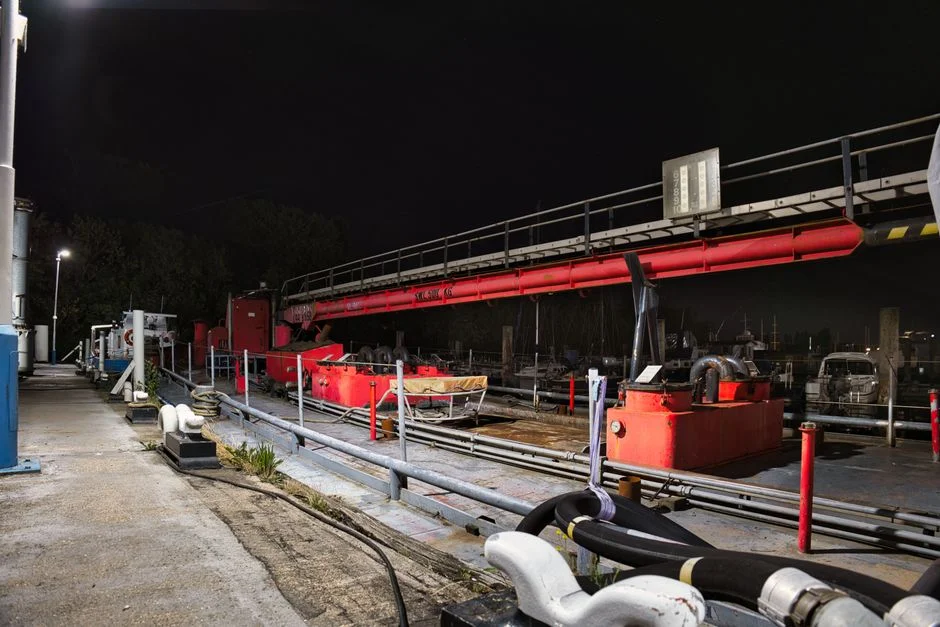
The technical offer should define the DAF skid duty point, available footprint, utilities, controls, material-of-construction options and documented operating sequence. Ask the supplier to identify the recycle system, compressor or air-supply arrangement, skimming method, sludge-withdrawal arrangement, control logic, access requirements and routine maintenance tasks. These details reveal whether the quoted unit can be installed and operated in the factory’s environment.
Require a process guarantee tied to the submitted wastewater analysis and agreed sampling points. A generic removal claim is not a valid acceptance basis. The guarantee should identify the inlet condition, flow basis, treated-water parameters, sampling method and test responsibilities. If the supplier cannot guarantee the specified duty, ask it to state the conditions on which its performance statement depends.
| Specification area | Information to request from the bidder |
|---|---|
| Process basis | Design flow, peak flow, wastewater analysis, treatment objective, duty point and performance-guarantee basis. |
| Construction | Material-of-construction options, tank and skid arrangement, corrosion provisions, dimensions and access clearances. |
| Utilities and controls | Power, compressed air, water, chemical demand, PLC or other control architecture, alarms and interlocks. |
| Installation and commissioning | Supply boundary, civil interfaces, erection, trial runs, sampling and acceptance tests. |
| Service | Operator training, manuals, recommended spares, warranty scope and local service-response commitment. |
Sludge handling belongs in the same purchase decision. For selected trains, evaluate the plate and frame filter press for industrial sludge dewatering. It is available with filtration areas from 1 m² to 500 m² and manual, hydraulic or fully automatic PLC-controlled operation. Match press area and operating mode to the expected sludge mass, solids concentration and dewatering objective; the final selection also depends on the DAF and pretreatment arrangement.
For a Mumbai installation, ask how commissioning will be affected by local access, power quality, operator availability, monsoon-related site conditions and imported spare-part lead times. The supplier should identify what it will provide and what remains the buyer’s responsibility.
Build a Quotation-Ready DAF and ETP RFQ
A comparable quotation requires the same technical boundary and cost breakdown from every bidder. Start with daily average flow, peak hourly flow, operating hours, batch-discharge profile and any future expansion allowance. Attach recent representative laboratory results, a description of the manufacturing process, production changes, receiving requirements and agreed reuse targets. State whether the wastewater contains segregated oils, emulsified oils, detergents, dyes, solvents or high-solids wash water.
Define the complete treatment scope: pretreatment, equalization, DAF, downstream biological or tertiary treatment, sludge handling, controls, utilities, footprint, civil interfaces, installation and commissioning. Require a written operating sequence and P&ID or equivalent process schematic so bidders are pricing the same process rather than different interpretations of “DAF system” or “complete ETP.”
| RFQ package | Minimum information or document to request |
|---|---|
| Wastewater basis | Representative analyses, process description, average and peak flows, operating schedule, batch dumps and future expansion. |
| Treatment objective | Receiving route, consent conditions, required treated-water parameters and any reuse criteria. |
| Technical scope | Process flow diagram, equipment list, construction, controls, utilities, sludge route, footprint and installation boundary. |
| Commercial breakdown | Equipment, civil works, installation, commissioning, initial chemicals, spares, warranty and recurring operating items separated. |
| Acceptance and support | Performance guarantee, test method, training, documentation, maintenance schedule and service commitments. |
Use the 2026 DAF selection and cost framework as a technical companion for detailed selection criteria. A 10,000 GPD FOG interception DAF case study can illustrate emergency FOG-interception duties, but it concerns a North American project and must not be used as a Mumbai capacity or price benchmark.
Frequently Asked Questions
How much does an industrial DAF or ETP cost in Mumbai?
The research does not establish a defensible Mumbai price. A valid quotation requires the average and peak flows, wastewater analysis, treatment objectives, construction scope, site utilities, civil works and sludge-handling requirements. Buyers should require the equipment, civil work, installation, commissioning, initial chemicals, spares, warranty and recurring operating items to be priced separately.
Should a factory
Frequently Asked Questions
How much does an industrial DAF or ETP cost for a factory in Mumbai?
The cost of an industrial ETP or DAF system in Mumbai typically ranges from ₹15 lakhs to over ₹2 crores, depending on the hydraulic loading rate, complexity of pollutants, and automation level. Smaller decentralized units for low-volume discharge may start at ₹10-15 lakhs, while high-capacity, turn-key ETPs with tertiary treatment for Zero Liquid Discharge (ZLD) requirements can exceed ₹2 crores due to MEE (Multi-Effect Evaporator) or ATFD (Agitated Thin Film Dryer) integration.
Prices are heavily influenced by the civil work requirements, choice of stainless steel (SS 304/316) versus FRP construction, and the specific MPCB (Maharashtra Pollution Control Board) compliance standards required for your industrial sector. Installation costs in Mumbai often include a 10-15% premium for logistics and space-constrained site engineering compared to rural industrial zones.
Should our factory buy a DAF system or a complete ETP?
A DAF system is a specialized separation technology, not a standalone solution for total wastewater treatment. You should invest in a DAF system only if your effluent has high concentrations of fats, oils, grease (FOG), or suspended solids that need to be removed before secondary biological treatment. It acts as a primary clarifier to reduce the organic load (BOD/COD) on downstream aerobic or anaerobic systems.
A complete ETP is mandatory if your raw effluent contains dissolved organics, nitrogenous compounds, or heavy metals that require biological degradation or chemical precipitation. In most Mumbai industrial clusters, a complete ETP consisting of equalization, primary (DAF/coagulation), secondary (MBBR/SBR), and tertiary (sand/carbon filtration) stages is required to meet the stringent discharge standards set by the MPCB.
What DAF capacity and model do we need for our factory wastewater?
DAF capacity is determined by your peak hourly flow rate, measured in cubic meters per hour (m³/h), rather than daily average volume. To size the system, your engineer must calculate the surface overflow rate (SOR), which typically ranges between 5 to 15 m³/h/m² for industrial applications depending on the density of the suspended solids. You should select a model that provides at least 20% excess capacity to handle hydraulic surges.
When selecting a model, verify the air-to-solids ratio capability of the saturation system. A high-efficiency DAF should provide a micro-bubble size range of 10 to 50 microns. Models are generally categorized by plate pack surface area; ensure the model you choose is rated for the specific chemical oxygen demand (COD) reduction percentage required to protect your secondary biological processes.
What should we ask a DAF or ETP supplier before requesting a quotation?
Before requesting a quotation, provide the supplier with a detailed effluent characterization report including pH, TSS (Total Suspended Solids), BOD, COD, and oil/grease levels. Ask the supplier to provide a process flow diagram (PFD) and a guaranteed performance output, specifically the expected outlet values for TSS and COD after the DAF or ETP treatment.
Additionally, request a detailed operational expenditure (OPEX) breakdown, including expected chemical consumption (coagulants/flocculants in mg/L), power consumption in kWh, and sludge generation rates in kg/day. Inquire about the manufacturer's experience with similar industrial applications in the Maharashtra region and their ability to provide local service support for PLC/SCADA troubleshooting and spare parts availability.
Can a DAF system produce water good enough for reuse?
A DAF system alone cannot produce water suitable for reuse; it is strictly a solids-separation stage that removes physical contaminants. While it effectively lowers TSS and oil content, the resulting permeate still contains dissolved organics, salts, and pathogens that require further treatment.
To achieve water quality suitable for industrial reuse—such as cooling tower makeup or floor washing—the DAF effluent must undergo secondary biological treatment, followed by tertiary processes like Ultrafiltration (UF) and Reverse Osmosis (RO). The RO stage is critical for reducing Total Dissolved Solids (TDS) to levels appropriate for internal plant recycling, ensuring compliance with both process requirements and environmental sustainability goals.