How to Choose Between DAF and a Clarifier in 2026
For Orlando chemical-wastewater plants, choose DAF when oils, FOG, low-buoyancy solids, or chemically conditioned colloids are the primary separation targets; choose a lamella clarifier when dense, readily settleable solids dominate and clarified-water recovery is the goal. DAF uses 30-50 micron microbubbles to float conditioned solids for skimming, while a lamella clarifier separates by settling and inclined plates. Neither system alone establishes regulatory compliance. A defensible 2026 selection requires representative wastewater analysis, jar testing, pH-control review, materials-compatibility checks, and a downstream sludge-handling plan.
Equipment name is the least useful starting point. Selection should follow contaminant type, settleability, floatability, chemical-conditioning requirements, flow and load variability, available footprint, and the route available for separated solids. Flow rate matters, but it cannot establish equipment capacity without the corresponding pollutant loads and wastewater characteristics.
DAF is positioned for suspended solids, oils, greases, FOG, and conditioned material with low specific gravity. Clearwater Industries states that its DAF systems remove suspended solids, oils, and fats, with microbubbles specified at 30-50 microns (Clearwater Industries, April 27, 2026). A lamella clarifier is better aligned with dense, settleable solids that can separate through gravity and inclined-plate clarification.
Do not compare guaranteed flow rates, removal performance, footprints, or costs before establishing a common wastewater basis. Chemical production streams may also contain dissolved contaminants that remain after flotation or settling and require biological, membrane, oxidation, neutralization, or specialized treatment. Review an industrial DAF system and a lamella clarifier against the same stream-specific data, not generic equipment tables.
Why Chemical Wastewater Changes the Clarification Decision
Kemco Systems identifies sand, lint, oils and greases, heavy metals, and volatile organic compounds among contaminants found in industrial process wastewater; these materials do not respond to flotation and settling in the same way (Kemco Systems, undated technical page accessed in 2026). The dominant physical separation target must therefore be established before the equipment is selected.
| Wastewater characteristic | Effect on equipment selection | Evidence required before quotation |
|---|---|---|
| Oil, grease, or FOG | Supports flotation or upstream segregation; may remain dispersed without conditioning | Representative oil and FOG data across production conditions |
| Dense, settleable solids | Supports gravity and inclined-plate clarification | Suspended-solids concentration and settleability results |
| Colloidal or low-buoyancy solids | May require coagulation and flocculation before effective separation | Jar-test results for chemical type, dose, and contact time |
| Dissolved contaminants | Clarification alone does not establish their removal | Constituent-specific analysis and applicable treatment requirements |
| Variable batch chemistry | Changes conditioning demand and process reliability | Flow and load ranges, pH range, and chemical-production schedule |
Kemco describes automatic pH adjustment using acid or caustic dosing, a treatment tank with mixer, in-tank pH sensor, level control, metering pumps, an automated drain valve or pump, and a control panel (Kemco Systems, undated technical page accessed in 2026). For a chemical plant, pH control is part of the separation process because coagulation behavior and contaminant reactions depend on chemistry. An automatic chemical dosing system should therefore be specified around the tested chemistry rather than treated as an accessory.
Batch changes, precipitation, temperature variation, and incompatible chemical streams can invalidate conclusions drawn from a single sample. Source control, equalization, coarse filtration, and segregation of incompatible waste streams may be required before clarification. Neither flotation nor settling removes all dissolved chemical species, so any statement that the selected unit makes the wastewater compliant requires review against the actual discharge or pretreatment requirements.
How DAF and Lamella Clarifiers Separate Solids
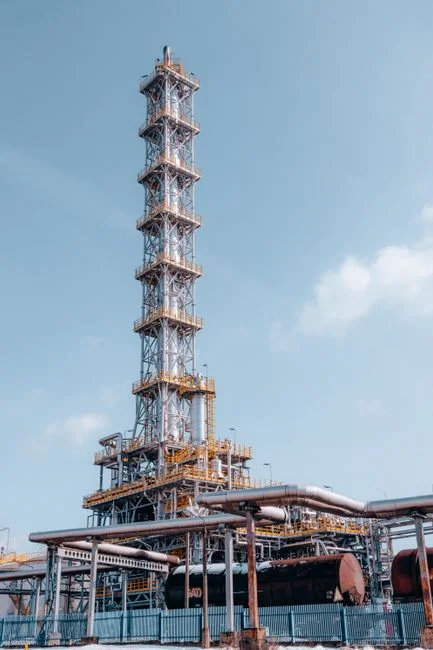
DAF and lamella clarification both depend on particle conditioning, a separation mechanism, and reliable residual-solids management; the primary difference is whether the target solids are floated or settled.
| Component | Dissolved air flotation | Lamella clarifier |
|---|---|---|
| Particle conditioning | Coagulation and flocculation increase particle size and bubble contact | Flocculation can support the settling of suspended material |
| Separation mechanism | 30-50 micron microbubbles attach to conditioned particles and carry them upward | Dense particles settle; inclined plates increase effective clarification area |
| Primary solids withdrawal | Surface skimmer removes floated sludge | Bottom collection and sludge withdrawal remove settled solids |
| Secondary behavior | Heavier solids settle into a bottom collection zone and are removed with an auger | Light or poorly flocculated material may float or remain dispersed |
| Critical support systems | Air saturation, recirculation, chemical conditioning, skimmer, and bottom-sludge removal | Flocculation, sludge recirculation, plate pack, and sludge withdrawal |
DAF recycles clarified water, pressurizes it, mixes it with pressurized air, and releases it into the flotation tank, where microbubbles form. Clearwater Industries specifies these bubbles as 30-50 microns (Clearwater Industries, April 27, 2026). After coagulation and flocculation, the bubbles attach to flocculated solids, lift them to the surface, and a paddle skimmer removes the floating sludge. Heavier material settles into a bottom collection zone for auger removal.
A lamella clarifier uses gravity-assisted settling and inclined plates to increase effective clarification area within a compact structure. The referenced lamella clarifier combines sludge recirculation, flocculation, and inclined-plate separation in one structure. The processes therefore overlap: most DAF systems also require a sediment compartment and sludge-extraction provisions, as Clearwater Industries notes in its DAF guidance (Clearwater Industries, undated technical page accessed in 2026).
Where DAF Has the Engineering Advantage
DAF has the clearest engineering advantage when floatable or low-specific-gravity material is the principal contaminant. Clearwater Industries identifies suspended solids, oils, greases, FOG, and associated pollutants as DAF targets and describes the process as removing material that floats or remains suspended (Clearwater Industries, undated technical page accessed in 2026).
The process train starts with equalization and coarse screening where needed, followed by chemical conditioning, flocculation, DAF separation, skimming, and sludge withdrawal. This sequence matters because bubble attachment is not a substitute for conditioning. Clearwater states that coagulant and flocculant treatment increases particle size and improves contact with the microbubbles (Clearwater Industries, April 27, 2026).
Chemical conditioning can also create a thicker, more dewatered sludge that may require little or no further dewatering, according to Clearwater Industries (undated technical page accessed in 2026). Treat that as a potential outcome, not a guaranteed result. Actual sludge behavior depends on the tested chemicals, wastewater composition, and the selected dewatering method.
Configuration should follow the application rather than a model name. Clearwater describes the FPAC as suitable for small-to-medium flows with very high TSS and FOG loads, the FPBC as a high-profile system for low-to-medium solids loads using lamella-pack technology, and the FPHF as a high-flow system for low-to-large solids loads (Clearwater Industries, April 27, 2026). These are manufacturer-defined configuration examples, not universal performance guarantees.
DAF also requires reliable chemical dosing, adequate recirculation, consistent air saturation, sludge withdrawal, and operator control. Clearwater’s COMPACT DAF integrates conditioning equipment, sensors, instruments, and a PLC panel, with operator adjustment of chemical dosing pumps, skimmer speed, and sludge discharge (Clearwater Industries, April 27, 2026). A failed support function can undermine separation even when the flotation tank is correctly sized.
Where a Lamella Clarifier Is the Better Fit
A lamella clarifier is the stronger candidate when dense, readily settleable solids dominate the load and the primary objective is clarified-water recovery within a compact footprint. Sludge recirculation and flocculation support settling, while inclined plates increase the effective clarification area available for solids to separate from the water.
The limitation is contaminant behavior. Oily, very light, or poorly flocculated material may float, remain dispersed, or interfere with the intended settling path. If oil and FOG are the principal target, DAF or upstream segregation deserves closer evaluation. If the stream contains both dense and floatable fractions, the required sequence of skimming, settling, and withdrawal must be established before selecting a single clarification format.
Clarification is an intermediate operation in a broader treatment train. A chemical plant may still need pH neutralization, biological treatment, filtration, membranes, or specialized contaminant removal after solids separation. No removal efficiency, surface-loading value, or installed-cost advantage should be assumed for an Orlando application without site-specific evidence.
When comparing a lamella clarifier with DAF, require the supplier to explain how the proposed configuration handles the actual oil, FOG, suspended-solids, and dissolved-contaminant fractions—not simply whether the vessel can accept the wastewater flow.
Compare the Two Systems Before Requesting a Quote
A defensible procurement comparison requires a common wastewater basis, defined controls scope, and a separately stated solids-disposal plan.
| Criterion | DAF | Lamella clarifier | Buyer action |
|---|---|---|---|
| Primary mechanism | Microbubble flotation | Gravity settling with inclined plates | Match mechanism to the dominant contaminant fraction |
| Best-fit material | Oil, grease, FOG, suspended solids, and conditioned low-buoyancy particles | Dense, readily settleable solids | Confirm with wastewater analysis and testing |
| Conditioning dependence | High when bubble contact or particle floatability is insufficient | Depends on the need to improve settleability | Require tested chemical type, dose, and contact time |
| Solids output | Floated sludge plus settled solids | Concentrated settled sludge | Define withdrawal, storage, and dewatering |
| Footprint implications | Requires flotation, saturation, skimming, and sludge zones | Uses inclined plates to increase effective clarification area | Compare the complete installed footprint |
| Controls | May integrate conditioning, sensors, instruments, and a PLC panel | Controls architecture must be specified by the supplier | List every I/O, alarm, and control requirement |
| Materials | Clearwater states standard construction in 304SS, with 316SS, polypropylene, and other materials available on request | Material selection depends on the proposed construction | Require compatibility review for both options |
Clearwater Industries states that its standard DAF systems are manufactured in 304SS, with 316SS, polypropylene, and other materials available on client request (Clearwater Industries, April 27, 2026). Apply the same chemistry-based review to clarifier materials. The controlling issue is compatibility with the actual process stream, cleaning requirements, and proposed chemicals.
Request one common data package from each supplier: representative flow and load data, batch variability, pH range, chemical inventory, oil and FOG content, settleability, temperature, available footprint, electrical requirements, and sludge-disposal route. Ask the supplier to state the wastewater basis, test protocol, controls scope, installation boundary, acceptance criteria, and performance-guarantee conditions.
There is no validated DAF-versus-lamella price comparison in the supplied research, so no price ranking is defensible. Request itemized capital equipment, installation, controls, chemical consumption, maintenance, energy, and sludge-disposal costs separately. A plate-frame filter press may be relevant to sludge dewatering, but its inclusion and cost should follow the solids balance rather than appear as an assumed accessory.
Use a Stage-Gated Selection and Testing Process
A stage-gated workflow separates what is known about the wastewater from what still requires testing before equipment is specified.
- Characterize the stream. Obtain representative flow, TSS, oil or FOG, pH, temperature, and suspended-solids settleability data across the relevant chemical-production stream and operating conditions.
- Run jar tests. Establish pH adjustment, coagulant and flocculant dose, mixing or contact requirements, and the relative behavior of settleable and floatable fractions.
- Pilot the leading option. Where variability, chemistry, or scale-up risk warrants it, test the selected DAF or lamella configuration with the actual wastewater and proposed conditioning chemicals.
- Complete the mass and water balance. Account for clarification, overflow, skum or sludge withdrawal, recirculation, and downstream dewatering or disposal.
- Write performance and delivery conditions into the purchase package. Tie any guarantee to the tested wastewater conditions and define materials, controls, utilities, installation, maintenance, spare parts, and acceptance criteria.
Clearwater Industries highlights onsite testing and pilot studies as part of determining a plant’s unique DAF requirements (Clearwater Industries, February 22, 2026). The same logic applies to a lamella clarifier: the tested chemistry, not a generic application list, should drive the configuration.
Automatic pH and chemical control belongs in the main design decision. The 2026 engineering guide to automatic dosing for wastewater treatment provides a useful reference for integrating pretreatment with separation instead of treating it as a downstream accessory.
Build the Full Treatment Train for an Orlando Factory
Clarification should be designed as one stage in a complete treatment train: source control and segregation, equalization, coarse screening or filtration, pH control, coagulation and flocculation, clarification, sludge treatment, and final biological, membrane, or specialized treatment where required.
Kemco’s treatment-train example places coarse filtration and pH control before DAF, then routes skimmed sludge to dewatering (Kemco Systems, undated technical page accessed in 2026). This sequence illustrates the engineering dependency: clarification performance depends on what reaches it, while sludge handling remains an obligation after it leaves the tank.
Without adequate coarse screening, sand, lint, and fibrous material can burden pumps, nozzles, and clarification equipment. A rotary mechanical bar screen may be relevant where the stream contains fibrous or coarse material, but screening requirements must follow the observed waste stream rather than a generic equipment selection.
The final design should coordinate chemical demand, sludge concentration, and the available disposal or beneficial-use route. Clarification can reduce the suspended-solids load, but it does not eliminate sludge-disposal obligations. Where further concentration is required, connect the solids balance to an appropriate filter-press dewatering system and include that route in the commercial comparison.
Frequently Asked Questions
How should DAF or a lamella clarifier be sized for a chemical-wastewater stream in Orlando?
Size against flow, pollutant loads, variability, pH, wastewater characteristics, jar-test results, available footprint, and the sludge-handling route. Do not select from peak flow or tank volume alone. The supplier should show how the proposed unit handles the tested oil, FOG, and suspended-solids fractions and how batch changes affect conditioning and capacity.
How should a factory select between a DAF manufacturer and a lamella-clarifier supplier?
Ask each bidder to define the wastewater basis, testing protocol, material selection, controls scope, performance-guarantee conditions, installation boundary, maintenance support, and acceptance criteria. A credible proposal should connect equipment configuration to the actual stream, not provide only a catalog flow range.
Which system costs less for industrial chemical wastewater treatment in Orlando?
The supplied research does not provide comparable DAF and lamella-clarifier prices, so neither system can be called less expensive. Request separate quotations for equipment, installation, controls, chemicals, energy, maintenance, and sludge treatment, then compare them against the same treatment duty and tested wastewater basis.
Does clarification alone make chemical wastewater compliant in Orlando?
No. Clarification removes separated solids, oil, grease, FOG, and other floatable material, but dissolved contaminants may remain. Coordinate the equipment selection with the applicable discharge or pretreatment requirements and site-specific analysis; do not assume a universal Orlando limit. The final train may also require biological, membrane, oxidation, neutralization, or other specialized treatment, as discussed in this 2026 comparison of biological treatment options for chemical wastewater.