
Choose a Wastewater Route Before Selecting Equipment
Hotel resort wastewater treatment in Jordan depends first on site infrastructure, wastewater characteristics and intended reuse. A property with a usable municipal sewer may choose connection, while a remote resort may need an on-site wastewater treatment system. The Arab Water Council’s Tala Bay case shows the decentralized model near Aqaba: treatment expanded from 300 m³/day to 1,000 m³/day, with recycled water used for irrigation. Selection must still address oil, salinity, odor, disinfection, maintenance and untreated discharge during failure.
The first project question is not which unit has the lowest purchase price; it is whether a lawful, reliable sewer connection exists. The Arab Water Council’s Tala Bay case states that development inside cities can usually connect to existing sewerage networks, while hotels in areas without collection coverage may have to construct their own plant. For a connected site, compare connection and tariff costs, civil works, operating responsibility and the value of on-site reuse against the capital, staffing, chemicals, sludge handling and redundancy required by a private plant. The regional effluent treatment plant buyer’s guide provides a useful process for separating those costs.
For an unconnected resort, establish the receiving environment, intended reuse points, standby provision and consequences of a treatment failure before selecting equipment. An on-site plant is not removable from the project plan: the Tala Bay source recommends including it within tourism investment and project costs. A separate domestic sewage treatment buyer’s guide can support early screening of the civil, biological and reuse scope.
| Decision | What the buyer must establish | Main commercial question |
|---|---|---|
| Connect to a municipal sewer | Connection point, available capacity, tariff schedule, discharge conditions and development contribution | Do avoided civil and operating costs exceed the value gained from on-site reuse? |
| Build an on-site plant | Receiving environment, reuse demand, land, standby route, sludge route and operating capability | What whole-life cost and discharge risk arise over the plant’s operating life? |
Use the Tala Bay Project as Jordan's Operating Benchmark
Tala Bay’s original treatment plant started operating in 2005 at 300 m³/day and was replaced by a 1,000 m³/day plant, making it a documented Jordanian benchmark rather than a generic resort design. The Arab Water Council reports a three-stage process: primary grit removal and sedimentation; secondary biological activated sludge with nitrogen removal; and tertiary polishing ponds followed by chlorination disinfection. Sludge is dried and transported for disposal.
Wastewater is pumped through a 250 mm trunk line extending 8 km, supported by four lifting stations inside the compound and four outside it. Treated water enters an 8,000 m³ storage tank. Irrigation use ranges from 500–1,000 m³/day as hotel occupancy changes, and some water is supplied to nearby hotels. The case also reports four local staff members, giving a useful comparison point for owner-operated and service-based operating models. The regional wastewater reuse and water-security review provides related context for assessing reuse strategy.
The financial figures are specific to Tala Bay: the Arab Water Council reports average fresh-water cost of USD 2.5–4/m³ and savings of USD 400–2,500/day from reuse. They are not quotations for other Jordanian resorts and should not be transferred into a budget without local pricing, occupancy and reuse assumptions.
| Benchmark item | Tala Bay value reported by the Arab Water Council |
|---|---|
| Initial and expanded treatment capacity | 300 m³/day initially; 1,000 m³/day after replacement |
| Collection system | 250 mm trunk line, 8 km long, with four lifting stations inside and four outside the compound |
| Treatment stages | Primary grit removal and sedimentation; activated sludge and nitrogen removal; polishing ponds and chlorination |
| Reuse storage | 8,000 m³ on-site tank |
| Irrigation demand | 500–1,000 m³/day, varying with occupancy |
| Fresh-water cost and reuse savings | USD 2.5–4/m³ and USD 400–2,500/day |
| Local staffing | Four staff members |
Design for the Wastewater a Hotel Actually Produces
A hotel treatment plant cannot be sized from guest-room wastewater alone. Build the design basis from occupancy and seasonal guest nights, laundry and kitchen flows, irrigation demand, groundwater infiltration and planned reuse quantities. Keep guest wastewater, laundry wastewater, restaurant wastewater, kitchen grease, swimming-pool discharges and stormwater as separate sampling and design streams until the engineer establishes whether they enter one treatment train.
The Tala Bay case identifies increased oil content as a factor affecting plant efficiency. That finding makes source tracing necessary: establish how much oil and grease enters from kitchens and food service, where laundry chemicals enter the collection system, and whether the selected biological process can tolerate the expected variation. DAF pretreatment for oil and grease may form part of the train, but it should follow a project-specific mass balance and solids-removal assessment rather than a generic equipment selection.
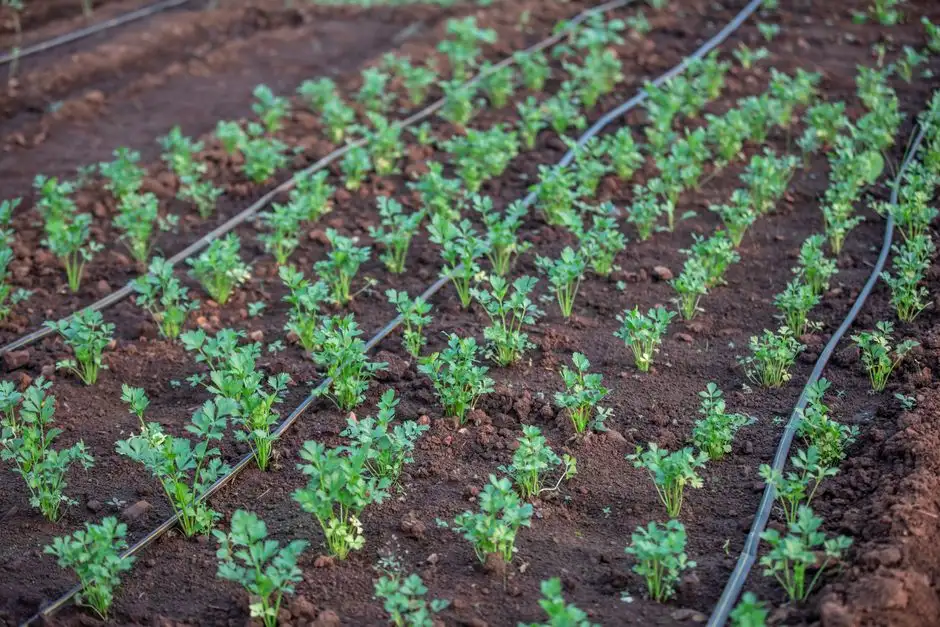
Salinity is equally important. The same Arab Water Council case reports that laundry and restaurant uses increased salinity enough to affect drip irrigation. Accordingly, conductivity testing and irrigation-compatibility work should accompany any scheme using recycled water for green areas. The research does not provide a universal Jordanian influent specification, so the buyer must obtain current requirements from the relevant Jordanian authority and the selected process designer.
Separate the treatment functions clearly:
- Physical: screening and solids removal protect downstream equipment, pumps and membranes.
- Biological: treatment addresses biodegradable organic load and, where designed for it, nitrogen removal.
- Chemical: process chemicals support the selected mechanism but do not replace upstream solids and oil control.
- Disinfection: final disinfection manages pathogens; it cannot compensate for ineffective upstream treatment.
Require an influent and reuse sampling programme that tests the parameters needed by the proposed process, the reuse application and the permit conditions.
Match Package, MBR and Pretreatment Systems to the Reuse Goal
A package treatment system, an MBR system and a municipal connection solve different investment and reuse problems. The underground package sewage treatment plant provides conventional treatment in an integrated anoxic/aerobic contact-oxidation, sedimentation and disinfection arrangement, with stated capacity from 1–80 m³/h. It is designed for automatic operation without an on-site operator and installation below grade with landscaping above. That footprint arrangement can suit a conventional treatment objective where below-grade installation and automated operation are priorities.
The MBR wastewater treatment system for water reuse combines activated sludge with submerged PVDF membrane filtration. Its stated capacity is 10–2,000 m³/day, its filtration specification is below 1 μm, and the manufacturer states that the footprint is 60% smaller than conventional systems. Those specifications make MBR relevant where compact biological separation and a higher-grade reuse path justify the additional process complexity.
MBR should not be described as automatically suitable for potable reuse. The required quality must be set by the actual reuse application and confirmed through project-specific analysis, pilot work where required and permit review. Before ordering, compare incoming and outgoing hydraulic loads, treatment objectives, chemical use, sludge production, odor control, footprint, automation, operator requirements, redundancy and expansion path. An MBR versus conventional activated sludge comparison is useful for structuring that technical review.
DAF is a pretreatment option, not a substitute for biological treatment or disinfection. The DAF catalog specifies 4–300 m³/h across 13 standard models. It may be relevant where oil, grease, FOG, colloids or suspended solids could impair downstream treatment.
| Route | Treatment basis | Stated capacity or scale | Best fit to test | Principal risk to resolve |
|---|---|---|---|---|
| Municipal connection | Network collection and off-site treatment | Depends on network capacity and tariff structure | Connected site where sewer access and discharge conditions are secure | Capacity, tariffs, connection works and loss of direct reuse control |
| WSZ package plant | Anoxic/aerobic contact oxidation, sedimentation and disinfection | 1–80 m³/h | Conventional sewage treatment with below-grade installation and automatic operation | Actual peak load, pretreatment needs and reuse quality |
| MBR system | Activated sludge with submerged PVDF membrane filtration | 10–2,000 m³/day | Compact biological separation and a defined higher-grade reuse path | Complexity, membrane fouling, salinity and specialist O&M |
| DAF pretreatment | Physical separation before downstream treatment | 4–300 m³/h across 13 standard models | Oil, grease, FOG, colloids or suspended-solids load | Chemical demand, recovered-solids handling and hydraulic integration |
Build a Collection and Reuse Network That Protects the Site
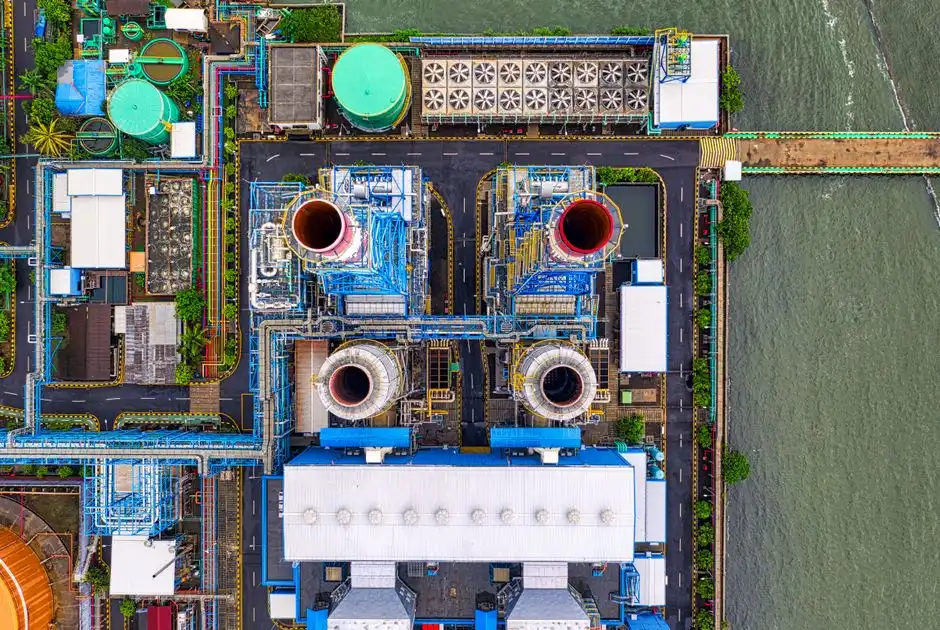
Collection design determines whether the treatment process receives the flow it was designed for. Map every source to its correct pretreatment point, then evaluate the hydraulic route from guest areas through pumping, treatment, storage and reuse outlets. The Tala Bay architecture provides a benchmark: a 250 mm main trunk line extending 8 km, with four lifting stations inside the resort compound and four outside it.
That station count should not be copied. Determine wet-well and lift-station requirements from site elevation, access, peak flow, maintenance access and the consequences of a pump failure. Include power loss, ingress, odour control and a standby operating response in the risk review. The MBR’s biological and membrane stages do not remove this upstream responsibility.
Storage should accommodate reuse variability and interruptions. Tala Bay has an 8,000 m³ tank, while reported irrigation use varies from 500–1,000 m³/day with occupancy. A proposed resort should test storage against seasonal demand, treatment downtime, disposal or off-take arrangements and the difference between production and immediate reuse. Do not treat storage capacity as a substitute for a reliable standby strategy.
Map irrigation, toilet flushing and other reuse outlets only after the treated-water quality, salinity, seasonal demand and regulatory route are established. The Tala Bay source reports that salinity affected drip irrigation even though recycled water was successfully used for green areas. That means irrigation-system compatibility must be checked separately from biological treatment performance. A membrane system can produce separated effluent, but the buyer must still control upstream solids, oil, salinity and fouling, and define the final disinfection requirement.
Design the plant, collection network, storage and reuse points as one hydraulic and risk-control system. Treating them as separate packages creates gaps between the source, the process and the point of use.
Plan for Permits, Reliability and Lifecycle Performance
Jordan wastewater approvals must be resolved against the actual receiving route and reuse application. Confirm sewer-discharge, reuse, groundwater and environmental requirements with the relevant Jordanian authorities before finalizing the treatment objective. The supplied research does not establish one universal numeric limit for a Jordanian hotel discharge, so no generic effluent specification should be inserted into the tender without written project requirements.
Make the process boundaries explicit: pretreatment, biological treatment, final treatment and disinfection. Require discharge and reuse monitoring tied to permit conditions, with defined sampling points, instruments, data ownership and response actions. The project should also define what happens when a parameter exceeds its operating or discharge limit.
The Tala Bay case provides a useful risk register. The Arab Water Council identifies three material risks: plant failure can result in untreated discharge to the sea; reduced treatment efficiency can create odour; and increased oil in the wastewater affects plant efficiency. These are not abstract concerns. They should produce contractual requirements for standby provisions, odour controls, grease and oil management, alarm escalation, shutdown response and emergency storage or disposal.
The O&M plan must cover screening, biological-process control, membrane or media maintenance, chemicals, sludge handling, odour control, sampling and backup arrangements. The case reports local operating experience but limited expertise in advanced process techniques. Buyers should therefore assess training, remote support, response time and local service access as procurement criteria, particularly where MBR or other advanced treatment is proposed.
Evaluate whole-life value using freshwater avoided, reuse revenue, labour, chemicals, sludge disposal, maintenance, downtime and expansion requirements. Tala Bay’s USD 400–2,500/day saving is a reported case benchmark, not a guaranteed return. Build a project-specific model using local tariffs, actual occupancy and verified reuse quantities. An advanced biological-process consent review illustrates why monitoring and performance evidence belong in the operating plan, while a pretreatment compliance review supports defining treatment boundaries before procurement.
Use a Pre-Order Engineering and Acceptance Checklist
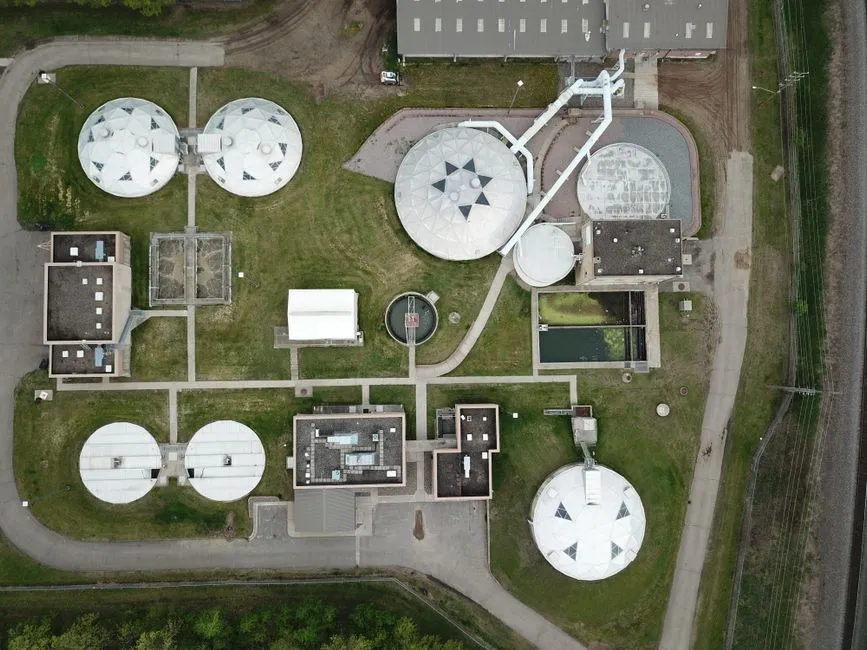
A defensible equipment order follows a documented engineering sequence:
- Screen the site: document sewer availability, receiving environment, intended reuse, peak and seasonal flows, wastewater sources, land constraints and expansion plans.
- Establish the design basis: complete source-specific sampling and define the required effluent and reuse objectives before selecting a process.
- Issue the engineering package: prepare a process basis, hydraulic balance, preliminary equipment list, utilities demand, controls philosophy, odour and noise plan, sludge plan and preliminary site layout.
- Define acceptance: include factory acceptance testing, site acceptance, performance testing, operator training, spares, monitoring, emergency response and warranty obligations in the supply scope.
- Make bids comparable: require proposals to separate equipment, civil works, installation, commissioning, permit support, sludge removal, O&M and consumables.
The packaged sewage treatment plant sizing guide provides additional structure for checking hydraulic selection, although the final basis must reflect the Jordanian resort’s wastewater and reuse requirements. No equipment order should precede site data, the reuse decision and written permit requirements.
Frequently Asked Questions
What capacity should a hotel resort wastewater treatment system in Jordan be designed for?
The Tala Bay benchmark is 300 m³/day initially and 1,000 m³/day after expansion, according to the Arab Water Council. It is a reference point, not a design rule. Size the actual plant from occupancy, seasonal guest nights, source-specific flows, infiltration, peak demand and planned reuse. The buyer should require a hydraulic balance that distinguishes average flow, peak flow and reuse demand.
What will a Jordanian resort wastewater treatment and reuse system cost?
The only supported case figures are from Tala Bay: fresh water cost of USD 2.5–4/m³ and reported reuse savings of USD 400–2,500/day. They are case-study values, not quotations or guaranteed returns. Request a project budget separating equipment, civil works, installation, commissioning, permits support, chemicals, sludge disposal, O&M and expansion, then model savings against verified local water prices and reuse volume.
How should a buyer select a wastewater treatment supplier?
Require the supplier to demonstrate a treatment basis built from the resort’s sampled wastewater, not a generic unit selection. The proposal should include the hydraulic basis, treatment objectives, utilities, controls, O&M scope, performance tests and acceptance criteria. Check that the process handles the actual oil, solids and salinity conditions, and that local operators or service partners can support the proposed technology.
What compliance risk should be resolved before ordering equipment?
Confirm the receiving route, discharge point, reuse application and current permit requirements with the relevant Jordanian authorities before ordering. Ask each bidder to map its proposed treatment and monitoring scope to those written requirements. This review should also define failure management, because the Arab Water Council reports that untreated water could reach the sea if the Tala Bay plant failed.
When is a package plant more suitable than MBR for a resort?
A package plant is generally relevant to conventional sewage treatment where below-grade installation and automatic operation are priorities. An underground package sewage treatment plant is a candidate for that route. An MBR wastewater treatment system for water reuse becomes more relevant when compact biological separation and a defined higher-grade reuse path justify added process complexity. Neither route should be selected before sampling, reuse objectives and permit review.
Related Equipment
- DAF pretreatment for oil and grease — specifications, capacity range, and technical data