Which clarification technology fits the factory's waste?
For most Bowling Green plastics and rubber factories with light solids, oils, grease, fillers, surfactants, or emulsions, DAF is usually the stronger 2026 choice because microbubbles can float contaminants that do not settle reliably in a conventional clarifier. Clearwater reports DAF microbubbles of 30–50 µm, while Energycle reports 20–70 µm and 95–99% TSS and similar FOG removal when chemical conditioning is correct. A lamella or gravity clarifier is more appropriate when contaminants are dense, fast-settling, and already conditioned for separation. The right choice still depends on flow variation, wastewater composition, effluent target, available footprint, and downstream treatment—not on flow rate alone.
Plastics molding, extrusion, and compounding lines should be evaluated separately from plastics recycling wash water. Molding and compounding streams can vary with release agents, fillers, cleaning chemicals, and batch production. Recycling wash water can contain labels, fines, oils, detergent carryover, and microplastics, making screening and equalization important before clarification. Rubber manufacturing wastewater also needs its own profile: oils, grease, latex or polymer residues, fillers, carbon black, surfactants, and batch-discharge behavior can all change the required process.
The EPA’s four-phase sequence remains a sound procurement framework: define the project, establish baseline data, evaluate and select treatment processes, and implement the selected plan. It is reproduced in Municipal Wastewater Reuse: Selected Readings on Water Reuse (EPA, September 1991). The source is old, but its project structure remains relevant; it does not establish a universal Bowling Green effluent limit.
No technology should be selected from the city name, average flow, or a generic “plastics and rubber” label. Use the comparison of suspended-solids removal technologies to frame the alternatives, then base the decision on the actual contaminant profile and treatment objective.
How DAF and clarifiers remove different contaminants
DAF and lamella clarification use different separation mechanisms, so their fit depends on whether the contaminant can be floated or will settle. The following comparison is a process-selection guide, not a site performance guarantee.
| Feature | Dissolved air flotation | Lamella or gravity clarifier |
|---|---|---|
| Separation mechanism | Chemical conditioning, pressurized-air microbubbles, and surface skimming | Flocculation, sludge recirculation, and inclined-plate or gravity settling |
| Strongest contaminant fit | Light solids, emulsified oils, FOG, floatable biological flocs, and some fillers | Dense, fast-settling solids and conditioned suspensions |
| Documented bubble range | 30–50 µm, according to Clearwater Industries (April 27, 2026); 20–70 µm, according to Energycle | Not applicable |
| Emulsified oil | Can remove effectively after successful conditioning | Lamella plates do not inherently remove emulsified oil |
| Key operating inputs | Chemical type and dose, recycle flow, saturation pressure, skimmer operation, and equalization | Flocculation, settling area or surface loading, sludge withdrawal, and recirculation |
Clearwater describes DAF as chemical conditioning followed by microbubble flotation and mechanical skimming. Its current DAF page, dated April 27, 2026, specifies 30–50 µm microbubbles. Energycle describes 20–70 µm microbubbles and identifies plastic recycling as an application where fines, labels, oils, detergent carryover, and microplastics can be removed after screening and equalization.
A lamella clarifier provides inclined settling area, while a gravity clarifier relies on settling velocity and residence time. The HydropureWater lamella clarifier lists surface-loading rates of 20–40 m/h; that is a catalog description, not a site-specific design guarantee. Lamella plates improve solids capture, but they do not make emulsified oil float. That still requires suitable chemistry and operating control.
For complex plastics and rubber waste, chemical conditioning and equalization are process components, not optional accessories. The HydropureWater dissolved air flotation system must be evaluated as a system with automatic chemical dosing, recycle, and equalization. Clarifiers likewise require flocculation, sludge withdrawal, and stable hydraulic flow.
Compare performance, footprint, sludge, and operating demands
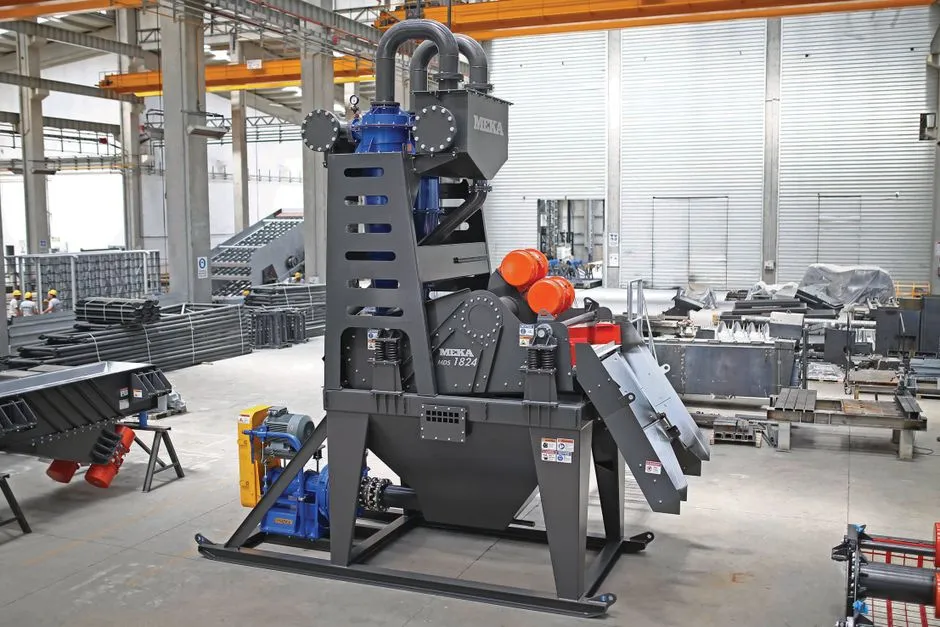
DAF is generally the stronger choice when removal of light or emulsified contaminants is the main objective; lamella clarification is generally stronger for dense solids removal. The purchase decision should cover the whole system rather than compare vessel price or supplier-reported removal percentages.
| Decision factor | DAF | Lamella or gravity clarifier |
|---|---|---|
| Primary treatment role | Remove suspended solids and floatable contamination | Remove settleable solids by gravity or inclined-plate separation |
| Chemical dependence | Generally high for emulsions, fine solids, and complex industrial waste | Depends on conditioning and settleability; some dense solids need little chemistry |
| Equalization | Critical for stable dosing, recycle operation, and production peaks or batch discharges | Important for stable settling and hydraulic loading |
| Footprint | Compact in relation to gravity settling | Lamella units reduce area; gravity units generally require greater plan area |
| Hydraulic basis | Higher loading than traditional gravity settlers, according to Energycle | HydropureWater lists 20–40 m/h lamella surface loading; final basis requires site design |
| Sludge stream | Skimmable float sent to dewatering | Settled sludge sent to collection and dewatering |
| Controls | Chemical dosing, recycle, skimmer speed, and upset response | Feed control, flocculation, sludge withdrawal, and recycle control |
Energycle reports 95–99% TSS removal and similar FOG removal for DAF when coagulation and flocculation suit the wastewater. That is a conditioned-system benchmark, not a guarantee for an unspecified factory. Performance depends on influent characteristics, chemical dose, and recycle ratio, which Energycle says should be confirmed by jar testing or a pilot trial.
Footprint also changes downstream requirements. Energycle states that DAF can operate at higher hydraulic loading rates than traditional gravity settlers and that upstream removal of suspended solids and floatable contamination reduces BOD and TSS loading on aerobic or anaerobic biological stages. Equalization is identified by Energycle as the most effective way to protect DAF during production peaks and batch-discharge events.
Sludge is a total-cost issue. Energycle states that DAF float typically has higher solids content than settling sludge, but actual concentrations must be established during pilot testing. Compare the plate-and-frame filter press or another dewatering option using measured float or settled-sludge properties, chemical demand, filtrate quality, labor, and disposal route. A lower float volume is not useful if the material is difficult to dewater.
Map the wastewater before selecting equipment
A defensible 2026 selection starts with a wastewater characterization program, not a vendor flow-capacity list. The factory must define the treatment objective and collect representative data before comparing DAF and clarifier quotations.
| Information to obtain | Why it affects the decision |
|---|---|
| Average and peak flow; batch-discharge pattern | Sets hydraulic capacity and equalization requirements |
| TSS, FOG, BOD, pH, and temperature | Defines loading, chemistry needs, biological pretreatment, and materials constraints |
| Conductivity or salinity, where relevant | Influences chemistry, corrosion, and coagulation behavior |
| Particle density, size, buoyancy, settleability, and floatability | Directly indicates whether gravity separation or flotation is more credible |
| Emulsified oil and surfactant content | Shows whether conditioning and DAF are needed for oil removal |
| Discharge or reuse target and available footprint | Defines required performance, layout, and downstream treatment |
Test for emulsified oil and surfactant content rather than relying on FOG alone. Light emulsified contamination generally favors DAF after successful conditioning. Dense grit may require screening or separate pretreatment; a rotary mechanical bar screen can protect downstream equipment from coarse debris but does not replace clarification.
The EPA reuse guidance states that monitoring should cover hot, cold, dry, and wet seasons for a full year when credible seasonal variation exists. Where that duration would compromise the project schedule, use an accelerated campaign that captures production campaigns, cleaning events, and batch discharges, then explain the limitation in the design basis.
Run jar tests to compare chemical type, dose, settling behavior, and flotation response. Then confirm the preferred train with a pilot trial using actual wastewater. The control specification should address chemical dosing, recycle flow, skimmer speed, sludge removal, equalization level, and upset conditions. Without those tests, any guarantee is disconnected from the factory’s waste.
Build the complete treatment train
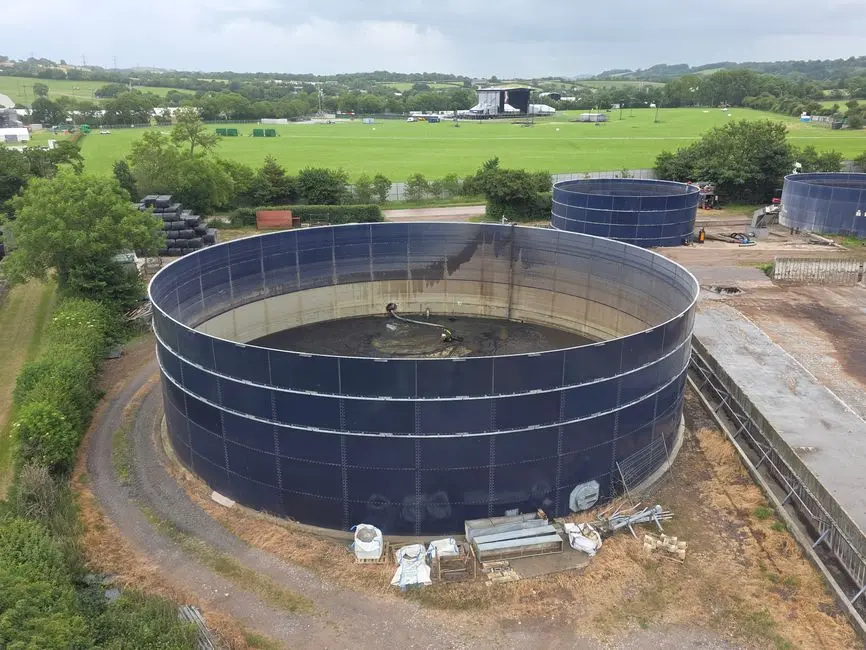
Clarification should be specified as one stage in a treatment train. A typical sequence is screening, equalization, chemical conditioning, clarification, biological treatment where required, polishing or disinfection where required, and sludge dewatering. Each stage has a distinct purpose; no clarification device should be expected to perform every pretreatment function.
For plastics recycling wash water, screening comes first. Labels, plastic pieces, and fibrous debris can foul pumps, recycle equipment, and sludge handling. Equalization then blends production peaks and batch discharges before chemical dosing and clarification. If the clarified water returns to the washing line, define the required reuse quality and validate the process against that target; clarification alone does not establish suitability for reuse.
Where biological treatment follows, position DAF upstream when the waste contains floatable oils, FOG, or suspended solids. Energycle states that removing suspended solids and floatable contamination upstream reduces BOD and TSS loading on aerobic or anaerobic stages. This can improve biological stability, but the factory must still verify organic biodegradability, nutrients, toxicity, and treatment loading.
Reuse and permit compliance require separate decisions. Clarification may support recirculation by removing solids and floatables, but reuse suitability requires a defined quality target and process validation. The applicable sewer authority or discharge permit must also be confirmed for the facility. The supplied research does not establish a universal Bowling Green effluent limit. The MBR sizing for industrial white water is relevant only if membrane biological treatment is actually required, while the broader industrial wastewater treatment guide illustrates the need to connect process, compliance, and operating requirements.
Compare lifecycle cost and supplier risk
The lowest clarification-equipment price is not necessarily the lowest project cost. Compare installed systems, operating inputs, chemical consumption, downstream sludge handling, and the risk of failing the required effluent or reuse target.
| Quotation item | Buyer check |
|---|---|
| Mechanical equipment | Clarification vessel, recycle system, compression equipment, skimmer or sludge collection, and materials of construction |
| Process equipment | Chemical conditioning, controls, instrumentation, and equalization interfaces |
| Installation | Foundations, utilities, piping, electrical work, site access, and integration with existing drains and tanks |
| Operations | Chemical consumption, power, maintenance, operator training, and replacement parts |
| Downstream handling | Sludge transport, dewatering, filtrate management, and disposal or reuse |
| Commercial terms | Performance guarantee, exclusions, commissioning support, warranty, service plan, delivery, and schedule |
The supplied sources contain no defensible 2026 dollar range for Bowling Green, so a local budget must come from a site-specific quotation. Ask each supplier to identify the design basis, applicable flow range, performance basis, materials, control philosophy, and exclusions. A catalog flow range indicates available equipment configurations; it does not prove that a unit will meet the factory’s loading and effluent target.
Delivery and commissioning also require written confirmation. Energycle states that standard packaged systems may be delivered and commissioned within a few weeks, while larger or custom-engineered systems take longer and require engineering confirmation. This is a general supplier statement, not a guaranteed lead time for a particular project.
Use pilot results and measured chemical consumption from actual wastewater to compare alternatives. Add startup support, spare parts, warranty terms, and performance guarantees to the evaluation. The technical distinctions in the DAF and oil-water-separator comparison are useful, but any claimed FOG outcome still requires project-specific evidence.
Make the final 2026 selection
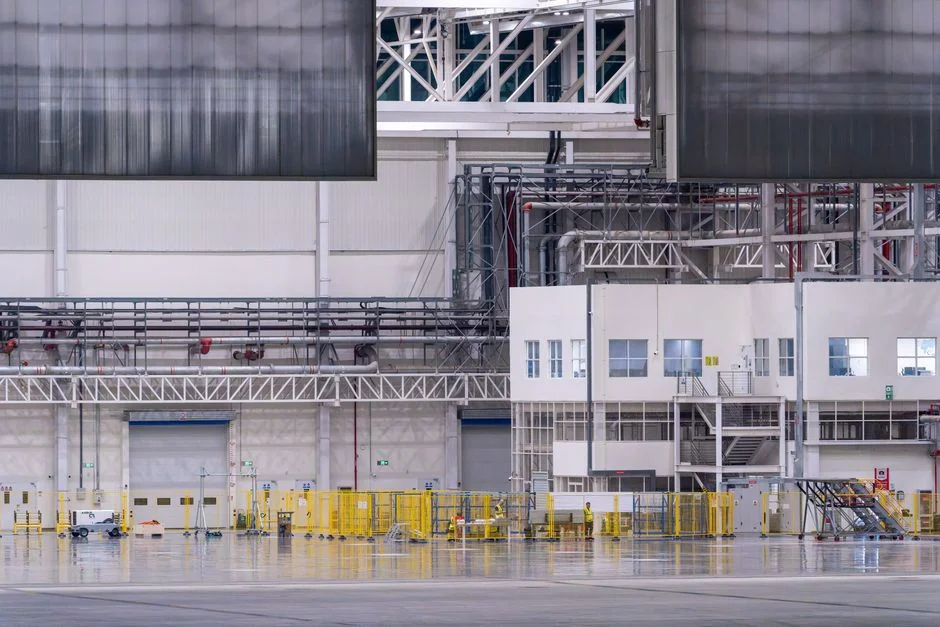
Select DAF when the waste contains light solids, FOG, emulsions, fillers, surfactants, or variable floatables and the plant can provide equalization, chemical conditioning, and skilled operation. Select a lamella or gravity clarifier when solids are dense and fast-settling, clarification is the primary objective, or the process needs lower chemical intensity and a simpler gravity-separation step.
Consider a hybrid train when coarse debris, light floatables, and dense solids occur together. Screening, equalization, conditioning, and clarification may need separate equipment, and trying to make one clarification device perform all those functions increases upset and maintenance risk.
Finalize the choice only after side-by-side pilot results demonstrate the required discharge or reuse target under representative loading. The final proposal should include the treatment objective, design basis, process flow, materials, controls, guarantees, installation scope, and commissioning plan. The industrial ETP and DAF selection guide provides a broader framework, but the factory’s wastewater data and local permit requirements remain controlling.
Frequently Asked Questions
Should a Bowling Green plastics or rubber factory choose DAF or a lamella clarifier?
Choose DAF when the wastewater contains light, emulsified, or readily floatable contamination and the factory can control chemical dosing, equalization, recycle flow, and skimmer operation. Choose a lamella clarifier when the solids are dense, fast-settling, and the main objective is gravity separation. If both contaminant types are present, evaluate a hybrid train rather than assuming one unit can perform every pretreatment function.
What flow capacity is needed for a plastics or rubber wastewater DAF system?
The supplied research lists a HydropureWater DAF range of 4–300 m³/h and an Energycle ERM-DAF range of 2–100 m³/h. Those are catalog ranges, not a recommended plant size. Final sizing requires average and peak flow, batch-discharge behavior, contaminant loading, chemistry, temperature, available footprint, and the required effluent or reuse performance.
What evidence should a buyer obtain before selecting a supplier?
Request the design basis, representative wastewater and pilot data, materials selection, control philosophy, performance guarantee, installation scope, commissioning plan, service support, and spare-parts plan. Also require the supplier to state exclusions and identify whether the quoted guarantee applies at average flow, peak flow, or a stated operating envelope.
How should budget be compared for DAF and clarifier systems?
Compare the total installed cost and expected operating cost, including chemical conditioning, power, controls, equalization, installation, downstream sludge dewatering, maintenance, and disposal. The supplied research contains no verified 2026 prices for Bowling Green, so request itemized site-specific quotations rather than relying on generic equipment prices or an assumed cost range.