Tucson’s industrial facilities face strict Pima County discharge limits (e.g., COD ≤ 250 mg/L, TSS ≤ 30 mg/L) and water hardness challenges (200–400 mg/L CaCO₃), requiring tailored wastewater treatment solutions. Dissolved Air Flotation (DAF) systems achieve 92–97% TSS removal, while MBR systems deliver near-reuse-quality effluent (COD ≤ 50 mg/L) in 60% less footprint. CAPEX ranges from $50K for chemical dosing skids to $5M for turnkey MBR plants, with OPEX varying by influent load and energy costs ($0.10–$0.30/m³).
Why Tucson’s Industrial Wastewater Treatment Needs Are Unique
Pima County’s 2024 Industrial Pretreatment Program mandates specific discharge limits for industrial wastewater, including Chemical Oxygen Demand (COD) ≤ 250 mg/L, Total Suspended Solids (TSS) ≤ 30 mg/L, and a pH range of 6.0–9.0, compelling local industries to implement robust pretreatment solutions. These stringent regulations, outlined in Pima County’s Industrial Pretreatment Program guidelines, are critical for protecting the regional wastewater collection system and the Tres Rios Water Reclamation Facility (WRF). Facilities failing to meet these standards face significant surcharges and potential fines, driving the demand for effective food processing wastewater treatment compliance guide and other industrial applications.
Beyond regulatory hurdles, Tucson’s inherent water quality presents an additional challenge: high water hardness, typically ranging from 200–400 mg/L CaCO₃ (EAI Water data). This elevated mineral content increases the risk of scaling and fouling within wastewater treatment equipment, particularly in systems like DAF units and reverse osmosis (RO) membranes, if used for tertiary treatment. Such scaling can significantly reduce equipment lifespan, increase maintenance frequency, and necessitate higher chemical dosing for anti-scalants, thereby elevating operational costs for industrial wastewater treatment in Tucson.
A notable local example highlights these challenges: a brewery in Tucson was fined $45,000 for consistently exceeding its TSS discharge limits, demonstrating the financial repercussions of non-compliance. To rectify this, the brewery implemented a combined pretreatment system consisting of a Tucson-ready DAF system for FOG and TSS removal followed by chemical dosing for enhanced clarification, as detailed in a Brewery Wastewater Design example. This integrated approach allowed them to consistently achieve discharge compliance and avoid further penalties. industrial facilities in Tucson can strategically partner with the Tres Rios WRF’s Class A biosolids program, which offers a pathway to reduce sludge disposal costs by up to 40% by producing high-quality biosolids suitable for beneficial reuse, a key consideration for optimizing overall operational expenditure.
| Parameter | Pima County Discharge Limit | Typical Industrial Influent (Example) | Impact on Treatment |
|---|---|---|---|
| Chemical Oxygen Demand (COD) | ≤ 250 mg/L | 500-2,000 mg/L (Brewery, Food Processing) | Requires biological or advanced chemical oxidation |
| Total Suspended Solids (TSS) | ≤ 30 mg/L | 100-500 mg/L (Food Processing, Manufacturing) | Primary target for physical/chemical separation |
| pH | 6.0–9.0 | 3.0-11.0 (Acid/Alkaline Cleaning) | Mandates neutralization prior to discharge |
| Oil & Grease (FOG) | ≤ 100 mg/L | 50-300 mg/L (Meat Processing, Restaurants) | Specialized separation, e.g., DAF, required |
| Water Hardness (CaCO₃) | N/A (Influent characteristic) | 200-400 mg/L (Tucson Municipal Supply) | Increases scaling risk in equipment, higher maintenance |
Tucson’s Industrial Wastewater Treatment Technologies: Specs, Costs, and Compliance Fit
Dissolved Air Flotation (DAF) systems, such as HydropureWater’s, consistently achieve 92–97% TSS removal and 90–95% FOG removal, making them a primary choice for facilities managing fats, oils, and grease from operations like food processing or slaughterhouse wastewater treatment specs and costs. These systems operate by saturating wastewater with air under pressure, then releasing it at atmospheric pressure, creating micro-bubbles (typically 20–50 µm) that attach to suspended solids and FOG particles, floating them to the surface for efficient skimming. CAPEX for DAF systems in Tucson typically ranges from $150,000 for smaller units (4 m³/h) to $1.2 million for larger industrial applications (up to 300 m³/h), with OPEX averaging $0.15–$0.25/m³ depending on energy consumption and chemical flocculant use. Their high skimming efficiency makes them effective for initial solids and FOG removal, significantly reducing the load on subsequent treatment stages.
For facilities requiring superior effluent quality and a reduced footprint, MBR systems, specifically HydropureWater's WSZ series, offer an advanced solution, delivering COD removal rates of 95–98% and TSS concentrations consistently below 1 mg/L, often achieving near-reuse-quality effluent. These MBR systems for near-reuse-quality effluent in Tucson integrate biological treatment with membrane filtration (e.g., ultrafiltration or microfiltration), eliminating the need for traditional clarifiers and tertiary filters. This compact design results in up to a 60% smaller footprint compared to conventional activated sludge systems. CAPEX for MBR plants in Tucson ranges from $800,000 for small-scale operations (10 m³/day) to $5 million for large industrial facilities (up to 2,000 m³/day). OPEX typically falls between $0.20–$0.30/m³, with membrane replacement being a primary driver, usually occurring every 5–8 years depending on influent quality and operational practices.
Chemical dosing systems provide a cost-effective and flexible solution for targeted treatment, capable of achieving COD reductions of 70–85% for high-strength effluents common in breweries or food processing, and significant TSS precipitation. These systems utilize PLC-controlled chemical dosing for Tucson’s high-strength effluents to precisely inject coagulants (e.g., ferric chloride, aluminum sulfate), flocculants (e.g., polymers), and pH adjusters. This precision ensures optimal chemical reaction and minimizes reagent consumption. CAPEX for a complete chemical dosing skid in Tucson ranges from $50,000 to $200,000, making it an accessible initial investment. OPEX is typically $0.10–$0.20/m³, predominantly driven by the cost of chemicals and energy for mixing. For Pima County compliance, MBR systems often meet stringent COD/TSS limits without requiring additional tertiary treatment, whereas DAF systems excel at primary TSS/FOG removal but may necessitate further biological or chemical polishing to meet strict COD benchmarks.
| Technology | Key Parameter Removal | Removal Efficiency | Typical CAPEX (Tucson) | Typical OPEX ($/m³) | Pima County Compliance Fit |
|---|---|---|---|---|---|
| DAF | TSS, FOG, some BOD/COD | TSS 92-97%, FOG 90-95%, BOD/COD 30-60% | $150K – $1.2M | $0.15 – $0.25 | Excellent for primary TSS/FOG; often needs secondary/tertiary for full COD compliance. |
| MBR (WSZ Series) | COD, BOD, TSS, Nutrients | COD 95-98%, BOD >98%, TSS < 1 mg/L | $800K – $5M | $0.20 – $0.30 | Achieves direct compliance for most parameters; produces near-reuse quality effluent. |
| Chemical Dosing | COD, TSS, pH adjustment, Heavy Metals | COD 70-85% (high-strength), TSS 60-80% | $50K – $200K | $0.10 – $0.20 | Effective for targeted removal and pH control; often used as pretreatment or polishing step. |
Step-by-Step Guide to Selecting Wastewater Treatment Equipment for Tucson Facilities
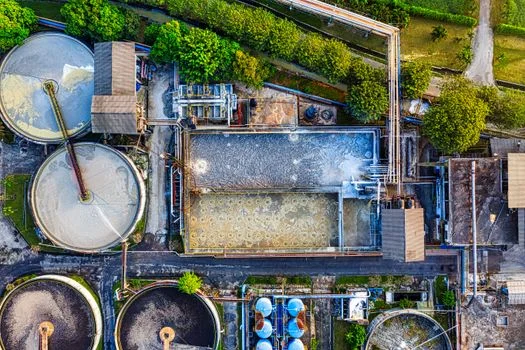
Selecting the optimal industrial wastewater treatment system in Tucson begins with a precise characterization of influent water quality, as mandated by Pima County’s pretreatment program for permit applications. This crucial first step, Step 1: Characterize Influent, involves comprehensive analytical testing to measure key parameters such as Chemical Oxygen Demand (COD), Total Suspended Solids (TSS), Fats, Oils, and Grease (FOG), pH, and flow rate. Facilities should employ both grab sampling for immediate pH or temperature checks and composite sampling over a 24-hour period to capture average and peak concentrations for parameters like COD and TSS, providing a representative profile of their unique wastewater stream.
Once influent characteristics are established, Step 2: Compare Against Pima County Limits. This involves a direct comparison of the measured influent parameters against the Pima County discharge limits (e.g., COD ≤ 250 mg/L, TSS ≤ 30 mg/L). Identifying the gaps between current discharge quality and regulatory requirements (e.g., an influent COD of 800 mg/L versus a 250 mg/L limit) will pinpoint the specific contaminants and reduction percentages needed, clearly defining the treatment objectives for industrial wastewater treatment in Tucson.
Next, Step 3: Match Technology to Influent. Based on the identified gaps, select the most appropriate treatment technology or combination of technologies. For high concentrations of FOG and TSS, a DAF system is highly effective. If the primary concern is high COD/BOD and the need for near-reuse quality effluent, an MBR system is typically the most suitable. For facilities with highly variable or high-strength effluents requiring targeted contaminant reduction or pH neutralization, chemical dosing systems provide flexible and precise control. This stage often involves evaluating pilot-scale studies to confirm treatment efficacy.
Proceeding to Step 4: Budget for CAPEX/OPEX, facilities must develop a realistic financial plan. This includes estimating Capital Expenditure (CAPEX) for equipment purchase, installation, and commissioning, as well as Operational Expenditure (OPEX) covering energy, chemicals, labor, and maintenance. A cost calculator template, considering factors like a DAF system at ~$0.15–$0.25/m³ or an MBR system at ~$0.20–$0.30/m³, helps project long-term costs and potential savings from avoided surcharges. This financial assessment is critical for justifying the investment to stakeholders.
Finally, Step 5: Plan for Scalability. Industrial operations in Tucson often evolve, necessitating future expansion. Consider systems designed with modularity in mind, such as DAF skids or expandable MBR units, which allow for incremental capacity increases without requiring a complete system overhaul. This forward-thinking approach ensures that the chosen wastewater treatment solution can adapt to changing production volumes and future regulatory adjustments, safeguarding the initial investment and providing long-term operational flexibility for the industrial wastewater treatment in Tucson.
Tucson Industrial Wastewater Treatment Costs: CAPEX, OPEX, and ROI Benchmarks
The Capital Expenditure (CAPEX) for industrial wastewater treatment systems in Tucson varies significantly by technology, ranging from $50,000 for basic chemical dosing skids to upwards of $5 million for comprehensive, turnkey MBR plants. For Dissolved Air Flotation (DAF) systems, CAPEX typically falls between $150,000 and $1.2 million, depending on flow rate and material specifications. MBR systems, offering advanced treatment and a smaller footprint, command a higher CAPEX, generally from $800,000 to $5 million. These figures include the core equipment but do not account for auxiliary costs. Installation and commissioning, including civil works, piping, electrical connections, and system startup, typically add an additional 10–20% to the equipment cost, a critical factor for accurate project budgeting for industrial wastewater treatment in Tucson.
Operational Expenditure (OPEX) is a continuous cost component and is primarily driven by several factors, which can vary significantly based on influent load and local utility rates. Energy consumption, for instance, typically ranges from $0.05–$0.15/m³ for pumping, aeration, and mixing. Chemical costs, including coagulants, flocculants, and pH adjusters, contribute $0.03–$0.10/m³. Labor for monitoring, maintenance, and sampling adds another $0.02–$0.05/m³. For MBR systems, membrane replacement is a significant OPEX driver, contributing an estimated $0.05–$0.10/m³ over the membrane's 5–8 year lifespan, making total OPEX for MBR generally higher than DAF or chemical dosing.
Calculating the Return on Investment (ROI) for a wastewater treatment system in Tucson involves comparing the initial CAPEX and ongoing OPEX against the costs of non-compliance, primarily Pima County surcharges. Pima County levies surcharges, for example, around $0.50/m³ for exceeding specific discharge limits for parameters like COD or TSS. By installing an effective pretreatment system, facilities can eliminate or significantly reduce these surcharges. Typical payback periods for industrial wastewater treatment systems, driven by surcharge avoidance, range from 2–5 years, demonstrating a strong financial incentive for proactive investment. A compelling case study involved a Tucson food processor who invested $350,000 in a DAF system. Prior to installation, their average COD discharge was 1,200 mg/L and TSS was 400 mg/L, resulting in substantial monthly surcharges. After implementing the DAF, their effluent consistently met Pima County limits, reducing their annual surcharges by 60% and achieving payback within 3.5 years.
| Cost Category | DAF System | MBR System (WSZ) | Chemical Dosing |
|---|---|---|---|
| CAPEX (Equipment Only) | $150K – $1.2M | $800K – $5M | $50K – $200K |
| Installation & Commissioning (% of CAPEX) | 10-15% | 15-20% | 10-15% |
| OPEX (Per m³ treated) | |||
| Energy ($/m³) | $0.05 – $0.10 | $0.10 – $0.15 | $0.03 – $0.05 |
| Chemicals ($/m³) | $0.05 – $0.10 | $0.03 – $0.05 | $0.07 – $0.15 |
| Labor ($/m³) | $0.02 – $0.03 | $0.03 – $0.05 | $0.02 – $0.03 |
| Maintenance (incl. membrane) ($/m³) | $0.01 – $0.02 | $0.05 – $0.10 | $0.01 – $0.02 |
| Total OPEX Range ($/m³) | $0.15 – $0.25 | $0.20 – $0.30 | $0.10 – $0.20 |
| Typical Payback Period (years, based on surcharge avoidance) | 2-4 | 3-5 | 1-3 |
Common Mistakes in Tucson Industrial Wastewater Treatment (And How to Avoid Them)
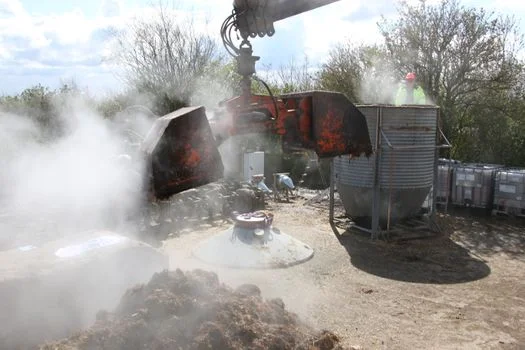
Underestimating Tucson’s water hardness, which typically ranges from 200–400 mg/L CaCO₃, is a frequent oversight that can increase DAF system maintenance costs by as much as 30% due to accelerated scaling on internal components and pipework. Hard water minerals, primarily calcium and magnesium, can precipitate within the DAF unit, reducing bubble generation efficiency and clogging nozzles. To mitigate this, incorporating anti-scalant dosing (typically 0.5–2 mg/L) into the chemical treatment regimen is essential for extending equipment lifespan and maintaining optimal performance for industrial wastewater treatment in Tucson.
Another critical error is ignoring Pima County’s specific sampling protocols for industrial wastewater. Pima County’s Industrial Pretreatment Program strictly requires composite samples for parameters like COD and TSS, which provide an average concentration over a 24-hour period, accurately reflecting daily discharge quality. Relying solely on grab samples, taken at a single moment, can lead to misleading results, potentially showing false compliance or, more commonly, false failures if a grab sample is taken during an atypical discharge event, resulting in unwarranted penalties or unnecessary operational adjustments.
Facilities often overlook the significant costs associated with sludge disposal, a major operational expense in industrial wastewater treatment. The Tres Rios WRF charges approximately $0.12/gallon for industrial sludge disposal, making volume reduction a key economic factor. While DAF systems generate sludge, MBR systems offer a notable advantage by reducing sludge volume by up to 40% compared to conventional DAF or activated sludge processes, due to their higher solids retention time and more efficient biological degradation, thereby contributing to substantial long-term savings in disposal fees.
Finally, skipping pilot testing before full-scale installation is a common and costly mistake. A Tucson brewery, for instance, avoided a potential $200,000 error by conducting a pilot study of a chemical dosing system. The pilot revealed that the initially proposed chemical regimen was ineffective for their specific brewery wastewater characteristics, allowing them to optimize chemical selection and dosage without committing to a full-scale system that would have failed to meet Pima County discharge limits. Pilot testing provides invaluable data, validating technology performance and ensuring the chosen system is precisely tailored to the influent, preventing expensive redesigns or non-compliance issues post-installation.
Frequently Asked Questions
Pima County’s Industrial Pretreatment Program requires all significant industrial users to obtain a discharge permit and adhere to specific effluent limitations for parameters such as COD, TSS, and pH.
What are the key Pima County discharge limits for industrial facilities?
Pima County mandates strict discharge limits for industrial wastewater, including Chemical Oxygen Demand (COD) ≤ 250 mg/L, Total Suspended Solids (TSS) ≤ 30 mg/L, and a pH range of 6.0–9.0. These limits are crucial for protecting the public sewer system and the Tres Rios Water Reclamation Facility, and non-compliance can result in significant surcharges and fines.
How does Tucson's water hardness impact wastewater treatment equipment?
Tucson’s municipal water typically has a hardness of 200–400 mg/L CaCO₃. This high hardness increases the risk of scaling in treatment equipment like DAF units and RO membranes, leading to reduced efficiency, increased maintenance, and potentially shorter equipment lifespan. Anti-scalant dosing is often recommended to mitigate these effects.
Can a DAF system alone achieve full Pima County compliance for all parameters?
A DAF system is highly effective for primary removal of TSS (92–97%) and FOG (90–95%), which are key parameters. However, for stringent COD limits (≤ 250 mg/L), a DAF system alone may not be sufficient and often requires subsequent biological treatment (e.g., MBR) or advanced chemical oxidation to achieve full Pima County compliance.
What is the typical payback period for investing in industrial wastewater treatment in Tucson?
The typical payback period for investing in industrial wastewater treatment in Tucson ranges from 2–5 years. This ROI is primarily driven by the avoidance of Pima County surcharges for exceeding discharge limits, which can be as high as $0.50/m³ for non-compliant wastewater. Cost savings from reduced water usage (if treated water is reused) also contribute to a faster payback.