Integrated Wastewater Treatment Plant for Food Processing: 2026 Engineering Specs, Cost Models & Zero-Risk Compliance Guide
Food processing facilities generate 528–2,800 gallons of wastewater per ton of product, with COD levels up to 10,000 mg/L—far exceeding EPA’s ≤30 mg/L discharge limit. Integrated wastewater treatment plants (WWTPs) combining dissolved air flotation (DAF) for solids removal and membrane bioreactors (MBR) for biological treatment achieve 84–95% COD/TSS removal, enabling compliance and water reuse. Key specs: MBR flux rates of 40 L/m²/h, TMP ≤0.3 bar, and SDI ≤3 for downstream RO systems. CAPEX ranges from $1.2M–$15M depending on flow rate and technology mix.
Why Food Processing Wastewater Demands Integrated Treatment Plants
In 2019, a staggering 931 million tons of food went to waste globally, contributing to substantial wastewater volumes ranging from 528 to 2,800 gallons per ton of product (Top 1, Top 5). This wastewater is characterized by high concentrations of organic matter, suspended solids, and fats, oils, and grease (FOG), posing significant environmental and regulatory challenges for food processing facilities.
Contaminant profiles vary significantly by sub-sector, reflecting the raw materials and processes involved. Dairy operations, for instance, generate effluent high in FOG and lactose, while meat processing wastewater contains elevated levels of TSS, BOD, and nitrogen. Beverage plants typically produce wastewater with high sugar content, leading to high BOD, and fruit/vegetable processing results in high organic solids and varying pH levels. These diverse characteristics necessitate tailored and robust treatment solutions.
Regulatory pain points are stringent, with discharge limits often demanding advanced treatment. The U.S. EPA mandates biochemical oxygen demand (BOD) discharge limits as low as ≤30 mg/L for many industries, while the EU Directive 91/271/EEC sets similar standards for urban wastewater treatment, and China's GB 8978-1996 outlines comprehensive effluent discharge standards. Common compliance failures include 60% of dairy plants exceeding FOG limits or meat processing facilities struggling to meet BOD/TSS parameters. The cost of non-compliance is severe, with EPA violations potentially incurring fines of $25,000 per day, alongside production shutdowns and irreversible reputational damage.
| Food Processing Sub-Sector | Typical COD Range (mg/L) | Typical BOD Range (mg/L) | Typical TSS Range (mg/L) | Key Contaminants |
|---|---|---|---|---|
| Dairy | 1,000 – 10,000 | 500 – 5,000 | 200 – 1,500 | FOG, Lactose, Proteins |
| Meat/Poultry | 1,500 – 8,000 | 800 – 4,000 | 500 – 2,000 | Blood, Fat, Proteins, Solids |
| Beverage | 500 – 6,000 | 300 – 3,000 | 100 – 800 | Sugars, Yeast, Alcohol |
| Fruit/Vegetable | 800 – 5,000 | 400 – 2,500 | 200 – 1,000 | Organic Solids, Pesticides |
How Integrated Wastewater Treatment Plants Work: Process Flow for Food Processing
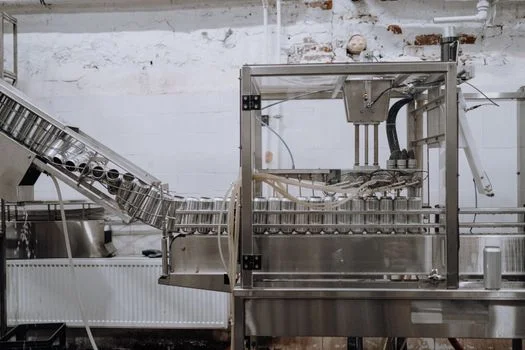
An integrated wastewater treatment plant for food processing systematically removes contaminants through a series of interconnected stages, ensuring high-quality effluent suitable for discharge or reuse. The typical process flow begins with physical separation, moves through chemical and biological treatment, and concludes with advanced polishing.
While an actual diagram would illustrate this, the process generally involves: 1. Screening for gross solids removal; 2. Equalization to stabilize flow and load; 3. Primary Treatment, often involving DAF systems for FOG and solids removal; 4. Secondary Biological Treatment, frequently utilizing MBR systems for food processing wastewater; and 5. Tertiary Polishing, commonly with industrial RO water purification systems for water reuse applications.
- Screening: Initial screening removes large debris, rags, and fibers that could damage pumps and other equipment. Rotary mechanical bar screens, such as HydropureWater's GX Series, are effective for this purpose, protecting downstream components and maintaining system uptime.
- Equalization: Following screening, wastewater flows into an equalization tank to buffer variations in flow rate, pH, and contaminant concentration. This stabilization is crucial for optimizing the efficiency of subsequent treatment stages.
- Dissolved Air Flotation (DAF): DAF systems are critical for primary treatment in food processing, effectively removing over 90% of FOG and suspended solids. This is achieved by introducing fine air bubbles into the wastewater, causing lighter solids and FOG to float to the surface for skimming. Optimal DAF performance typically requires a pH range of 6–8 and the precise dosing of coagulants like polyaluminum chloride (PAC) at 50–100 mg/L to enhance flocculation.
- Membrane Bioreactor (MBR): After primary treatment, MBR systems integrate biological treatment with membrane filtration, replacing conventional secondary clarifiers. Submerged PVDF membranes, such as HydropureWater's DF Series, provide a physical barrier with a 0.1 μm pore size, effectively separating biomass from treated water. MBRs operate with high mixed liquor suspended solids (MLSS) concentrations, typically 6,000–12,000 mg/L, requiring aeration rates of 1.5–2.0 Nm³/m²/h for biological activity and membrane scouring.
- Reverse Osmosis (RO): For facilities aiming for water reuse, RO systems provide advanced polishing. RO membranes remove dissolved salts, heavy metals, and residual organics, producing high-purity water. To protect RO membranes and ensure efficient operation, the silt density index (SDI) of the feed water must be ≤3. RO systems typically achieve recovery rates of 75–85%, significantly reducing freshwater consumption.
MBR vs DAF vs Conventional Systems: Performance, Cost, and Compliance Comparison
Selecting the appropriate wastewater treatment technology for food processing facilities involves a critical evaluation of performance, capital expenditure (CAPEX), operational expenditure (OPEX), footprint requirements, and compliance risk. While DAF systems for FOG and solids removal are typically primary treatment, MBR systems for food processing wastewater and conventional activated sludge (CAS) offer distinct advantages for biological treatment, often integrated with DAF.
Pilot studies in food and beverage wastewater treatment demonstrate that MBR systems consistently achieve high rejection rates of 84–95% for COD and TSS, significantly outperforming conventional activated sludge in effluent quality (Top 3). MBR effluent can readily meet stringent reuse standards, including those for cleaning-in-place (CIP) and other non-potable applications, often without additional tertiary treatment. DAF, while excellent for primary FOG and TSS removal, always requires downstream biological treatment to meet discharge limits.
In terms of cost, MBR systems typically have a higher CAPEX, estimated at $2,500–$4,000 per m³/d of treatment capacity, compared to DAF at $800–$1,500/m³/d and CAS at $1,200–$2,000/m³/d. However, MBR's compact footprint—requiring up to 60% less space than CAS—can be a critical advantage for urban facilities with limited land. While MBR's OPEX includes membrane replacement every 5–7 years, its higher level of automation can lead to lower labor costs compared to conventional systems. A 5-year Total Cost of Ownership (TCO) for a 100 m³/h (2,400 m³/d) plant might show MBR's initial investment offset by operational efficiencies and potential water reuse savings.
| Feature | MBR (Membrane Bioreactor) | DAF (Dissolved Air Flotation) | CAS (Conventional Activated Sludge) |
|---|---|---|---|
| Primary Function | Biological & Solids Separation | FOG & Suspended Solids Removal | Biological Treatment |
| COD Removal Rate | 84–95% (Top 3) | 30–60% (pre-treatment) | 70–90% |
| TSS Removal Rate | 95–99% | 90–95% | 85–95% |
| Effluent Quality (BOD) | ≤10 mg/L | Requires further treatment | 15–30 mg/L |
| Footprint (relative) | Compact (60% less than CAS) | Moderate | Large |
| CAPEX (per m³/d) | $2,500–$4,000 | $800–$1,500 | $1,200–$2,000 |
| OPEX (relative) | Higher (membrane replacement) | Moderate | Moderate (higher labor) |
| Compliance Risk | Low (meets reuse standards) | High (requires secondary) | Medium (may need tertiary) |
| Maintenance Complexity | Moderate (membrane cleaning) | Low to Moderate | Moderate |
Engineering Specs for Food Processing Wastewater Treatment Plants in 2026
Designing or evaluating an integrated wastewater treatment plant for food processing requires precise engineering specifications tailored to the influent characteristics and desired effluent targets. These parameters are based on extensive pilot studies and industry benchmarks, ensuring robust performance and compliance.
Influent characteristics in food processing wastewater are highly variable, with COD typically ranging from 500–10,000 mg/L, BOD from 300–6,000 mg/L, TSS from 200–2,000 mg/L, and FOG from 50–500 mg/L. The pH can fluctuate widely, from 4 to 10. These variations necessitate robust pre-treatment and equalization.
For MBR systems, critical operating parameters include a design flux rate of 40 L/m²/h, ensuring efficient filtration while mitigating fouling. Transmembrane pressure (TMP) should be maintained between 0.2–0.3 bar, with pilot studies showing excellent performance within this range (Top 3). The mixed liquor suspended solids (MLSS) concentration typically operates between 6,000–12,000 mg/L, and the membrane pore size is a fine 0.1 μm. DAF systems are designed with a hydraulic loading rate of 5–10 m/h and an air-to-solids ratio of 0.02–0.05. Coagulant dosage, such as PAC, is typically 50–100 mg/L to optimize flocculation. For RO systems, a recovery rate of 75–85% is common, with an operating pressure of 15–30 bar. The silt density index (SDI) of the feed water must be ≤3 to protect the delicate RO membranes. The ultimate effluent targets for discharge are stringent, commonly requiring COD ≤50 mg/L, BOD ≤30 mg/L, and TSS ≤10 mg/L, aligning with EPA and WHO standards.
| Parameter Category | Specific Parameter | Typical Range/Value |
|---|---|---|
| Influent Characteristics (Food Processing) | COD | 500 – 10,000 mg/L |
| BOD | 300 – 6,000 mg/L | |
| TSS | 200 – 2,000 mg/L | |
| FOG | 50 – 500 mg/L | |
| pH | 4 – 10 | |
| MBR System Specs | Flux Rate | 40 L/m²/h (Top 3) |
| Transmembrane Pressure (TMP) | 0.2 – 0.3 bar (Top 3) | |
| MLSS Concentration | 6,000 – 12,000 mg/L | |
| Membrane Pore Size | 0.1 μm | |
| DAF System Specs | Hydraulic Loading Rate | 5 – 10 m/h |
| Air-to-Solids Ratio | 0.02 – 0.05 | |
| Coagulant Dosage (PAC) | 50 – 100 mg/L | |
| RO System Specs | Recovery Rate | 75 – 85% |
| Silt Density Index (SDI) | ≤3 | |
| Operating Pressure | 15 – 30 bar | |
| Effluent Targets (Discharge/Reuse) | COD | ≤50 mg/L |
| BOD | ≤30 mg/L (EPA standard) | |
| TSS | ≤10 mg/L |
Water Reuse in Food Processing: ROI, Compliance, and Implementation Steps
Implementing water reuse strategies in food processing facilities offers significant returns on investment (ROI) by reducing operational costs and enhancing sustainability. The primary drivers for ROI include substantial water savings, typically a 30–50% reduction in freshwater consumption, and a corresponding decrease in discharge fees. Additionally, facilities pursuing water reuse may be eligible for sustainability incentives, such as USDA REAP grants or local tax credits, further boosting financial viability.
For example, a 50 m³/h integrated MBR + RO system, with a typical CAPEX of $2.5 million, can generate annual savings of $300,000 from reduced freshwater procurement and wastewater discharge costs. This financial model projects a payback period of approximately 5 years, making it an attractive investment for long-term operational efficiency. Compliance with stringent water quality standards is paramount for reuse; for cleaning and CIP applications, water must meet WHO drinking water guidelines, including turbidity levels of ≤1 NTU and zero E. coli. Effective membrane fouling mitigation, often involving chlorine dioxide generators for MBR fouling prevention, is crucial for maintaining consistent water quality and extending membrane life.
The implementation of a water reuse system involves several critical steps:
- Pilot Testing: Conduct a 3–6 month pilot study to validate treatment efficacy with actual facility wastewater and optimize operational parameters. This minimizes full-scale deployment risks.
- System Design & Integration: Engineer the system to seamlessly integrate with existing plant operations, considering flow rates, space constraints, and energy requirements.
- Membrane Fouling Mitigation: Implement robust pre-treatment and chemical cleaning protocols to prevent membrane fouling, utilizing advanced disinfection methods such as chlorine dioxide.
- Operator Training: Provide comprehensive training for facility personnel on system operation, maintenance, and water quality monitoring to ensure long-term performance.
- Regulatory Approval: Secure all necessary local and national permits for water reuse, demonstrating compliance with health and environmental standards.
Frequently Asked Questions
What is the typical COD removal efficiency of an integrated MBR system for dairy wastewater?
Integrated MBR systems in dairy processing typically achieve COD removal efficiencies between 84–95%, effectively reducing high organic loads to meet stringent discharge limits. This high performance is attributed to the fine filtration of MBR membranes combined with robust biological degradation.
How much space does an MBR system save compared to conventional activated sludge for a food plant?
MBR systems typically require up to 60% less footprint compared to conventional activated sludge plants due to their ability to operate at higher MLSS concentrations and eliminate the need for secondary clarifiers. This makes MBR ideal for facilities with limited land availability.
What are the critical parameters to monitor for MBR membrane fouling in food processing applications?
Key parameters to monitor for MBR membrane fouling include transmembrane pressure (TMP), flux rate, and mixed liquor suspended solids (MLSS) concentration. A sudden increase in TMP or a decrease in flux at constant pressure indicates potential fouling, requiring chemical cleaning or backwashing.
What is the typical payback period for a water reuse system in a beverage plant?
The typical payback period for a water reuse system, such as an MBR + RO combination, in a beverage plant is around 3–7 years. This is driven by significant savings in freshwater procurement costs, reduced wastewater discharge fees, and potential eligibility for sustainability incentives.
Are DAF systems sufficient for meeting EPA discharge limits for food processing wastewater?
DAF systems are highly effective for primary treatment, removing 90–95% of FOG and suspended solids, but they are generally not sufficient on their own to meet stringent EPA discharge limits for BOD and COD. DAF typically requires subsequent biological treatment, such as an MBR or CAS system, to achieve full compliance.