Rivers State’s municipal sewage treatment plants face a dual challenge: meeting FMWR’s 2025 discharge limits (BOD ≤30 mg/L, TSS ≤50 mg/L) while operating in a climate prone to flooding and salinity intrusion. For a 50,000 m³/day plant, CAPEX ranges from ₦500M (conventional A/O) to ₦1.2B (MBR), with OPEX at ₦0.15–₦0.45/m³ depending on energy efficiency and sludge disposal methods. This guide provides engineering specs, cost benchmarks, and a zero-risk selection framework for urban and rural projects in Rivers Nigeria.
Why Rivers State Needs Tailored Sewage Treatment Solutions
Nigeria's sanitation gap affects 60% of its population, highlighting an urgent need for targeted wastewater infrastructure in rapidly urbanizing states like Rivers (Source: UNICEF 2021). Rivers State, with an urbanization rate of 4.5% per year, is experiencing infrastructure growth that struggles to keep pace with its expanding urban centers (Source: NBS 2023). This rapid development, coupled with unique environmental factors, necessitates bespoke sewage treatment solutions rather than generic designs.
Climate risks pose a significant challenge to conventional wastewater infrastructure in Rivers State. Port Harcourt's annual rainfall of approximately 2,400 mm frequently leads to severe flooding events, such as the 2022 floods that reportedly submerged up to 70% of existing treatment facilities. Such conditions demand resilient designs, including elevated or buried sewage treatment systems for flood-prone areas like HydropureWater's WSZ series, which are engineered with waterproof electricals and robust structural integrity to withstand inundation.
Industrial pollution further complicates municipal sewage treatment in the region. Effluents from the prevalent oil & gas, food processing, and textile industries in Rivers State contribute to significantly higher influent Chemical Oxygen Demand (COD) levels, typically ranging from 800–1,200 mg/L, compared to national averages of 300–500 mg/L observed in less industrialized regions (Source: FMWR 2024 monitoring data). This elevated organic load requires more robust and often more energy-intensive biological treatment processes.
Regulatory pressure from the Federal Ministry of Water Resources (FMWR) is driving the need for immediate upgrades. The impending 2025 discharge limits, stipulating maximums of BOD ≤30 mg/L, TSS ≤50 mg/L, and E. coli ≤1,000 CFU/100mL, are projected to render an estimated 80% of existing municipal plants non-compliant. Achieving these standards often requires significant process intensification and tertiary disinfection for effluent reuse, presenting a clear compliance pathway for municipalities to invest in advanced treatment technologies.
Engineering Specs for Rivers State Municipal Sewage Plants: Influent, Effluent, and Process Parameters
Rivers State's municipal sewage influent typically presents elevated COD levels ranging from 800–1,200 mg/L, significantly higher than national averages, necessitating robust treatment design. Understanding localized influent characteristics is paramount for designing effective and compliant municipal sewage treatment plant in Rivers Nigeria. The unique blend of domestic wastewater, industrial contributions, and environmental factors dictates specific design parameters.
Typical Influent Characteristics for Rivers State Municipal Sewage
| Parameter | Rivers State Typical Range (FMWR 2024) | National Average Range (FMWR 2024) |
|---|---|---|
| COD | 800–1,200 mg/L | 300–500 mg/L |
| BOD₅ | 350–500 mg/L | 150–250 mg/L |
| TSS | 250–400 mg/L | 100–250 mg/L |
| Salinity (Cl⁻) | 500–1,500 mg/L | <250 mg/L |
| pH | 6.5–8.5 | 6.5–7.5 |
| Ammonia-Nitrogen (NH₄-N) | 30–60 mg/L | 20–40 mg/L |
The elevated salinity (500–1,500 mg/L Cl⁻) observed in Rivers State influent, often due to tidal influence and brackish groundwater intrusion, can inhibit sensitive biological treatment processes and accelerate corrosion of equipment.
Effluent targets for municipal sewage treatment plants in Rivers State are primarily driven by the FMWR 2025 limits: BOD ≤30 mg/L, TSS ≤50 mg/L, NH₄-N ≤10 mg/L, and E. coli ≤1,000 CFU/100mL. For projects aiming at effluent reuse, particularly for irrigation, stricter standards based on WHO 2023 guidelines may apply, typically requiring E. coli <1,000 CFU/100mL and turbidity <5 NTU, which often necessitates tertiary treatment and disinfection.
Process design parameters must account for these challenging influent and stringent effluent conditions. Hydraulic Retention Times (HRT) for conventional Activated Sludge (A/O) systems typically range from 8–12 hours, while detailed engineering guide to MBR systems for Nigerian municipal projects can operate with shorter HRTs of 4–6 hours due to their high biomass concentration. Dissolved Air Flotation (DAF) systems, primarily for pretreatment, have even shorter HRTs of 1–2 hours. Sludge Retention Times (SRT) for biological systems are generally maintained at 15–25 days to ensure adequate nitrification and stable biomass, impacting both the biological reactor volume and the frequency of sludge wasting. Shorter HRTs and longer SRTs generally lead to smaller footprints but may require more intensive aeration.
Climate adaptations are non-negotiable for longevity and operational reliability. Corrosion-resistant materials, such as 316L stainless steel or specialized coatings, are essential for components exposed to saline influent. Flood-proofing measures, like the design of flood-proof underground sewage treatment systems for Rivers State, including elevated control panels and waterproof electrical enclosures, are critical. the ambient temperature range of 25–35°C in Rivers State requires careful consideration for aeration systems, as higher temperatures reduce oxygen solubility, necessitating adjustments in blower capacity and control strategies to maintain optimal dissolved oxygen levels for biological processes.
Treatment Technology Comparison: MBR vs. A/O vs. DAF for Rivers State Conditions
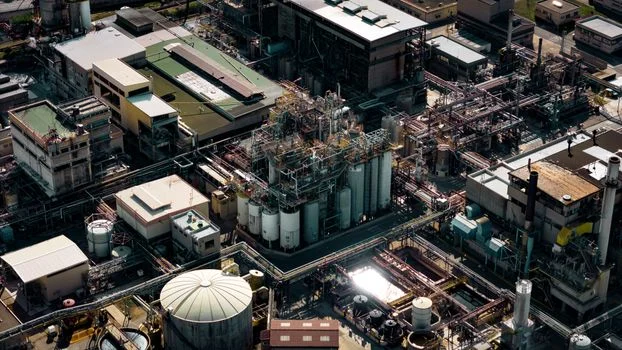
Membrane Bioreactor (MBR) systems consistently achieve 95–99% COD/BOD/TSS removal, offering superior effluent quality and a smaller footprint compared to conventional Activated Sludge (A/O) or Dissolved Air Flotation (DAF) for Rivers State applications. Selecting the appropriate sewage treatment technology is a critical decision influenced by influent quality, land availability, effluent targets, and long-term operational costs specific to Rivers State.
Comparative Performance of Key Treatment Technologies
| Feature | MBR (Membrane Bioreactor) | A/O (Anaerobic/Aerobic Activated Sludge) | DAF (Dissolved Air Flotation) |
|---|---|---|---|
| COD/BOD/TSS Removal | 95–99% | 85–92% | 60–80% (Pre-treatment) |
| Footprint Requirement | 60% smaller than A/O | Standard | Compact (for pre-treatment) |
| Energy Use (kWh/m³) | 0.8–1.2 (for aeration & membrane scouring) | 0.3–0.5 (for aeration) | 0.2–0.4 (for air compressor & pumps) |
| Effluent Quality | High (suitable for direct reuse, low turbidity) | Moderate (requires tertiary for reuse) | Low (requires further treatment) |
| Salinity Tolerance | PVDF membranes tolerate up to 2,000 mg/L Cl⁻ | Requires acclimation of salt-tolerant bacteria | High tolerance |
| Sludge Production (kg TSS/kg BOD removed) | 0.1–0.2 (lower) | 0.3–0.5 (higher) | 0.05–0.15 (for removed solids) |
| Maintenance Focus | Membrane cleaning, replacement | Clarifier desludging, aeration system | Polymer dosing, sludge scraping |
MBR systems, such as MBR systems for high-efficiency sewage treatment in Port Harcourt, are particularly advantageous for Rivers State due to their ability to produce high-quality effluent suitable for irrigation and industrial reuse, addressing both environmental compliance and water scarcity concerns. Their compact footprint is also beneficial in urban areas with high land costs. While MBRs have higher energy consumption due to membrane aeration and filtration, this is often offset by reduced sludge volumes and the elimination of secondary clarifiers.
Salinity tolerance is a critical factor in Rivers State. MBR membranes, particularly those made from PVDF, can effectively handle chloride concentrations up to 2,000 mg/L without significant performance degradation. Conventional A/O systems, however, require careful acclimation of salt-tolerant bacterial strains when influent salinity consistently exceeds 1,500 mg/L Cl⁻, a process that can add 5–10% to initial operational setup costs and requires vigilant monitoring. DAF pretreatment for industrial and municipal sewage in Rivers State is highly tolerant to salinity, as it is a physical-chemical process.
Sludge production varies significantly between technologies. MBR systems generate less excess sludge (0.1–0.2 kg TSS/kg BOD removed) compared to A/O systems (0.3–0.5 kg TSS/kg BOD removed) due to longer SRTs and higher biomass concentrations (Source: EPA 2023 benchmarks). This reduction in sludge volume translates to lower sludge handling and disposal costs, a major OPEX component.
Maintenance requirements also differ. MBR systems require periodic membrane cleaning (typically every 3–6 months), which can cost ₦2M–₦5M per year for chemicals and labor. A/O systems involve regular clarifier desludging (weekly) and aeration system checks, with estimated annual costs of ₦1.5M–₦3M. DAF systems require continuous polymer dosing (₦4M–₦8M per year) and regular sludge scraping.
For a case example, consider a 20,000 m³/day plant in Port Harcourt. An MBR system might have a CAPEX of ₦850M and an OPEX of ₦0.35/m³, while a conventional A/O system could be ₦500M CAPEX and ₦0.20/m³ OPEX. Over a 5-year Total Cost of Ownership (TCO), the MBR system might incur higher CAPEX, but its lower sludge disposal costs and superior effluent quality often provide a better return on investment, especially if effluent reuse is planned, avoiding additional tertiary treatment costs.
CAPEX and OPEX Breakdown for Rivers State Sewage Treatment Plants (2025)
Capital expenditure (CAPEX) for a 50,000 m³/day municipal sewage treatment plant in Rivers State can range from ₦800M to ₦1.2B, with operational expenditure (OPEX) varying between ₦0.15–₦0.30/m³, heavily influenced by technology choice and energy costs. Budgetary planning for municipal sewage treatment plant in Rivers Nigeria requires a detailed understanding of both initial capital outlay and ongoing operational expenses, with specific adjustments for local conditions.
Estimated CAPEX Breakdown for Rivers State Municipal Sewage Plants (2025)
| Plant Capacity (m³/day) | Total CAPEX Range (₦) | Civil Works (40-50%) | Equipment (30-40%) | Electrical & Controls (15-20%) | Contingency (5-10%) |
|---|---|---|---|---|---|
| 10,000 | ₦300M–₦500M | ₦120M–₦250M | ₦90M–₦200M | ₦45M–₦100M | ₦15M–₦50M |
| 20,000 | ₦500M–₦800M | ₦200M–₦400M | ₦150M–₦320M | ₦75M–₦160M | ₦25M–₦80M |
| 50,000 | ₦800M–₦1.2B | ₦320M–₦600M | ₦240M–₦480M | ₦120M–₦240M | ₦40M–₦120M |
| 80,000 | ₦1.2B–₦1.8B | ₦480M–₦900M | ₦360M–₦720M | ₦180M–₦360M | ₦60M–₦180M |
These figures include a Rivers State adjustment of approximately +15% for civil works related to flood-proofing (e.g., elevated foundations, retaining walls) and corrosion-resistant materials. Equipment costs are significantly influenced by technology choice, with MBR systems typically incurring 30–40% higher equipment CAPEX than conventional A/O systems due to the cost of membranes and associated infrastructure.
Operational expenditure (OPEX) drivers are primarily energy (40–50% of total OPEX), chemicals (20–30%), labor (15–25%), and sludge disposal (10–20%). Energy costs are particularly high for MBR systems (0.8–1.2 kWh/m³) compared to A/O (0.3–0.5 kWh/m³), mainly due to the energy required for membrane aeration and filtration. However, MBR's higher energy costs are often offset by lower chemical consumption (e.g., no coagulants for secondary clarification) and significantly reduced sludge volumes, leading to savings in sludge disposal. For African wastewater treatment plant cost benchmarks for budget planning, these proportions are broadly consistent, though absolute values vary.
Cost benchmarks for specific plant sizes: a 10,000 m³/day plant can expect ₦300M–₦500M in CAPEX and ₦0.25–₦0.45/m³ in OPEX. A larger 50,000 m³/day facility typically ranges from ₦800M–₦1.2B in CAPEX and ₦0.15–₦0.30/m³ in OPEX, benefiting from economies of scale. Financing options for such projects often include Public-Private Partnerships (PPPs) like Build-Own-Operate-Transfer (BOOT) contracts, direct government funding, or loans from multilateral development banks such as the World Bank or African Development Bank.
Hidden costs can significantly impact project budgets. Land acquisition in prime areas of Port Harcourt can range from ₦10M–₦50M per acre. Permitting and environmental impact assessment fees typically fall between ₦5M–₦20M. adequate operator training, crucial for plant longevity and efficiency, should be budgeted at ₦2M–₦10M per year, depending on the complexity of the technology and the number of personnel.
Step-by-Step Equipment Selection Framework for Rivers State Projects
A systematic five-step framework, beginning with comprehensive influent analysis, is crucial for de-risking municipal sewage treatment plant projects in Rivers State and ensuring compliance with FMWR 2025 standards. This structured approach helps procurement managers and engineers make informed decisions tailored to the unique challenges of the region.
- Step 1: Influent Analysis
Conduct a thorough characterization of the raw municipal sewage. This includes testing for key parameters such as COD, BOD, TSS, pH, ammonia-nitrogen, and crucially, salinity (Cl⁻). Given Rivers State's industrial presence, also screen for specific industrial contaminants like oil & grease, heavy metals, or specific organic compounds. Utilize FMWR’s 2024 sampling protocols for representative data collection. This baseline data is non-negotiable for accurate process design. - Step 2: Compliance Mapping
Define precise effluent targets by matching the influent characteristics and desired discharge quality against the FMWR 2025 limits (BOD ≤30 mg/L, TSS ≤50 mg/L, NH₄-N ≤10 mg/L, E. coli ≤1,000 CFU/100mL). If effluent reuse is a project goal (e.g., for irrigation or industrial cooling), incorporate stricter WHO 2023 guidelines (e.g., E. coli <1,000 CFU/100mL, turbidity <5 NTU). This step dictates the necessity and type of tertiary treatment. A decision tree might guide the choice between on-site ClO₂ generators for tertiary disinfection in Nigerian sewage plants versus UV disinfection, based on cost, effectiveness against specific pathogens, and residual disinfection needs. - Step 3: Technology Selection
Leverage the comparison data from Section 3 to shortlist suitable technologies (MBR, A/O, DAF, or combinations). Evaluate each option based on its ability to meet the defined effluent targets, considering the project's specific constraints such as available land (favoring compact MBR), energy budget (A/O generally lower OPEX), and sludge handling capabilities. For high salinity influent, prioritize systems proven to perform under such conditions. - Step 4: Vendor Evaluation
Develop a comprehensive checklist for potential suppliers. Key criteria for Rivers State projects include documented local service support, guaranteed availability of spare parts within Nigeria, and verifiable FMWR certifications for their equipment. Request detailed case studies of successful installations in similar Nigerian or West African environments. Red flags include a lack of transparent project references, absence of local technical teams, or unwillingness to provide long-term maintenance contracts. - Step 5: Pilot Testing
For plants exceeding 20,000 m³/day, or those dealing with unusually complex influent, recommend a 3–6 month pilot testing phase. This allows for real-world validation of the chosen technology’s performance under actual site conditions, including variations in influent flow and quality. Pilot data is invaluable for fine-tuning design parameters, optimizing chemical dosages, and confirming operational stability before committing to full-scale construction.
Frequently Asked Questions
Addressing common inquiries regarding municipal sewage treatment in Rivers State is essential for project stakeholders, particularly concerning FMWR compliance, cost implications, and technical challenges like salinity.
What are the FMWR’s 2025 discharge limits for municipal sewage in Nigeria?
The FMWR 2025 discharge limits for municipal sewage are BOD ≤30 mg/L, TSS ≤50 mg/L, and E. coli ≤1,000 CFU/100mL. Stricter limits for parameters like turbidity and E. coli count apply if the treated effluent is intended for irrigation or other reuse applications, adhering to WHO 2023 guidelines.
How does salinity affect sewage treatment in Rivers State?
Salinity, specifically chloride (Cl⁻) concentrations exceeding 1,500 mg/L, can corrode treatment plant equipment and inhibit the activity of beneficial microorganisms essential for biological treatment. Solutions include using corrosion-resistant materials (e.g., 316L stainless steel) and selecting salt-tolerant biological processes or MBR membranes, which can add 10–20% to the overall CAPEX.
What’s the typical CAPEX for a 20,000 m³/day sewage plant in Port Harcourt?
The typical CAPEX for a 20,000 m³/day municipal sewage plant in Port Harcourt ranges from ₦500M–₦800M. The choice of technology is a major driver: MBR systems are generally 30–40% more expensive in terms of CAPEX than conventional A/O systems but often produce effluent that meets direct reuse standards without further tertiary treatment.
Can treated sewage be reused for irrigation in Rivers State?
Yes, treated sewage can be reused for irrigation in Rivers State, provided the effluent meets stringent quality standards, particularly WHO 2023 guidelines (e.g., E. coli <1,000 CFU/100mL, turbidity <5 NTU). This typically requires advanced secondary treatment followed by mandatory tertiary disinfection using methods like on-site ClO₂ generators or UV systems.
What are the main OPEX drivers for sewage plants in Nigeria?
The primary operational expenditure (OPEX) drivers for sewage treatment plants in Nigeria are energy (40–50% of OPEX), chemicals (20–30%), and sludge disposal (10–20%). MBR systems, while energy-intensive, often have lower chemical costs and significantly reduced sludge volumes compared to conventional A/O plants, impacting the overall OPEX balance.
Further Reading
Explore these in-depth articles on related wastewater treatment topics: